
Chicago, the “Windy City,” is a vibrant metropolis celebrated for its stunning architecture, world-class museums, diverse culinary scene, and lively arts culture. Millions of tourists flock to its shores annually, eager to explore its iconic landmarks and unique neighborhoods. However, like any major urban center, Chicago sometimes grapples with a perception of danger, leading many prospective visitors to ask: “What parts of Chicago are dangerous?”
It’s a valid question, rooted in a desire for safety and an enjoyable travel experience. The truth, however, is nuanced. While Chicago, like all large cities in the United States, experiences crime, the vast majority of tourist activities and popular destinations are situated in areas that are overwhelmingly safe and well-patrolled. Understanding the city’s layout and exercising common-sense precautions are key to a secure and memorable visit. This guide aims to provide a balanced perspective, empowering visitors with knowledge to navigate Chicago confidently.

Understanding Chicago’s Urban Landscape
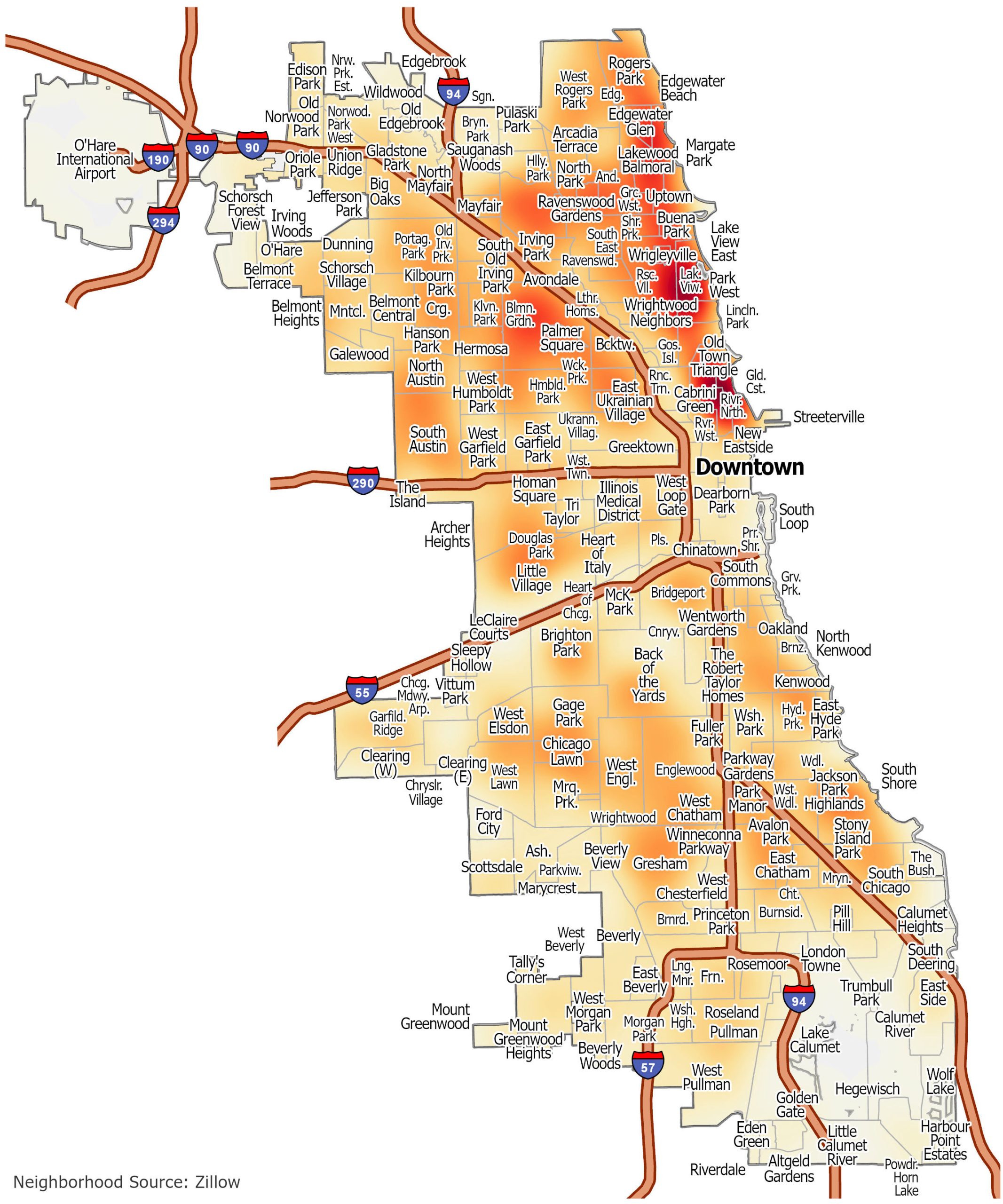
Chicago is a sprawling city, a mosaic of over 200 distinct neighborhoods, each with its own character, history, and socio-economic dynamics. This diversity is part of its charm, but it also means that generalizations about safety can be misleading.
A City of Neighborhoods
To truly appreciate Chicago and its safety profile, it’s essential to understand its unique geographical and social structure. The city is broadly divided into the North Side, South Side, West Side, and Downtown/Loop. Each of these broad sections contains numerous smaller neighborhoods, some affluent and bustling with activity, others more residential and quiet, and unfortunately, some struggling with higher rates of crime. The areas tourists most frequently visit – Downtown, the Magnificent Mile, River North, Lincoln Park, and Lakeview – are primarily located on the North Side or within the Loop, which are generally very safe and experience a high police presence due to their commercial and tourist importance.
Data vs. Perception
Media narratives often paint a broad stroke when discussing crime in Chicago, sometimes leading to an exaggerated perception of danger city-wide. It’s crucial to differentiate between concentrated crime in specific, often socio-economically disadvantaged residential areas, and the overall safety of the city’s tourist corridors. Official crime statistics, while sometimes alarming in raw numbers, often show that violent crime is highly localized, often involving specific individuals or groups, and rarely impacts random tourists in popular areas. Property crime, such as pickpocketing or theft, is a more common concern in any crowded urban environment, including Chicago’s busiest districts, but can often be mitigated with simple vigilance.
Tourist Hubs vs. Residential Zones
The key distinction for visitors is understanding the difference between areas designed for tourism and entertainment, and residential zones that tourists rarely have a reason to visit. Chicago’s major attractions, hotels, restaurants, and entertainment venues are clustered in well-maintained, highly visible, and secure areas. For instance, districts like The Loop, Streeterville, Old Town, and parts of Wicker Park are designed to welcome and serve visitors, boasting vibrant street life well into the evening. Conversely, many of the areas frequently cited in crime reports are far from these tourist centers, requiring intentional deviation from typical visitor itineraries to reach.
Areas Requiring Awareness
While the vast majority of tourist activity in Chicago happens in very safe zones, it’s prudent for any visitor to be generally aware of the city’s geography. It’s important to frame this discussion not as “dangerous parts,” but as “areas where a heightened sense of awareness is advisable,” especially if venturing beyond typical tourist routes or at unusual hours.
South and West Sides: A General Overview
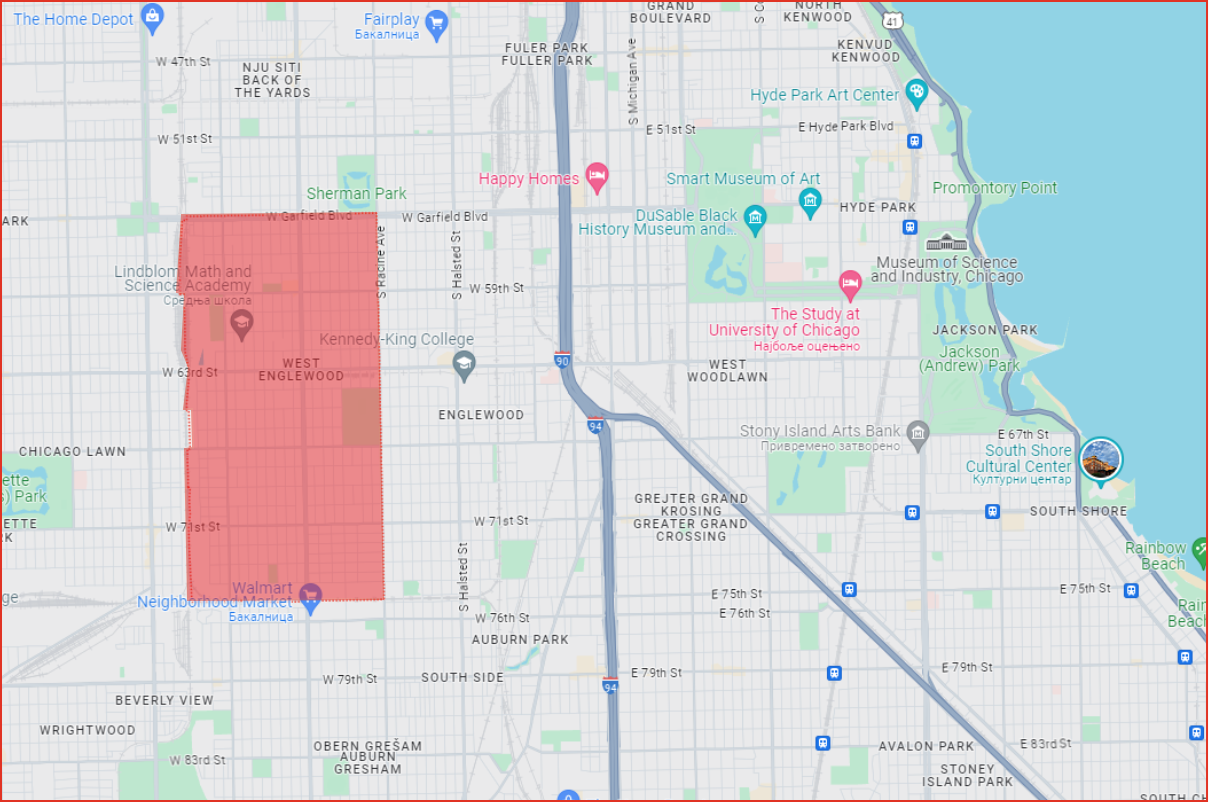
Historically, and continuing to the present, certain areas on Chicago’s South and West Sides have experienced higher rates of violent crime compared to the northern and central parts of the city. These are expansive regions, home to millions of residents, and contain many thriving, peaceful communities. However, they also contain specific neighborhoods that struggle with poverty, gang activity, and associated crime.
For the typical tourist, there is little reason to venture deep into these specific high-crime pockets, as major tourist attractions are not located there. If your itinerary involves exploring cultural sites or specific businesses in parts of the South or West Sides, it’s always wise to research the specific neighborhood beforehand, check recent local news, and plan your route during daylight hours. Utilizing reliable ride-shares or taxis and confirming your destination with a local before heading out can also be beneficial. It’s crucial to avoid broad generalizations and understand that these vast areas encompass a spectrum of safety levels. Neighborhoods closer to Downtown, like Chinatown on the near South Side or the Medical District on the near West Side, are generally considered safe for visitors during the day and early evening.
Downtown and Tourist Areas: Petty Crime Awareness
Even in Chicago’s most popular and ostensibly safest areas – such as The Loop, the Magnificent Mile, and Millennium Park – visitors should remain aware of their surroundings regarding petty crime. Pickpocketing, purse snatching, and phone theft can occur, particularly in crowded places or at public transportation hubs. This is not unique to Chicago; it’s a reality of any major tourist destination globally. Thieves often target distracted individuals, so staying vigilant, securing your belongings, and avoiding displaying expensive items prominently can significantly reduce your risk.
Public Transportation at Night
The Chicago Transit Authority (CTA) operates an extensive network of ‘L’ trains and buses, making it an efficient way to get around. During the day, it’s generally safe and well-used. However, late at night, especially on less crowded lines or at isolated stations, it’s advisable to exercise extra caution. If traveling alone late at night, consider using ride-sharing services or taxis as an alternative, or stick to well-lit and busy stations. Always be aware of your surroundings and avoid falling asleep on trains.
Chicago’s Safest and Most Popular Tourist Areas
The good news is that Chicago’s most iconic attractions and the areas where most tourists spend their time are among the city’s safest and most welcoming. These districts are characterized by heavy foot traffic, visible security, and a vibrant atmosphere.
The Loop and Downtown
The heart of Chicago, The Loop, is a bustling commercial and cultural center. Home to architectural marvels, world-class theaters, and significant landmarks, it is meticulously maintained and heavily policed. Visitors can safely explore attractions like Millennium Park with its famous “Bean” (Cloud Gate sculpture), the Art Institute of Chicago, the Chicago Theatre, and ascend the Willis Tower (formerly Sears Tower) for breathtaking views. The area transforms into a vibrant hub during the day and offers a lively, though less crowded, atmosphere in the evenings, with plenty of safe dining and entertainment options.
North Side Gems
Moving north from Downtown, some of Chicago’s most affluent and popular neighborhoods offer excellent safety records and a wealth of attractions:
- River North: Known for its art galleries, upscale restaurants, and vibrant nightlife. It’s a very safe area, especially popular for evening entertainment.
- Gold Coast and Streeterville: These areas along the lakefront are characterized by luxury high-rises, high-end shopping on the Magnificent Mile, and easy access to Oak Street Beach. They are consistently ranked among the safest neighborhoods.
- Lincoln Park and Lakeview: These expansive, verdant neighborhoods are home to the Lincoln Park Zoo, beautiful parks, boutique shops, and a diverse range of restaurants. They are known for their family-friendly atmosphere and low crime rates.
- Old Town: A charming historic district with gaslit streets, unique shops, and comedy clubs like The Second City. It’s very safe and popular for evening strolls.
- Wicker Park and Bucktown: Trendy neighborhoods known for their independent boutiques, eclectic dining, and vibrant arts scene. While a bit further west, they are generally considered safe and popular with younger crowds.
Museum Campus and Lakefront
The Museum Campus is a dedicated park area on the lakefront housing some of Chicago’s premier institutions: the Shedd Aquarium, Field Museum, and Adler Planetarium. This area is extremely safe, constantly monitored, and popular with families and tourists. The adjacent Lakefront Trail, stretching for miles along Lake Michigan, is also a very safe and popular spot for walking, running, and biking during daylight hours.
Essential Safety Tips for Visitors
Regardless of where you travel, adopting a few common-sense safety practices will enhance your experience and minimize potential risks.
Situational Awareness
Be aware of your surroundings at all times. Avoid excessive use of your phone that might distract you from what’s happening around you. Pay attention to people, sounds, and potential escape routes if a situation feels uncomfortable.
Trust Your Gut
If a street, area, or individual makes you feel uneasy, trust that instinct. It’s always better to take a detour, wait for a different train, or leave a situation that feels off. Your personal safety is paramount.
Stick to Well-Lit and Populated Areas
Especially at night, remain in well-lit areas with visible activity. Avoid shortcuts through poorly lit alleys or deserted parks. If you’re out late, try to stay on main streets.
Secure Valuables
Keep wallets in a front pocket, use cross-body bags with zippers, and avoid flaunting expensive jewelry or electronics. When dining, don’t hang purses on the back of chairs or leave phones unattended on tables. Be mindful of pickpockets in crowded tourist spots or on public transport.
Use Reputable Transportation
For taxis, hail them from designated stands or use trusted ride-sharing apps. Confirm the driver and vehicle match the app’s details before entering. When using the CTA, especially late at night, consider sitting in cars with more people or closer to the conductor.
Research Your Route
Before heading to an unfamiliar neighborhood, especially one off the main tourist grid, do a quick search. Understand its general vibe, typical hours of operation for businesses, and how best to get there and back. Google Maps Street View can be a useful tool for a virtual reconnaissance.
Stay Informed
While not typically necessary for casual tourism, if you plan an extended stay or are venturing into lesser-known areas, a quick check of local news can provide context about any specific neighborhood concerns or large events that might impact traffic or safety.
Emergency Contacts
In the United States, the emergency number for police, fire, and medical assistance is 911. Know your hotel’s address and keep your phone charged.
In conclusion, Chicago is a magnificent city, rich in culture, history, and modern attractions. The vast majority of its visitors enjoy a perfectly safe experience, spending their time in well-protected and vibrant areas. By understanding the city’s geography, focusing on popular tourist zones, and practicing general urban safety tips, you can confidently explore all that Chicago has to offer, creating lasting memories without undue concern.
LifeOutOfTheBox is a participant in the Amazon Services LLC Associates Program, an affiliate advertising program designed to provide a means for sites to earn advertising fees by advertising and linking to Amazon.com. Amazon, the Amazon logo, AmazonSupply, and the AmazonSupply logo are trademarks of Amazon.com, Inc. or its affiliates. As an Amazon Associate we earn affiliate commissions from qualifying purchases.