
For many visitors planning a trip to Florida, the thought of encountering unique wildlife often brings to mind alligators, dolphins, and a diverse array of bird species. However, an often-overlooked yet fascinating creature that has firmly established itself within the Sunshine State’s diverse ecosystem is the armadillo. The straightforward answer to whether armadillos live in Florida is an unequivocal yes. These peculiar, armored mammals are not just occasional visitors but an integral part of Florida’s natural landscape, offering a unique wildlife viewing opportunity for curious tourists. Understanding their presence, habits, and ecological role enhances the appreciation of Florida’s rich biodiversity and offers valuable insights for anyone exploring its natural beauty, from pristine beaches to dense forests and even suburban neighborhoods. As a tourism-focused guide, exploring the world of the armadillo in Florida provides an engaging perspective on local wildlife encounters, safety tips, and the broader ecological tapestry that makes this state a truly distinctive destination.
The Unmistakable Presence of Armadillos in Florida’s Ecosystem
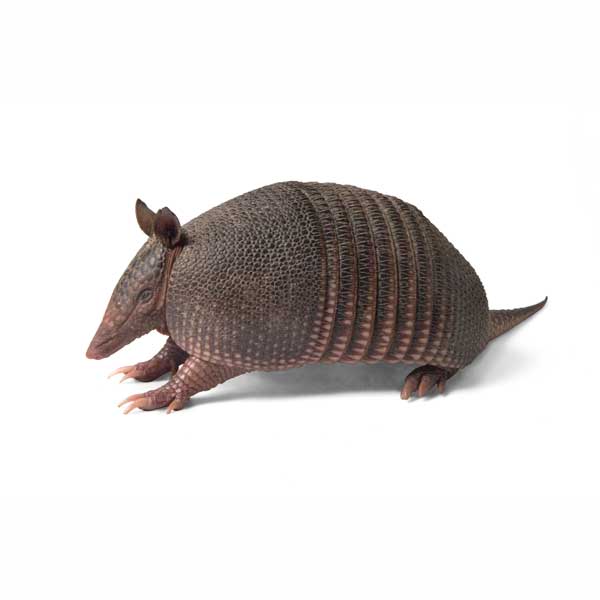
The sight of an armadillo, with its distinctive bony shell and peculiar gait, often evokes a sense of surprise and wonder, particularly for those unfamiliar with these creatures. In Florida, this encounter is far from rare. They are robust, adaptable animals that have successfully integrated into various environments across the state, becoming a common, if sometimes elusive, sight. Their unique appearance makes them instantly recognizable, setting them apart from other local fauna. For tourists, knowing about their presence means preparing for potential sightings and understanding how to safely appreciate these remarkable animals from a distance.
A Brief History of Armadillo Migration to the Sunshine State
The armadillo’s journey to Florida is a fascinating tale of natural expansion. The species most commonly found here, the Nine-Banded Armadillo (Dasypus novemcinctus), is not native to Florida in the same way as alligators or manatees. Their origins trace back to South America, from where they gradually expanded northward into Central America and Mexico. It wasn’t until the late 19th and early 20th centuries that they began to significantly colonize the southern United States. Historical records suggest their presence in Texas by the mid-1800s, followed by Louisiana and subsequently spreading eastward. The exact pathway to Florida is thought to involve both natural migration across the Gulf Coast states and, interestingly, a few accidental or deliberate introductions. Some accounts suggest that individuals escaped from zoos or were released by people who attempted to raise them as pets, contributing to their establishment in the state around the 1920s and 1930s. Since then, their population has steadily grown and expanded throughout the peninsula, adapting remarkably well to the diverse Floridian climate and habitats. This historical context highlights their resilience and ability to thrive in new environments, making them a testament to ecological adaptability.
Where to Spot Them: Habitats and Behaviors
Armadillos are incredibly adaptable, which is a key factor in their widespread success across Florida. While they prefer areas with soft soil for digging, they can be found in a variety of habitats, including forests, grasslands, scrublands, swamps, and even suburban gardens and parks. They are particularly drawn to areas with dense undergrowth that offers cover, alongside a plentiful supply of insects, their primary food source. Tourists visiting natural parks, state forests, or even staying in accommodations with expansive, undeveloped grounds might have a good chance of spotting an armadillo.
Observing an armadillo often requires a bit of patience and an understanding of their typical behavior. These creatures are primarily nocturnal, meaning they are most active from dusk till dawn. This behavior helps them avoid the intense heat of the Florida daytime and reduces their risk of predation. During the cooler months, however, it’s not uncommon to see them foraging during the day, especially early mornings or late afternoons. Their method of foraging is quite distinct: they use their powerful claws and keen sense of smell to dig shallow holes in the ground, searching for grubs, insects, and worms. When startled, an armadillo might jump surprisingly high, a defensive mechanism to avoid predators, or retreat quickly into dense brush or a burrow. For tourists, an evening stroll near wooded areas or a quiet morning in a park might offer the best opportunity for a memorable sighting.
Their Role in the Local Environment
While sometimes considered a nuisance by homeowners due to their digging habits, armadillos play a significant ecological role in Florida’s ecosystem. As insectivores, they consume a vast quantity of invertebrates, including beetles, grubs, ants, and termites, which can be beneficial in controlling pest populations. Their constant digging also contributes to soil aeration, a natural process that can help improve soil quality and plant growth. Furthermore, their abandoned burrows provide shelter for a variety of other small animals, including snakes, tortoises, skunks, and opossums, making them “ecosystem engineers” in a subtle way. Understanding this role helps to appreciate armadillos not just as curious animals, but as functional components of the state’s natural balance.
What Tourists Should Know About Armadillos
For visitors to Florida, encountering local wildlife is often a highlight of their trip. Armadillos, with their exotic appearance, certainly fall into this category. However, like all wild animals, they should be observed with respect and caution. Responsible tourism practices ensure both visitor safety and the well-being of the animals.
Encountering Armadillos Safely in Florida
The key to a safe and enjoyable wildlife encounter is maintaining a respectful distance. Armadillos are generally shy and non-aggressive animals. If you spot one, the best approach is to observe it quietly from afar. Avoid attempting to touch, feed, or approach them closely, as this can stress the animal or provoke a defensive reaction. While armadillos are not inherently dangerous, they are wild animals and can carry diseases, including leprosy (Hansen’s disease), although the risk of transmission to humans is extremely low and typically requires prolonged, direct contact with an infected animal. Nonetheless, it’s always prudent to practice good hygiene, especially if you have been in an area where armadillos are present. Ensure children are supervised and understand the importance of not chasing or cornering these animals. Capturing or disturbing wildlife is often illegal and harmful, so always adhere to local regulations regarding wildlife interaction in parks and protected areas.
Armadillos and Urban/Suburban Tourism
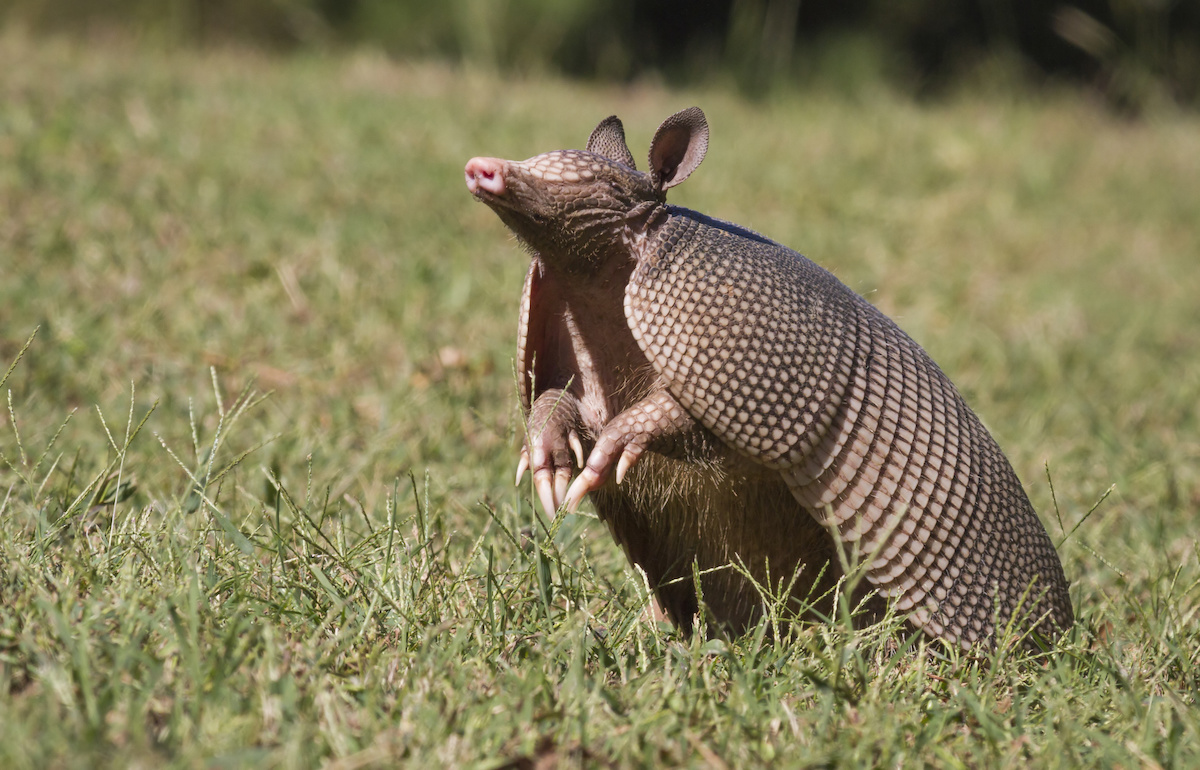
One of the most surprising aspects of armadillos for many tourists is their adaptability to human-modified landscapes. Unlike many wild species that retreat from urban development, armadillos have learned to coexist, often thriving in suburban environments. They can be found foraging on golf courses, in city parks, along residential streets, and even in the meticulously landscaped grounds of resorts and hotels, particularly those adjacent to natural areas. This means that a wildlife sighting might not require a deep trek into a nature preserve; an armadillo could unexpectedly cross your path during an evening stroll within a resort property or a quiet morning walk around a residential area. This urban adaptability makes them a unique part of the everyday Florida experience, adding an element of natural discovery to even the most developed tourist zones.
The Nine-Banded Armadillo: Florida’s Primary Resident
When discussing armadillos in Florida, it is almost exclusively the Nine-Banded Armadillo (Dasypus novemcinctus) that is being referred to. This species is easily identifiable by its bony carapace, which consists of a rigid shield over the shoulders and hips, separated by nine (though the number can vary slightly) movable bands across its back, allowing for flexibility. They typically weigh between 8 and 17 pounds and are about 15 to 25 inches long, including their tail. Their diet consists primarily of insects and other invertebrates, which they detect with their acute sense of smell and extract with their long, sticky tongues after digging. Understanding the specific characteristics of the Nine-Banded Armadillo helps tourists better appreciate what they might observe and distinguishes them from other less common or non-existent armadillo species in the region.
Debunking Myths and Understanding Their Impact
Armadillos, like many wild animals that interact with human populations, are often the subject of various myths and misconceptions. For tourists, having accurate information is crucial for informed and respectful interaction with local wildlife.
Common Misconceptions About Armadillos
One common myth is that armadillos roll into a ball like a pangolin or certain armadillo species from South America as a primary defense mechanism. While some species, like the three-banded armadillo, can fully enclose themselves, the Nine-Banded Armadillo found in Florida cannot. Instead, their defense typically involves a sudden leap, a quick dash into a burrow or dense cover, or flattening themselves to the ground. Another misconception revolves around their perceived aggression; armadillos are generally timid and prefer to flee rather than confront. They are not known to attack humans or pets unless severely provoked or cornered. Furthermore, while the link between armadillos and leprosy is scientifically established, the risk to the general public, particularly tourists, is extremely low. The vast majority of people exposed to the bacteria do not develop the disease, and transmission typically requires prolonged and intimate contact. Casual observation from a distance poses virtually no risk.
Armadillos and Local Property: A Tourist’s Perspective
For tourists staying in private rentals, vacation homes, or resorts with extensive landscaping, it’s possible to witness the impact of armadillo foraging firsthand. Their characteristic small, cone-shaped holes and overturned sod are tell-tale signs of their nocturnal insect hunts. While this can be a nuisance for property owners striving for pristine lawns, from a tourist’s perspective, it offers an interesting glimpse into the natural behaviors of these creatures. Rather than viewing it as destruction, it can be seen as evidence of an active and thriving local ecosystem. Understanding that these are natural behaviors helps set expectations and adds to the educational aspect of wildlife observation during a Florida vacation. Guests in resorts might notice these signs, especially on golf courses or large garden areas, and it can become a conversation starter about local fauna.
Armadillos as Part of Florida’s Unique Charm
Beyond their ecological roles and peculiar behaviors, armadillos contribute to the overall unique character and charm of Florida as a travel destination. They represent the unexpected, the slightly wild, and the constantly evolving nature of the state’s environment.
Wildlife Watching Opportunities
For tourists, the possibility of spotting an armadillo adds an exciting and memorable dimension to their Florida trip. Unlike highly sought-after but often elusive animals like panthers or bears, armadillos are relatively common and, if one is patient and quiet, can be observed with greater ease. They offer an accessible wildlife watching experience, whether it’s during a peaceful walk through a state park, a bike ride along a nature trail, or even from the patio of a vacation rental. Capturing a photograph or simply watching an armadillo diligently foraging is a unique experience that many visitors cherish, making it a story to tell upon returning home. It underscores Florida’s reputation not just for beaches and theme parks, but for its rich and diverse natural heritage.
Contributing to Florida’s Biodiversity
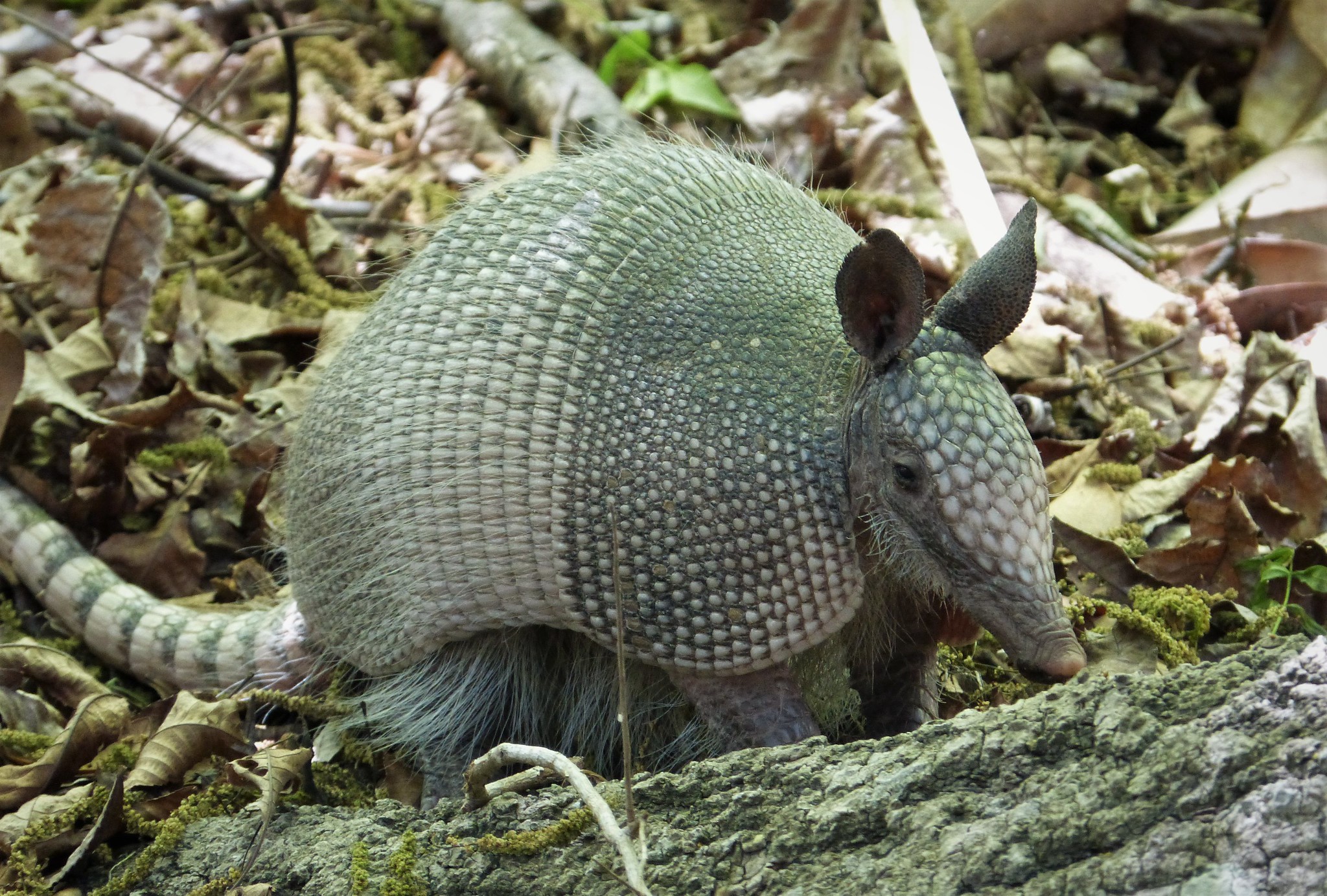
The presence of armadillos underscores the dynamic nature of Florida’s biodiversity. As an introduced species that has successfully integrated into the existing ecosystem, they highlight the adaptability of wildlife and the ever-changing face of natural environments. They are a living example of how new species can find a niche and contribute to the ecological richness of a region. For eco-tourists and nature enthusiasts, understanding the story of the armadillo in Florida adds a layer of depth to their appreciation of the state’s environmental complexity, showcasing that wildlife extends beyond the iconic and expected. They are a quirky, fascinating part of what makes Florida a truly special and endlessly interesting place to visit.
In conclusion, armadillos do indeed live in Florida, and they are a surprisingly common and captivating element of the state’s natural landscape. For any tourist, from the casual sightseer to the dedicated nature enthusiast, understanding and respectfully observing these unique creatures can enrich their travel experience significantly. Their presence speaks volumes about Florida’s diverse ecosystems and the constant interplay between wildlife and environment, offering a distinctive glimpse into the wild heart of the Sunshine State. So, as you plan your next Florida adventure, keep an eye out – you might just spot one of these endearing armored residents diligently going about its nocturnal business, adding an unexpected, memorable chapter to your travelogue.
LifeOutOfTheBox is a participant in the Amazon Services LLC Associates Program, an affiliate advertising program designed to provide a means for sites to earn advertising fees by advertising and linking to Amazon.com. Amazon, the Amazon logo, AmazonSupply, and the AmazonSupply logo are trademarks of Amazon.com, Inc. or its affiliates. As an Amazon Associate we earn affiliate commissions from qualifying purchases.