
Embarking on a new professional venture can significantly shape one’s lifestyle, offering avenues for flexibility, supplemental income, or enhanced career prospects. For many residents of Texas, becoming a Notary Public presents just such an opportunity. More than just a bureaucratic title, obtaining a notary license in the Lone Star State can unlock a lifestyle of service, entrepreneurial potential, and deepened engagement with both the business and personal spheres. This comprehensive guide delves into the process, illuminating each step to help you seamlessly integrate this valuable credential into your professional repertoire and daily life.
Understanding the Notary Public Role in Your Lifestyle
Before diving into the procedural specifics, it’s crucial to grasp the essence of what a Notary Public does and how this role can truly enrich your lifestyle. This isn’t just about stamping documents; it’s about providing a vital service that underpins countless legal and business transactions, allowing you to become an indispensable resource in your community.
What Does a Notary Public Do?
At its core, a Notary Public is an impartial witness to the signing of important documents and acts as an official who can administer oaths and affirmations. Their primary duty is to prevent fraud and ensure the integrity of the document signing process. This involves verifying the identity of the signers, ensuring they are acting willingly, and observing the act of signing. From real estate transactions and financial agreements to power-of-attorney documents and affidavits, the need for notarization is widespread.
For an individual seeking a more dynamic lifestyle, the role of a Notary Public offers considerable scope. You might assist fellow residents with their personal legal paperwork, support local businesses with contract signings, or even play a part in significant real estate dealings that shape the growth of Texas communities. This diversity means no two days are quite the same, a compelling draw for those who value variety in their professional life. The trust placed in a notary also cultivates a sense of responsibility and professionalism, traits that resonate deeply with a committed and ethical lifestyle.
The Lifestyle Benefits of Becoming a Notary
The tangible benefits of holding a notary commission extend far beyond the intrinsic satisfaction of public service. From a lifestyle perspective, becoming a Notary Public in Texas offers several compelling advantages:
- Flexibility and Autonomy: One of the most attractive lifestyle benefits is the potential for flexible work hours. As a Notary Public, you can often set your own schedule, especially if you operate as a mobile notary or integrate notary services into an existing business. This flexibility is invaluable for those balancing family commitments, pursuing higher education, or simply seeking a work-life balance that traditional employment might not offer.
- Supplemental Income: For many, a notary commission serves as an excellent source of supplemental income. Whether it’s a few notarizations a week or a dedicated mobile notary business, the fees charged for services can add a meaningful boost to your financial lifestyle. This can contribute to saving for travel, investing in hobbies, or simply providing a greater sense of financial security.
- Professional Development: Holding a notary commission adds a distinct credential to your resume, showcasing attention to detail, integrity, and a commitment to public service. For professionals in fields like real estate, law, finance, or administrative support, being a notary is often a highly valued skill that can enhance career progression and open new opportunities within a corporate or entrepreneurial lifestyle.
- Community Engagement: As a Notary Public, you become an accessible resource within your local community. You might assist neighbors, local organizations, or small businesses, fostering connections and reinforcing your role as a contributing member of society. This active engagement can be deeply rewarding, shaping a lifestyle rooted in community contribution.
- Low Barrier to Entry: Compared to many other professional licenses, the requirements and costs associated with becoming a notary in Texas are relatively low, making it an accessible option for many who are looking to pivot their lifestyle or add a new dimension to their professional identity.
Eligibility and Core Requirements for Your Texas Notary Journey
To embark on this rewarding professional journey and integrate the notary role into your lifestyle, there are specific eligibility criteria and core requirements mandated by the state of Texas. Understanding these prerequisites is the first practical step towards acquiring your commission.
Basic Qualifications
The Texas Secretary of State outlines clear qualifications for all notary applicants. These are designed to ensure that those entrusted with this public duty possess the necessary legal standing and trustworthiness. To qualify, you must:
- Be 18 years of age or older: This is a fundamental legal requirement for entering into most professional roles.
- Be a resident of the State of Texas: Your primary domicile must be within Texas. This ensures that you are familiar with state laws and are accessible for public service within the jurisdiction.
- Not have been convicted of a felony or a crime involving moral turpitude: This is a critical aspect, emphasizing the need for unimpeachable integrity in a Notary Public. A conviction for a felony, or a crime involving “moral turpitude” (a legal term generally referring to acts of baseness, vileness, or depravity contrary to accepted community standards of morality), will generally disqualify an applicant. The Texas Secretary of State may consider certain cases on an individual basis, but maintaining a clean criminal record is paramount for anyone aspiring to this role. This requirement underscores the trust placed in a notary, a core principle for a responsible professional lifestyle.
- Not have had a notary commission revoked in Texas within the last 10 years: If you previously held a commission that was revoked, you must wait a decade before reapplying. This ensures accountability for past conduct.
Meeting these basic qualifications is the bedrock upon which your notary lifestyle journey begins.
The Application Process Overview
Once you’ve confirmed your eligibility, the path to becoming a Notary Public in Texas follows a structured application process. While seemingly administrative, each step is a crucial building block towards establishing your professional credibility and readiness to serve. The overview typically involves:
- Completing the Application: Filling out the official form provided by the Texas Secretary of State.
- Obtaining a Notary Bond: Securing a surety bond, which is a financial guarantee.
- Submitting to the State: Sending your completed application and bond to the appropriate state office.
- Receiving Your Commission: Awaiting approval and the official certificate.
- Acquiring Notary Supplies: Purchasing your seal and record book.
This structured approach, though requiring diligence, is straightforward and designed to ensure only qualified individuals assume the significant responsibilities of a Notary Public, allowing you to confidently integrate this role into your lifestyle.
Navigating the Application and Commissioning Process
Successfully acquiring your notary license in Texas hinges on carefully navigating the application and commissioning process. Each step, though seemingly minor, contributes to the overall integrity and speed of your journey towards a new professional lifestyle.
Completing the Application Form
The official application form for a Notary Public commission can be obtained directly from the Texas Secretary of State’s website. It is imperative to complete this form with meticulous accuracy. Any discrepancies or omissions could lead to delays or even rejection.
Key sections of the application typically include:

- Personal Information: Your full legal name, date of birth, residential address, and contact details. Ensure this matches your official identification.
- Eligibility Affirmations: Certifications that you meet the age, residency, and criminal record requirements. You will sign an affirmation attesting to the truthfulness of these statements.
- Bond Information: Details regarding your notary bond, which must be secured before submitting the application.
Reviewing the completed form multiple times before submission is a best practice. This attention to detail is not just a procedural necessity but also reflects the precision and care expected of a Notary Public, laying a strong foundation for your professional lifestyle.
Securing Your Notary Bond
A crucial component of the Texas notary application is the requirement for a four-year, $10,000 surety bond. This bond is not insurance for the notary, but rather a financial guarantee to protect the public against any financial harm resulting from the notary’s official misconduct or errors. Should a notary act negligently or fraudulently, causing financial damage to a client, the bond serves as a recourse for the aggrieved party.
You can obtain a notary bond from various surety companies, insurance agencies, or through specialized notary supply vendors. The cost of the bond is typically quite affordable, usually ranging from $50 to $100 for the four-year term. When purchasing your bond, ensure it explicitly states that it is for a Notary Public commission in Texas and names the correct obligee (the Texas Secretary of State).
Securing this bond offers a certain peace of mind, not just for the public you serve, but also for your own professional lifestyle, knowing you are properly secured against unforeseen liabilities related to your official duties.
Submitting Your Application
Once your application form is accurately completed and you have secured your notary bond, the next step is to submit these documents to the Texas Secretary of State. The submission typically involves mailing the original signed application, along with the original surety bond and the required filing fee, to the Notary Public Unit.
The filing fee is generally modest, usually around $21, and must be paid by check or money order made payable to the Texas Secretary of State. It’s always advisable to double-check the current fee on the Secretary of State’s website before mailing your application, as fees can occasionally change.
Mailing your application via certified mail with a return receipt requested is a prudent choice. This provides proof of mailing and confirmation of delivery, offering security during this final administrative hurdle. The processing time can vary, but typically, you can expect to hear back within a few weeks. Patience and diligence at this stage will soon culminate in the official start of your notary lifestyle.
Post-Approval: Launching Your Notary Lifestyle
Congratulations! Once your application is approved, you’re on the cusp of fully launching your notary lifestyle. There are a few final steps and important considerations to ensure you operate effectively and ethically, maximizing the positive impact of your new role.
Receiving Your Commission Certificate
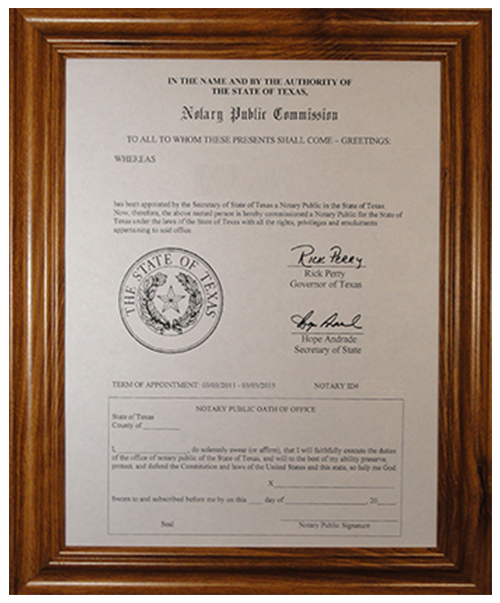
Upon approval, the Texas Secretary of State will mail your official Notary Public Commission Certificate. This document is proof of your authorization to perform notarial acts and should be kept in a safe, accessible place. It typically includes your name, the county of appointment, your commission number, and the start and end dates of your four-year term.
This certificate is more than just a piece of paper; it’s your official license to serve and the tangible manifestation of your successful application. It marks the official commencement of your journey as a trusted public servant, ready to integrate notarial services into your professional and personal lifestyle.
Obtaining Your Notary Seal and Record Book
With your commission in hand, your next essential step is to acquire your official notary seal and a notary record book (journal). These are fundamental tools for every Texas Notary Public.
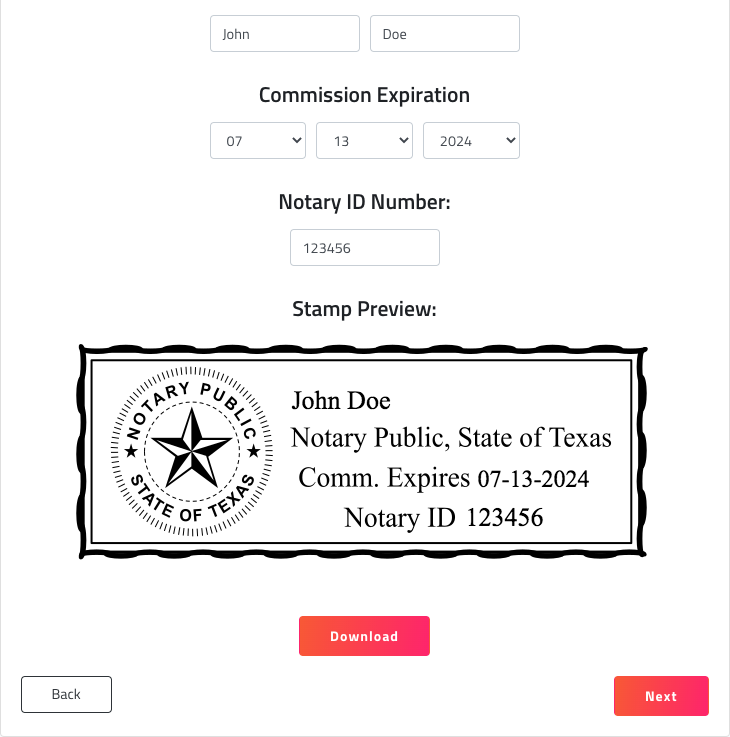
- Notary Seal: Texas law mandates that your official seal be an embosser or a rubber stamp. It must include:
- The words “Notary Public, State of Texas”
- Your name as commissioned
- Your notary identification number
- The date your commission expires
The seal ensures the authenticity and integrity of every document you notarize. You can purchase compliant seals from various notary supply vendors.
- Notary Record Book (Journal): Texas law requires notaries to maintain a record book of all notarial acts performed. This journal serves as a detailed ledger, documenting each notarization, including:
- The date and time of the act
- A description of the document
- The name and signature of the signer
- The method of identification used
- The fee charged (if any)
Maintaining a meticulous record book is crucial for protecting yourself and the public, providing a clear audit trail. It’s a testament to the professional and organized lifestyle expected of a Notary Public.
Understanding Your Responsibilities and Best Practices
Becoming a Notary Public in Texas comes with significant responsibilities. A truly insightful and professional lifestyle demands that you understand and adhere to the legal framework governing your role.
- Impartiality: Always act as an impartial witness. You cannot notarize documents in which you have a direct beneficial interest.
- Identification: Properly identify signers using acceptable forms of identification (e.g., Texas driver’s license, passport).
- Awareness: Ensure the signer appears willing and aware of what they are signing. You cannot provide legal advice or prepare documents.
- Record Keeping: Diligently record every notarial act in your journal.
- Security: Keep your seal and record book secure to prevent unauthorized use.
Consider taking an optional notary education course to deepen your understanding of Texas notary laws and best practices. Adhering to these principles ensures you maintain your integrity and contribute positively to your professional lifestyle and the community.
Leveraging Your Notary Status
With your commission secured and your tools in hand, you are now fully equipped to leverage your Notary Public status to enhance your lifestyle.
- Mobile Notary Services: Consider offering mobile notary services, traveling to clients at their homes, offices, or other convenient locations. This entrepreneurial path offers maximum flexibility and the potential for a higher income, directly shaping a dynamic, on-the-go lifestyle.
- Integrate with Existing Business: If you own a small business or work in an office setting, offering notary services can be a valuable add-on for clients or colleagues, streamlining operations and adding a new dimension to your professional offerings.
- Community Service: Volunteer your services to local non-profits, schools, or senior centers, enriching your lifestyle through civic engagement and support.
- Networking: Connect with other notaries, legal professionals, and real estate agents. Networking can lead to referrals and expand your professional circle, fostering a more connected and opportunity-rich lifestyle.
The path to becoming a Notary Public in Texas is a clear, achievable one. It’s an investment in your personal and professional development, offering a unique blend of responsibility, flexibility, and community engagement. By following these steps, you can confidently acquire your commission and launch a rewarding chapter in your lifestyle journey.
LifeOutOfTheBox is a participant in the Amazon Services LLC Associates Program, an affiliate advertising program designed to provide a means for sites to earn advertising fees by advertising and linking to Amazon.com. Amazon, the Amazon logo, AmazonSupply, and the AmazonSupply logo are trademarks of Amazon.com, Inc. or its affiliates. As an Amazon Associate we earn affiliate commissions from qualifying purchases.