
Embarking on a fishing adventure in the Sunshine State is a dream for many anglers, whether you’re a seasoned pro or trying your hand at the sport for the first time. With its pristine freshwater lakes, winding rivers, and vast saltwater coastlines stretching along the Atlantic Ocean and Gulf of Mexico, Florida offers an unparalleled diversity of fishing experiences. From the thrilling pursuit of tarpon in the Florida Keys to the serene hunt for largemouth bass in Lake Okeechobee, the opportunities are endless. However, before you cast your line into these abundant waters, a crucial question arises: “Do I need a fishing licence in Florida?” The simple answer for most individuals is yes, but the specifics can be intricate. Understanding the regulations is not just about compliance; it’s about preserving Florida’s natural beauty and ensuring sustainable fishing for generations to come. This comprehensive guide will navigate the nuances of Florida’s fishing licence requirements, exemptions, and crucial regulations, ensuring your angling experience is both enjoyable and lawful.
The Basics of Fishing Licences in Florida
Understanding who needs a licence and what type to acquire is the first step towards a legal and enjoyable fishing trip in Florida. The state’s fishing regulations are designed to manage its rich aquatic resources effectively.
Who Needs a Licence?
Generally, anyone aged 16 or older wishing to fish in Florida must possess a valid fishing licence. This applies to both residents and non-residents, though the fees and licence options may differ.
- Residents: Individuals who have resided in Florida for six continuous months prior to applying for a licence and who claim Florida as their primary state of residence are considered residents. They typically benefit from lower licence fees.
- Non-residents: Visitors to Florida who do not meet the residency criteria must purchase non-resident licences.
- Age Exemptions: Children under 16 years of age are not required to have a fishing licence in Florida. Additionally, Florida residents who are 65 years of age or older and possess a valid Florida ID or driver’s licence are exempt from needing a recreational fishing licence. They may, however, still need to obtain a free “Resident 65+ Hunting and Fishing Certificate” from the Florida Fish and Wildlife Conservation Commission (FWC).
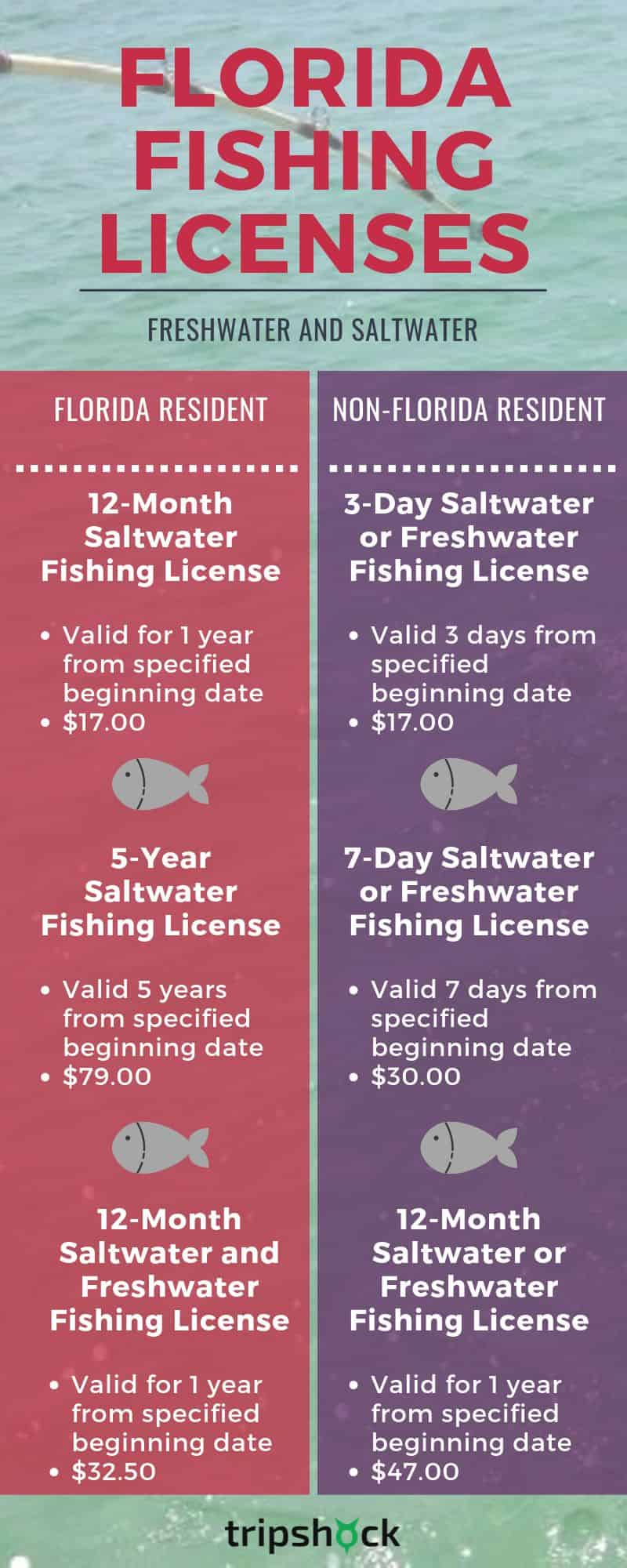
Types of Licences Available
Florida offers a variety of fishing licences tailored to different needs and fishing environments. It’s crucial to select the correct type based on where and what you plan to fish.
- Freshwater Fishing Licence: Required for fishing in inland waters, including lakes, rivers, and ponds. This covers popular species like largemouth bass, crappie, and various panfish.
- Saltwater Fishing Licence: Necessary for fishing in the state’s marine waters, encompassing coastal areas, estuaries, and the open ocean. This licence allows you to pursue species such as snook, redfish, trout, and many offshore game fish.
- Freshwater/Saltwater Combination Licence: For those who plan to fish in both environments, a combo licence offers convenience and often cost savings compared to purchasing two separate licences.
- Shoreline Saltwater Fishing Licence: A free licence available to Florida residents that allows them to fish for saltwater species from shore or from a structure attached to the shore (e.g., a pier). This licence does not cover fishing from a boat or any vessel.
- Short-Term Licences: Non-residents often opt for short-term licences (e.g., 3-day, 7-day) that cater to their vacation schedules, providing flexibility for shorter trips.
- Special Permits/Stamps: In addition to a basic licence, certain species or activities may require additional permits or stamps, such as a Snook Permit or Lobster Permit. Always check current regulations before targeting specific species.
Where to Purchase Your Licence
Obtaining a fishing licence in Florida is a straightforward process, with several convenient options available.
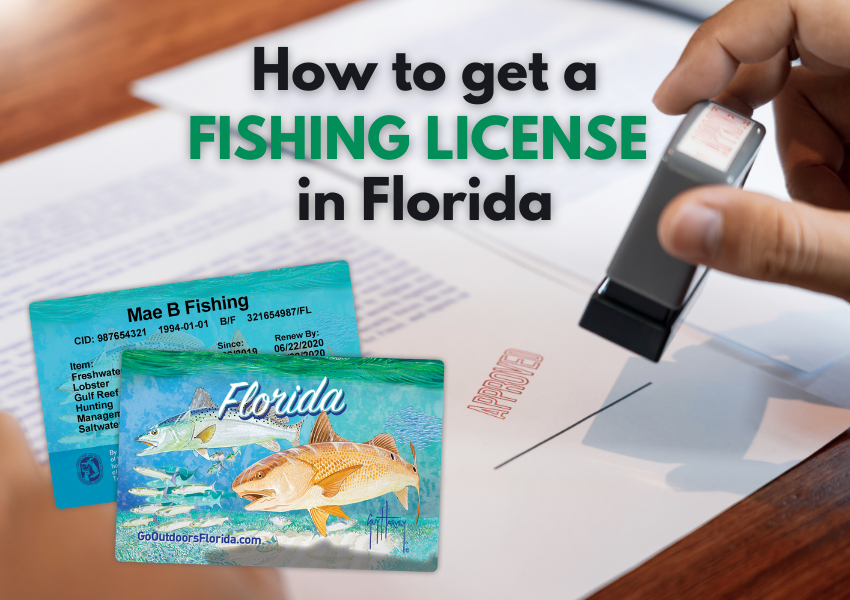
- Online: The most common and easiest method is to purchase your licence directly through the official FWC website. This allows you to print a temporary licence immediately and have a permanent one mailed to you.
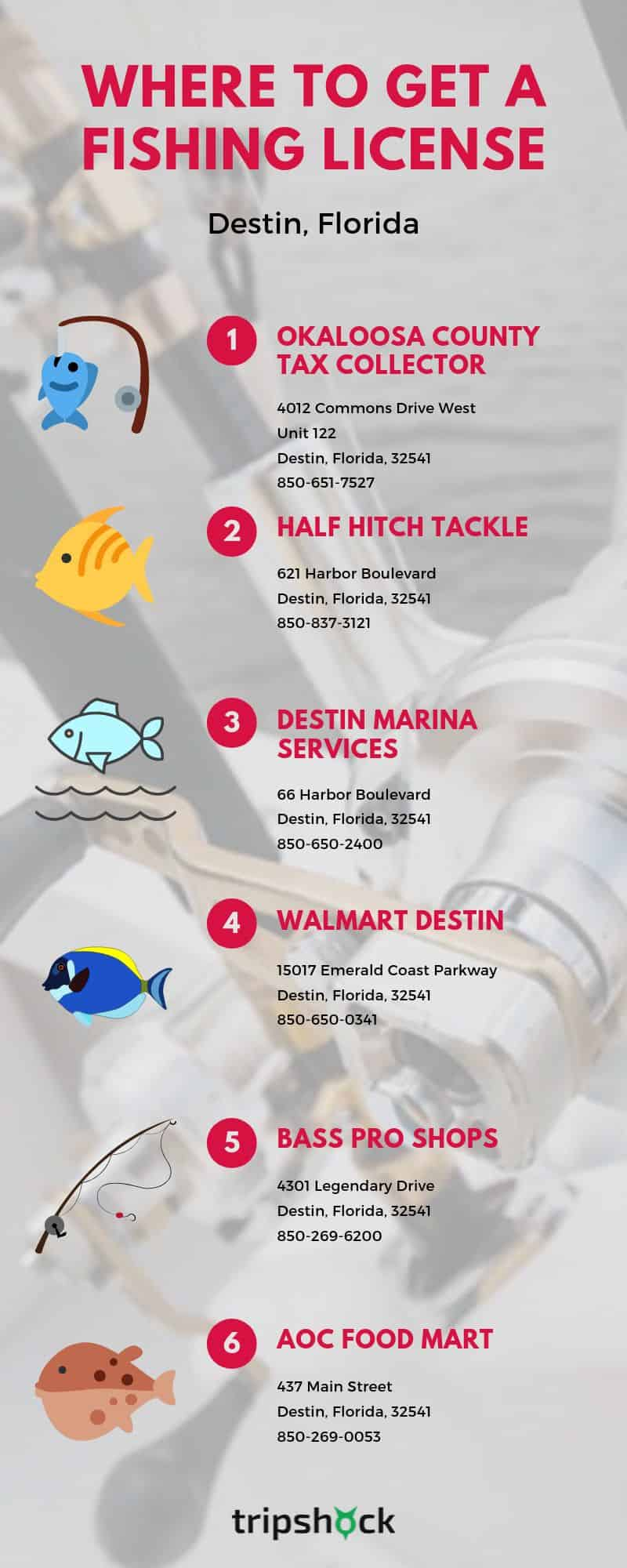
- In Person: Licences can be purchased at various retail locations throughout Florida, including most bait and tackle shops, sporting goods stores (like Bass Pro Shops or Academy Sports + Outdoors), and county tax collector’s offices.
- By Phone: You can also purchase a licence over the phone by calling the FWC customer service line.
Regardless of how you purchase it, always carry proof of your valid fishing licence when engaging in fishing activities. Digital copies on your phone are often accepted, but a physical printout provides peace of mind.
Exemptions and Special Circumstances
While most anglers require a licence, Florida law provides several exemptions and special circumstances where a licence might not be necessary. Understanding these can save you time and money.
Charter Boats and For-Hire Vessels
One of the most common exemptions for saltwater fishing involves licensed charter boats and for-hire fishing guides. If you are fishing aboard a vessel that holds a valid Florida recreational fishing charter licence, you are generally not required to have your own individual saltwater fishing licence. This is because the captain’s licence covers all passengers. However, this exemption typically applies only to saltwater fishing. For freshwater guided trips, individual licences are usually still required unless otherwise specified by the guide. Always confirm with your charter captain or guide beforehand.
Fishing from Piers and Bridges
Fishing from certain piers and bridges in Florida may also come with exemptions. Many publicly owned fishing piers that charge an access fee hold a blanket pier fishing licence, which covers all individuals fishing from that structure. This means you do not need an additional individual saltwater fishing licence to fish from such a pier. However, not all piers or bridges are covered, so it’s always wise to check with the pier management or local authorities before you cast your line. If a pier does not have a blanket licence, or if you’re fishing from an unregulated bridge or jetty, you will need your own valid saltwater fishing licence. Remember, the free “Shoreline Saltwater Fishing Licence” for residents covers fishing from structures attached to the shore.
Disability and Senior Exemptions
Florida offers specific exemptions for certain populations:
- Seniors: As mentioned, Florida residents aged 65 or older are exempt from recreational fishing licence requirements. They need to carry proof of age and residency, such as a Florida driver’s licence or ID card. While no purchase is necessary, obtaining the free “Resident 65+ Hunting and Fishing Certificate” from the FWC is recommended for ease of identification.
- Disabled Individuals: Florida residents with permanent and total disabilities may be eligible for a no-cost “Resident Persons with Disabilities Hunting and Fishing Licence.” Specific criteria and documentation are required to qualify for this exemption, which can be obtained through the FWC.
Free Fishing Days
Periodically, the FWC designates “Free Fishing Days” for both freshwater and saltwater fishing. On these specified days, residents and non-residents alike can fish without a licence. These days are often scheduled a few times a year, usually to encourage participation in the sport. While no licence is required on these days, all other fishing regulations, such as bag limits, size restrictions, and gear requirements, remain in effect. It’s a fantastic opportunity to introduce newcomers to fishing or for experienced anglers to enjoy a day out without the usual administrative step. Check the FWC website for the current year’s schedule of Free Fishing Days.
Understanding Florida’s Fishing Regulations
Acquiring a licence is just one piece of the puzzle. To be a responsible and successful angler in Florida, you must also adhere to the state’s comprehensive fishing regulations. These rules are put in place to protect fish populations, maintain ecological balance, and ensure fair access for all.
Bag Limits and Size Restrictions
Bag limits dictate the maximum number of fish of a particular species an angler can keep within a 24-hour period. Size restrictions, on the other hand, specify the minimum and/or maximum length a fish must be to be legally harvested. These regulations vary significantly by species and location (e.g., Atlantic Ocean vs. Gulf of Mexico rules can differ). For example, a snook might have a specific slot limit (e.g., 28-32 inches) meaning you can only keep fish within that range, and a daily bag limit of one per person. Exceeding bag limits or keeping undersized/oversized fish can result in significant fines and penalties. Always consult the latest FWC regulations guide, especially for the specific waters you plan to fish, as these rules are subject to change based on scientific assessments and conservation needs.
Protected Species and Areas
Florida is home to many vulnerable and endangered species. It is strictly prohibited to harvest or disturb protected species, which include certain sharks, sea turtles, marine mammals, and some fish like goliath grouper. Additionally, certain areas are designated as “no-take zones” or have specific restrictions to protect critical habitats like seagrass beds, coral reefs, or spawning grounds. Fishing in these areas might be entirely prohibited, or only certain methods might be allowed. For instance, parts of Everglades National Park have unique regulations to protect its delicate ecosystem. Anglers must be aware of these protected species and areas to avoid accidental harm or legal infractions. Educational materials provided by the FWC are invaluable resources for staying informed.
Gear Restrictions and Prohibited Methods
The type of gear you can use for fishing in Florida is also regulated. For instance, cast nets are permitted for catching baitfish but may have size restrictions. Spearfishing has its own set of rules, including prohibitions in certain areas and for specific species. The use of certain types of traps or nets may be illegal for recreational anglers. Furthermore, prohibited methods, such as using explosives, poisons, or electric shocking devices, are strictly forbidden. Hook and line fishing generally requires anglers to use appropriate tackle that minimizes harm to fish, especially those intended for release. Ensuring your gear complies with Florida regulations is essential for legal and ethical fishing practices.
The Importance of Responsible Angling
Beyond legal compliance, responsible angling plays a vital role in maintaining Florida’s reputation as a world-class fishing destination. Every angler has a part to play in conservation.
Conservation and Sustainability
Purchasing a fishing licence directly contributes to the conservation efforts managed by the FWC. The revenue generated from licence sales funds critical programs such as fisheries management, habitat restoration, scientific research, law enforcement, and public access projects. These initiatives are essential for ensuring healthy fish populations, maintaining water quality, and preserving the diverse ecosystems that make fishing in Florida so special. By adhering to bag and size limits, practicing catch-and-release effectively, properly disposing of fishing line and waste, and respecting natural habitats, anglers become active participants in the sustainability of this cherished natural resource.
Penalties for Non-Compliance
The state of Florida takes its fishing regulations seriously. Fishing without a valid licence, violating bag or size limits, or using prohibited gear can result in significant penalties. These can range from monetary fines, which can be substantial, to the confiscation of fishing gear, and even criminal charges for severe or repeated offenses. Ignorance of the law is not an excuse. Enforcement officers, including FWC officers and local law enforcement, patrol both freshwater and saltwater areas to ensure compliance. A violation can quickly turn a relaxing fishing trip into a costly and unpleasant experience. Always err on the side of caution and ensure you are fully compliant before heading out.
Contributing to Florida’s Aquatic Health
Responsible angling goes beyond avoiding penalties; it’s about being an steward of the environment. Releasing fish properly, especially those out of the legal slot or protected species, ensures they have the best chance of survival. Avoiding damage to sensitive habitats like mangroves, seagrass beds, and coral reefs helps preserve nurseries for countless marine species. Participating in voluntary conservation programs, reporting illegal fishing activities, and staying informed about environmental issues are all ways anglers can contribute positively to Florida’s aquatic health. The beauty and abundance of Florida’s waters are a privilege, and protecting them is a shared responsibility.
Planning Your Florida Fishing Adventure
With your licence understood and regulations in mind, you’re ready to plan an unforgettable fishing trip to Florida. The state’s vastness offers diverse opportunities, from urban fishing to remote wilderness angling.
Popular Fishing Destinations
Florida boasts an incredible array of fishing locations, each offering unique experiences:
- Florida Keys: Renowned for saltwater flats fishing (tarpon, bonefish, permit) and offshore big game (marlin, tuna). Key West is a popular hub.
- Lake Okeechobee: The “Bass Fishing Capital of the World,” famous for giant largemouth bass.
- Everglades National Park: A unique ecosystem where you can target both freshwater (bass) and saltwater (snook, redfish) species in brackish waters.
- St. Johns River: Florida’s longest river, excellent for bass, crappie, and even some saltwater species as it approaches the coast.
- Tampa Bay Area: Offers fantastic inshore saltwater fishing for snook, redfish, and trout, as well as offshore opportunities.
- Orlando Area: While known for theme parks, the region also has numerous freshwater lakes brimming with bass.
- Miami Area: Access to incredible offshore fishing for sailfish, mahi-mahi, and wahoo, alongside inshore action.
Researching your chosen destination will help you identify the best local spots, guides, and prime fishing seasons.
Essential Gear Checklist
Beyond your licence, having the right gear is crucial. While specific tackle depends on your target species and location, some essentials include:
- Rods and Reels: Appropriate for the type of fishing (light tackle for panfish, heavy tackle for offshore).
- Line: Matching your reel and target species, with extra spools recommended.
- Hooks, Weights, and Lures/Bait: A variety to adapt to different conditions.
- Pliers/Forceps: For hook removal, essential for catch and release.
- Measuring Device: To ensure compliance with size limits.
- Cooler with Ice: For keeping your catch fresh (if allowed) and drinks cold.
- Sun Protection: Sunscreen, hat, sunglasses, and long-sleeved clothing are vital in Florida’s intense sun.
- Rain Gear: Florida weather can change quickly, especially with afternoon thunderstorms.
- First-Aid Kit: For minor injuries.
- Navigation/Communication: GPS, cell phone, or marine radio for safety.
Local Guides and Resources
For the ultimate Florida fishing experience, especially for visitors or those unfamiliar with specific waters, hiring a local fishing guide or charter service is highly recommended. Guides provide not only their expertise and knowledge of the best spots but also often supply all necessary gear and bait. They are invaluable for understanding local patterns, seasonal changes, and current regulations. Additionally, the FWC website, local bait and tackle shops, and online fishing forums are excellent resources for up-to-date information, fishing reports, and community insights.
In conclusion, the answer to “Do I need a fishing licence in Florida?” is almost certainly yes, with specific exemptions to consider. By understanding and adhering to the requirements for licences and regulations, you ensure a lawful, responsible, and ultimately more rewarding fishing experience in the beautiful waters of the Sunshine State. Happy fishing!
LifeOutOfTheBox is a participant in the Amazon Services LLC Associates Program, an affiliate advertising program designed to provide a means for sites to earn advertising fees by advertising and linking to Amazon.com. Amazon, the Amazon logo, AmazonSupply, and the AmazonSupply logo are trademarks of Amazon.com, Inc. or its affiliates. As an Amazon Associate we earn affiliate commissions from qualifying purchases.