
When planning a visit to a vibrant city like Houston, Texas, understanding the local economic landscape can offer valuable insights, especially for those considering extended stays, exploring job opportunities, or simply wanting to appreciate the cost of living. While the immediate draw of Houston often lies in its world-class attractions, diverse culinary scene, and luxurious accommodations, a foundational understanding of its minimum wage policies provides a crucial layer of context. This exploration delves into the minimum wage in Houston, Texas, examining its current status, the factors influencing it, and how it relates to the broader context of Texas and federal regulations.
Understanding the Minimum Wage in Houston, Texas
The concept of minimum wage is fundamental to labor economics, designed to ensure that workers receive a baseline compensation for their work, preventing exploitation and contributing to a fairer distribution of economic gains. In Houston, Texas, as in many other cities across the United States, the minimum wage is a dynamic figure, subject to changes based on federal, state, and sometimes local ordinances. However, a key characteristic of Texas is its approach to minimum wage laws.
Federal Minimum Wage: The Foundation
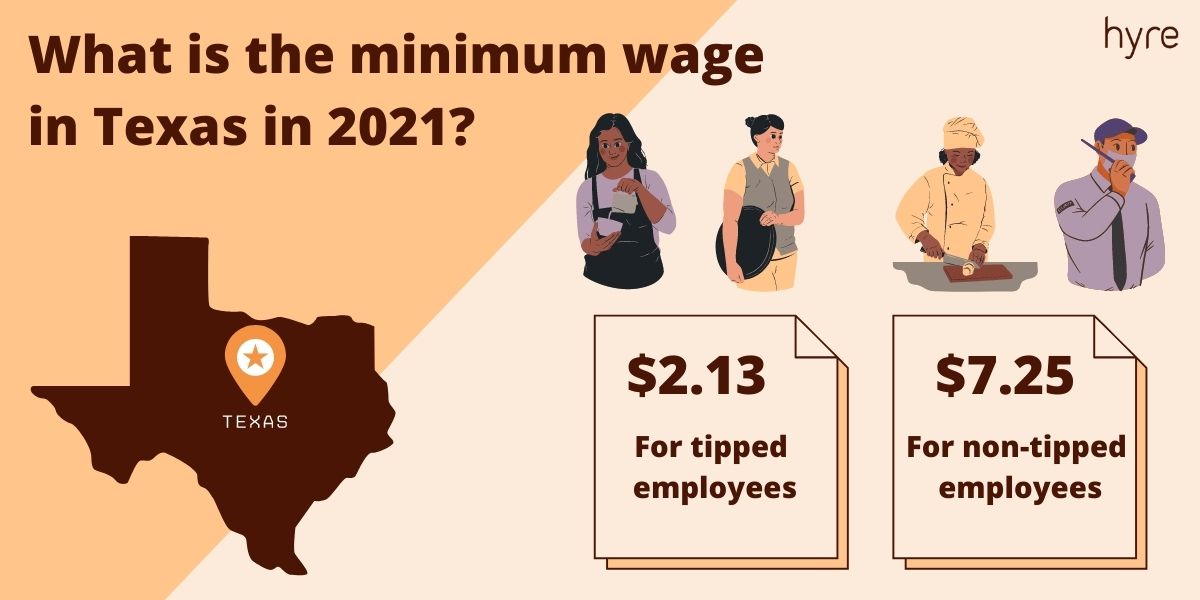
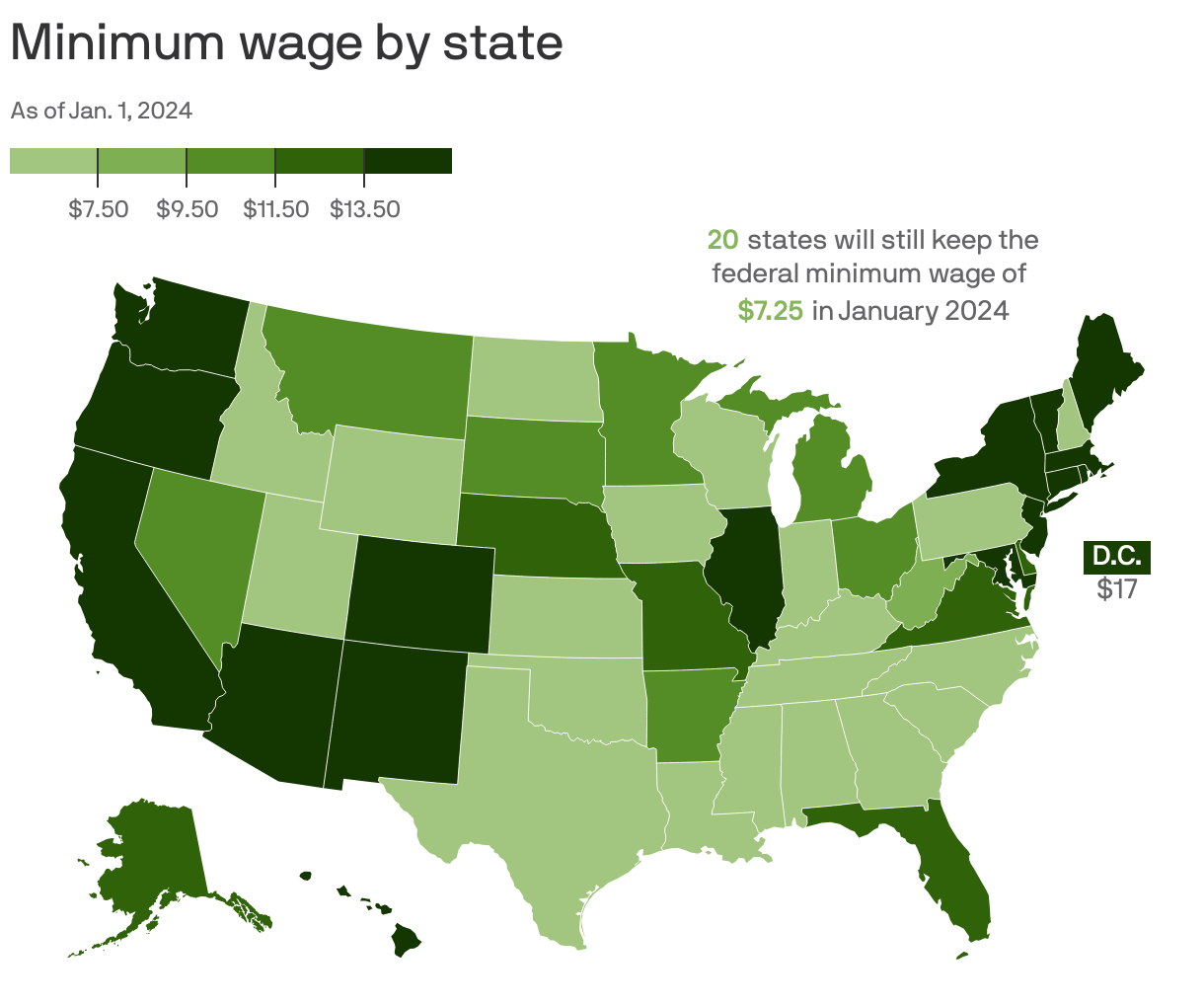
The prevailing minimum wage across the United States is set by the federal government. As of the current date, the federal minimum wage stands at $7.25 per hour. This figure has remained unchanged since 2009, a point of considerable discussion among economists and policymakers. For employers in Houston, Texas, this federal mandate forms the absolute floor for hourly wages, meaning no employer covered by the Fair Labor Standards Act (FLSA) can legally pay less than this amount, unless a higher state or local minimum wage applies.
The FLSA is the primary federal law governing minimum wage, overtime pay, recordkeeping, and child labor standards affecting full-time and part-time workers in the private sector and in federal, state, and local governments. Understanding this federal baseline is the first step in grasping the minimum wage situation in Houston.
The Texas Minimum Wage: A State of Simplicity
When it comes to state-specific minimum wage laws, Texas presents a unique scenario. Unlike many other states that have opted to establish their own minimum wage rates that are higher than the federal standard, Texas has largely deferred to the federal minimum wage. This means that, in the absence of a specific local ordinance, the minimum wage in Texas, including in Houston, is the federal rate of $7.25 per hour. This simplification in state law means that employers operating within Texas are generally bound by the federal minimum wage unless specific local legislation dictates otherwise.
This approach by Texas has implications for workers and businesses alike. For workers, it means that their earning potential at the minimum wage level is directly tied to federal decisions. For businesses, it offers a degree of predictability in labor costs at the state level, though they must remain vigilant about any potential local changes.
Houston’s Minimum Wage: A Look at Local Influence
The question of “What is Houston, Texas minimum wage?” often leads to a more nuanced answer than a single, city-specific number. This is because, while Texas does not have its own state minimum wage higher than the federal level, cities within Texas do have the potential to enact local minimum wage ordinances. However, Texas state law presents a significant hurdle to such local initiatives.
Under Texas law, municipalities and other local government entities are generally prohibited from establishing minimum wage rates that exceed the federal minimum wage. This preemption by the state effectively means that Houston, despite its size and economic dynamism, cannot independently set a minimum wage higher than the $7.25 per hour federal standard. This is a crucial distinction for anyone researching labor costs or worker compensation in Houston. Therefore, for the vast majority of employers in Houston, Texas, the applicable minimum wage remains the federal minimum of $7.25 per hour.
It is important to note that this situation is subject to legal challenges and potential legislative changes. However, as of the current understanding of Texas law, local governments are restricted from mandating a higher minimum wage. This means that while Houston is a hub for tourism, fine dining at establishments like Steak 48 or exploring attractions like the Space Center Houston, the baseline wage for many service industry jobs, a significant sector within these industries, is determined by federal policy.
Factors Influencing Minimum Wage Discussions and Worker Compensation
While Houston adheres to the federal minimum wage, the broader discussions surrounding minimum wage, living wage, and worker compensation are multifaceted and continue to be a significant topic of interest. These discussions are often fueled by the cost of living in major metropolitan areas, the perceived adequacy of the current minimum wage to support a basic lifestyle, and the economic impact of wage adjustments.
The Cost of Living in Houston
Houston, Texas, is a large and diverse city, offering a wide range of lifestyle options, from budget-friendly apartments to luxurious villas and resorts. However, like most major urban centers, the cost of living can be substantial, particularly in desirable neighborhoods or when considering amenities offered by hotels like the Post Oak Hotel at Uptown Houston or Marriott Marquis Houston.
The federal minimum wage of $7.25 per hour, when applied to the cost of housing, transportation, food, and other necessities in a city like Houston, can present challenges for individuals earning at that rate. A full-time worker earning $7.25 per hour would make approximately $15,080 annually before taxes. In a city where rent for a one-bedroom apartment can range from $1,000 to $1,800 or more per month, depending on the location and amenities, this wage can make it difficult to cover basic living expenses without additional support or multiple income sources.
This disparity between the minimum wage and the cost of living often leads to calls for increasing the minimum wage, either at the federal or state level, or finding ways to support workers through other economic policies. The Houston real estate market, from downtown apartments to suburban homes, reflects the broader economic forces at play, and the minimum wage is a critical factor in how accessible these options are to low-wage earners.
Minimum Wage vs. Living Wage
It is essential to differentiate between the minimum wage and a “living wage.” The minimum wage is a legally mandated floor set by government. A living wage, on the other hand, is an economic concept that refers to the income necessary for a worker to meet their basic needs, including housing, food, healthcare, transportation, and other essentials, without needing public assistance.
Several organizations and researchers calculate living wage estimates for different cities and regions. These estimates are often significantly higher than the federal minimum wage. For Houston, a living wage calculation would likely reflect the city’s robust economy, its extensive public transportation network, and the costs associated with enjoying its rich cultural landscape, from the Museum District to the performing arts venues.
The ongoing dialogue in Texas, and by extension in Houston, often involves advocates arguing that the current minimum wage is insufficient to provide a living wage, while opponents raise concerns about potential negative impacts on employment levels and business costs. This debate is a recurring theme in national and local economic policy discussions.
Economic Impact and Policy Debates
The potential economic impacts of raising the minimum wage are a subject of extensive debate among economists. Proponents often argue that an increased minimum wage can boost consumer spending, reduce poverty and income inequality, and decrease employee turnover, leading to a more stable workforce. They might point to the success of certain businesses that have voluntarily raised wages, noting positive impacts on employee morale and productivity. For instance, some of the upscale restaurants or boutique hotels in areas like the Galleria might offer wages above the minimum to attract and retain skilled staff.
Conversely, opponents often express concerns that a significant increase in the minimum wage could lead to job losses as businesses, particularly small businesses or those in low-margin industries, struggle to absorb the higher labor costs. They might argue that it could lead to price increases for consumers, reduced hours for existing employees, or a slower pace of hiring. These arguments are frequently heard in discussions about the economic health of cities like Houston, which rely heavily on sectors with a significant number of entry-level or service positions.
The absence of a higher state minimum wage in Texas means that the debate in Houston often centers on advocating for federal action or exploring alternative local economic development strategies that can support workers without directly contravening state law. Understanding the minimum wage in Houston is therefore not just about a number, but about the complex interplay of federal, state, and local policies, economic realities, and ongoing societal discussions about fairness and opportunity.
Beyond the Minimum Wage: Exploring Houston’s Economic Landscape
While the minimum wage is a crucial economic indicator, Houston, Texas, offers a vast and dynamic economic landscape that extends far beyond this baseline figure. For travelers, business visitors, or those contemplating a longer stay, understanding this broader context enriches the experience and provides a more complete picture of the city.
Job Opportunities and Industry Diversity
Houston is a global center for the energy industry, with a significant presence of major oil and gas companies. However, its economy is remarkably diversified. The city boasts robust sectors in healthcare, aerospace, manufacturing, technology, and a thriving culinary and hospitality industry that caters to millions of tourists and business travelers each year. Attractions like the Houston Museum of Natural Science and the Houston Zoo, along with numerous hotels such as the Four Seasons Hotel Houston and The St. Regis Houston, contribute to a vibrant tourism economy that creates a wide array of job opportunities.
This diversity means that while minimum wage jobs exist, Houston also offers a wide spectrum of employment from highly skilled professional roles to entry-level positions. For those exploring career opportunities, understanding the job market beyond the minimum wage is paramount. Many businesses in Houston, especially those in competitive sectors or those focused on providing premium experiences, may offer wages significantly above the federal minimum to attract and retain talent.
Lifestyle and Accommodation Choices
The lifestyle offerings in Houston are as diverse as its economy. From luxury travel experiences in upscale resorts to budget-conscious family trips exploring parks and museums, the city caters to a wide range of preferences and budgets. Accommodation options are similarly varied, offering everything from lavish suites in downtown hotels to more affordable apartments and villas for longer stays.
When considering where to stay, whether it’s for a short visit to catch a game at Minute Maid Park or for an extended business trip, the choice of accommodation can significantly impact one’s overall expenditure. The presence of numerous hotels, from the Hyatt Regency Houston to independent boutique hotels, means that comparison and booking services are readily available, allowing visitors to find options that align with their financial plans. Similarly, exploring different neighborhoods for accommodation can offer varying cost-benefit analyses, reflecting Houston‘s expansive urban fabric.
Tourism and Cultural Experiences
Houston is a premier destination for tourism, renowned for its cultural institutions, culinary delights, and unique attractions. The city’s commitment to arts and culture is evident in its vibrant Museum District, home to institutions like the Menil Collection and the Museum of Fine Arts, Houston. Its culinary scene is a melting pot of global flavors, offering everything from authentic Tex-Mex and barbecue to fine dining experiences.
For tourists, understanding the local economy, including the minimum wage, can offer a deeper appreciation for the services they encounter. It provides context for the dedication and hard work of individuals in the service industry who contribute to making Houston such a welcoming and dynamic destination. Whether enjoying a meal at a local eatery or experiencing the hospitality at a renowned resort like The Woodlands Resort, recognizing the economic underpinnings of the city adds another dimension to the travel experience.
In conclusion, while the minimum wage in Houston, Texas, is currently set at the federal rate of $7.25 per hour due to state preemption, this figure represents just one facet of the city’s complex economic and lifestyle landscape. Houston‘s strength lies in its economic diversity, its vast array of tourism and cultural offerings, and its wide spectrum of accommodation and lifestyle choices, all of which contribute to its status as a major global city.
LifeOutOfTheBox is a participant in the Amazon Services LLC Associates Program, an affiliate advertising program designed to provide a means for sites to earn advertising fees by advertising and linking to Amazon.com. Amazon, the Amazon logo, AmazonSupply, and the AmazonSupply logo are trademarks of Amazon.com, Inc. or its affiliates. As an Amazon Associate we earn affiliate commissions from qualifying purchases.