
Embarking on a journey from the sprawling metropolis of Dallas, Texas, to the vibrant coastal paradise of Miami, Florida, is a popular travel route for business professionals, vacationers, and those seeking a change of scenery. This inter-state connection bridges two dynamic cities, each offering unique cultural experiences, economic opportunities, and recreational attractions. For many travelers, the primary question when planning such a trip revolves around logistics, particularly the duration of the flight. Understanding how long you’ll be in the air is crucial for scheduling, packing, and mentally preparing for your journey. While factors like wind speed, air traffic control, and specific aircraft models can introduce slight variations, there’s a widely accepted range for this particular route. This comprehensive guide will delve into the typical flight times, the elements that influence them, and offer insights to ensure a smooth and enjoyable travel experience from the heart of Texas to the sun-kissed shores of South Florida.
Understanding the Direct Flight Duration
The direct flight from Dallas to Miami is a common route, with numerous airlines providing daily service. This section breaks down the core flight times and the various factors that contribute to these durations.
The Core Answer: Typical Flight Times
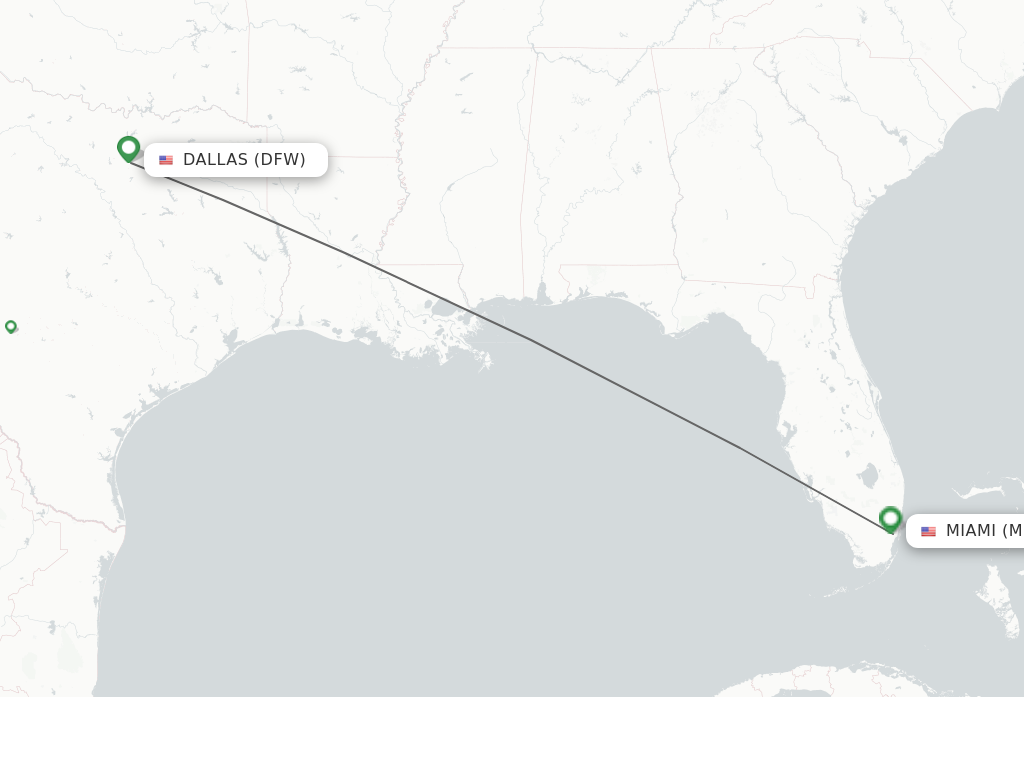
For a direct, non-stop flight from Dallas to Miami, travelers can generally expect an airborne duration of approximately 2 hours and 45 minutes to 3 hours and 15 minutes. This estimate covers the time spent from take-off at the departure airport to landing at the arrival airport. When accounting for taxiing to the runway, potential hold times before take-off, and taxiing to the gate upon arrival, the total elapsed time from gate to gate might stretch closer to 3 hours to 3 hours and 45 minutes. It’s important to differentiate between the “block time” (gate-to-gate) and the actual “flight time” (wheels up to wheels down). Most online search engines and airline schedules typically provide the block time, as this is more relevant for travelers planning their overall journey. The distance covered by this flight path is roughly 1,100 to 1,120 miles (approximately 1,770 to 1,800 kilometers), making it a relatively swift cross-country journey. While shorter than some transcontinental flights, it’s long enough to settle in, enjoy an in-flight movie, or catch up on some work.
Key Factors Influencing Flight Length
Several dynamic elements can subtly, or sometimes significantly, alter the precise duration of a flight from Dallas to Miami. Understanding these can help manage expectations and appreciate the complexities of air travel.
- Wind Speed and Direction: Perhaps the most influential natural factor, prevailing winds can either shorten or lengthen a flight. A strong tailwind (wind blowing in the direction of travel) can shave off precious minutes, while a headwind (wind blowing against the direction of travel) can extend the journey. Flights from west to east, like Dallas to Miami, often benefit from the prevailing westerly winds, potentially making the outbound journey slightly faster than the return leg.
- Air Traffic Control (ATC) Restrictions: The skies above major metropolitan areas like Dallas and Miami are bustling. ATC manages the flow of thousands of flights daily, and sometimes, for safety or efficiency, they may issue instructions that lead to minor delays. This could involve holding patterns before landing, rerouting to avoid congested airspace, or slowing down aircraft.
- Aircraft Type and Speed: Different airplanes have varying cruising speeds. A smaller regional jet might fly at a slightly slower speed than a larger Boeing 737 or Airbus A320, leading to minor differences in flight duration. However, for this popular route, most airlines deploy similar-sized narrow-body aircraft, so this factor usually accounts for only a few minutes’ variance.
- Flight Path Optimization: Airlines continuously optimize their flight paths to reduce fuel consumption and flight time. Factors like weather systems, military airspace restrictions, and even turbulence reports can lead pilots and dispatchers to adjust routes. A more direct path generally means a shorter flight, while diversions will add time.
- Departure and Arrival Congestion: While not strictly “flight time,” congestion on the ground at either Dallas/Fort Worth International Airport (DFW) or Miami International Airport (MIA) can significantly impact the overall gate-to-gate duration. Long queues for take-off or delays in finding an open gate upon arrival are not uncommon during peak travel seasons or busy times of day.
Navigating the Dallas-Miami Air Corridor
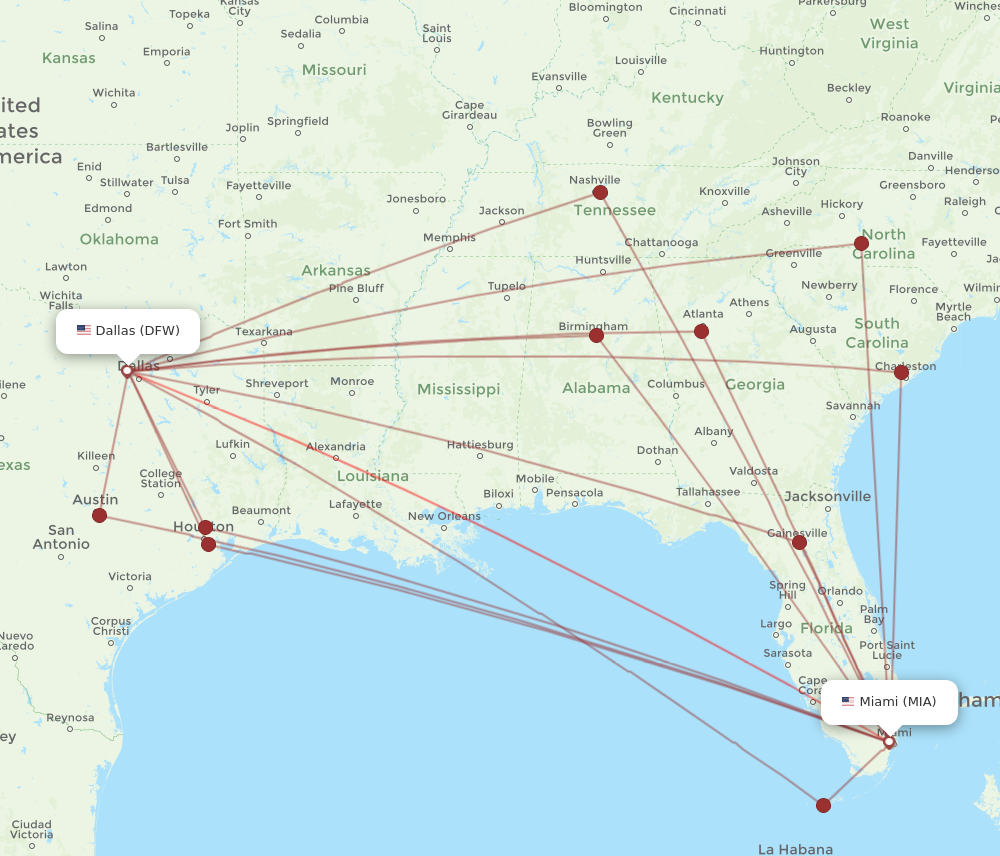
This flight route is one of the busiest domestic connections in the United States, linking two major economic and cultural hubs. Understanding which airports and airlines facilitate this journey is key to planning.
Major Airports Serving the Route
Travelers flying from Dallas to Miami will primarily utilize the following major airports:
- Departure from Dallas:
- Dallas/Fort Worth International Airport (DFW): As one of the busiest airports in the world, DFW serves as a major hub for American Airlines and offers extensive domestic and international connections. Most flights to Miami depart from DFW due to its size and capacity. Its vast network means a wide array of flight times and competitive pricing.
- Dallas Love Field (DAL): Located closer to downtown Dallas, DAL is primarily served by Southwest Airlines. While it offers a more convenient experience for some Dallas residents, the frequency of flights to Miami might be slightly less compared to DFW, and service can sometimes involve a connecting flight. However, Southwest Airlines does offer direct flights from DAL to MIA, providing another excellent option.
- Arrival in Miami:
- Miami International Airport (MIA): Miami International Airport is the primary gateway to South Florida and a major hub for international travel, particularly to Latin America and the Caribbean. It’s well-connected to downtown Miami and surrounding areas like Miami Beach, with various ground transportation options.
- Fort Lauderdale-Hollywood International Airport (FLL): Although not directly in Miami, FLL is a viable alternative, especially for budget travelers, situated about 30 miles north of Miami. Many low-cost carriers operate out of FLL, and transportation to Miami is readily available via rideshares, taxis, or train services like Brightline. However, this airport typically receives fewer direct flights from Dallas compared to MIA.
Leading Airlines Connecting the Cities
Several major airlines offer direct flights between Dallas and Miami, ensuring competitive pricing and a range of service levels.
- American Airlines: Given that Dallas/Fort Worth International Airport is its largest hub and Miami International Airport is a significant focus city, American Airlines operates the most frequent non-stop flights on this route. They offer a wide selection of departure times throughout the day, often utilizing various narrow-body aircraft.
- Southwest Airlines: Southwest Airlines provides direct service from Dallas Love Field to Miami International Airport. Known for its no-frills approach and two free checked bags policy, Southwest Airlines is a popular choice for budget-conscious travelers.
- Spirit Airlines and Frontier Airlines: These ultra-low-cost carriers also offer direct flights from DFW to MIA, often at highly competitive prices. Travelers should be aware of their “unbundled” pricing model, where extras like seat selection, carry-on bags, and checked luggage incur additional fees.
- Other Airlines: While Delta Air Lines and United Airlines serve both Dallas and Miami extensively, their direct service on this specific route may be less frequent than American Airlines or Southwest Airlines, sometimes involving a connection through their respective hubs.
Optimizing Your Travel Experience
Beyond just knowing the flight duration, there are several ways to make your journey from Dallas to Miami as pleasant and efficient as possible.
Best Times to Book and Fly
Strategic planning can lead to better deals and a more comfortable experience.
- Booking in Advance: For the best fares, it is generally advisable to book your flight 2-3 months in advance, especially if traveling during peak seasons (e.g., spring break, holidays, or winter months when Miami is a popular escape). Prices tend to fluctuate, but early booking often secures more competitive rates.
- Flexibility with Dates: If your schedule allows, flying on Tuesdays, Wednesdays, or Saturdays can sometimes yield lower fares compared to peak travel days like Fridays and Sundays. Similarly, opting for early morning or late-night flights might present more economical options and less crowded airports.
- Off-Peak Season: Traveling during Miami’s quieter months, typically late spring (May) or early fall (September-October), can result in significantly reduced airfares and hotel rates, though you might encounter warmer temperatures and the tail end of hurricane season.
In-Flight Comfort and Amenities
Even on a relatively short flight of under 3.5 hours, comfort can make a big difference.
- Seat Selection: If available and within budget, consider upgrading to a seat with extra legroom or a window/aisle seat based on your preference. For those who enjoy views, a window seat provides glimpses of the expansive Gulf of Mexico and the Atlantic Ocean as you approach Florida.
- Entertainment and Connectivity: Most major carriers on this route offer in-flight Wi-Fi (often for a fee) and entertainment systems (either seat-back screens or streaming to personal devices). Downloading movies, shows, or podcasts beforehand is a smart move, just in case.
- Snacks and Hydration: While some airlines offer complimentary snacks and beverages, it’s always wise to bring your own water bottle (filled after security) and a few healthy snacks. This helps you avoid airport markups and ensures you have exactly what you prefer.
- Comfort Essentials: A neck pillow, eye mask, and noise-canceling headphones can significantly enhance your comfort, even on a shorter flight. Dressing in layers is also recommended, as cabin temperatures can vary.
Preparing for Your Journey and Arrival
A smooth flight experience extends beyond the aircraft itself. Proper preparation for both departure and arrival can reduce stress and save time.
Pre-Flight Checklists and Airport Procedures
Being well-prepared before you even step foot in the airport can make your travel day seamless.
- Check-in Online: Most airlines allow online check-in 24 hours before departure. This saves time at the airport, allows you to confirm your seat, and can often be done via the airline’s mobile app. If you have checked luggage, you can often use dedicated bag-drop lines.
- Arrive Early: Especially when departing from a major hub like Dallas/Fort Worth International Airport, arriving at least 2 hours before a domestic flight is recommended. This allows ample time for parking, security checks, and navigating to your gate without rushing. Dallas Love Field, being smaller, might require slightly less time, but 1.5 hours is still a safe bet.
- Security Expediting Programs: Consider enrolling in TSA PreCheck if you travel frequently. This program allows eligible travelers to go through an expedited security screening process, saving considerable time and hassle.
- Necessary Documents: Always keep your government-issued ID (driver’s license or passport) readily accessible. Have your boarding pass, either printed or on your phone, ready for scanning.
Getting Around Upon Landing in Miami
Once your flight touches down at Miami International Airport, you’ll want an efficient plan to reach your final destination.
- MIA Mover: Miami International Airport features the MIA Mover, an automated people mover system that connects the airport terminals to the Miami Intermodal Center (MIC). From the MIC, you can access Metrorail, Metrobus, Tri-Rail, Amtrak, and various rental car agencies.
- Rental Cars: Many travelers visiting Miami opt for a rental car for flexibility, especially if exploring areas beyond the immediate downtown or Miami Beach. All major rental car companies operate from the MIC.
- Rideshare and Taxis: Uber, Lyft, and traditional taxi services are readily available at designated pick-up zones outside the terminals at MIA. These are convenient options for direct transport to hotels or specific locations.
- Public Transportation: Miami’s Metrorail and Metrobus systems provide an affordable way to navigate the city. The Metrorail’s Orange Line connects the airport to downtown Miami and other key areas.
Why Dallas and Miami Remain Popular Travel Hubs
The enduring popularity of the Dallas to Miami flight route underscores the significance of both cities as major travel destinations and economic powerhouses. Dallas, with its robust business environment, rich Western heritage, and burgeoning arts scene, serves as a vital gateway to the Southwest. Travelers from Dallas often seek Miami for its unparalleled tropical allure, vibrant nightlife, stunning beaches, and diverse culinary landscape, infused with strong Latin American and Caribbean influences. Conversely, Miami residents frequently visit Dallas for business, to connect with family, or to explore a different facet of American culture. This constant flow of travelers ensures that the flight route between these two dynamic cities remains a well-served and essential part of the domestic air travel network. Whether you’re flying for leisure or business, understanding the intricacies of this journey, from flight duration to airport logistics, will undoubtedly enhance your overall travel experience.
LifeOutOfTheBox is a participant in the Amazon Services LLC Associates Program, an affiliate advertising program designed to provide a means for sites to earn advertising fees by advertising and linking to Amazon.com. Amazon, the Amazon logo, AmazonSupply, and the AmazonSupply logo are trademarks of Amazon.com, Inc. or its affiliates. As an Amazon Associate we earn affiliate commissions from qualifying purchases.