
Exploring the sun-drenched roads of Florida on a motorcycle is a dream for many, offering unparalleled freedom to soak in the state’s diverse landscapes, from the vibrant urban pulse of Miami to the serene, winding coastal routes of the Florida Keys. The allure of the open road, the feel of the wind, and the unique perspective a motorcycle offers make it an incredibly appealing way to experience the Sunshine State. However, before you can embark on such an adventure, a crucial question arises: do you need a motorcycle license in Florida? The unequivocal answer is yes, you do. This comprehensive guide will navigate the intricacies of Florida’s motorcycle licensing requirements, ensuring you’re legally prepared to enjoy your two-wheeled journey, along with essential tips for a safe and memorable ride.

Navigating Florida’s Motorcycle Licensing Requirements
Understanding the specific legal prerequisites for operating a motorcycle in Florida is the first and most vital step for any aspiring rider, whether you’re a resident or a visitor planning an extended stay. The state takes motorcycle safety and proper licensing seriously, recognizing the unique challenges and responsibilities that come with riding.
The Basic Answer: Yes, You Do
To legally operate a motorcycle or scooter with an engine size greater than 50cc on public roads in Florida, you must possess a valid motorcycle endorsement on your driver’s license, or a standalone motorcycle-only license. This isn’t merely a suggestion; it’s a legal mandate designed to ensure all riders have met a baseline standard of knowledge and skill. Failure to comply can result in fines, penalties, and even impoundment of the vehicle, not to mention insurance complications in the event of an accident. For tourists, this means verifying your home country’s or state’s motorcycle license reciprocity with Florida is essential before hitting the roads.
Understanding Florida’s Motorcycle Endorsement (or M-Class License)
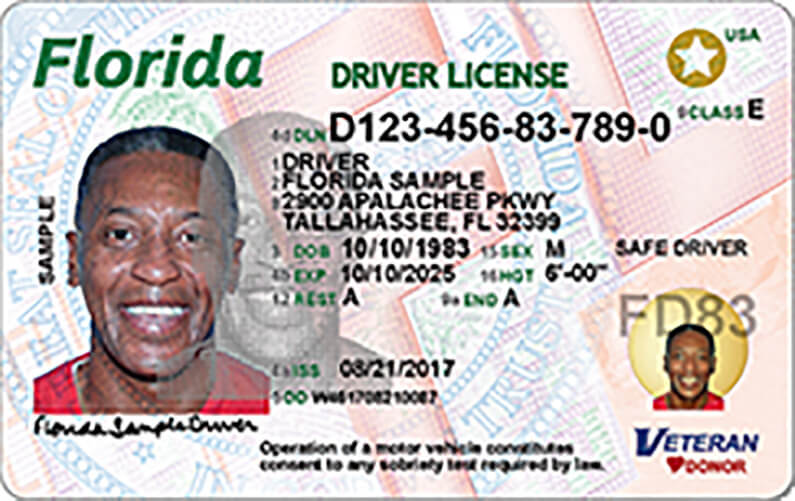
In Florida, a motorcycle license is typically issued as an “endorsement” on an existing Class E (standard operator’s) driver’s license. This endorsement, often referred to as a “Class M” endorsement, signifies that you have met the specific requirements for motorcycle operation in addition to standard vehicle operation. If you do not wish to operate a standard automobile, you can apply for a motorcycle-only license. The primary pathway to obtaining this endorsement for Florida residents, and often for out-of-state riders seeking a Florida license, involves completing a state-approved motorcycle safety course. This emphasis on formal training underscores the state’s commitment to rider safety and competence.
Who is Exempt (and Who Isn’t)?
While the general rule is clear, some exceptions and nuances exist, primarily concerning smaller vehicles. Generally, if the vehicle has an engine displacement of 50cc or less, it might be classified as a moped or scooter, and thus may not require a motorcycle endorsement, though a standard Class E driver’s license is still necessary. However, riders should always verify the specific classification of their vehicle with the Florida Department of Highway Safety and Motor Vehicles (FLHSMV), as interpretations can vary, and local ordinances might impose stricter rules. For anything larger than 50cc, or vehicles explicitly designed and marketed as motorcycles, the endorsement is mandatory. There are no exemptions based on experience or age beyond the standard driver’s license requirements.
Steps to Obtain Your Motorcycle Endorsement in Florida
For those ready to legally experience Florida by motorcycle, the process of obtaining the necessary endorsement is straightforward, though it requires commitment to safety education.
Completing the Basic RiderCourse (BRC)
The most common and recommended path to obtaining a motorcycle endorsement in Florida is by successfully completing the Basic RiderCourse (BRC) from a state-approved motorcycle training provider. These courses, often based on Motorcycle Safety Foundation (MSF) curriculum, typically span two to three days and cover both classroom instruction and hands-on riding exercises. They teach essential skills such as clutch and throttle control, turning, stopping, hazard avoidance, and street strategies. Upon successful completion, usually marked by passing a written and a practical riding test, participants receive a completion certificate. This certificate is vital, as it waives the need for a separate riding skills test at the DMV.
Applying for Your License at the DMV
With your BRC completion certificate in hand, the next step is to visit a local FLHSMV office (commonly known as the DMV). You will need to present your certificate, your current driver’s license (if applicable), proof of identity and residency, and pay the required fees. You will also need to pass a standard vision test. Importantly, because you’ve completed the BRC, you typically will not need to take a written knowledge test or a riding skills test at the DMV specifically for the motorcycle endorsement, as these were covered in the course. The endorsement will then be added to your existing driver’s license.
Out-of-State Riders: Reciprocity and Requirements
For visitors from other states or countries, the rules can vary. If you hold a valid motorcycle endorsement from another U.S. state, Florida generally grants reciprocity, meaning you can ride legally without obtaining a new Florida endorsement. However, if you become a Florida resident, you will eventually need to transfer your license and may be required to meet Florida’s specific requirements, including potentially taking the BRC if your out-of-state endorsement wasn’t obtained through a similar approved course. International visitors holding a valid motorcycle license from their home country can typically ride for up to one year, provided their license is in English or accompanied by an International Driving Permit (IDP). Always carry your original license and IDP when riding. It’s prudent for all out-of-state riders to double-check current FLHSMV regulations before planning their trip.
Essential Riding Tips for Motorcyclists in the Sunshine State
Once you’ve secured your endorsement, understanding Florida’s unique riding environment becomes paramount for a safe and enjoyable journey.
Florida’s Unique Road Conditions and Weather

Florida’s terrain is generally flat, but its weather is highly dynamic. Expect frequent afternoon thunderstorms, especially during the summer rainy season. Roads can become slick quickly, making careful riding essential. Furthermore, the intense sun and heat require riders to stay hydrated and take precautions against sunstroke. Coastal areas, like those near Sarasota or St. Petersburg, can also present challenges like sandy patches on roads, particularly after storms or near beach access points, which can reduce tire traction. Be mindful of wildlife, especially in rural areas or near nature preserves, as animals like deer and even alligators can pose unexpected hazards.
Safety Gear and Best Practices
While Florida has specific helmet laws (discussed below), it’s always advisable to wear appropriate safety gear regardless of legal requirements. This includes a DOT-approved helmet, eye protection, sturdy gloves, a motorcycle jacket (even in warm weather, perforated or mesh jackets offer protection and airflow), long pants, and over-ankle boots. Investing in reflective gear is also smart, especially when riding at dawn, dusk, or night, given the state’s vibrant tourist and local traffic. Always ride defensively, assuming other drivers may not see you, and maintain ample following distance. Regular pre-ride inspections of your motorcycle are also crucial to ensure everything is in optimal working order.
Navigating Traffic and Tourists
Florida’s popularity as a tourist destination means you’ll encounter a wide range of drivers, many of whom may be unfamiliar with local roads or distracted by sightseeing. Major cities like Orlando and Miami experience heavy traffic, particularly during peak seasons. Be extra vigilant for sudden lane changes, unexpected stops, and drivers who may not check blind spots. Practicing strong situational awareness and using your horn judiciously can significantly enhance your safety. When riding in groups, establish clear communication signals and maintain staggered formations.
Common Misconceptions and Legal Considerations
Beyond licensing, several other legal aspects and common myths often arise regarding motorcycling in Florida.
The “Scooter Loophole” Myth
A common misconception revolves around scooters, suggesting that smaller engine sizes completely exempt riders from licensing or safety course requirements. As mentioned, vehicles 50cc or less generally do not require a motorcycle endorsement, but still require a standard Class E driver’s license. However, anything above 50cc does require the endorsement. The “scooter loophole” is a myth for any vehicle exceeding the 50cc threshold, and misclassifying a vehicle to avoid licensing requirements can lead to severe legal repercussions. Always check the official FLHSMV guidelines for specific vehicle classifications.
Helmet Laws in Florida
Florida’s helmet law is unique. Riders under the age of 21 are required to wear a DOT-approved helmet. However, riders aged 21 and older have the option to ride without a helmet if they are covered by an insurance policy that provides at least $10,000 in medical benefits for injuries incurred in a motorcycle crash. Despite this option, safety advocates and experienced riders strongly recommend always wearing a helmet, regardless of age or insurance coverage, as it significantly reduces the risk of head injuries. Eye protection, however, is mandatory for all riders unless the motorcycle is equipped with a windscreen.
Insurance Requirements
Minimum insurance coverage is mandatory for all motor vehicles operated on Florida roads, and motorcycles are no exception. Riders must carry personal injury protection (PIP) and property damage liability (PDL) insurance. The exact minimum coverage required can vary, so it’s essential to consult with an insurance provider familiar with Florida law. As noted with the helmet law, if you opt to ride without a helmet at age 21 or older, you must have medical benefits coverage of at least $10,000. Adequate insurance is not just a legal requirement but a crucial safety net for both you and others on the road.
Embracing the Florida Motorcycle Experience
With your license secured and a solid understanding of Florida’s riding environment, you’re now ready to fully embrace the state’s incredible offerings for motorcyclists.
Popular Scenic Routes and Destinations
Florida boasts some truly iconic routes. The legendary U.S. Route 1 through the Florida Keys, crossing dozens of bridges over turquoise waters, offers breathtaking ocean views. The scenic highways along the Gulf Coast, particularly around Sarasota and St. Petersburg, provide beautiful coastal vistas and charming towns. Inland, routes through central Florida offer a different experience, winding through orange groves and past freshwater springs. Consider rides to historic St. Augustine, the oldest continuously inhabited European-established settlement in the United States, or through the natural beauty of the Everglades (with caution for wildlife and remote areas).
Motorcycle Events and Culture
Florida has a thriving motorcycle culture, highlighted by world-renowned events. Daytona Beach is famously home to Bike Week in March and Biketoberfest in October, drawing hundreds of thousands of riders from across the globe for rallies, races, and camaraderie. Smaller local gatherings and charity rides occur year-round, offering opportunities to connect with fellow enthusiasts. Cities like Key West and Panama City Beach also host significant motorcycle events, cementing Florida’s status as a top destination for two-wheeled tourism.
Renting a Motorcycle in Florida
For tourists without their own bikes, numerous rental agencies throughout Florida offer a wide range of motorcycles, from cruisers to touring bikes. Major hubs like Orlando, Miami, and Tallahassee have several options. To rent, you will invariably need a valid motorcycle endorsement (from Florida or another recognized jurisdiction), meet age requirements (often 21 or 25+), and provide a valid credit card for deposit and rental fees. Rental agreements will also outline insurance coverage, which is crucial to understand before setting off.
In conclusion, a motorcycle license is indeed a requirement for riding in Florida. By understanding and adhering to the state’s licensing laws, prioritizing safety, and embracing the unique riding environment, you’re well on your way to experiencing the unparalleled joy of motorcycling through one of the most picturesque and exciting states in the U.S. Ride safe, and enjoy the adventure!
LifeOutOfTheBox is a participant in the Amazon Services LLC Associates Program, an affiliate advertising program designed to provide a means for sites to earn advertising fees by advertising and linking to Amazon.com. Amazon, the Amazon logo, AmazonSupply, and the AmazonSupply logo are trademarks of Amazon.com, Inc. or its affiliates. As an Amazon Associate we earn affiliate commissions from qualifying purchases.