
Embarking on a new adventure in the Lone Star State, whether it’s a scenic road trip through the Texas Hill Country, a culinary exploration of San Antonio, or settling in for a long-term stay in a vibrant city like Dallas, often involves the practical necessity of registering your vehicle. For newcomers and returning residents alike, understanding the process of getting your vehicle registered in Texas is a crucial step in fully embracing the Texas lifestyle and its abundant attractions. This guide aims to demystify the requirements and procedures, ensuring a smooth transition as you hit the open roads of Texas.
Navigating the Texas Department of Motor Vehicles (TxDMV) can seem daunting, but with clear information, it becomes a manageable task. The Texas registration process is designed to ensure all vehicles operating on the state’s roads are compliant with safety and emissions standards, contributing to the overall well-being of its residents and visitors. Whether you’ve just purchased a new vehicle, moved from out of state, or are simply renewing your existing registration, this comprehensive overview will guide you through each step.
Understanding the Requirements for Vehicle Registration in Texas
Before you can hit the road with your newly registered vehicle, there are several fundamental requirements you must meet. These are designed to ensure vehicle safety, environmental compliance, and the proper identification of vehicles within the state. Understanding these prerequisites will save you time and potential headaches when you visit your local county tax assessor-collector’s office.
Proof of Ownership and Identity
The cornerstone of vehicle registration is proving you legally own the vehicle. This is typically done through a valid title. If you are registering a new vehicle purchased from a Texas dealership, they will often handle much of the initial paperwork. For vehicles purchased from a private seller or brought into Texas from another state, you will need the original out-of-state title, properly assigned to you. A lienholder’s name and address must also be present on the title if there is an outstanding loan.
In addition to proof of ownership, you’ll need to provide proof of your identity. A valid Texas driver’s license or an ID card issued by the Texas Department of Public Safety (DPS) is usually required. If you are a new resident and don’t yet have a Texas driver’s license, you will need to obtain one separately. This usually involves passing a vision and driving test. For those registering a vehicle for a business, proper business documentation will be necessary.
Texas Vehicle Inspection Requirement
One of the most critical components of Texas vehicle registration is the state’s mandatory vehicle inspection. This inspection, often referred to as the “Two Steps One Sticker” program, has two parts: a safety inspection and an emissions test (in certain counties). You must have a passing inspection certificate before you can complete your vehicle registration.
The safety inspection ensures your vehicle’s essential safety features are functioning correctly, including brakes, lights, tires, wipers, and horn. This inspection can be performed at any authorized inspection station throughout Texas. Technicians trained and certified by the state conduct these inspections.
The emissions test is required for most vehicles in 29 of Texas’s 254 counties, primarily in larger metropolitan areas where air quality is a greater concern. These counties include Brazoria, Chambers, Collin, Denton, Fort Bend, Galveston, Harris, Hood, Hunt, Johnson, Liberty, Montague, Montgomery, Palo Pinto, Parker, Rockwall, Starr, Tarrant, Travis, Van Zandt, Walker, Waller, Washington, Wise, and Wood. Vehicles that are newer than two model years or more than five model years old are exempt from the emissions test, as are certain types of vehicles. It’s important to check the specific requirements for your county of residence.
Upon passing both the safety inspection and the emissions test (if applicable), you will receive a Vehicle Inspection Report (VIR). This report contains a barcode and essential information that will be used when you go to register your vehicle. You do not need a physical sticker displayed on your windshield anymore, as the inspection is now electronically verified at the time of registration.
Proof of Vehicle Insurance
Texas law requires all vehicle owners to maintain financial responsibility, which is typically demonstrated through proof of liability insurance. This insurance must cover at least the minimum coverage limits set by the state: $30,000 for bodily injury per person, $60,000 for bodily injury per accident, and $25,000 for property damage per accident.
When you visit the county tax assessor-collector’s office to register your vehicle, you will need to present proof of this insurance. This can be a current insurance card, a declaration page from your insurance policy, or a certificate of insurance. The information on the proof of insurance must match the vehicle you are registering. Ensure your policy is active and covers the required minimums. If you have recently switched insurance providers, double-check that your new policy is in effect before heading to register.
The Registration Process: Step-by-Step
Once you have gathered all the necessary documentation and met the prerequisite requirements, the actual registration process is relatively straightforward. It primarily involves visiting your local county tax assessor-collector’s office.
Step 1: Obtain a Vehicle Inspection Certificate
As mentioned, this is a critical prerequisite. You cannot register your vehicle without a passing inspection. Schedule an appointment or visit an authorized inspection station. Once you pass, you will receive your Vehicle Inspection Report (VIR). Keep this document handy, as it will be needed for registration.
Step 2: Gather Required Documents
Before you head to the county office, ensure you have the following documents readily available:
- Proof of Ownership: This is usually the vehicle’s title. For new Texas residents, this will be the out-of-state title properly assigned.
- Proof of Identity: A valid Texas driver’s license or ID card.
- Proof of Vehicle Insurance: A current insurance card or policy declaration page.
- Vehicle Inspection Report (VIR): The proof of your passing inspection.
- Proof of Residency (if applicable): Some counties may require proof of residency, such as a utility bill or lease agreement.
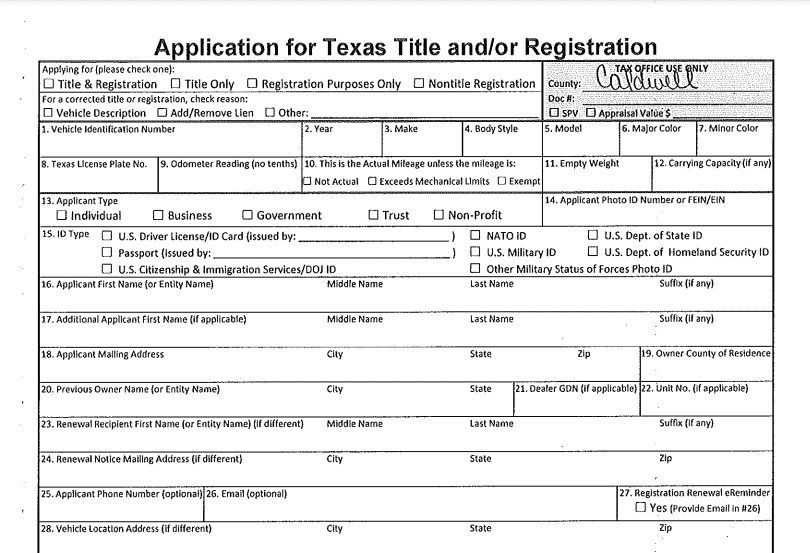
- Application for Texas Title and/or Registration (Form 130-U): This form is required if you are titling and registering a vehicle for the first time in Texas, especially when purchasing from a private seller. Dealerships often provide this.
- Bill of Sale (if applicable): If you purchased the vehicle from a private party, a bill of sale may be required to show the purchase price for tax purposes.
Step 3: Visit Your Local County Tax Assessor-Collector’s Office
Locate the county tax assessor-collector’s office in your county of residence. Many Texas counties have multiple offices, so find one that is convenient for you. It is advisable to check the office’s operating hours and whether they accept appointments, as wait times can vary.
When you arrive, you will present all your gathered documents to the clerk. They will verify your information, including your proof of ownership, identity, insurance, and inspection.
Step 4: Pay Fees and Taxes
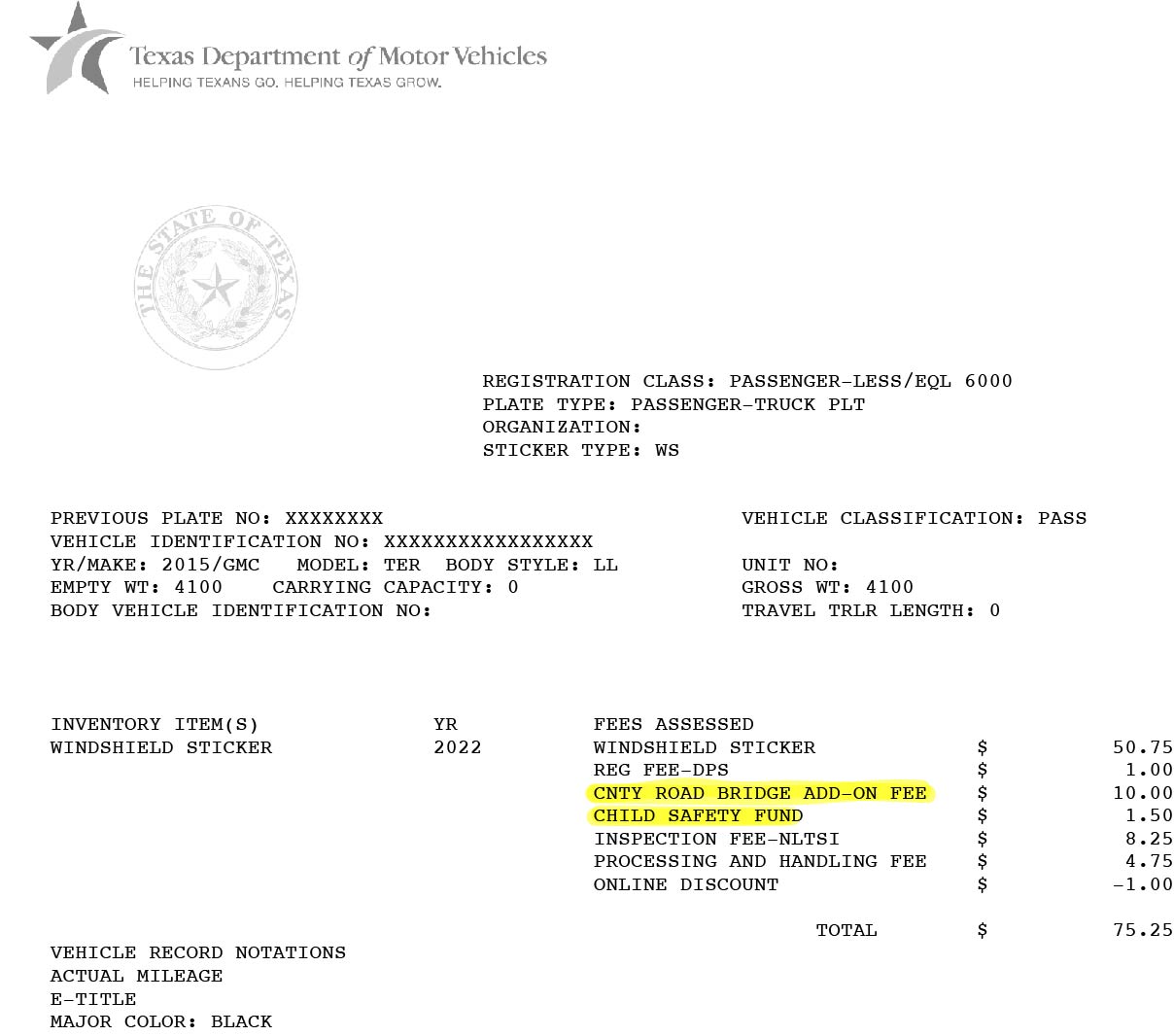
The final step at the county office is to pay the required registration fees and any applicable taxes. The cost of registration varies depending on the type of vehicle, its weight, and its age. You will also be required to pay the state motor vehicle sales tax if you purchased the vehicle recently and haven’t already paid it through the dealership. The registration fee helps fund Texas transportation projects and services.
Once all fees are paid and all requirements are met, the clerk will issue you your Texas vehicle registration certificate and license plates. You will receive a registration sticker for your license plate, which indicates the expiration month and year.
Renewing Your Texas Vehicle Registration
Vehicle registration in Texas is not a one-time process. It needs to be renewed annually. The TxDMV sends renewal notices to registered vehicle owners via mail or email prior to the expiration date. It is important to keep your mailing address updated with the TxDMV to ensure you receive these notices.
The renewal process is similar to the initial registration but typically less involved, as you will already have Texas plates and a title on file. You will still need to meet the inspection and insurance requirements for renewal.
Renewal Options
Texas offers several convenient options for renewing your vehicle registration:
- Online: This is often the quickest and easiest method. You can renew your registration through the TxDMV’s official website or through authorized third-party vendors. You will need your license plate number, the last four digits of your vehicle identification number (VIN), and a credit or debit card to complete the transaction.
- By Mail: You can mail your renewal notice, along with a check or money order for the renewal fees and proof of inspection and insurance, to your county tax assessor-collector’s office.
- In Person: You can visit your local county tax assessor-collector’s office to renew your registration in person.
Key Considerations for Renewal
- Inspection and Insurance: Ensure your vehicle has a current safety inspection and that you have valid liability insurance before attempting to renew. Many renewal systems will not allow you to proceed without this information.
- Renewal Notice: While not mandatory for renewal, the renewal notice provides a summary of fees and instructions. If you do not receive a notice, contact your county tax assessor-collector’s office to determine the correct renewal amount and requirements.
- Late Renewals: Renewing your registration late can result in penalties and late fees. It is best to renew on time to avoid additional costs. Driving with an expired registration can also lead to traffic citations.
By understanding these requirements and following the steps outlined, you can efficiently register your vehicle in Texas and enjoy all the freedom and adventure the state has to offer, from the vibrant cityscapes of Houston to the natural beauty of Big Bend National Park. Whether you’re planning a weekend getaway to Galveston Island or a longer stay exploring the vast landscapes, a properly registered vehicle is your ticket to a seamless experience. Remember to keep your registration, inspection, and insurance documents up to date, and you’ll be well on your way to enjoying your time in the great state of Texas.
LifeOutOfTheBox is a participant in the Amazon Services LLC Associates Program, an affiliate advertising program designed to provide a means for sites to earn advertising fees by advertising and linking to Amazon.com. Amazon, the Amazon logo, AmazonSupply, and the AmazonSupply logo are trademarks of Amazon.com, Inc. or its affiliates. As an Amazon Associate we earn affiliate commissions from qualifying purchases.