
For many contemplating retirement, the question of where to settle down is often as much about lifestyle as it is about finances. Among the myriad considerations, state income tax policies, particularly concerning pensions and other retirement income, loom large. Florida, the Sunshine State, has long been a beacon for retirees, and a primary driver of its appeal is its unique tax landscape. Understanding how Florida treats retirement income, including pensions, is crucial for anyone considering making this vibrant state their permanent home. The straightforward answer to the titular question is a resounding no: Florida does not tax pensions, nor does it levy a state income tax on any form of income. This foundational principle dramatically shapes the financial outlook for individuals living within its borders, offering significant advantages for those relying on fixed incomes during their golden years. This comprehensive guide will delve into the specifics of Florida’s tax structure, explore various retirement income sources, and highlight other important tax considerations that impact the overall lifestyle and financial planning for residents.
Understanding Florida’s Tax Landscape for Retirees
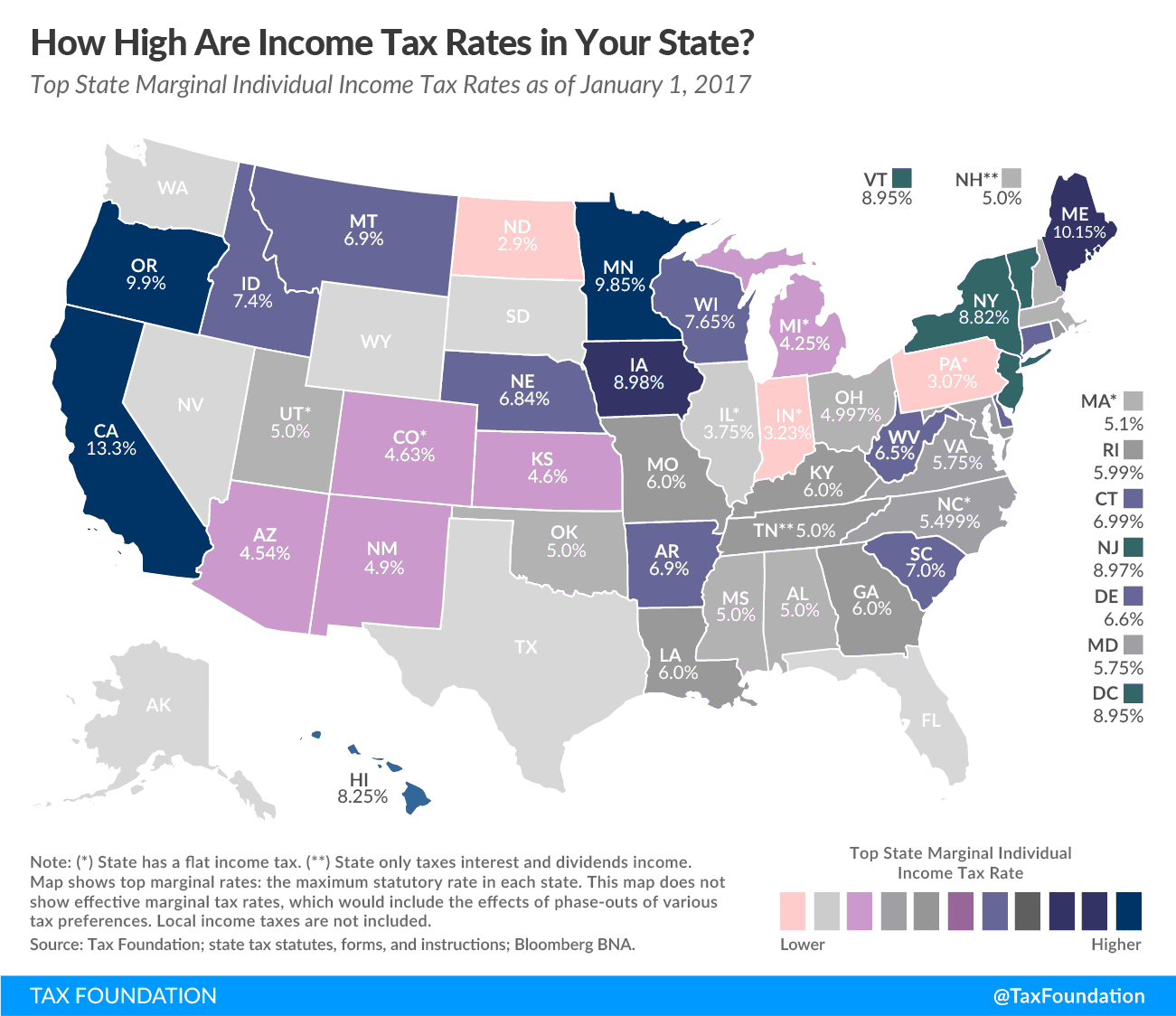
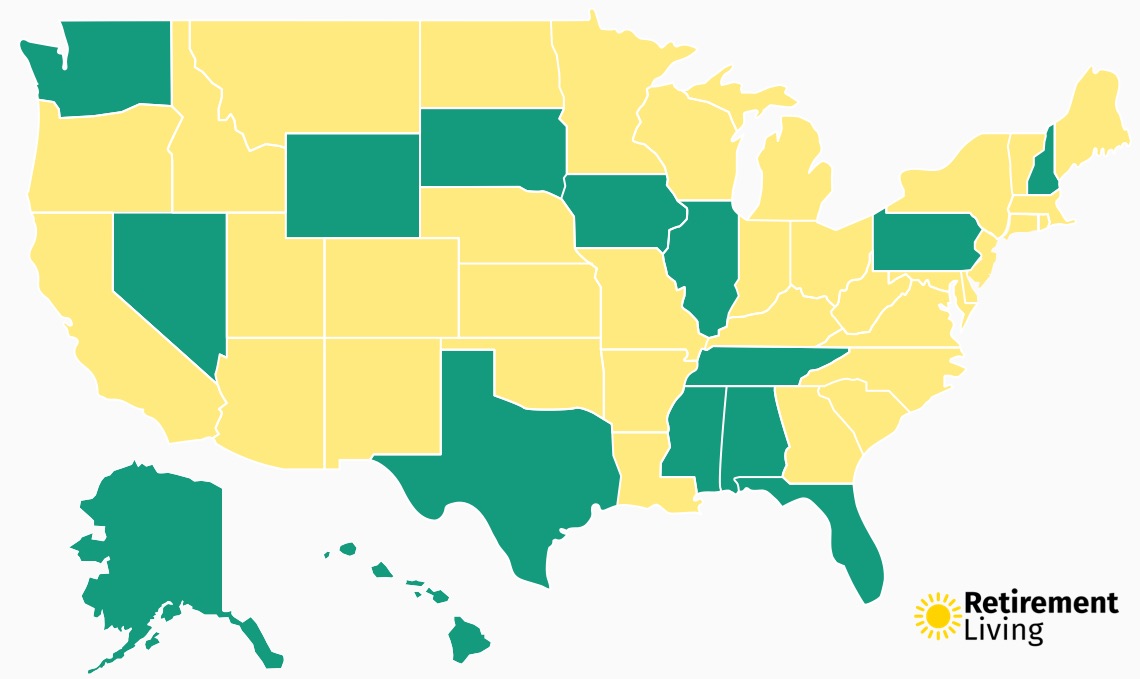
Florida’s reputation as a tax-friendly state for retirees is well-earned, primarily due to one significant feature: the absence of a state income tax. This policy decision sets it apart from many other states and creates a substantial financial incentive for individuals, especially those living on pensions and retirement savings.
The Sunshine State’s Income Tax Policy
At the heart of Florida’s’s allure for retirees is its constitutional prohibition against a state income tax. This means that whether you are employed, self-employed, or living solely on retirement income, the state of Florida will not levy a tax on your earnings. This policy applies to all forms of income, including wages, business profits, interest, dividends, and, most importantly for this discussion, retirement distributions.
For individuals who have spent their careers in states with high income taxes, the move to Florida can result in a considerable boost to their disposable income. Every dollar earned, whether from a final paycheck or a monthly pension, remains entirely in the hands of the earner, free from state-level deductions. This allows retirees to stretch their retirement savings further, invest more in their lifestyle, or simply have a larger safety net. It’s a compelling argument that often tips the scales for those weighing their retirement options between various destinations. The impact of this policy extends beyond just pensions, encompassing virtually all forms of personal income, providing a broad financial benefit to residents across the income spectrum.
Distinguishing Between Pension Types and Other Retirement Income
While the blanket rule of “no state income tax” simplifies matters greatly, it’s beneficial to understand how this applies to different types of retirement income. The term “pension” itself can refer to various forms of deferred compensation and retirement plans. In Florida, the distinction between these types is largely academic from a state tax perspective, as none are subject to state income tax.
This includes:
- Defined Benefit Pensions: Traditional pensions from private companies or public entities (like state or federal government pensions).
- Defined Contribution Plans: Such as 401(k)s, 403(b)s, and 457 plans, where the employer and/or employee contribute to an individual account. Distributions from these plans are not taxed by the state.
- Individual Retirement Accounts (IRAs): Traditional IRAs, Roth IRAs, SEP IRAs, and SIMPLE IRAs. Withdrawals from these accounts are similarly exempt from state income tax in Florida.
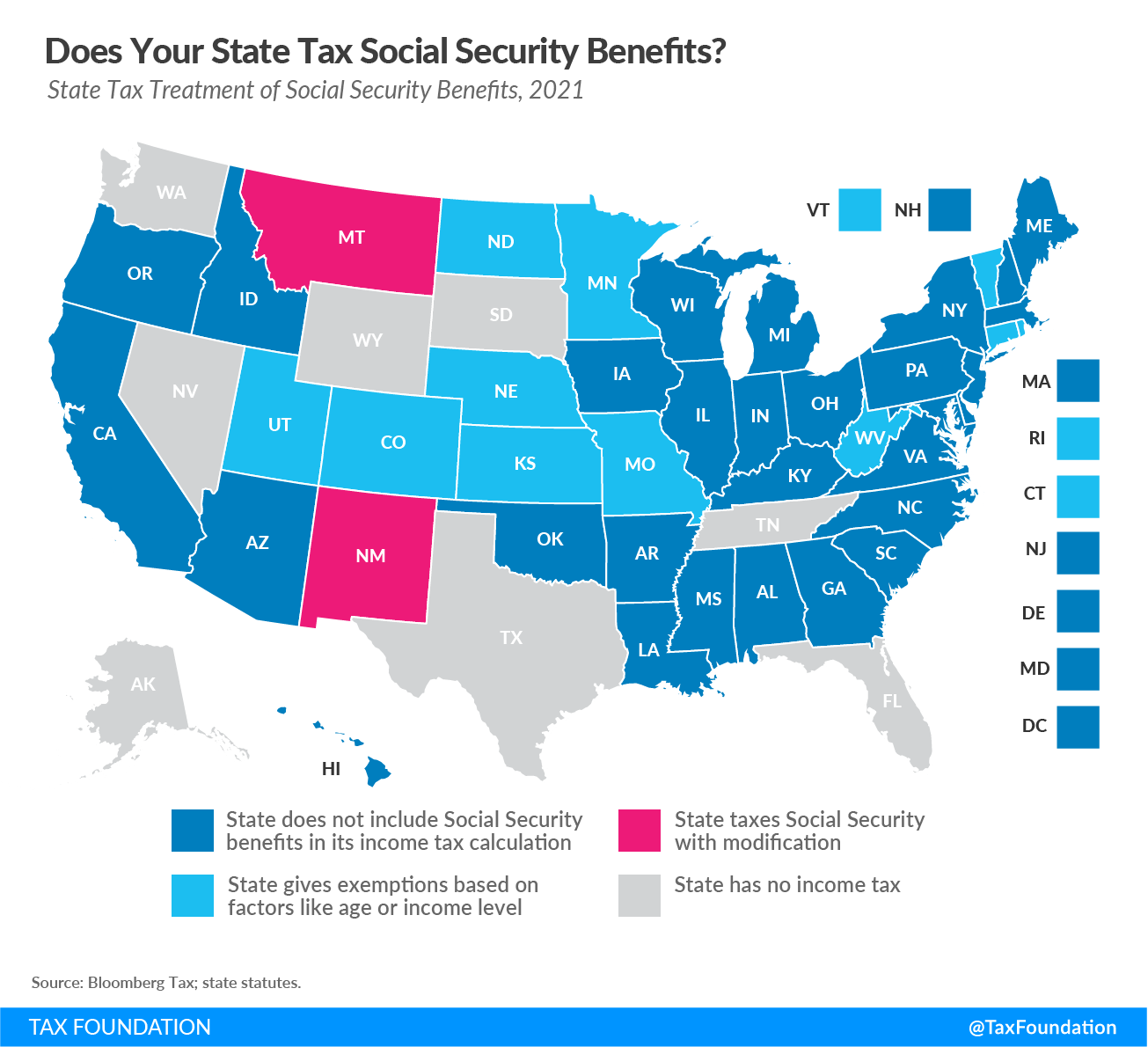
- Social Security Benefits: Often a major component of retirement income, Florida also does not tax Social Security benefits.
The critical takeaway is that Florida’s’s tax code is universally favorable to retirees regarding income. This comprehensive approach means that retirees can receive their full gross pension and other retirement distributions without fear of state-mandated deductions, allowing for clearer financial planning and greater confidence in budgeting for their lifestyle.
What Income Sources Are Exempt in Florida?
Florida’s tax policy is intentionally designed to be attractive to residents seeking to maximize their income, especially retirees. This philosophy extends across various types of income typically relied upon in retirement, ensuring that a significant portion of a retiree’s financial resources remains untouched by state taxation.
Social Security Benefits
For many retirees, Social Security benefits form the bedrock of their financial security. Unlike some states that impose a state income tax on a portion of Social Security benefits, Florida takes a different approach. As a state without a personal income tax, Florida does not levy any state tax on Social Security benefits, regardless of the recipient’s income level.
This is a considerable advantage, as it means retirees receive their full Social Security checks without any state-level deductions. Coupled with the federal income tax rules, which can tax up to 85% of Social Security benefits depending on combined income, Florida’s policy helps to alleviate one layer of taxation. This ensures that a critical and often indispensable source of income for seniors is preserved, directly contributing to a higher quality of life and greater financial stability for retirees across cities like Orlando and Tampa.
Private and Public Pensions
The primary question this article addresses revolves around pensions, and the answer, as established, is unequivocally positive for Florida residents. Both private and public pensions are entirely exempt from state income tax in Florida. This broad exemption covers:
- Private Sector Pensions: Any pension received from a former employer in the private sector.
- Government Pensions: Pensions from federal, state, or local government employment, including military pensions.
This policy is a significant draw, especially for individuals with substantial pension income. For instance, a retired police officer from New York or a former corporate executive from California could see thousands of dollars in annual savings by relocating their residency to Florida. The entire gross amount of their pension, minus any federal income tax, is theirs to keep and utilize, greatly enhancing their purchasing power and overall financial well-being. This consistency in tax treatment for all pension types simplifies financial planning and offers a predictable income stream for retirees.
401(k)s, IRAs, and Other Retirement Accounts
Beyond traditional pensions, a vast majority of retirees draw income from various other retirement savings vehicles, such as 401(k)s, 403(b)s, 457 plans, and Individual Retirement Accounts (IRAs), including Traditional, Roth, SEP, and SIMPLE IRAs. Florida’s no-income-tax policy extends to distributions from all these accounts.
This means that:
- Traditional 401(k) and IRA Distributions: Withdrawals, which are typically subject to federal income tax (unless they were after-tax contributions), are not taxed at the state level in Florida.
- Roth IRA Distributions: Qualified distributions from Roth IRAs are tax-free at both the federal and state levels, making them even more attractive for Florida residents.
- Other Defined Contribution Plans: Distributions from employer-sponsored 403(b)s and 457 plans are also free from Florida state income tax.
The consistent exemption of these critical retirement income sources from state income tax provides a comprehensive financial advantage for anyone retiring in Florida. It allows retirees to manage their portfolios and withdrawal strategies without the added complexity or burden of state income tax considerations, making Florida an ideal environment for financially savvy seniors.
Beyond Pension Income: Other Tax Considerations in Florida
While the absence of state income tax is a significant advantage, particularly for pension recipients, it’s important to recognize that it’s not the only tax residents pay. Florida funds its public services and infrastructure through other revenue streams. A comprehensive understanding of the state’s entire tax structure is essential for accurate financial planning and assessing the true cost of living.
Property Taxes: A Major Factor for Homeowners
Property taxes are a substantial consideration for anyone owning real estate in Florida, particularly retirees who often purchase homes. Unlike income taxes, property taxes are levied at the local level (county and city) and can vary significantly depending on the property’s value, location, and the specific taxing authorities in that area. Popular retirement destinations like Sarasota or Naples might have different property tax rates and home values compared to more inland or less developed areas.
Florida does offer some relief for homeowners through the Homestead Exemption. This allows eligible primary residents to reduce the taxable value of their home by up to $50,000, significantly lowering their property tax bill. There are additional exemptions available for seniors, veterans, and individuals with disabilities, further mitigating the burden. However, rising property values in desirable areas, like coastal cities or vibrant urban centers such as Miami, mean that even with exemptions, property taxes can still be a considerable annual expense. Prospective residents should research property tax rates in their target areas carefully.
Sales Tax: What to Expect on Purchases
Florida relies heavily on sales tax as a source of revenue. The statewide sales tax rate is 6%, but many counties levy an additional discretionary sales surtax, which can bring the total sales tax rate up to 7.5% or even higher in some areas. This tax applies to most goods and services purchased in the state.
While essential items like groceries and prescription drugs are exempt from sales tax, discretionary purchases such as clothing, electronics, restaurant meals, and entertainment tickets are all subject to it. For retirees, who might spend a larger portion of their income on consumer goods or leisure activities, sales tax can accumulate. It’s an indirect tax that affects everyone, regardless of income, and should be factored into a retirement budget, especially for those accustomed to states with lower sales tax rates or different exemption structures.
Estate and Inheritance Taxes: Planning for the Future
When planning for the future and considering the legacy one leaves behind, estate and inheritance taxes become relevant. Florida is another state that offers significant advantages in this area: it does not have a state-level estate tax or an inheritance tax.
This means that upon a resident’s passing, their beneficiaries will not owe any state taxes on the inherited assets. This policy allows for assets to be passed down more fully, aligning with a lifestyle goal of preserving wealth across generations. While federal estate tax rules still apply to very large estates, Florida’s absence of state-level taxes simplifies estate planning and ensures that more of a retiree’s accumulated wealth remains with their heirs, offering peace of mind and significant financial benefits for families.
Why Florida Remains a Popular Retirement Destination
Beyond the direct financial implications of its tax policies, Florida’s enduring popularity as a retirement destination is rooted in a compelling combination of lifestyle advantages, community resources, and inherent natural appeal. The state’s tax structure certainly provides a strong financial foundation, but it is the holistic experience that truly draws and retains retirees.
Financial Advantages Beyond No Income Tax
While the absence of state income tax on pensions and other retirement income is the cornerstone of Florida’s’s financial appeal, other aspects contribute to its economic attractiveness for retirees:
- Affordable Cost of Living (in many areas): While certain prime coastal areas and major metropolitan centers like Miami or Fort Lauderdale can be expensive, many regions of Florida offer a relatively affordable cost of living, particularly for housing, utilities, and transportation, compared to other popular retirement states.
- No Estate or Inheritance Tax: As previously discussed, the absence of these taxes simplifies estate planning and maximizes the wealth passed on to beneficiaries, a crucial consideration for long-term financial legacy planning.
- Property Tax Exemptions: The Homestead Exemption and other specific exemptions for seniors and veterans help reduce the overall burden of property taxes, even as property values appreciate.
These combined financial benefits allow retirees to enjoy a higher standard of living, greater financial security, and more disposable income to pursue their chosen lifestyle activities.
Quality of Life and Lifestyle Benefits
The financial benefits alone wouldn’t secure Florida’s top spot without a robust offering of lifestyle advantages that cater specifically to retirees:
- Year-Round Warm Climate: The most obvious draw is the subtropical climate, offering abundant sunshine and mild winters, which is ideal for outdoor activities and escaping colder northern climates.
- Abundance of Activities: From world-class golf courses, pristine beaches, and numerous state parks to vibrant cultural scenes, diverse dining options, and accessible healthcare facilities, Florida provides a rich tapestry of activities suitable for all interests and mobility levels.
- Strong Retirement Communities: Florida boasts a plethora of age-restricted communities, offering a sense of camaraderie, safety, and a wide array of amenities tailored to seniors, fostering an active and engaging lifestyle.
- Healthcare Infrastructure: With a large senior population, Florida has developed an extensive healthcare infrastructure, including specialized medical facilities and a strong network of healthcare professionals, ensuring access to quality care.
These lifestyle factors transform Florida from merely a tax haven into a genuine destination for fulfilling and enjoyable retirement years.
Navigating Relocation: Resources and Planning
Relocating to a new state, especially in retirement, requires careful planning. For those considering Florida, there are numerous resources available to assist with the transition:
- Financial Advisors: Consulting with a financial advisor specializing in retirement planning can help optimize your income streams and savings under Florida’s tax laws.
- Real Estate Professionals: Working with local real estate agents who understand the nuances of Florida’s diverse housing markets can help find the perfect home within budget and lifestyle preferences.
- State and Local Government Websites: These resources offer detailed information on property taxes, homestead exemptions, and other local regulations that might impact new residents.
By leveraging these resources and meticulously planning, retirees can seamlessly transition to their new lifestyle in Florida, maximizing the financial advantages and enjoying the vibrant quality of life the state offers. The decision to retire in Florida is often a strategic lifestyle choice, balancing financial prudence with a desire for warmth, activity, and community.
In conclusion, for those asking, “Does Florida tax pensions?”, the answer is a definitive no, extending to virtually all forms of retirement income. This, combined with a host of lifestyle benefits and a comprehensive support system for seniors, solidifies Florida’s position as a premier destination for retirement, offering both financial peace of mind and an enriching quality of life.
LifeOutOfTheBox is a participant in the Amazon Services LLC Associates Program, an affiliate advertising program designed to provide a means for sites to earn advertising fees by advertising and linking to Amazon.com. Amazon, the Amazon logo, AmazonSupply, and the AmazonSupply logo are trademarks of Amazon.com, Inc. or its affiliates. As an Amazon Associate we earn affiliate commissions from qualifying purchases.