
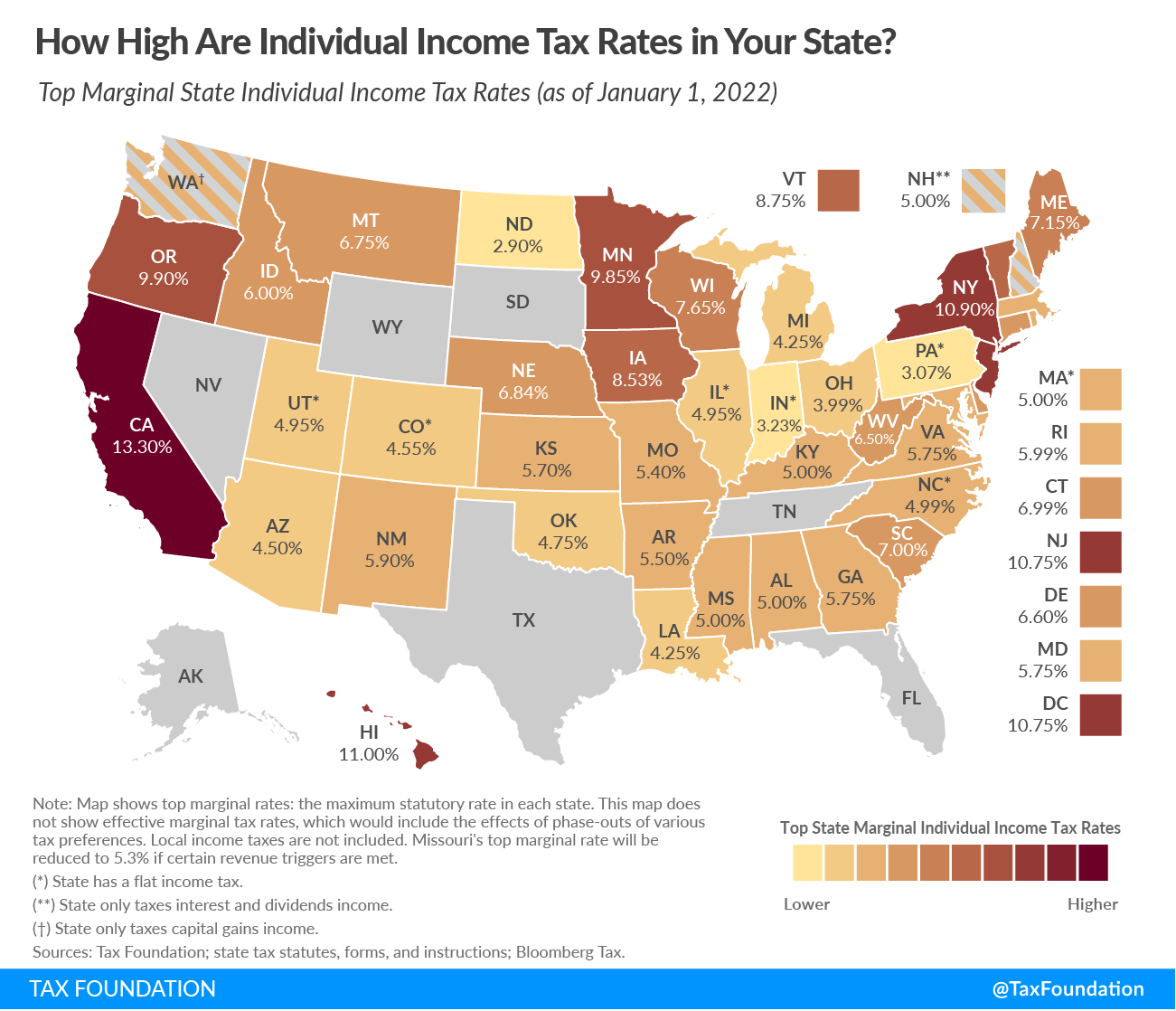
The question of whether a state levies income tax is often a pivotal factor for individuals contemplating relocation, retirees planning their golden years, or businesses scouting new operational bases. In the case of the Sunshine State, the answer holds significant implications for personal finance and overall lifestyle. For those wondering, the State of Florida does not have a state personal income tax. This distinguishing characteristic sets Florida apart from many other states in the United States and profoundly shapes its appeal, economy, and demographic trends. Understanding the absence of this tax, and the broader financial landscape that accompanies it, is crucial for anyone considering making Florida their home or a base for their endeavors.
The Sunshine State’s Approach to Personal Income
Florida’s decision to forgo a state personal income tax is not merely a detail; it’s a cornerstone of its economic policy and a significant part of its brand identity. This approach has deep roots in the state’s history and its strategy for attracting residents and businesses.
No State Income Tax: A Defining Characteristic
At its core, the absence of a state personal income tax means that wages, salaries, business profits, and other forms of personal income earned by Florida residents are not subject to a separate tax assessment by the state government. This is distinct from the federal income tax, which all U.S. citizens and residents are required to pay, regardless of their state of residence. For individuals, this translates directly into more disposable income. Instead of a portion of their earnings being remitted to the state, that money remains in their pockets, available for savings, investments, or spending. This fundamental difference can have a dramatic impact on an individual’s financial planning, particularly for those earning higher incomes or those whose primary source of income is from investments. The freedom from state income tax is a powerful magnet, influencing migration patterns and the decisions of corporations looking for a favorable environment for their employees.
Understanding Florida’s Revenue Streams
If Florida doesn’t collect personal income tax, how does the state fund its extensive public services, infrastructure projects, and government operations? The answer lies in a diversified revenue portfolio heavily reliant on other forms of taxation. The most significant contributors include sales tax, property taxes, and various excise taxes. Sales tax, applied to most goods and services purchased within the state, captures revenue from both residents and the millions of tourists who visit Florida annually. Property taxes, levied by local governments and school districts, are another substantial source, funding schools, local police, fire departments, and municipal services. Additionally, corporate income tax, although much smaller in scope compared to sales and property taxes, contributes to the state coffers. This balanced approach ensures that the state can maintain its no-income-tax policy while still generating the necessary funds to operate and grow. This revenue structure effectively shifts the tax burden from income to consumption and property ownership, a strategic choice that profoundly impacts the lifestyle and financial considerations for residents.
Lifestyle Implications for Residents and Relocators
The absence of a state income tax in Florida is more than just a fiscal policy; it’s a lifestyle enhancer that influences everything from daily spending habits to long-term financial security and even demographic shifts.
Boosting Disposable Income and Savings
For many, the most immediate and tangible benefit of living in Florida is the increased disposable income. When a significant percentage of your earnings isn’t earmarked for state income tax, your take-home pay is automatically higher. This additional capital can be strategically allocated in numerous ways. Individuals might choose to accelerate their retirement savings, contribute more to investment portfolios, or simply enjoy a higher standard of living. Families might find themselves with more flexibility to fund education expenses, plan vacations to destinations like Orlando’s theme parks, or manage unexpected costs. This boost to personal finances provides a sense of economic freedom and security that is highly attractive, especially when compared to states with high income tax rates. It fosters a lifestyle where financial goals might be achieved sooner, and discretionary spending can be pursued without the same level of financial strain.
Attracting Retirees and Remote Workers
Florida’s tax structure is particularly appealing to two rapidly growing segments of the population: retirees and remote workers. Retirees, often living on fixed incomes, pensions, or investment withdrawals, find immense value in not having their retirement income taxed at the state level. This allows their savings to stretch further and enhances their quality of life during their golden years. Cities like Naples, Sarasota, and areas across South Florida have become meccas for retirees seeking a financially sound and sun-drenched lifestyle.
Similarly, the rise of remote work has created a new class of mobile professionals who can choose to live anywhere with a good internet connection. For these individuals, maximizing their take-home pay by relocating to a no-income-tax state like Florida is a compelling proposition. They can maintain their often-competitive salaries while enjoying the lifestyle benefits of warmer weather, vibrant communities, and a lower tax burden. This influx of remote workers contributes to the state’s economic dynamism and diversified workforce.
Impact on Business and Entrepreneurship
The favorable tax environment extends beyond individuals to businesses. Florida offers a competitive edge for companies, especially those with high-earning employees or those looking to minimize their overall tax liabilities. While businesses do pay a corporate income tax, the absence of a state individual income tax makes it easier to attract top talent. Employees are more inclined to move to a state where their net income is higher. This, in turn, fosters a robust environment for entrepreneurship and business growth. Start-ups and established companies alike can benefit from a larger pool of skilled workers and potentially lower operating costs related to employee compensation. Cities like Miami, with its growing tech and finance sectors, and Tampa, known for its diverse economy, leverage this advantage to attract new ventures and expand existing ones. This business-friendly climate contributes significantly to the state’s economic vitality and job creation, further reinforcing its appeal as a place to live and work.
The Broader Financial Landscape: Beyond Income Tax
While the lack of state income tax is a significant financial advantage, it’s crucial for prospective residents to understand the complete picture of Florida’s tax structure and cost of living. No state is truly “tax-free,” and Florida compensates for its income tax policy through other means.
Property Taxes and Real Estate Considerations
One of the primary revenue generators for Florida’s local governments is property tax. These taxes are assessed by counties, municipalities, and special districts based on the value of real estate. While state income tax is absent, property taxes can be substantial, especially in desirable coastal areas or rapidly developing regions. The amount homeowners pay can vary significantly depending on the county, specific city, and the assessed value of their property. It’s essential for anyone considering purchasing real estate in Florida to research the local property tax rates and understand how they will impact their overall housing costs. Homestead exemptions can provide some relief for primary residents, reducing the taxable value of their homes, but property taxes remain a significant annual expense. This means that while income tax is absent, the cost of homeownership can still be a considerable factor in one’s lifestyle budget.

Sales Tax: A Significant Contribution
Florida has a statewide sales tax rate of 6%, though many counties add their own discretionary sales surtax, bringing the total rate to anywhere from 6.5% to 8% in certain areas. This tax applies to most retail purchases, certain services, and even some rentals. For residents, this means that a portion of almost every transaction for goods and services contributes to state and local revenue. For tourists, it’s a way for the state to capture revenue from visitors without directly taxing their income. Given the high volume of tourism in areas like Orlando and Miami, sales tax collections are substantial. While it might seem less burdensome than an income tax for many, those with high consumption patterns will find that sales tax can add up, impacting their overall spending power. Understanding how this consumption tax affects daily living is key to budgeting effectively in the state.
Other Costs of Living in Florida
Beyond taxes, other costs contribute to the overall lifestyle expense in Florida. Housing costs, particularly in major metropolitan areas like Miami, Fort Lauderdale, or Sarasota, can be higher than the national average due to strong demand and limited supply. Insurance premiums, especially for homeowners’ and flood insurance, are notably higher in Florida due to its susceptibility to hurricanes and other natural disasters. Utilities, transportation, and healthcare costs also factor into the equation. While the absence of state income tax undoubtedly provides a financial advantage, it does not mean that living in Florida is universally inexpensive. A comprehensive financial assessment must take into account all these variables to accurately gauge the true cost of a Florida lifestyle.
Who Benefits Most from Florida’s Tax Structure?
Florida’s distinct tax approach creates a particularly attractive environment for specific demographics and financial profiles, drawing them to the state for the lifestyle advantages it offers.
High-Income Earners and Business Owners
Individuals with high incomes, whether from employment, investments, or business ventures, often see the most significant financial benefit from Florida’s no-income-tax policy. When a state levies a progressive income tax, a substantial portion of higher earnings can be siphoned off. In Florida, these individuals retain a larger percentage of their gross income, leading to considerably higher net worth accumulation over time. Business owners, especially those with pass-through entities where profits are taxed at the individual owner level, also stand to gain. The absence of state income tax can enhance their personal profitability and provide more capital for reinvestment or personal use. This makes Florida a magnet for wealth, attracting professionals and entrepreneurs from across the nation seeking to optimize their financial strategies and enhance their lifestyle.
Retirees Seeking Financial Freedom
For retirees, the decision to move to Florida is often heavily influenced by the financial relief offered by its tax structure. Pensions, 401(k) withdrawals, IRA distributions, and Social Security benefits are not subject to state income tax. This means that every dollar of retirement income goes further, allowing retirees to maintain their desired lifestyle, cover healthcare costs, or simply enjoy their leisure time without the added burden of state income taxation. Coupled with the pleasant climate, abundant recreational activities, and vibrant communities, this financial advantage makes Florida an ideal destination for those looking to maximize their retirement savings and live comfortably. Communities like those found around Fort Myers and Port St. Lucie are prime examples of retirement havens.
The Entrepreneurial Spirit
Florida’s tax environment also fosters a strong entrepreneurial spirit. With lower individual tax burdens, potential business founders have more personal capital to invest in their ventures or to weather the initial leaner years of a startup. The state actively promotes business growth, and the combination of no personal income tax, a relatively low corporate income tax rate, and an expanding talent pool creates an attractive ecosystem for innovators and risk-takers. This encourages new businesses to form, bringing jobs and economic diversification to regions like Jacksonville and Central Florida. For those dreaming of launching their own company, Florida presents a compelling argument for a lifestyle rooted in financial opportunity and business growth.
Navigating a Move to Florida: Financial Planning Tips
Relocating to Florida to take advantage of its no-income-tax status requires careful financial planning to truly maximize the benefits and navigate the state’s unique economic landscape.
Consulting with Financial Advisors
Before making a significant move, especially one driven by tax considerations, it is highly advisable to consult with a qualified financial advisor or tax professional. They can provide personalized guidance on how Florida’s tax laws will specifically impact your personal financial situation, investment portfolio, and retirement plans. An expert can help you understand the nuances of establishing residency, optimizing your assets, and ensuring compliance with both state and federal regulations. This proactive step ensures that you are fully prepared for the financial transition and can make informed decisions that align with your long-term lifestyle and wealth goals.
Budgeting for Housing and Insurance
While income tax is absent, the costs of housing and insurance can be substantial in Florida. Prospective residents should thoroughly research real estate prices in their desired areas, considering not just purchase prices or rents but also property taxes, homeowners’ association (HOA) fees, and the critical expense of insurance. Due to the risk of hurricanes, homeowners’ insurance and flood insurance can be considerably higher than in other states. Obtaining multiple quotes and understanding coverage options is essential. Creating a realistic budget that accounts for these potentially high fixed costs will provide a clear picture of your actual living expenses and help ensure that the financial benefits of no income tax aren’t offset by other increased expenditures.

Understanding State-Specific Financial Laws
Beyond taxes, Florida has specific laws that can impact your financial life, such as robust homestead protection, which shields primary residences from creditors, and unique probate laws. Understanding these state-specific regulations is important for estate planning, asset protection, and overall financial security. For instance, Florida’s strong homestead exemption can be a significant benefit for homeowners. Familiarizing yourself with these legal frameworks or seeking legal counsel will help you integrate smoothly into your new Florida lifestyle and protect your assets effectively.
In conclusion, the State of Florida does not have a personal income tax, a fact that profoundly influences the lifestyle and financial decisions of its residents and those considering a move. This policy contributes to increased disposable income, attracts retirees and remote workers, and fosters a business-friendly environment. However, understanding the full financial landscape, including property taxes, sales tax, and other costs of living, is essential for a comprehensive view. For many, the benefits far outweigh the challenges, making Florida a highly desirable location for a financially optimized and enjoyable lifestyle.
LifeOutOfTheBox is a participant in the Amazon Services LLC Associates Program, an affiliate advertising program designed to provide a means for sites to earn advertising fees by advertising and linking to Amazon.com. Amazon, the Amazon logo, AmazonSupply, and the AmazonSupply logo are trademarks of Amazon.com, Inc. or its affiliates. As an Amazon Associate we earn affiliate commissions from qualifying purchases.