
To truly understand the vibrant tapestry that is the Lone Star State, one must first pinpoint its beating heart: Central Texas. More than just a geographical designation, this region represents a unique confluence of history, culture, natural beauty, and modern innovation, making it an indispensable destination for any traveler seeking an authentic Texan experience. Far from a mere transit point, Central Texas is a destination in itself, offering a diverse array of attractions and experiences that cater to every interest, from urban explorers and history buffs to outdoor adventurers and culinary enthusiasts. Its allure lies in its ability to encapsulate so much of what defines Texas – the rugged individualism, the warm hospitality, the rich heritage, and an undeniable spirit of growth and innovation – all within a manageable and captivating area.
Defining the Heart of the Lone Star State
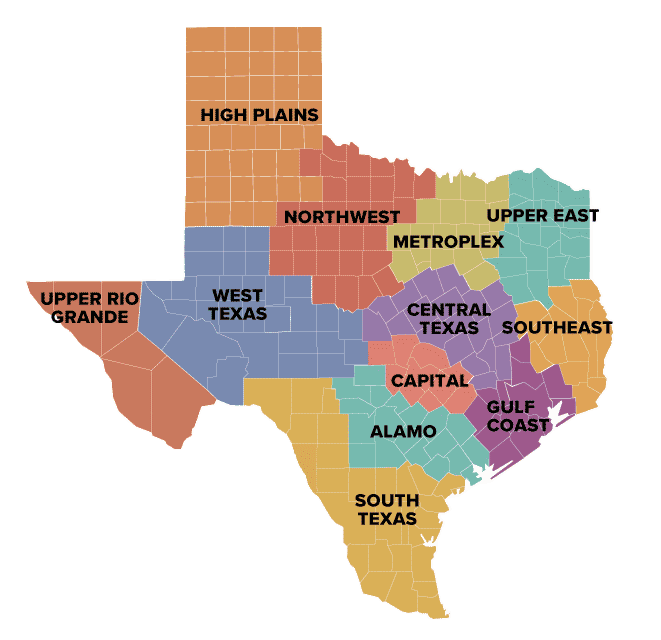
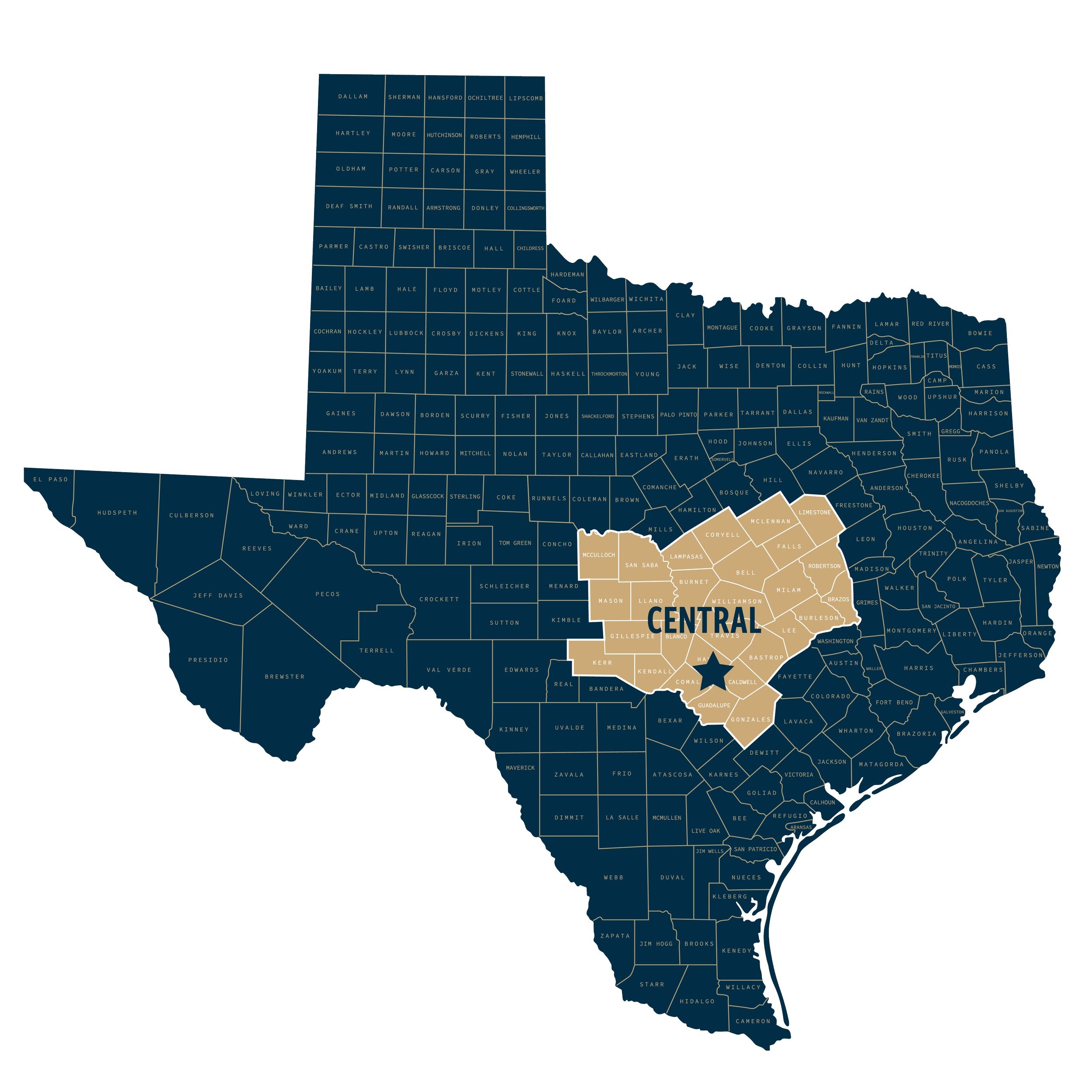
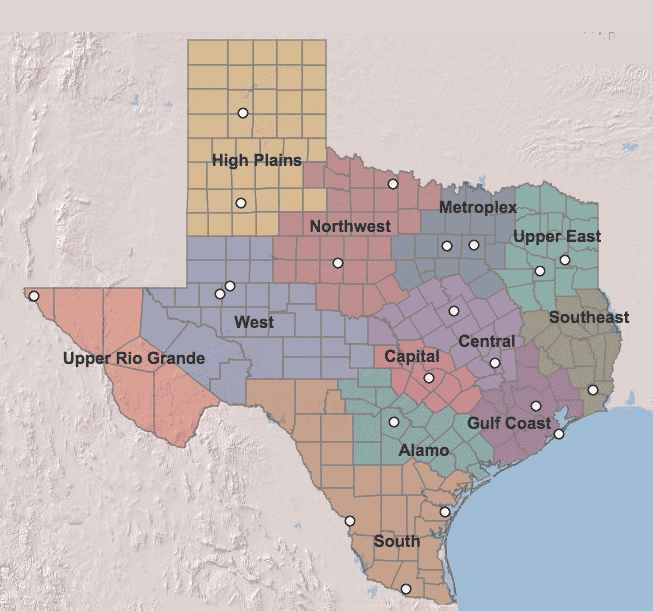
Understanding “where” Central Texas is geographically is the first step in appreciating its significance as a travel destination. While its exact boundaries can sometimes be debated, there’s a general consensus among Texans and cartographers alike that defines this crucial region, distinguishing it from the vast plains to the north, the arid deserts to the west, the piney woods to the east, and the subtropical warmth to the south.
Geographical Boundaries and Major Regions
Central Texas typically encompasses the area situated roughly between the major metropolitan centers of Dallas-Fort Worth to the north and Houston to the east, extending down towards San Antonio in the south. It often forms part of the “Texas Triangle,” an economically significant and densely populated region defined by the Interstate 35 corridor connecting Dallas, Fort Worth, Austin, and San Antonio, along with the Interstate 45 corridor linking Dallas and Houston, and Interstate 10 connecting Houston and San Antonio. Within this triangle, Central Texas can be thought of as the southern and western anchor.
Key counties generally considered part of Central Texas include Travis, Williamson, Hays, Burnet, Comal, Guadalupe, Bell, McLennan, Bastrop, Caldwell, Lee, Fayette, Gillespie, and Blanco, among others. This region serves as a crucial crossroads, both geographically and culturally, bridging the gap between various distinct Texan identities.
A Confluence of Landscapes
What truly sets Central Texas apart as a destination is its incredible topographical diversity. It’s where the rolling prairies of the east meet the rugged, limestone hills of the west, giving rise to some of the state’s most iconic scenery. The dominant feature is undoubtedly the Texas Hill Country, a breathtaking expanse characterized by its undulating terrain, spring-fed rivers, scenic valleys, and distinctive oak and juniper trees. This landscape transitions into flatter plains in the eastern and northern reaches, showcasing a blend of agricultural lands and burgeoning urban areas.
The region is carved by numerous rivers, most notably the Colorado River (the one in Texas, not the one of Grand Canyon fame), the Guadalupe River, and the Brazos River, which have shaped the land and provided fertile ground for both agriculture and recreation. These waterways are vital arteries, supporting diverse ecosystems and offering abundant opportunities for swimming, fishing, kayaking, and tubing, especially popular during the warmer months. This rich variety of natural settings ensures that whether a traveler seeks adventure or tranquility, Central Texas delivers.
Iconic Cities and Vibrant Hubs
At the heart of Central Texas lie a collection of cities, each with its own distinct personality, contributing to the region’s dynamic appeal. From the capital’s eclectic vibe to historic missions and bustling university towns, these hubs offer a concentrated dose of Texan culture, history, and modern life.
Austin: The Live Music Capital
As the capital of Texas, Austin is often considered the epicenter of Central Texas and is a must-visit destination. Known globally as the “Live Music Capital of the World,” the city pulses with an electrifying energy, evident in its numerous venues, from intimate bars to grand concert halls. Beyond its musical heritage, Austin boasts a vibrant culinary scene, ranging from world-renowned BBQ joints and food trucks to innovative fine dining establishments.
Travelers can explore the majestic Texas State Capitol, stroll through the expansive Zilker Park, or experience the quirky shops and street art along South Congress Avenue. The city’s commitment to outdoor living is also apparent, with Lady Bird Lake offering kayaking and paddleboarding, and numerous trails inviting hikers and bikers. Austin truly embodies the “Keep Austin Weird” motto, blending its official status with a proudly independent and progressive spirit.
San Antonio: A Blend of History and Heritage
South of Austin, San Antonio offers a profound journey into Texas’s rich history and vibrant Tejano culture. It’s a city where historical landmarks stand proudly alongside modern attractions, creating a unique travel experience. The most famous symbol of Texas independence, the Alamo, is located here, serving as a powerful reminder of the state’s storied past.
The iconic San Antonio River Walk (Paseo del Río) is another jewel, a network of walkways along the banks of the San Antonio River, shaded by cypress trees and lined with shops, restaurants, and hotels. Beyond these, the city is home to a collection of Spanish colonial missions, including Mission San José, Mission Concepción, Mission Espada, and Mission San Juan Capistrano, all part of a UNESCO World Heritage Site, offering a deeper insight into the region’s foundational history.
Waco: History and Modern Charm
Further north within Central Texas lies Waco, a city that has experienced a significant revitalization, attracting visitors with its unique blend of history, natural beauty, and modern design influences. Most notably, Waco is home to Magnolia Market at the Silos, a massive complex developed by HGTV stars Chip and Joanna Gaines, drawing countless fans of home design and farmhouse chic.
Beyond its contemporary appeal, Waco holds significant historical relevance. It’s the site of Baylor University, one of the oldest universities in Texas, lending the city a vibrant collegiate atmosphere. The Branch Davidian siege site is also near Waco, a somber reminder of a tragic moment in recent history. For a prehistoric experience, the Waco Mammoth National Monument offers a fascinating glimpse into Ice Age life with its preserved mammoth fossils.
Killeen and Temple: Military Roots and Healthcare Hubs
To the north of Austin, the cities of Killeen and Temple serve as important regional centers. Killeen is best known as the home of Fort Hood, one of the largest U.S. military installations in the world. This strong military presence gives the city a unique character, with a significant portion of its population having ties to the armed forces.
Adjacent to Killeen, Temple is recognized as a major healthcare hub, home to several large medical centers and hospitals. While perhaps not traditional tourist destinations, these cities offer important services and a glimpse into different facets of Central Texas life, representing crucial economic and community pillars.
College Station and Bryan: Aggie Spirit and Small-Town Charm
East of Waco and northeast of Austin are the twin cities of College Station and Bryan. College Station is synonymous with Texas A&M University, a powerhouse institution with a deeply ingrained “Aggie” spirit. The university’s sprawling campus, traditions, and passionate sports culture are central to the city’s identity, drawing visitors for sporting events, campus tours, and educational programs.
Bryan, its older sister city, offers a charming historic downtown district with renovated buildings, local boutiques, and a growing culinary scene, providing a pleasant counterpoint to the more bustling university environment of College Station. Together, they offer a rich experience for those interested in collegiate life, Texan history, and local culture.
The Allure of the Texas Hill Country
Beyond its cities, the magnetic appeal of Central Texas is inextricably linked to the captivating landscape known as the Texas Hill Country. This region, stretching westward from Austin and San Antonio, is a world unto itself, celebrated for its unique beauty and abundant recreational opportunities.
Natural Wonders and Outdoor Adventures
The Texas Hill Country is a haven for outdoor enthusiasts. Its rugged terrain, carved by ancient rivers and marked by impressive limestone formations, offers a plethora of activities. Hikers flock to destinations like Enchanted Rock State Natural Area, an enormous pink granite dome that provides challenging climbs and panoramic views. Pedernales Falls State Park, with its tiered limestone riverbed and cascading waterfalls, is another gem, perfect for swimming, hiking, and picnicking.
The numerous spring-fed rivers and lakes, including parts of the Colorado River, are ideal for tubing, kayaking, and fishing, especially during the hot summer months. Caving, birdwatching, and stargazing are also popular pastimes, taking advantage of the region’s natural splendor and less light-polluted skies.
Wineries, Breweries, and Culinary Delights
In recent decades, the Texas Hill Country has blossomed into a premier wine region, earning national recognition for its vineyards and wineries. The area around Fredericksburg is particularly renowned, boasting dozens of wineries offering tastings, tours, and stunning views. Beyond wine, a burgeoning craft beer and spirits scene has also taken root, with numerous breweries and distilleries producing high-quality local beverages.
The culinary landscape complements these libations, offering everything from classic Texas BBQ and comfort food to upscale farm-to-table experiences, often utilizing fresh, local ingredients. Exploring the region’s gastronomic offerings is an adventure in itself, providing a taste of true Texan hospitality.
Charming Towns and Unique Experiences
Scattered throughout the Texas Hill Country are a collection of quaint towns, each possessing its own unique character and charm. Fredericksburg, with its strong German heritage, offers a delightful mix of boutiques, art galleries, and historic buildings. Gruene, a designated historic district within New Braunfels, is famous for Gruene Hall, the oldest dance hall in Texas, still hosting live music nightly.
Wimberley draws visitors with its arts community, blue hole swimming experiences, and charming shops. Johnson City, known as the “Gateway to the Hill Country,” offers a glimpse into Lyndon B. Johnson’s boyhood home. Dripping Springs, the “Wedding Capital of Texas,” is also a hub for breweries and distilleries. These towns provide a perfect blend of relaxation, exploration, and genuine Texan hospitality, inviting travelers to slow down and savor the unique atmosphere.
Planning Your Central Texas Itinerary
Armed with an understanding of “where” Central Texas is and what it offers, the next logical step for a traveler is to consider how to best experience this diverse region. A successful itinerary hinges on recognizing the scale and scope of the area and planning accordingly.
Best Time to Visit
The best time to visit Central Texas largely depends on your desired activities. Spring (March to May) is arguably the most popular, with pleasant temperatures, blooming wildflowers (especially the iconic bluebonnets), and numerous outdoor festivals. However, it can also be a peak travel season with higher prices. Fall (September to November) offers similar comfortable weather and beautiful foliage, making it another excellent choice.
Summers (June to August) are typically hot and humid, with temperatures often exceeding 90°F (32°C). This is prime time for river activities and swimming holes but may be less ideal for extensive outdoor hiking or urban exploration. Winters (December to February) are generally mild, though cold fronts can bring freezing temperatures. This season is perfect for enjoying indoor attractions, city lights, and smaller crowds.
Getting Around
Given the spread-out nature of many attractions and the distinction between urban centers and the expansive Texas Hill Country, a personal vehicle is almost essential for exploring Central Texas. Major interstates like I-35 connect the primary cities of Austin, San Antonio, and Waco, while scenic state highways and country roads weave through the smaller towns and natural landscapes. Rental cars are readily available at the region’s major airports, including Austin-Bergstrom International Airport and San Antonio International Airport. While ride-sharing services are present in the major cities, they become less reliable and more costly for inter-city or rural travel.
Diverse Travel Experiences Await
Central Texas truly offers a microcosm of the entire state’s appeal. From the buzzing nightlife and cultural institutions of Austin, to the deep historical roots of San Antonio, and the serene beauty of the Texas Hill Country, a traveler can craft an itinerary that satisfies virtually any interest. Whether you seek thrilling outdoor adventures, a deep dive into Texas history, a culinary journey, or simply a relaxing escape into scenic landscapes, Central Texas stands ready to deliver an unforgettable travel experience.
In conclusion, “where is Central Texas?” is not just a question of geography but an invitation to discover a region that encapsulates the very soul of the Lone Star State. It’s a place where diverse landscapes meet vibrant cultures, where history is palpable, and where every traveler can find their own slice of Texan paradise.
LifeOutOfTheBox is a participant in the Amazon Services LLC Associates Program, an affiliate advertising program designed to provide a means for sites to earn advertising fees by advertising and linking to Amazon.com. Amazon, the Amazon logo, AmazonSupply, and the AmazonSupply logo are trademarks of Amazon.com, Inc. or its affiliates. As an Amazon Associate we earn affiliate commissions from qualifying purchases.