
For anyone establishing roots or simply navigating the practicalities of life in the Sunshine State, understanding the process of obtaining a car title is a fundamental step. Whether you’re a new resident eager to register your out-of-state vehicle, purchasing a new car within Florida, or simply need to replace a lost title, the official documentation proving ownership of your vehicle is paramount. This guide provides an insightful, professional overview, designed to streamline your journey through Florida‘s titling procedures, ensuring your lifestyle in the state remains as smooth and enjoyable as possible.
Understanding the Car Title: Your Vehicle’s Official Proof of Ownership in Florida
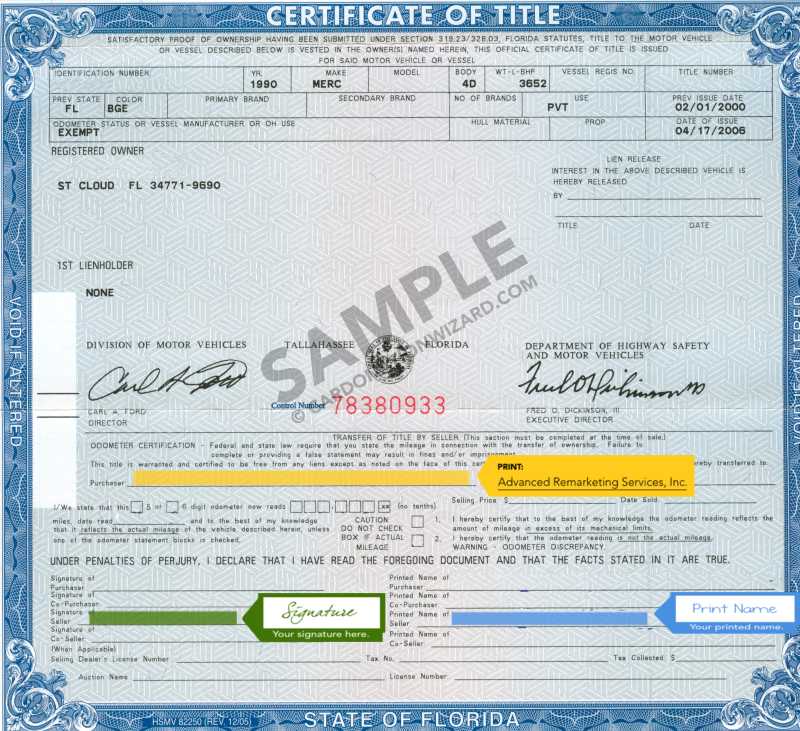
At its core, a car title is a legal document that establishes a person or business as the legal owner of a vehicle. It’s more than just a piece of paper; it’s the definitive proof of ownership, essential for a multitude of transactions and legal requirements in Florida. For those relocating or making Florida their permanent home, securing this document promptly and correctly is a key element of settling in and enjoying the lifestyle the state offers.
What is a Car Title and Why is it Essential?
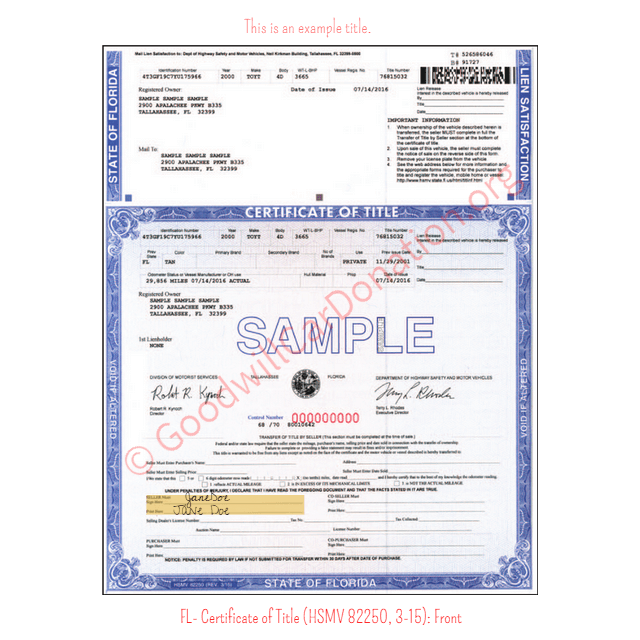
A car title contains crucial information about your vehicle, including its make, model, year, Vehicle Identification Number (VIN), and the name of the legal owner. It also details any liens on the vehicle, meaning if you have an outstanding car loan, the lender’s name will appear on the title until the loan is paid off. This document is indispensable for several reasons. Without a valid car title, you cannot legally sell your vehicle, transfer ownership, or often even register it for plates. It’s your official proof that you have a legal claim to the vehicle, safeguarding your asset and ensuring compliance with state regulations. For individuals embracing the Florida lifestyle, having your affairs in order, including vehicle ownership, provides peace of mind and allows for seamless integration into the community.
The Importance of a Clean Title for Your Florida Lifestyle
The term “clean title” refers to a vehicle title that is free from any major issues, such as salvage, flood, or accident branding. A clean title signifies that the vehicle has not been declared a total loss by an insurance company, which is crucial for both buyers and sellers. When purchasing a vehicle, ensuring it has a clean title is vital for protecting your investment and preventing future complications with insurance or resale. For new Florida residents, understanding title types is part of being an informed consumer and driver, which is integral to managing your daily life and maintaining the quality of your lifestyle. A vehicle with a branded title, such as a Salvage Title, may be more challenging to insure, register, and will significantly impact its resale value. Ensuring your vehicle’s title is clean is a smart financial and practical move for anyone looking to enjoy hassle-free motoring in Florida.
Navigating the Process: Steps to Obtain Your Florida Car Title
The process of obtaining a car title in Florida is managed by the Florida Department of Highway Safety and Motor Vehicles (DHSMV) through its local Tax Collector’s Office. While seemingly complex, breaking it down into manageable steps makes it straightforward. Preparing ahead of time ensures a smooth and efficient experience, allowing you to quickly move on to enjoying all that Florida has to offer.
Initial Requirements: What You’ll Need to Gather
Regardless of your specific situation, a few key documents are almost always required to obtain a car title in Florida. Gathering these in advance is crucial for a smooth transaction. You will typically need:
- Proof of Identity: A valid driver’s license or state ID. For new Florida residents, this might include your out-of-state driver’s license.
- Proof of Ownership: This is usually the original title certificate (if transferring ownership), or a Manufacturer’s Certificate of Origin (MCO) for a brand-new vehicle.
- Proof of Florida Insurance: Minimum Personal Injury Protection (PIP) and Property Damage Liability (PDL) coverage is mandatory. Ensure your insurance policy is active and covers the vehicle you are titling.
- Odometer Disclosure: Required for vehicles less than 10 years old. This states the vehicle’s mileage at the time of sale.
- Bill of Sale: While not always strictly required for title transfer if the assignment on the title is complete, a bill of sale is highly recommended, especially for private party sales, as it provides clear documentation of the transaction terms.
- Payment for Fees: Be prepared for titling fees, registration fees, and sales tax. These can vary based on vehicle type and price.
Having these documents organized ensures your visit to the Tax Collector’s Office is productive, a small but important detail in managing your Florida lifestyle efficiently.
Where to Apply: Connecting with the Florida Department of Highway Safety and Motor Vehicles (DHSMV)
All vehicle titling and registration in Florida is handled by local Tax Collector’s Office agencies, acting as agents for the Florida Department of Highway Safety and Motor Vehicles. These offices are conveniently located throughout the state in cities like Miami, Orlando, and Tampa. You must visit a local office in person to complete the titling process, especially for the initial registration of a vehicle in Florida. It’s advisable to check the specific requirements and operating hours of your local Tax Collector’s Office before your visit, as they can vary slightly by county. Some offices allow you to schedule appointments online, which can significantly reduce wait times and make the experience more convenient, aligning with a desire for an unencumbered Florida lifestyle.
Understanding the Application Forms and Fees
When you visit the Tax Collector’s Office, you will typically need to complete a few forms. The most common is Form HSMV 82040, Application for Certificate of Title With/Without Registration. If you are a new Florida resident titling an out-of-state vehicle, you may also need Form HSMV 82042, Vehicle Identification Number and Odometer Verification. This form requires verification by a Florida law enforcement officer or licensed dealer.
Fees associated with titling include:
- Original Title Fee: For a new title.
- Initial Registration Fee: (Also known as a “new plate fee”) for vehicles that have never been registered in Florida.
- License Plate Fee: For your physical license plate.
- Sales Tax: Florida sales tax (6%) on the purchase price of the vehicle, minus any trade-in allowance. If you paid sales tax in another state, you might receive a credit towards Florida’s sales tax.
Understanding these costs upfront is crucial for budgeting and planning, ensuring that managing your vehicle’s legal standing is a seamless part of your overall Florida financial planning.
Specific Scenarios for Obtaining a Title in Florida
The specific steps to obtain a car title can vary depending on your situation. Florida has tailored processes for new residents, those purchasing vehicles, and individuals needing to replace documents. Understanding these nuances ensures you follow the correct procedure for your unique lifestyle needs.
New Residents: Titling an Out-of-State Vehicle
For individuals making the exciting transition to a Florida lifestyle, titling an out-of-state vehicle is a priority. Within 10 days of becoming employed, placing children in public school, or establishing residency, you must obtain a Florida registration and title. The process involves:
- VIN and Odometer Verification: As mentioned, you’ll need Form HSMV 82042, which can be completed by a Florida law enforcement officer, a licensed Florida dealer, or a notary public (if they are also a dealer or police officer).
- Original Out-of-State Title: You must surrender your current title. If your vehicle has a lienholder, they may hold the title. In this case, you’ll need their name and address, and the Florida DHSMV will request the title directly from them.
- Proof of Insurance: Valid Florida insurance is required.
- Application for Title and Registration: Complete Form HSMV 82040.
This process, while requiring a few extra steps, is designed to smoothly integrate your vehicle into the Florida system, allowing you to quickly enjoy the state’s extensive road networks.
Purchasing a Vehicle: New or Used in Florida
If you’re purchasing a vehicle within Florida, the titling process depends on whether it’s new or used, and if purchased from a dealer or private party.
- New Vehicles from a Dealer: Dealers typically handle all the titling and registration paperwork on your behalf. They will submit the Manufacturer’s Certificate of Origin (MCO), application forms, and fees to the DHSMV. This is often the most convenient option for buyers, streamlining the move into your new Florida vehicle.
- Used Vehicles from a Dealer: Similar to new vehicles, the dealer will manage the transfer of the existing Florida title into your name, along with registration.
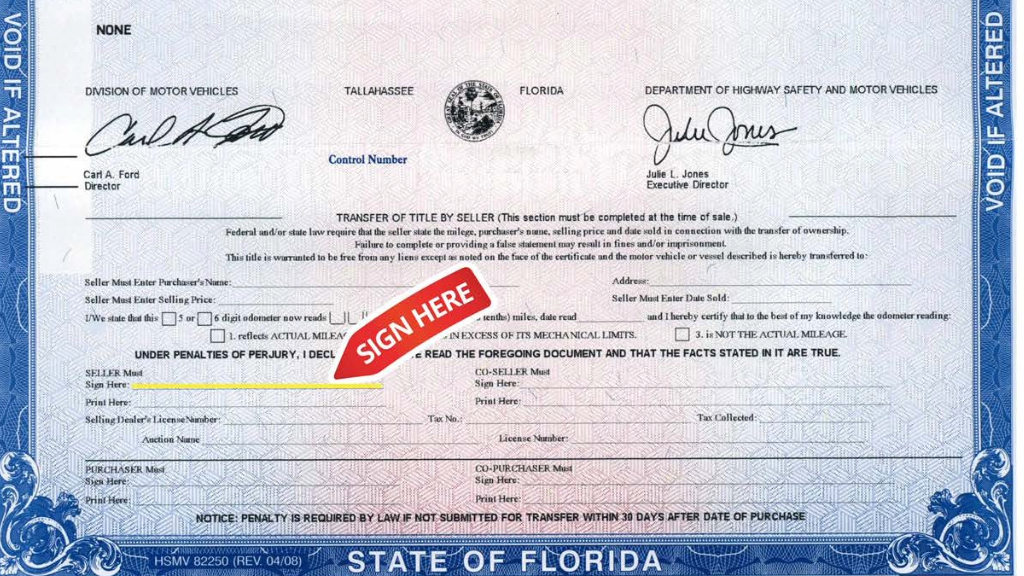
- Used Vehicles from a Private Party: This requires you to handle the title transfer yourself. The seller must sign over the original Florida title to you, including the odometer disclosure section. You will then take this signed title, along with your proof of insurance, identity, and payment for fees, to a Tax Collector’s Office to apply for a new title in your name. A bill of sale is highly recommended to clarify the terms of the transaction.
Lost, Stolen, or Damaged Titles: Obtaining a Duplicate
A lost, stolen, or damaged title can be a significant inconvenience, interrupting your daily Florida lifestyle. Fortunately, obtaining a duplicate title is a relatively straightforward process. You will need to complete Form HSMV 82101, Application for Duplicate or Lost in Transit/Reassignment Title. You must submit this form, along with proof of identification and the applicable fee, to any Tax Collector’s Office. If there is an outstanding lien on the vehicle, the lienholder will be mailed the duplicate title. Otherwise, it will be mailed directly to you. This service ensures that unforeseen events do not permanently hinder your vehicle ownership documentation.
Expediting Your Title Process and Avoiding Common Pitfalls
While the Florida titling process is designed to be efficient, certain practices can further speed it up or prevent unnecessary delays, helping you maintain a stress-free Florida lifestyle.
Utilizing Electronic Titles (e-Titles) for Convenience
Florida offers the option of an Electronic Title (e-Title), which stores your vehicle’s title information in a secure electronic format instead of issuing a paper title. When a lien exists on your vehicle, the DHSMV automatically records the title information electronically. Once the lien is satisfied, a paper title is mailed to the owner unless they opt to keep it electronic. For those who prefer not to have a paper title, the e-Title offers convenience and security, reducing the risk of loss or damage and simplifying future transactions, a modern approach fitting a modern Florida lifestyle. You can always request a paper title if needed.
Dealer-Assisted Titling vs. DIY
When acquiring a vehicle, you generally have two paths for titling:
- Dealer-Assisted Titling: As mentioned, dealers typically handle all the paperwork. This is often preferred for its convenience, especially for those new to Florida or unfamiliar with the process. The dealer ensures all forms are correctly filled out, fees paid, and the title is transferred promptly.
- Do-It-Yourself (DIY) Titling: If you purchase a vehicle from a private seller, or simply prefer to manage the process yourself, you will be responsible for gathering all documents, completing forms, and visiting the Tax Collector’s Office. While it requires more effort, it provides direct control over the process and can save on dealer documentation fees.
Choosing between these options depends on your comfort level with administrative tasks and your desire for convenience versus cost savings, reflecting individual preferences within the Florida lifestyle.
Common Mistakes to Avoid
To ensure a seamless titling experience in Florida, be mindful of these common pitfalls:
- Incomplete or Incorrect Forms: Double-check all forms for accuracy and ensure all required fields are filled out. Errors can lead to delays.
- Missing Signatures: Ensure all parties (buyer, seller, lienholder if applicable) have signed where necessary on the title and application forms.
- Expired Insurance: Driving or attempting to register a vehicle without valid Florida insurance is illegal and will prevent titling.
- Unpaid Sales Tax: Be prepared to pay Florida sales tax unless you have proof of prior payment in another state that meets Florida’s requirements.
- Procrastination: Especially for new residents, adhering to the 10-day rule for titling and registration is crucial to avoid penalties.
Avoiding these common errors helps in maintaining a hassle-free existence and enjoying the renowned Florida lifestyle without bureaucratic headaches.
Beyond the Title: Maintaining Your Vehicle Registration and Compliance in Florida
Obtaining your car title is the first major step; however, maintaining your vehicle’s legal status in Florida involves ongoing responsibilities. Staying compliant ensures your continued ability to drive legally and enjoy the freedom of the open road across the state.
Understanding Vehicle Registration Renewals
Once your vehicle is titled and registered, you’ll receive a registration certificate and license plate. Vehicle registrations in Florida typically expire on the owner’s birthday, though corporate-owned vehicles may have different schedules. Renewal notices are usually sent out a few weeks before expiration. You can renew your registration online, by mail, or in person at a Tax Collector’s Office. Ensuring timely renewal is a simple but critical part of maintaining your active and mobile Florida lifestyle, avoiding late fees and potential citations.
Insurance Requirements for Florida Drivers
Florida is a no-fault state, meaning all drivers must carry Personal Injury Protection (PIP) and Property Damage Liability (PDL) insurance. The minimum requirements are $10,000 in PIP coverage and $10,000 in PDL coverage. Proof of current Florida insurance is required not only for titling and registration but also for operating a vehicle on state roads. Driving without proper insurance can lead to severe penalties, including license suspension and significant fines. Integrating adequate insurance coverage into your financial planning is an essential aspect of responsible vehicle ownership and a secure Florida lifestyle.
Ensuring Your Vehicle’s Roadworthiness
While Florida does not require regular vehicle safety inspections for most private passenger vehicles, drivers are still responsible for ensuring their vehicles are in safe operating condition. This includes functional brakes, lights, tires, and other essential components. Maintaining a roadworthy vehicle is not just about legal compliance; it’s about personal safety and the safety of others on the road. For those who relish road trips and exploring the diverse landscapes of Florida, a well-maintained vehicle is key to an enjoyable and worry-free experience, a true embodiment of the freedom that the Florida lifestyle represents.
Obtaining and maintaining your car title in Florida is a foundational step for any vehicle owner in the state. By understanding the requirements, preparing your documents, and knowing where to go, you can navigate this process efficiently, ensuring that the practicalities of vehicle ownership seamlessly integrate into your vibrant Florida lifestyle.
LifeOutOfTheBox is a participant in the Amazon Services LLC Associates Program, an affiliate advertising program designed to provide a means for sites to earn advertising fees by advertising and linking to Amazon.com. Amazon, the Amazon logo, AmazonSupply, and the AmazonSupply logo are trademarks of Amazon.com, Inc. or its affiliates. As an Amazon Associate we earn affiliate commissions from qualifying purchases.