
Navigating periods of unemployment can be a significant life event, impacting an individual’s financial stability, daily routines, and overall lifestyle. For residents of the Sunshine State, understanding the intricacies of the Florida Reemployment Assistance Program is crucial. This comprehensive guide delves into how the system operates, its eligibility requirements, the application process, and crucially, how it can influence one’s lifestyle and financial planning within Florida. While facing unemployment presents challenges, understanding the available resources and planning strategically can help individuals maintain stability and even explore budget-friendly lifestyle options, like local recreation, during transitional periods.
Navigating the Florida Reemployment Assistance Program
The Florida Reemployment Assistance Program, administered by FloridaCommerce (formerly the Department of Economic Opportunity), serves as a safety net for eligible individuals who have lost their jobs through no fault of their own. It provides temporary financial benefits to help bridge the gap while they search for new employment. For those accustomed to the vibrant lifestyle of cities like Miami or the family-oriented attractions around Orlando, an unexpected job loss requires a swift understanding of this system to maintain essential living standards.
Eligibility Requirements and Initial Steps
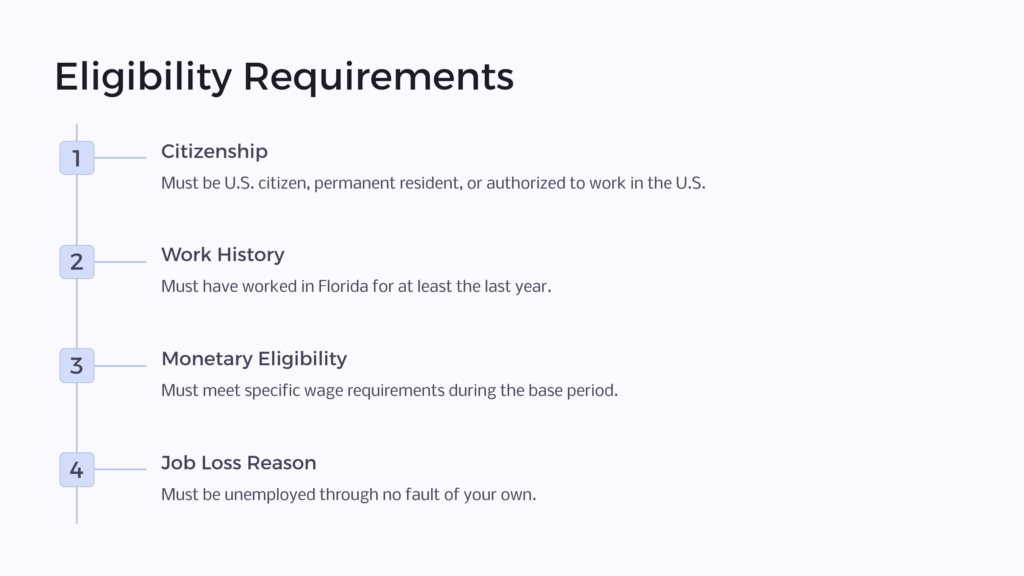
To qualify for Reemployment Assistance benefits in Florida, claimants must meet specific criteria. The fundamental requirements typically include:
- Monetary Eligibility: You must have earned sufficient wages during a “base period” – a specific 12-month timeframe defined by the state – from an employer covered by Florida’s unemployment compensation law. This calculation ensures that only those with a recent work history contribute to the system and are eligible to draw from it. The state looks at wages earned over the first four of the last five completed calendar quarters immediately preceding the week in which you file your claim.
- Reason for Separation: You must have lost your job through no fault of your own. This generally means being laid off, having your position eliminated, or being discharged for reasons other than misconduct. Quitting voluntarily without good cause attributable to the employer, or being fired for misconduct, typically disqualifies an applicant.
- Availability and Ability to Work: Claimants must be able and available for work, and actively seeking employment. This is a critical component, as the program is designed to assist those actively transitioning back into the workforce, not those simply choosing not to work.
- Registration for Work: All applicants are usually required to register for work with the state’s workforce system, often through a dedicated online portal.
The initial step in this process is to file a claim online through the FloridaCommerce Connect system. This system is the primary conduit for all interactions, from application to weekly certifications, reflecting the state’s move towards digital public services.
Understanding Weekly Benefits and Duration
The amount of weekly benefits an eligible individual receives in Florida is determined by their earnings during the base period. The state calculates an average weekly wage, but there is both a minimum and a maximum weekly benefit amount. This cap means that higher earners will not receive a benefit amount that fully replaces their previous income, necessitating careful budgeting. Currently, Florida’s weekly benefit amount is among the lower tiers nationally, which significantly impacts an individual’s capacity to maintain their prior lifestyle without substantial adjustments.
The duration for which benefits can be received also varies. It is primarily tied to the unemployment rate in Florida and can fluctuate. Historically, the maximum duration has been around 12 to 14 weeks, though federal extensions have occasionally been implemented during periods of high unemployment, such as the COVID-19 pandemic. Understanding these limitations is vital for financial planning, particularly for those residing in high-cost-of-living areas like Fort Lauderdale or Naples, where even a few weeks of benefits might barely cover essential expenses. The finite nature of these benefits underscores the urgency of active job searching and strategic financial management.
The Application Process: A Digital Journey
The application process for Reemployment Assistance in Florida is almost entirely digital, managed through the “Connect” online portal. This system is designed to streamline claims, but it also requires claimants to have internet access and a degree of digital literacy. The journey begins with gathering necessary documentation and continues with diligent weekly reporting.
Key Information Needed for Your Claim
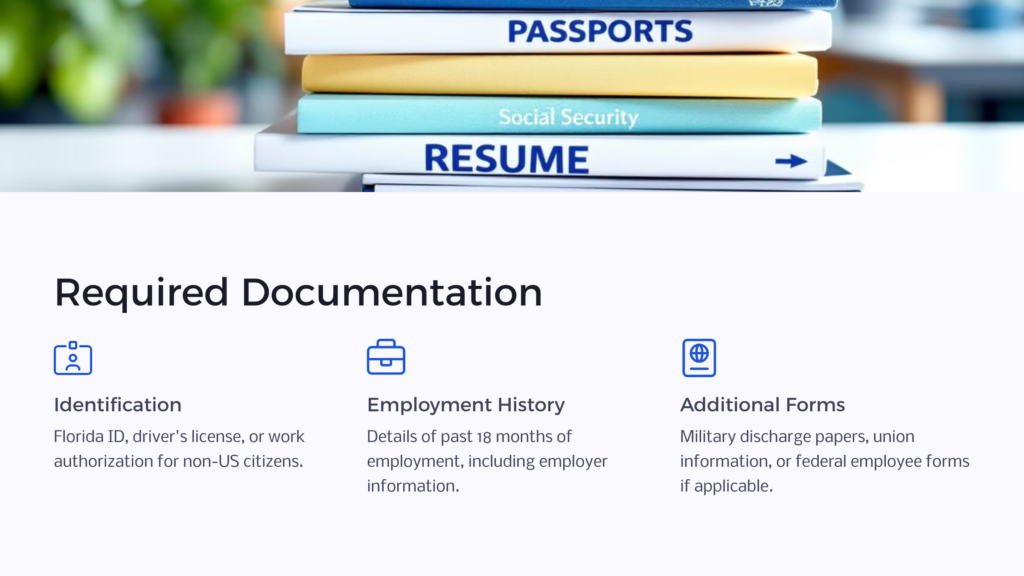
When filing an initial claim, applicants must be prepared to provide a range of personal and employment information. Accuracy and completeness are paramount to avoid delays or denials. Essential information typically includes:
- Social Security Number: For identification and wage verification.
- Driver’s License or State ID Number: For identity verification.
- Employment History: Details of all employers for the past 18 months, including names, addresses, phone numbers, dates of employment, and reasons for separation. This helps FloridaCommerce verify wages and eligibility.
- Wage Information: Gross earnings from each employer during the relevant base period. Pay stubs or W-2 forms can be useful references.
- Bank Account Information: For direct deposit of benefits, which is the most common and fastest method of payment.
- Alien Registration Number (if not a U.S. citizen): To verify work authorization.
- DD-214 (if recently separated from military service): For veterans applying for benefits.
Having all this information readily available before starting the online application can significantly expedite the process and reduce the likelihood of errors. The system can be sensitive to inaccuracies, and even minor discrepancies can lead to investigation and delays in receiving crucial financial support.
Certification and Maintaining Eligibility
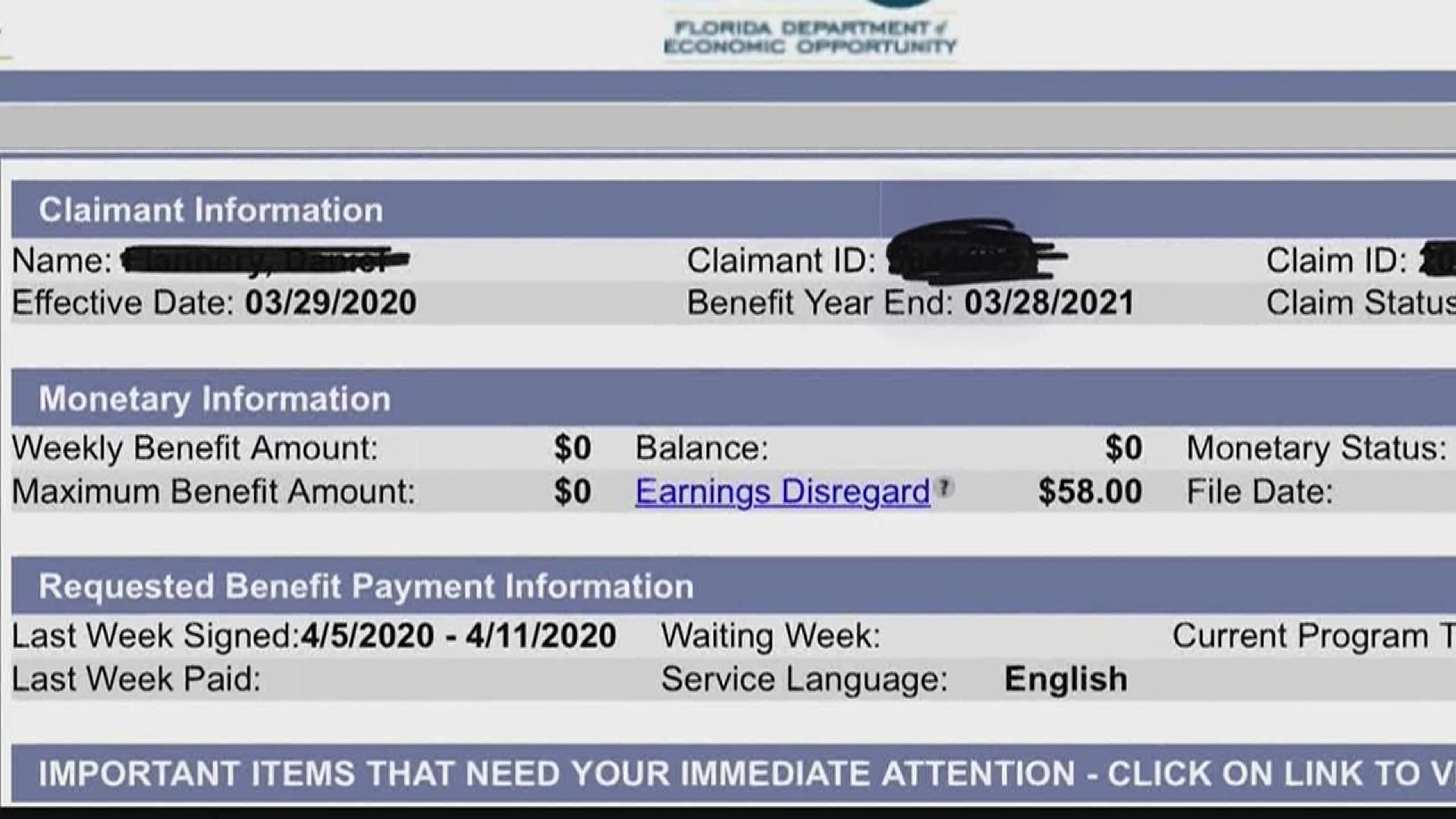
Once a claim is filed and deemed eligible, the work isn’t over. To continue receiving benefits, claimants must “certify” their eligibility every two weeks. This involves logging into the Connect system and answering a series of questions designed to confirm that they still meet the program’s requirements. These questions typically cover:
- Availability and Ability to Work: Confirming that you were able and available for full-time work during the two-week period.
- Job Search Activities: Reporting on the number and nature of job applications or job search contacts made. Florida often has specific requirements for the minimum number of job contacts per week.
- Earnings: Reporting any gross earnings from part-time work or other sources during the certification period. This is vital, as even small amounts of income can affect the weekly benefit amount.
- Refusal of Work: Disclosing if any suitable work was offered and refused. Refusing suitable work without good cause can lead to disqualification.
Failing to certify on time or providing inaccurate information can result in the suspension or termination of benefits. This regular engagement with the system is a critical responsibility for claimants, emphasizing that Reemployment Assistance is not a passive income but an active partnership aimed at re-employment. For those in vibrant job markets like Tampa or Jacksonville, diligent job searching alongside certification is key to a swift return to stability.
Impact on Lifestyle and Financial Planning in the Sunshine State
Unemployment inevitably forces a re-evaluation of lifestyle and financial priorities. In Florida, a state known for its tourism, outdoor activities, and diverse cities, adapting to a reduced income requires strategic planning to maintain mental well-being and meet essential needs.
Budgeting for Essentials and Non-Essentials
The stark reality of receiving Reemployment Assistance benefits means a significant reduction in discretionary income. For many, this necessitates a fundamental shift in budgeting. Essential expenses, such as rent/mortgage, utilities, groceries, and transportation, become the absolute priority. Non-essential spending, which might have previously included dining out frequently, entertainment, or luxury travel, often needs to be curtailed or eliminated entirely.
- Housing: Florida’s diverse housing market means costs vary dramatically, from the higher prices in metropolitan areas like Miami to potentially more affordable options in inland communities. Unemployed individuals might need to explore options like negotiating with landlords, seeking rental assistance programs, or even considering temporary downscaling.
- Food: Prioritizing home-cooked meals, utilizing grocery store sales, and exploring local food banks can help stretch food budgets significantly.
- Transportation: With gas prices fluctuating, finding ways to reduce driving, utilizing public transport where available (e.g., in Orlando or Tampa), or even cycling can help.
This period often highlights the importance of an emergency fund. Those who have a savings cushion are better positioned to weather the storm, supplementing their Reemployment Assistance benefits and mitigating the impact on their lifestyle.
Exploring Local Activities on a Reduced Income
While grand vacations might be off the table, Florida offers a wealth of budget-friendly activities that can help maintain a positive outlook and quality of life during unemployment. Embracing “staycations” or exploring local gems can be an excellent way to reduce stress and stay engaged without breaking the bank.
- Parks and Beaches: Many of Florida’s stunning state parks, natural springs, and world-renowned beaches like those near Sarasota or Key West offer free or low-cost access. Spending a day swimming, hiking, or picnicking can be incredibly rejuvenating.
- Local Libraries and Community Centers: These often provide free events, workshops, internet access (crucial for job searching), and a vast array of books, movies, and other resources.
- Museums and Cultural Events: Many museums in cities like St. Augustine or Jacksonville offer free admission days or reduced rates. Local festivals and farmers’ markets can provide entertainment and community engagement at minimal cost.
- Home-Based Hobbies: Rediscovering hobbies like gardening, cooking, reading, or creative arts can provide fulfilling ways to spend time without significant expense, enhancing one’s personal lifestyle at home.
The period of unemployment, while challenging, can also be an opportunity to discover new local favorites and appreciate the beauty of Florida from a different perspective, emphasizing experiences over expensive expenditures.
Seeking Support and Re-employment Resources
Beyond the financial benefits, FloridaCommerce and its partners offer various resources aimed at helping individuals return to work. Leveraging these tools is as important as managing finances during unemployment.
State Resources for Job Search and Training
Florida’s workforce system provides a robust network of resources through CareerSource Florida centers located throughout the state, including in major cities like Tallahassee and Orlando. These centers offer:
- Job Search Assistance: Access to job listings, resume building workshops, interview coaching, and networking events.
- Skills Training: Opportunities for vocational training, certifications, and educational programs to enhance marketability in growing industries. This can be particularly beneficial for those looking to pivot careers or re-skill after a prolonged period in a declining sector.
- Career Counseling: Professional guidance to identify strengths, explore career paths, and set realistic employment goals.
Engaging with these resources not only fulfills the job search requirements for Reemployment Assistance but also significantly improves the chances of finding suitable employment quickly. Many programs are free or low-cost, making them accessible even on a tight budget.
Beyond Benefits: Planning for Long-Term Financial Stability
While Reemployment Assistance provides short-term relief, the ultimate goal is long-term financial stability. This period of transition is an ideal time to reassess financial habits and set new goals.
- Building an Emergency Fund: Once re-employed, prioritizing the creation or replenishment of an emergency fund, typically 3-6 months of living expenses, is crucial to buffer against future unforeseen circumstances.
- Debt Management: Developing a plan to address any debts incurred during unemployment or to pay down existing high-interest debts can free up future income.
- Skill Development: Continuously investing in personal and professional development ensures ongoing employability and career growth, reducing the risk of future unemployment.
- Diversifying Income Streams: Exploring side gigs, freelance opportunities, or passive income streams can add an extra layer of financial security.
Understanding how unemployment works in Florida is more than just knowing how to apply for benefits; it’s about navigating a complex system with resilience, strategic financial planning, and proactive engagement with re-employment resources. By doing so, individuals can minimize the disruption to their lifestyle and swiftly transition back to stable and fulfilling employment within the vibrant Sunshine State.
LifeOutOfTheBox is a participant in the Amazon Services LLC Associates Program, an affiliate advertising program designed to provide a means for sites to earn advertising fees by advertising and linking to Amazon.com. Amazon, the Amazon logo, AmazonSupply, and the AmazonSupply logo are trademarks of Amazon.com, Inc. or its affiliates. As an Amazon Associate we earn affiliate commissions from qualifying purchases.