
The University of New Mexico (UNM), a vibrant hub of academic and cultural activity, is nestled in the heart of New Mexico’s largest city, Albuquerque. Its location is not merely a geographical point but a defining characteristic, deeply intertwined with the city’s identity and the broader Southwestern landscape. Understanding where UNM is situated opens a window into its unique academic environment, its impact on the local community, and its role as a significant landmark within the region. This exploration delves into the specific location of the university, its surrounding environment, and its accessibility, painting a comprehensive picture for prospective students, visitors, and researchers alike.
The Heart of Albuquerque: UNM’s Urban Setting
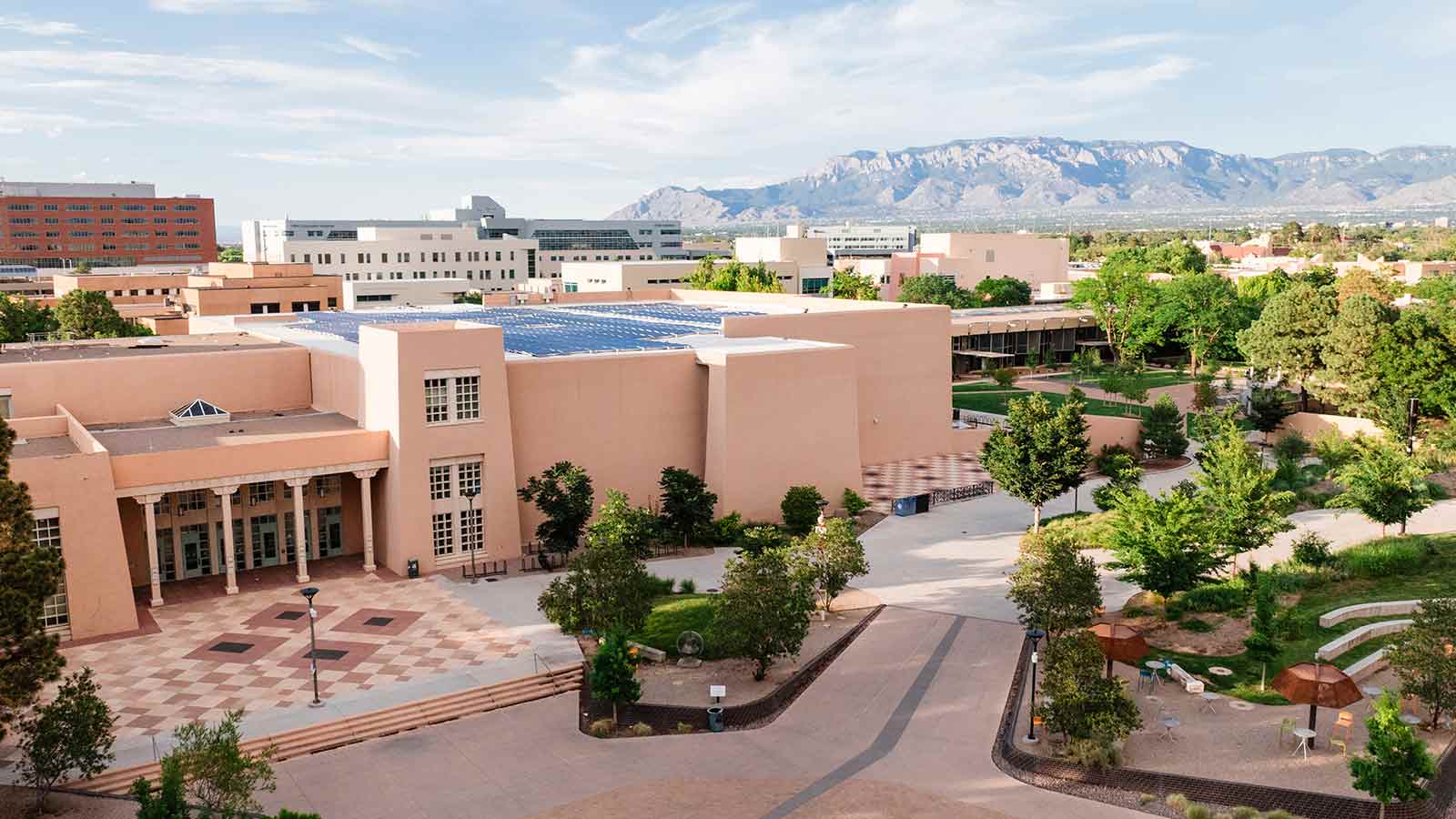
The University of New Mexico occupies a prominent position in Albuquerque, straddling the line between a classic college town campus and a significant urban institution. Its sprawling grounds are a defining feature of the city’s central corridor, influencing the surrounding neighborhoods and contributing to the dynamic urban fabric.
Central Location and Accessibility
UNM’s main campus is strategically located east of downtown Albuquerque, along Central Avenue, also known as historic Route 66. This prime positioning offers excellent accessibility for students, faculty, and visitors. The university is well-served by public transportation, with numerous bus routes converging on or passing near the campus, making it easy to navigate the city without a car. For those arriving by air, the Albuquerque International Sunport is conveniently located just a few miles south, ensuring a smooth transition for out-of-state and international arrivals. Major roadways, including Interstate 40 and Interstate 25, are also in close proximity, facilitating road travel to and from the university. The presence of extensive parking facilities further enhances its accessibility for those who choose to drive.
Surrounding Neighborhoods and Urban Integration
The university’s integration into the city means its borders are not starkly defined but rather blend into surrounding neighborhoods. The area directly east of UNM is largely residential, offering a mix of housing options for students and faculty. To the west, the campus gives way to a commercial district along Central Avenue, which is bustling with restaurants, shops, and local businesses that cater to the university community. This proximity fosters a symbiotic relationship, where the university’s presence drives economic activity, and the city’s amenities enrich the student experience. The area also benefits from its proximity to other key city institutions, including UNM Hospital, a major teaching hospital affiliated with the university, further solidifying its role as a central pillar of Albuquerque.
A Landmark of the Southwest: UNM’s Architectural and Natural Context
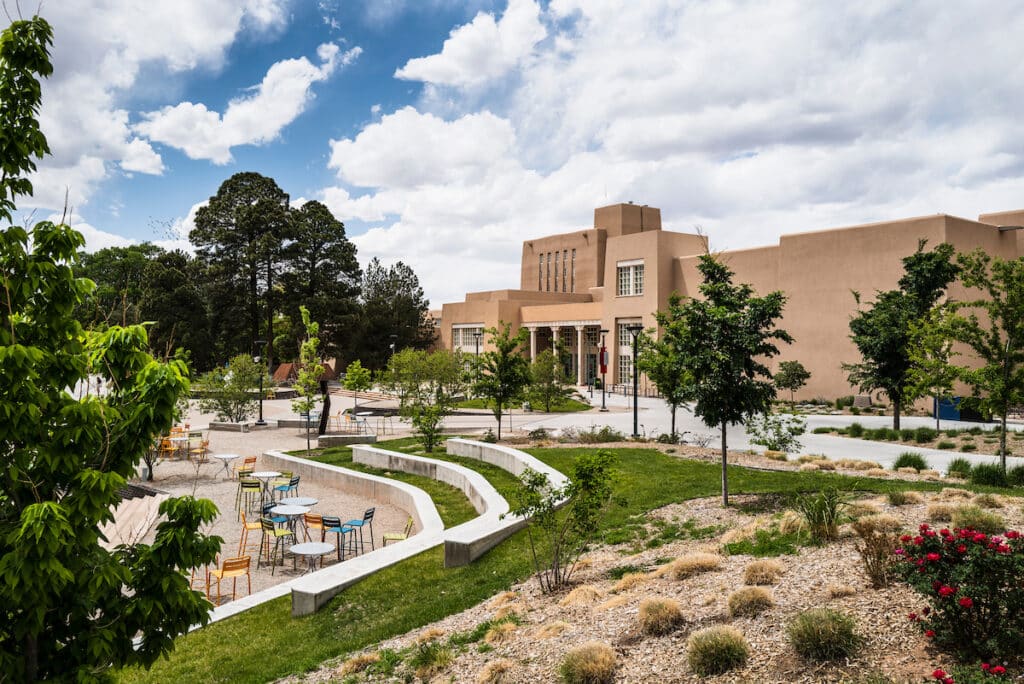
Beyond its urban setting, the University of New Mexico is recognized as a significant landmark, characterized by its distinctive Pueblo Revival architecture and its integration with the natural beauty of the New Mexico landscape. The campus itself is a destination, a place where history, culture, and modern academia converge.
Pueblo Revival Architecture
One of the most striking features of the University of New Mexico is its iconic Pueblo Revival architectural style. This style, deeply rooted in the region’s indigenous heritage and Spanish colonial history, is evident in many of its historic buildings, such as Hodgin Hall and the George I. Sánchez Building. Characterized by adobe-like materials, flat roofs, vigas (exposed ceiling beams), and latillas (small wooden beams), the architecture creates a unique and aesthetically pleasing campus environment that reflects the cultural spirit of the Southwest. This distinctive architectural language makes UNM easily identifiable and a subject of architectural interest and preservation efforts, distinguishing it from many other universities.
Proximity to Natural Wonders
The University of New Mexico’s location also places it in close proximity to stunning natural landscapes that are integral to the experience of living and studying in New Mexico. The majestic Sandia Mountains form a dramatic backdrop to the east, offering opportunities for hiking, skiing, and enjoying breathtaking panoramic views of Albuquerque and the surrounding valley. The nearby Rio Grande river valley provides a natural corridor with trails for recreation and preserves a vital ecological system. The arid climate and high desert environment contribute to the unique beauty and atmosphere of the campus and its surroundings, making UNM a place where academic pursuits are harmoniously blended with an appreciation for the natural world.
Exploring Beyond the Campus: UNM’s Influence on Local Tourism and Culture
The University of New Mexico is more than just an educational institution; it is a cultural anchor and a gateway to exploring the rich tapestry of Albuquerque and the broader New Mexico region. Its presence significantly influences the local tourism landscape and provides a vibrant focal point for cultural engagement.
Cultural Institutions and Events
The university is home to several cultural institutions and hosts a variety of events throughout the year that draw visitors from both within and outside the state. The Maxwell Museum of Anthropology and the Jonson Gallery of Fine Art offer valuable insights into the region’s art, history, and indigenous cultures. The Popejoy Hall on campus is the state’s largest performing arts center, attracting Broadway shows, concerts, and other major performances. Beyond these formal institutions, the university community itself generates a lively atmosphere, with numerous lectures, exhibitions, and student performances open to the public, contributing to Albuquerque’s reputation as a culturally rich destination.
Gateway to Southwestern Experiences
For tourists visiting New Mexico, the University of New Mexico serves as an excellent starting point and a central hub for experiencing the unique offerings of the Southwest. Its location provides convenient access to a wealth of attractions. Within Albuquerque itself, visitors can explore the historic Old Town, the Indian Pueblo Cultural Center, and the renowned National Museum of Nuclear Science & History. A short drive from the university opens up further possibilities, including the ancient cliff dwellings at Mesa Verde National Park, the artistic enclave of Santa Fe, and the otherworldly landscapes of White Sands National Park. The university’s presence, therefore, enhances the visitor experience by providing a well-established base with abundant resources and easy connections to the wider region’s distinctive attractions, natural beauty, and cultural heritage.
LifeOutOfTheBox is a participant in the Amazon Services LLC Associates Program, an affiliate advertising program designed to provide a means for sites to earn advertising fees by advertising and linking to Amazon.com. Amazon, the Amazon logo, AmazonSupply, and the AmazonSupply logo are trademarks of Amazon.com, Inc. or its affiliates. As an Amazon Associate we earn affiliate commissions from qualifying purchases.