
Embarking on a journey from the vibrant metropolis of Atlanta, Georgia, to the world-renowned theme park capital of Orlando, Florida, is a popular route for countless travelers each year. Whether you’re planning a family vacation, a business trip, or an adventurous road trip, understanding the logistics of this route is paramount. The direct distance between these two major Southeast USA hubs is approximately 440 miles (708 kilometers) by road, primarily via Interstate 75 (I-75) and Interstate 4 (I-4).
This extensive journey typically translates to a driving time of roughly 6.5 to 8 hours, depending on traffic conditions, chosen stops, and the specific starting and ending points within each city. While a straight shot might seem appealing, the allure of the open road often encourages exploration, transforming a simple commute into a memorable travel experience. This guide will delve into the various facets of traveling between Atlanta and Orlando, from transportation options to strategic planning, ensuring your trip is as smooth and enjoyable as possible.

Navigating the Journey: Modes of Transportation Between Two Southeastern Hubs
Choosing the right mode of transportation is the first critical step in planning your trip from Atlanta to Orlando. Each option offers a unique blend of cost, convenience, and travel time, catering to different preferences and needs.
Driving: The Quintessential American Road Trip
Driving is arguably the most common and flexible way to travel between Atlanta and Orlando. The journey typically involves taking I-75 South from Atlanta through central Georgia and into Florida, eventually connecting with I-4 East near Orlando. This route is well-maintained and offers numerous opportunities for gas, food, and rest stops.
- Pros: Unparalleled flexibility to set your own pace, stop wherever you please, and carry as much luggage as your vehicle allows. It can also be the most cost-effective option for families or groups sharing fuel expenses.
- Cons: Can be tiring for a single driver, especially if attempting the journey in one day. Traffic, particularly around Atlanta and Orlando or during peak travel seasons, can significantly extend travel times. Fuel costs and potential wear and tear on your vehicle are also considerations.
- Estimated Cost: Varies widely based on vehicle fuel efficiency and gas prices, but expect to spend approximately $50-$100 on fuel each way.
Flying: Speed and Convenience for Time-Conscious Travelers
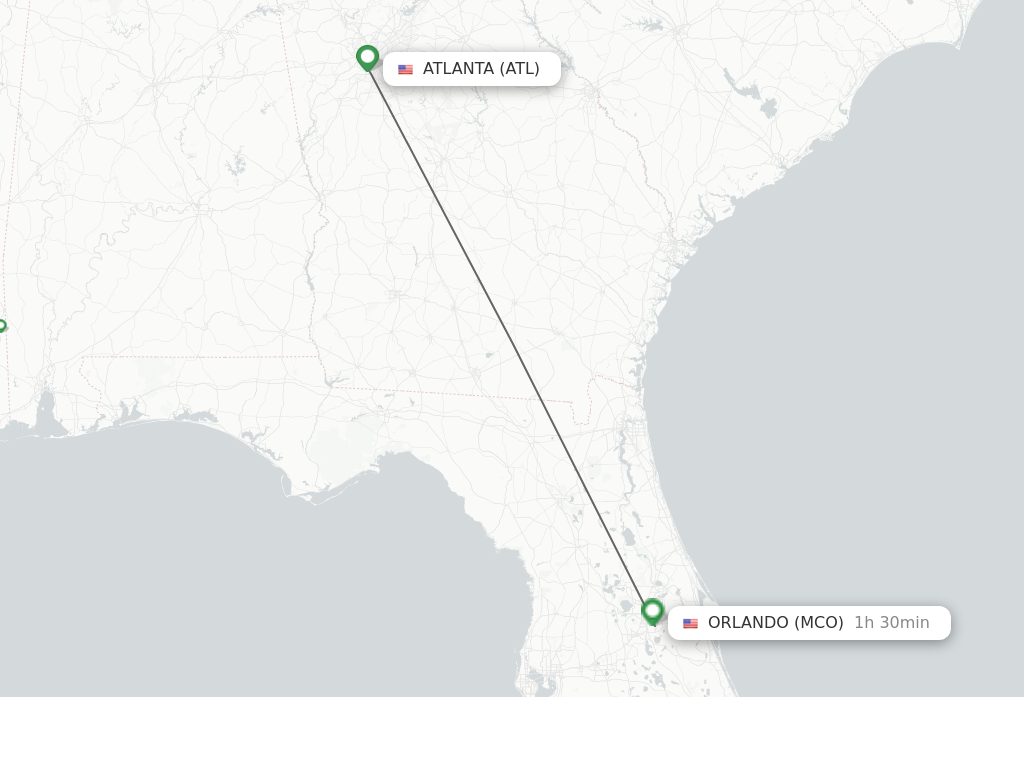
For those prioritizing speed, flying is the most efficient choice. Direct flights between Hartsfield-Jackson Atlanta International Airport (ATL) and Orlando International Airport (MCO) are frequent and relatively short.
- Pros: Flight time is typically around 1 hour and 15 minutes. This dramatically cuts down on transit time, making it ideal for short trips or those with limited vacation days.
- Cons: Often the most expensive option, especially if booked last minute or during peak travel periods. The total travel time, including getting to and from airports, security checks, and boarding, can add several hours to the actual flight duration. Baggage fees are also a common additional cost.
- Estimated Cost: Ticket prices can range from $50 to $300+ round trip, depending on the airline, booking time, and season.
Bus Travel: Budget-Friendly and Relaxed
Bus services, such as Greyhound, offer a budget-friendly alternative for traveling between these two cities. While slower than driving or flying, it allows travelers to sit back and relax without the stress of navigating or driving.
- Pros: Very economical, often providing the lowest fares. You avoid driving fatigue, parking fees, and the hassles of airport security.
- Cons: Significantly longer travel times, often 9-12 hours or more, due to multiple stops and transfers. Less flexibility in schedule and route compared to driving.
- Estimated Cost: Typically ranges from $30-$70 for a one-way ticket.
Train Travel: A Scenic and Comfortable Journey
Amtrak offers train service between Atlanta and Orlando, providing a unique travel experience. While not the fastest option, it can be a comfortable and relaxing way to see the landscape.
- Pros: Offers a more spacious and comfortable environment than a bus or plane, with dining cars and the ability to move around. It can be a relaxing way to travel without the stress of driving.
- Cons: Train schedules are less frequent than flights or bus services, and the journey can be quite long, often exceeding 10 hours due to route paths and potential delays. It’s generally more expensive than bus travel but often less than flying.
- Estimated Cost: One-way tickets can range from $60-$150+, depending on the class of service and how far in advance you book.
Planning Your Road Trip: Essential Stops and Scenic Detours
For those who opt for the road trip adventure, the journey from Atlanta to Orlando isn’t just about the destination. It’s an opportunity to discover charming towns, historical sites, and natural beauty along the way.
The Main Arteries: I-75 and I-4
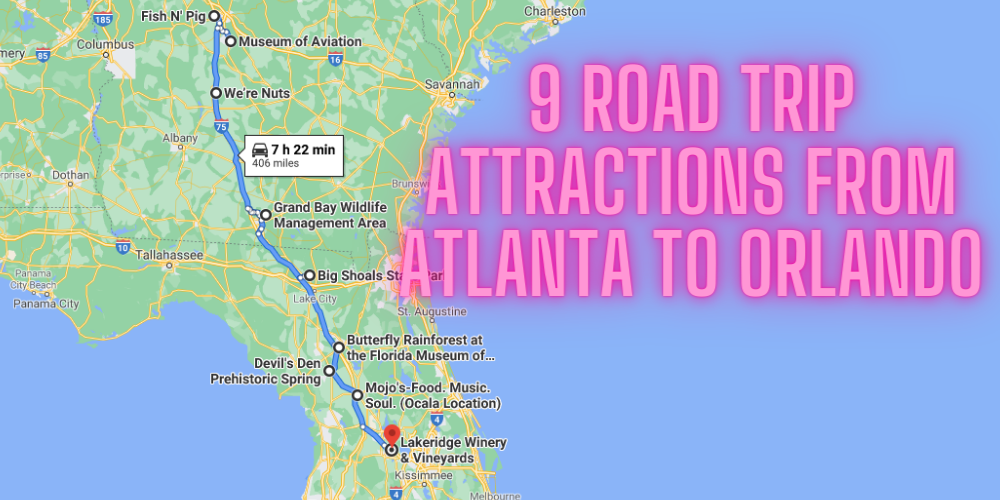
The primary route is straightforward: take I-75 South for the majority of the trip. This interstate cuts straight through the heart of Georgia and then proceeds south through Florida until you reach the Orlando area. Near Wildwood, Florida, you’ll transition onto I-4 East, which leads directly into downtown Orlando and the major theme park areas. While this is the most direct path, understanding the flow of traffic, especially around major cities like Macon and Gainesville, can help in planning your rest stops.
Notable Stops Along the Way
Breaking up the drive can make the journey more enjoyable, especially with children. Here are a few places worth considering for a stop:
- Macon, Georgia: Located roughly an hour and a half south of Atlanta on I-75, Macon offers a rich musical history and beautiful architecture. It’s an excellent spot for a meal or to stretch your legs.
- Andersonville National Historic Site, Georgia: A slight detour west of I-75 near Oglethorpe, this site offers a profound look into Civil War history, specifically the infamous prisoner-of-war camp. It’s a sobering but important stop for history buffs.
- Valdosta, Georgia: Close to the Florida border, Valdosta is home to Wild Adventures Theme Park, which can be a fun family stop if you have extra time. Otherwise, it’s a reliable spot for gas, food, and lodging before entering Florida.
- Gainesville, Florida: Home to the University of Florida, Gainesville offers a vibrant college town atmosphere. Nearby, Paynes Prairie Preserve State Park provides an opportunity to see wild horses, bison, and alligators in a natural setting.
- Ocala, Florida: Known as the “Horse Capital of the World,” Ocala is picturesque with its rolling hills and horse farms. Silver Springs State Park, famous for its glass-bottom boat tours, is a tranquil and unique natural attraction, offering a refreshing break from the highway.
Beyond the Miles: Why Travel Between Atlanta and Orlando?
The question of “how far” often leads to “why travel.” The connection between Atlanta and Orlando is a conduit for a vast array of travel purposes, driven by the unique attractions and opportunities each city presents.
The Allure of Orlando
Orlando’s reputation as a premier vacation destination is undeniable, primarily due to its world-class theme parks. Millions flock to the city annually for unforgettable experiences.
- Walt Disney World Resort: Encompassing multiple theme parks like Magic Kingdom, Epcot, Hollywood Studios, and Animal Kingdom, plus water parks and entertainment districts, Disney World is a magnet for families and dream-seekers.
- Universal Orlando Resort: Home to Universal Studios Florida, Universal’s Islands of Adventure (featuring The Wizarding World of Harry Potter), and Universal’s Volcano Bay water park, Universal Orlando offers thrilling rides and immersive experiences.
- Other Attractions: Beyond the major parks, Orlando boasts a plethora of other attractions, including SeaWorld Orlando, LEGOLAND Florida Resort (a short drive away), and numerous dinner shows, shopping outlets, and dining experiences.
The Charm of Atlanta
Atlanta, as the capital of Georgia and a major economic and cultural hub of the Southeast, offers a distinct set of attractions and business opportunities.
- Cultural and Historical Landmarks: Visitors can explore the Georgia Aquarium, delve into the history of a global brand at the World of Coca-Cola, or reflect on the civil rights movement at the Martin Luther King Jr. National Historical Park.
- Business and Convention Travel: Atlanta is a significant center for conventions, trade shows, and corporate headquarters, attracting business travelers year-round.
- Dining and Entertainment: The city boasts a dynamic culinary scene, diverse neighborhoods, and a thriving arts and entertainment landscape, offering something for every taste.
The constant flow of travelers between these two cities underscores their complementary roles: Atlanta as a gateway to southern culture and commerce, and Orlando as the ultimate escape to fantasy and fun.
Making the Most of Your Trip: Practical Tips and Considerations
Effective planning is the cornerstone of a successful and stress-free journey between Atlanta and Orlando, regardless of your chosen mode of transport.
Best Time to Travel
Timing your trip can significantly impact your experience.
- Avoid Peak Seasons: Major holidays (Thanksgiving, Christmas, Easter) and school breaks (spring break, summer vacation) see a surge in traffic, flight prices, and hotel demand in both cities, especially Orlando. If possible, aim for off-peak weeks.
- Weather Considerations: Florida summers are hot and humid, often accompanied by afternoon thunderstorms. While Georgia also experiences hot summers, the journey itself can be more pleasant in spring or fall when temperatures are milder. Winter offers the most comfortable weather for Florida but can coincide with higher travel demand.
Essential Packing List for a Road Trip
If driving, a well-prepared vehicle and thoughtful packing can make all the difference.
- Vehicle Essentials: Ensure your car is in good working order (tires, oil, fluids checked). Carry a spare tire, jumper cables, basic tools, and an emergency kit.
- Snacks and Beverages: Stock up on water, juices, and non-perishable snacks to avoid frequent stops and save money.
- Entertainment: For passengers, especially children, consider portable chargers for devices, books, audiobooks, or travel games to pass the time.
- Navigation: While smartphones with apps like Google Maps or Waze are invaluable, having a physical map or downloaded offline maps as a backup is wise, especially in areas with spotty signal.
Safety and Preparedness
Travel safety should always be a priority.
- Stay Alert: If driving, take regular breaks, share driving duties if possible, and avoid driving when drowsy.
- Secure Valuables: Keep personal belongings out of sight when your vehicle is parked.
- Emergency Contacts: Have emergency roadside assistance numbers readily available.
- Book in Advance: Especially for flights, hotels, and theme park tickets in Orlando, booking well in advance can secure better prices and ensure availability, particularly during busy periods.
Whether your journey is for business, leisure, or a blend of both, the distance between Atlanta and Orlando is easily traversable with proper planning. By considering the various transportation options, potential stops, and practical tips, travelers can transform what might seem like a long distance into an integral and enjoyable part of their overall travel experience.
LifeOutOfTheBox is a participant in the Amazon Services LLC Associates Program, an affiliate advertising program designed to provide a means for sites to earn advertising fees by advertising and linking to Amazon.com. Amazon, the Amazon logo, AmazonSupply, and the AmazonSupply logo are trademarks of Amazon.com, Inc. or its affiliates. As an Amazon Associate we earn affiliate commissions from qualifying purchases.