
The journey between Atlanta, Georgia, and Miami, Florida, represents a vital connection between two of the U.S.’s most dynamic and culturally rich cities. Whether for business or leisure, understanding the distance and the various travel options is crucial for planning a seamless trip. This route connects the bustling urban center of the Peach State with the vibrant, tropical metropolis at the southernmost tip of the Sunshine State, offering travelers a diverse range of experiences and logistical considerations. From the sprawling interstates to the convenience of air travel, the choice of how to traverse this significant distance impacts not just travel time, but the entire journey’s experience. This guide will delve into the precise distances, estimated travel times, and practical advice for navigating the corridor between Atlanta and Miami, helping you prepare for an efficient and enjoyable expedition.

The Geographic Reality: Distance and Driving Routes
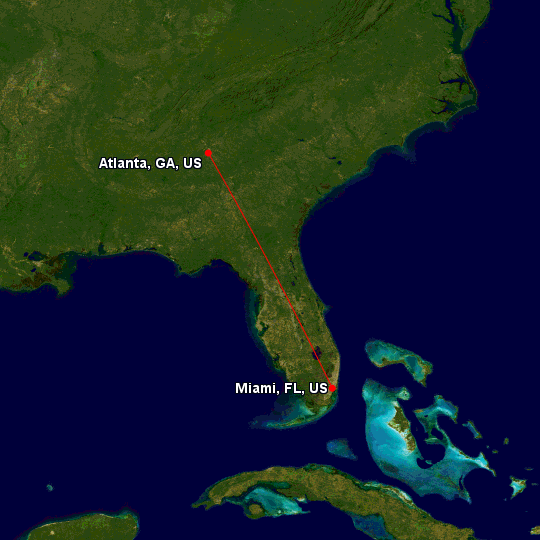
The expanse separating Atlanta and Miami is considerable, making careful planning essential for any traveler. While a straight line might suggest a shorter path, real-world travel involves navigating established road networks that prioritize efficiency and connectivity. Understanding the exact mileage and the primary routes available is the first step in formulating your travel strategy.
The Direct Driving Distance
The approximate driving distance between downtown Atlanta and downtown Miami typically ranges from 650 to 700 miles (approximately 1,046 to 1,126 kilometers), depending on the specific starting and ending points within each metropolitan area. This distance translates to an estimated driving time of 10 to 12 hours under ideal conditions, meaning without significant stops for food, fuel, or rest, and assuming minimal traffic congestion. However, real-world driving scenarios almost always involve such breaks, extending the total travel time. It’s prudent to factor in at least an hour or two for stops, making a 12 to 14-hour journey a more realistic expectation for a single driver. For those who prefer a more leisurely pace, or are traveling with family, considering an overnight stop can transform a grueling drive into a more pleasant road trip.
Primary Driving Routes
The overwhelming majority of drivers undertaking the journey between Atlanta and Miami will utilize Interstate 75 (I-75). This major north-south artery serves as the backbone of the route, offering the most direct and well-maintained path.
- I-75 South through Georgia and Florida: From Atlanta, travelers will head south on I-75, passing through central Georgia cities like Macon. Upon entering Florida, I-75 continues its southward trajectory, bypassing or cutting through prominent areas such as Gainesville, Florida and Orlando. South of Orlando, the highway continues towards the southwestern part of the state, eventually turning east across Alligator Alley (a toll section of I-75) to reach Fort Lauderdale and then Miami.
- Toll Roads: A significant consideration on this route, particularly in Florida, are the toll roads. The most notable is Alligator Alley, a section of I-75 that traverses the Everglades from Naples to Fort Lauderdale. Additionally, parts of the Florida Turnpike, which offers an alternative route for a significant portion of the journey south of Orlando, are also tolled. Travelers should ensure they have a SunPass or E-ZPass transponder, or be prepared for toll-by-plate options which may incur additional fees. Cash toll booths are becoming increasingly rare.
- Scenic Alternatives: While I-75 is the most efficient, some travelers might consider slightly more scenic, albeit longer, routes. These could involve portions of U.S. Route 1 along Florida’s Atlantic coast or U.S. Route 17 through more rural areas of Georgia and northern Florida. However, these routes significantly increase travel time and are generally not recommended for those prioritizing speed or directness. For the purpose of getting from Atlanta to Miami, I-75 remains the standard.
Navigating the Journey: Modes of Transportation
Choosing the right mode of transportation for the Atlanta to Miami journey depends heavily on individual priorities such as budget, time constraints, comfort levels, and the purpose of the trip. Each option presents its own set of advantages and disadvantages.
Driving: The Road Trip Experience
Embarking on a road trip from Atlanta to Miami offers unparalleled flexibility and the opportunity to experience the changing landscapes of Georgia and Florida.
- Pros: Drivers have complete control over their schedule, allowing for spontaneous stops, detours, and the ability to carry more luggage without extra fees. It can be cost-effective for groups or families, as fuel and toll costs can be split. The journey itself can become part of the adventure, offering glimpses into roadside Americana, quaint towns, and natural beauty.
- Cons: The significant driving time (10-14 hours) can be physically demanding, leading to fatigue. Fuel costs can accumulate, and tolls in Florida can add to the expense. Traffic congestion, particularly around major urban centers like Orlando, Fort Lauderdale, and Miami, can significantly extend travel times. Vehicle wear and tear, and the potential for breakdowns, are also factors.
- Tips for a Smooth Drive: Plan for regular breaks every 2-3 hours to stretch, refuel, and grab a snack. If traveling solo, consider an overnight stop in a city like Gainesville, Florida or even further south, allowing for proper rest. Ensure your vehicle is in good condition, check tire pressure and fluid levels, and have a roadside assistance plan. Pack snacks, drinks, and entertainment for passengers. Utilize GPS with real-time traffic updates to navigate around unexpected delays.
Flying: The Swift Connection
For those prioritizing speed and minimizing travel time, flying is the most efficient option.
- Pros: Direct flights typically take between 1.5 to 2 hours, drastically cutting down travel time compared to driving. This makes it ideal for business travelers, weekend getaways, or anyone with limited time. Both Atlanta and Miami boast major international airports, offering numerous flight options.
- Cons: While the flight itself is short, the overall travel experience includes time spent getting to and from airports, security checks, boarding, and baggage claim. This can easily add 3-4 hours to the journey, making the door-to-door time closer to 5-6 hours. Airfares can fluctuate wildly based on demand, booking time, and airline, often making it the most expensive option, especially when factoring in baggage fees and airport transfers.
- Major Airports:
- Hartsfield-Jackson Atlanta International Airport (ATL): One of the world’s busiest airports, offering extensive domestic and international connections.
- Miami International Airport (MIA): A major hub for flights to Latin America and the Caribbean, with robust domestic service.
- Alternative Airports: Travelers might also consider flying into or out of Fort Lauderdale-Hollywood International Airport (FLL), which is a short drive from Miami and often offers more budget-friendly flight options.
Bus and Train Services: Budget-Friendly Alternatives
For travelers on a tighter budget or those who prefer not to drive or fly, bus and train services offer viable alternatives, albeit with longer travel times.
- Bus Services (Greyhound, etc.):
- Duration: Bus journeys are the longest option, typically taking 14 to 18 hours or more, depending on the number of stops and transfers.
- Pros: Generally the most economical way to travel, especially when booking in advance. It offers a no-stress option as someone else does the driving.
- Cons: Comfort can be an issue on long rides, and frequent stops can prolong the journey. Luggage allowances can be restrictive, and overall travel time is significantly longer than driving or flying.
- Train Services (Amtrak):
- Duration: Amtrak’s Silver Service (Silver Star or Silver Meteor) connects Atlanta (via a transfer in Jacksonville for some routes) to Miami. The journey typically takes around 18-20 hours, including potential transfers.
- Pros: Offers a more comfortable and scenic experience than bus travel, with reclining seats, dining cars, and the option for private sleeper accommodations. It can be a relaxing way to travel, avoiding traffic and airport hassles.
- Cons: It’s often more expensive than bus travel and significantly slower than driving or flying. The train schedule might not be as frequent or flexible as other options.
Planning Your Trip: Stops and Considerations
Regardless of the chosen mode, a well-planned trip between Atlanta and Miami can significantly enhance the experience. Factors like strategic stops and awareness of peak travel times are key to a smooth journey.
Strategic Stopovers
For drivers, the 10-14 hour journey is a considerable undertaking. Breaking it up into two segments can make the trip much more manageable and enjoyable.
- Midway Points: Ideal stopover locations are typically around the 6-7 hour mark.
- Gainesville, Florida: Located approximately 7 hours south of Atlanta on I-75, Gainesville offers numerous accommodation and dining options. It’s a university town with a relaxed atmosphere.
- Orlando, Florida Area: A bit further, around 8-9 hours from Atlanta, Orlando is a popular choice due to its abundance of hotels, restaurants, and attractions, making it a destination in itself. While slightly off I-75 via connections like the Florida Turnpike, it’s a convenient and well-serviced area.
- Benefits of an Overnight Stay: An overnight stop allows for proper rest, reduces driver fatigue, and can transform the journey from a marathon drive into a leisurely two-day road trip. It also offers the chance to explore a new city or enjoy a good meal without rushing.
Peak Travel Times and Traffic
Traffic congestion is a significant factor, particularly when traveling through major metropolitan areas or during popular holiday periods.
- Rush Hour: Both Atlanta and Miami are notorious for their intense rush hour traffic. Attempting to enter or exit these cities between 6 AM – 9 AM and 4 PM – 7 PM on weekdays can add significant delays. Planning your departure or arrival outside these windows can save hours.
- Weekends and Holidays: Florida is a popular destination, and major holidays (e.g., Thanksgiving, Christmas, Spring Break) and long weekends see a substantial increase in road traffic. Expect longer travel times and potential delays on I-75 and its feeder routes during these periods. Flights may also be more expensive and crowded.
- Seasonal Considerations: Winter months often see an influx of “snowbirds” heading south to Florida, which can lead to increased traffic volume, especially on weekends.
Essential Road Trip Prep
For those opting to drive, a little preparation goes a long way.
- Vehicle Maintenance: A pre-trip check of tires, oil, brakes, and fluid levels is highly recommended.
- Navigation: While smartphones are ubiquitous, a dedicated GPS device or physical maps can be a reliable backup, especially in areas with spotty cell service. Keep your phone charged and consider a portable power bank.
- Emergency Kit: Include jumper cables, a basic first-aid kit, a flashlight, and emergency contact information.
- Comfort: Pack a cooler with drinks and snacks, especially for sections of the highway where service areas might be sparse. Comfortable clothing, a good playlist, and audiobooks can make the long hours more pleasant.
Beyond the Distance: Why Make the Journey?
The distance between Atlanta and Miami is more than just miles; it represents a connection between two distinct and vibrant regions of the U.S., each offering unique attractions and serving as significant travel hubs. Understanding the appeal of these destinations underscores why this particular route is so frequently traveled.
Atlanta: The Gateway to the South
Atlanta is a thriving economic and cultural center, often considered the heart of the New South. It’s a city steeped in history, particularly civil rights, while simultaneously embracing modernity and innovation. As a travel hub, Atlanta serves as a critical junction for air and ground travel across the southeastern U.S.. Its diverse economy, rich arts scene, and major convention facilities draw millions of visitors annually, making it a significant origin or destination point for travelers heading to or from Florida.
Miami: The Tropical Metropolis
At the other end of the journey lies Miami, a city renowned for its stunning beaches, vibrant Latin American influence, and dynamic nightlife. Miami is a global crossroads, attracting tourists seeking sun, culture, and excitement. It serves as a major port for cruise lines, a gateway to the Caribbean and South America, and a hotspot for art, fashion, and cuisine. The allure of its tropical climate and unique cultural blend ensures a constant flow of visitors and residents, many of whom traverse the distance from Atlanta.
Connecting Two Vibrant Regions
The route between Atlanta and Miami is more than just a logistical path; it facilitates the movement of business, tourism, and personal connections between two of the most influential cities in the southeastern U.S.. Whether for a business conference, a family vacation, or visiting loved ones, this corridor is essential. The choice of transportation reflects individual preferences and the nature of the journey, but the underlying purpose remains the same: to link the distinct energies of Atlanta’s metropolitan sophistication with Miami’s spirited coastal charm.
The distance between Atlanta, Georgia, and Miami, Florida, is substantial, yet highly navigable through various modes of transportation. Ranging from a swift 1.5-hour flight to a comprehensive 10-18 hour drive, bus ride, or train journey, travelers have a spectrum of options to suit their budget, schedule, and preferences. Careful planning, especially regarding routes, potential stopovers, and awareness of peak travel times, can transform what might seem like a long haul into an enjoyable and efficient transit. Ultimately, the journey connects two incredibly dynamic and appealing U.S. destinations, offering travelers flexibility and a bridge between the vibrant culture of Georgia’s capital and Florida’s iconic tropical paradise.
LifeOutOfTheBox is a participant in the Amazon Services LLC Associates Program, an affiliate advertising program designed to provide a means for sites to earn advertising fees by advertising and linking to Amazon.com. Amazon, the Amazon logo, AmazonSupply, and the AmazonSupply logo are trademarks of Amazon.com, Inc. or its affiliates. As an Amazon Associate we earn affiliate commissions from qualifying purchases.