
For many visitors planning a trip to Florida, the allure lies in its pristine beaches, vibrant cities, and world-renowned theme parks. However, the Sunshine State is also a haven for nature enthusiasts, boasting an incredibly diverse ecosystem. Among the myriad questions curious tourists might ask about Florida’s wildlife, one intriguing query often surfaces: “Are there ravens in Florida?” While the image of these large, intelligent corvids often conjures visions of rugged mountains or ancient forests, the reality in Florida is a fascinating tale of avian identity, one that offers unique birdwatching opportunities for discerning travelers.
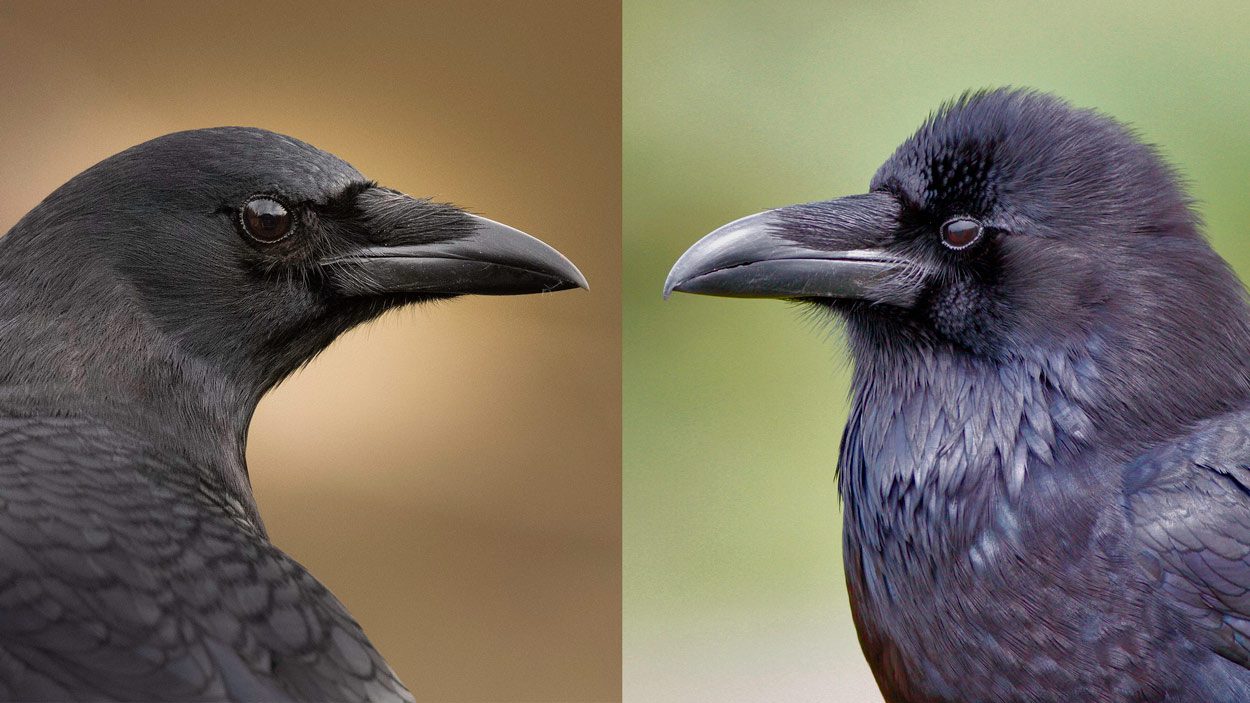
The simple answer to whether ravens grace Florida’s skies is, for the most part, no. While the state is teeming with corvids—the family of birds that includes crows, jays, and magpies—true Common Ravens (Corvus corax) are not native residents or common sightings in Florida’s subtropical climes. This distinction is crucial for tourists keen on experiencing Florida’s natural wonders, as the birds often mistaken for ravens are, in fact, their smaller but equally captivating cousins: the crows. Understanding this difference is the first step in appreciating the state’s actual avian offerings and enhancing your nature-based tourism experience. This article will guide you through Florida’s corvid population, offer tips for identifying its remarkable birdlife, and highlight prime locations for an unforgettable eco-tourism adventure.
The Avian Landscape of Florida: Beyond the Myths
Florida’s ecosystem is famously unique, supporting a vast array of species not found elsewhere in the contiguous United States. When it comes to the corvid family, the narrative surrounding ravens often leads to delightful discoveries about the state’s actual residents. Tourists visiting with an interest in ornithology will find the distinction between ravens and crows to be a fascinating aspect of their wildlife observation activities.
Dispelling the Raven Myth: Crows Reign Supreme
The notion of ravens in Florida is largely a misconception, fueled by their similar appearance to crows and a general lack of awareness about avian distributions. Instead of the Common Raven, Florida is home to two prominent crow species: the American Crow (Corvus brachyrhynchos) and the Fish Crow (Corvus ossifragus). Both are widespread across the state and play vital roles in various ecosystems, from urban environments to coastal marshes.
The American Crow is the more familiar of the two, known for its robust size, glossy black plumage, and characteristic “caw-caw” call. These highly adaptable birds can be found almost anywhere—parks, suburbs, agricultural fields—making them common sights for tourists exploring both metropolitan areas like Miami or Orlando and rural landscapes. They are social, intelligent, and often seen in large groups, providing ample opportunities for observation.
The Fish Crow, though very similar in appearance, is typically slightly smaller and boasts a distinctive, more nasal “cah-ah” or “uh-uh” call, often described as sounding somewhat hoarse. As their name suggests, Fish Crows are more commonly associated with aquatic environments, frequenting coasts, rivers, lakes, and marshes. For tourists exploring Florida’s extensive coastline or its many freshwater bodies, the Fish Crow will be a familiar companion, often seen scavenging along the water’s edge or perched on mangroves. Understanding their preferred habitats can significantly aid a tourist’s birdwatching success.
Why the Confusion? Distinguishing Corvid Cousins
For the untrained eye, distinguishing between a raven and a crow, especially without a direct comparison, can be challenging. Both are large, black, intelligent birds. However, for tourists eager to refine their bird identification skills as part of their Florida adventure, there are several key differences to look for:
- Size: Ravens are significantly larger than crows, closer in size to a Red-tailed Hawk than an American Crow. If the bird appears particularly massive, it might be what’s fueling the “raven” thought, but in Florida, it’s still most likely a large crow.
- Beak: Ravens have noticeably thicker, heavier beaks compared to the more slender beaks of crows.
- Tail in Flight: This is one of the most reliable identifiers. When a raven flies, its tail feathers fan out in a wedge or diamond shape. Crows, on the other hand, have a fan-shaped or slightly rounded tail.
- Throat Feathers: Ravens possess shaggy throat feathers, particularly noticeable when they call. Crows have smoother throat plumage.
- Call: Ravens have a deep, guttural “croak” or “gronk” call, vastly different from the various “caw-caw” and “uh-uh” calls of the American Crow and Fish Crow respectively. Listening to recordings beforehand can greatly assist tourists in distinguishing calls in the field.
- Flight Style: Ravens often engage in soaring flight, much like raptors, using thermal updrafts. Crows typically employ a more direct, flapping flight.
By paying attention to these details, tourists can gain a richer understanding of the birds they encounter, transforming a simple sighting into an engaging learning experience.
Embracing Florida’s True Avian Wonders: A Tourist’s Guide to Birdwatching
While ravens may not be on Florida’s checklist, the state offers an extraordinary array of avian life that makes it a world-class destination for birdwatching tourism. From vibrant wading birds to majestic raptors, Florida’s diverse habitats support hundreds of species, many of which are easily accessible to visitors.
Prime Birdwatching Destinations for Tourists
To truly immerse oneself in Florida’s birding scene, tourists should seek out the state’s dedicated wildlife refuges, state parks, and national parks. These areas provide protected habitats and often feature visitor centers, boardwalks, and observation platforms designed to enhance the viewing experience.
- Everglades National Park: Perhaps the most iconic birding destination, the Everglades is a UNESCO World Heritage Site teeming with wading birds like Great Egrets, Roseate Spoonbills, and various herons and ibises. Airboat tours and ranger-led programs offer unique perspectives on this vast wilderness.
- Corkscrew Swamp Sanctuary: Located in Naples, this sanctuary boasts a 2.25-mile boardwalk winding through ancient bald cypress forests. It’s an excellent spot for seeing woodland birds and wading birds in a serene setting, and a popular site for the endangered Wood Stork.
- Merritt Island National Wildlife Refuge: Situated near the Kennedy Space Center on the Atlantic coast, this refuge is a critical habitat for migratory birds and home to over 330 species. Its diverse landscapes of marshes, estuaries, and hammocks provide incredible viewing opportunities, especially during the winter migration.
- J.N. “Ding” Darling National Wildlife Refuge (Sanibel Island): A jewel on Florida’s Gulf Coast, Ding Darling is famous for its wildlife drive, allowing tourists to observe vast numbers of wading birds, shorebirds, and raptors in their natural mangrove and estuary habitats. It’s a must-visit for any bird enthusiast.
Other Iconic Florida Birds to Spot
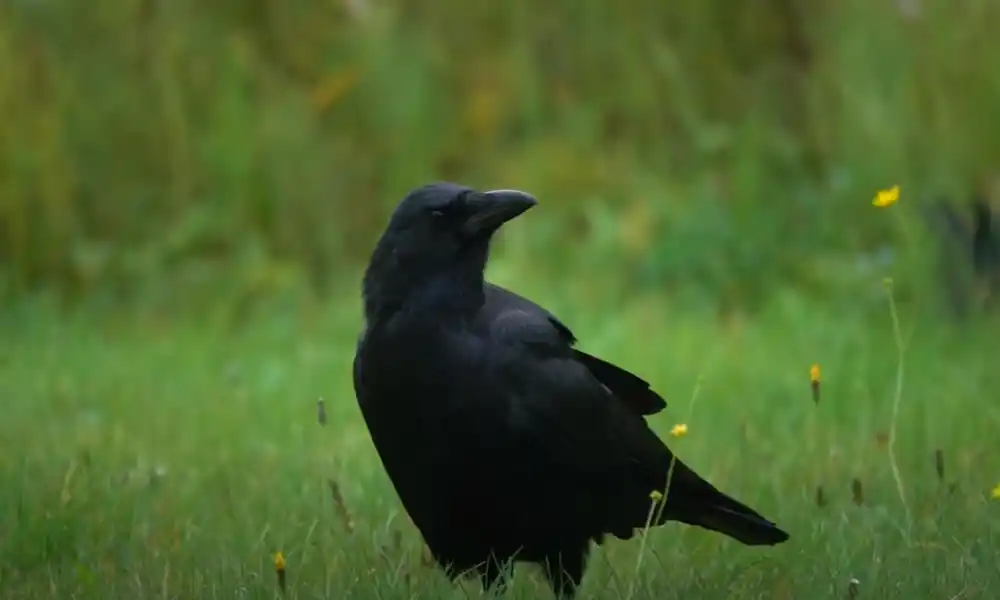
Beyond the ubiquitous crows, Florida’s skies and wetlands are alive with spectacular avian life that will leave any tourist awestruck. Focusing on these readily observable species can make a Florida birding trip truly memorable.
- Wading Birds: The state is a paradise for wading birds. Look for the striking pink plumage of Roseate Spoonbills, the elegant white forms of Great Egrets and Snowy Egrets, and various species of herons (Great Blue, Little Blue, Green, Tricolored), ibises, and storks. Their presence indicates healthy wetland ecosystems, which are a major draw for Florida tourism.
- Raptors: Florida is home to impressive birds of prey. Ospreys are a common sight near water bodies, easily identified by their white heads and fish-hunting prowess. Bald Eagles, America’s national bird, have made a remarkable comeback in Florida and can often be spotted soaring or perched high in trees. The endemic Snail Kite, specialized in feeding on apple snails, is another unique raptor found predominantly in the Everglades.
- Shorebirds: Along the coasts and mudflats, tourists can observe a variety of sandpipers, plovers, and terns, especially during migratory seasons.
- Endemic and Specialty Birds: Keep an eye out for the charming Florida Scrub-Jay, the state’s only endemic bird, found in disappearing scrub habitats, or the colorful Painted Bunting during winter.
Essential Tips for Eco-Tourism and Wildlife Spotting in Florida
For tourists embarking on a birding or wildlife observation adventure in Florida, preparation and adherence to ethical guidelines are paramount. Responsible tourism ensures minimal impact on the environment and maximal enjoyment of the natural beauty.
Best Practices for Respectful Wildlife Observation
The core principle of eco-tourism is to observe nature without disturbing it.
- Maintain Distance: Always keep a respectful distance from wildlife. Zoom lenses are for your camera, not for closing the gap with animals. Disturbing birds, especially nesting ones, can cause them stress or abandonment.
- No Feeding: Never feed wild animals. It can alter their natural behaviors, make them dependent on humans, and expose them to inappropriate foods.
- Stay on Designated Paths: Stick to marked trails and boardwalks to avoid trampling delicate vegetation or disturbing ground-nesting birds.
- Be Quiet: Sudden movements or loud noises can startle wildlife. Move slowly and speak softly.
- Leave No Trace: Pack out everything you pack in. Do not litter. Protect Florida’s pristine natural areas for future visitors.
Gear and Resources for Birding Enthusiasts
Having the right tools can significantly enhance a birdwatching excursion.
- Binoculars: Essential for close-up views without disturbing the birds. A pair with 8×42 or 10×42 magnification is ideal.
- Field Guide: A regional field guide, such as the Audubon Guide to Florida Birds or the Sibley Guide to Birds, is invaluable for identification. Many digital apps like eBird and Merlin Bird ID also offer excellent resources.
- Camera: A camera with a good zoom lens is perfect for capturing memories and identifying birds later.
- Comfortable Footwear: You’ll be doing a lot of walking, so sturdy, comfortable shoes are a must.
- Protection from Elements: Sunscreen, a wide-brimmed hat, insect repellent (especially in humid areas or during certain seasons), and rain gear are advisable.
- Water and Snacks: Stay hydrated and energized, especially during longer outings.
Timing Your Visit for Optimal Sightings
The timing of your visit can greatly influence the variety of birds you encounter.
- Best Seasons: While Florida offers birding year-round, the fall and winter months (October through March) are particularly rewarding. This is when migratory species from further north arrive, swelling the bird populations and providing incredible diversity.
- Time of Day: Early mornings and late afternoons are generally the best times for birdwatching. Birds are most active during these cooler periods, foraging and vocalizing. Mid-day heat often drives them into cover.
Integrating Nature Tourism into Your Florida Itinerary
Florida’s natural beauty is a profound counterpoint to its developed attractions, offering enriching experiences for every type of tourist. Integrating nature observation into your travel plans can provide a holistic view of the Sunshine State’s appeal.
Beyond the Beaches and Theme Parks
While the allure of South Beach and Walt Disney World is undeniable, dedicating time to Florida’s natural landscapes offers a different kind of magic. Imagine spotting a Bald Eagle soaring over a cypress swamp or observing a Roseate Spoonbill gracefully sweeping its bill through the water. These moments connect visitors with the raw, untamed beauty of the state, fostering a deeper appreciation for its biodiversity. Many of Florida’s natural parks are within a reasonable drive of major tourist hubs, making it easy to combine different types of experiences.
Guided Tours and Educational Opportunities
For those new to birding or eager for expert insights, numerous guided eco-tours are available across Florida. These can range from kayak tours through mangrove tunnels to guided walks with experienced naturalists. Many state parks and national wildlife refuges offer ranger-led programs, bird walks, and educational presentations that delve into local ecology and species identification. Joining a local Audubon society field trip, if your travel dates align, can also provide an excellent opportunity to learn from seasoned birders and discover lesser-known hotspots. These structured activities not only increase your chances of spotting diverse birds but also enrich your understanding of Florida’s unique ecosystems, making your tourism experience both enjoyable and educational.
In conclusion, while the majestic raven may remain elusive in the skies of Florida, the state compensates with an unparalleled wealth of avian wonders. From the clever American Crow to the vibrant Roseate Spoonbill and the impressive Bald Eagle, Florida offers an extraordinary birdwatching experience for any tourist. By approaching wildlife observation with respect, preparation, and an open mind, visitors can unlock a deeper connection with the Sunshine State’s natural heritage, proving that sometimes, not finding what you expected leads you to discover something far more captivating. So pack your binoculars, consult your field guide, and prepare to be amazed by the true avian stars of Florida.
LifeOutOfTheBox is a participant in the Amazon Services LLC Associates Program, an affiliate advertising program designed to provide a means for sites to earn advertising fees by advertising and linking to Amazon.com. Amazon, the Amazon logo, AmazonSupply, and the AmazonSupply logo are trademarks of Amazon.com, Inc. or its affiliates. As an Amazon Associate we earn affiliate commissions from qualifying purchases.