
Fort Lauderdale, Florida — a name that conjures images of sun-kissed beaches, luxurious yachts, and a vibrant waterfront lifestyle. Often dubbed the “Venice of America” due to its intricate network of canals and waterways, this dazzling city on Florida’s southeastern coast has long been a magnet for travelers seeking a perfect blend of relaxation and exhilaration. For anyone planning a trip, one of the most fundamental questions is always, “How far is it?” The answer, naturally, depends entirely on your starting point, but understanding Fort Lauderdale’s strategic geographic position and the myriad travel options available will equip you with the knowledge to plan a seamless journey.
This comprehensive guide delves into the distances, travel times, and various transportation methods to reach Fort Lauderdale, ensuring you can confidently embark on your next Florida adventure. From domestic hubs to international gateways, we’ll explore the accessibility of this dynamic destination, helping you measure not just miles, but also the ease and efficiency of your travel experience. Whether you’re flying in for a weekend escape, driving down for a family vacation, or connecting via rail for business, knowing the lay of the land is the first step towards an unforgettable trip.
Geographic Positioning: The Heart of South Florida
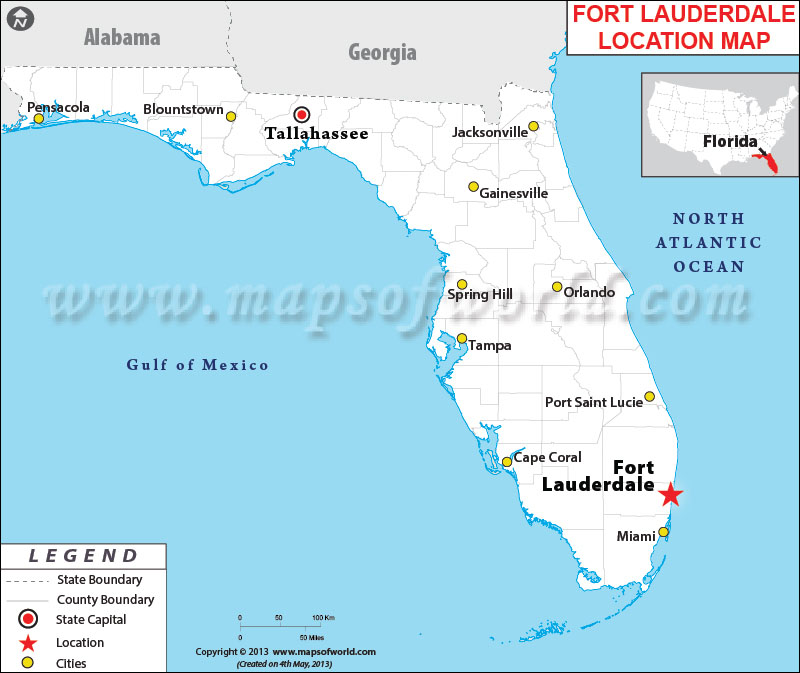
Fort Lauderdale is ideally situated along the Atlantic Ocean coastline, approximately 25 miles (40 kilometers) north of Miami and 40 miles (64 kilometers) south of Palm Beach. This prime location places it firmly within the bustling South Florida metropolitan area, making it a convenient hub for both regional exploration and international travel. Its coastal setting, intersected by the scenic Intracoastal Waterway, defines much of its charm and accessibility, offering unique perspectives for arrival by sea as well.
Proximity to Major Florida Cities
Understanding Fort Lauderdale’s relation to other major Florida cities is crucial for travelers planning multi-destination trips or simply assessing driving distances.
- From Miami: As its closest major city, Miami is a mere 25-30 miles (40-48 km) south. Driving typically takes 30-45 minutes, though this can extend significantly during peak traffic hours. High-speed rail options like Brightline offer a rapid 30-minute journey between downtown stations, bypassing road congestion.
- From West Palm Beach: Located to the north, West Palm Beach is approximately 45-50 miles (72-80 km) away, with driving times around 50-70 minutes. Brightline also connects these two cities efficiently.
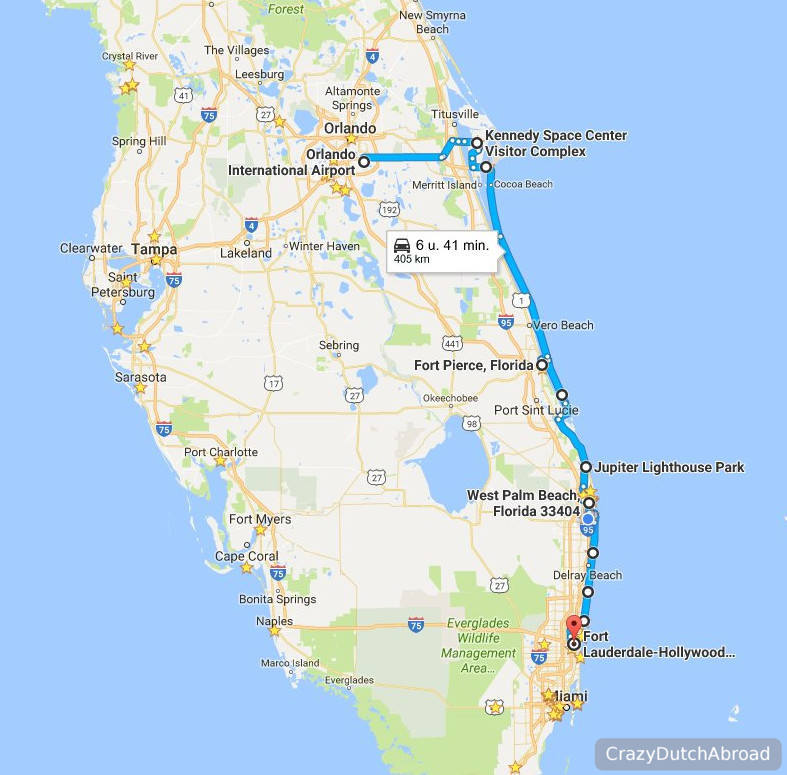
- From Orlando: For those combining theme park adventures with beach relaxation, Orlando is roughly 190-200 miles (305-320 km) northwest of Fort Lauderdale. The drive typically spans 3 to 3.5 hours, depending on traffic and route (Florida’s Turnpike is the most direct). With the recent extension, Brightline now offers a comfortable high-speed rail connection, making this journey a viable alternative.
- From Tampa: On Florida’s Gulf Coast, Tampa is about 260-270 miles (418-435 km) from Fort Lauderdale. The drive generally takes 4 to 4.5 hours via I-75 and Florida’s Turnpike.
- From Jacksonville: Jacksonville, in Northeast Florida, is approximately 330-340 miles (530-547 km) away. This journey typically requires 5 to 5.5 hours of driving.
International Connections and Accessibility
Fort Lauderdale’s coastal position also serves as a crucial gateway for international travel, particularly to the Caribbean and the Bahamas. Its proximity to these island nations, coupled with the presence of Port Everglades, one of the world’s busiest cruise ports, makes it a popular starting point for sea voyages. Many international visitors choose to fly into Fort Lauderdale before embarking on cruises or short flights to nearby islands. The city’s airport also offers direct flights to various destinations in North America, Central America, and the Caribbean, solidifying its role as an accessible international travel hub.
Reaching Fort Lauderdale: Your Travel Options
Whether you prefer the speed of air travel, the flexibility of driving, or the comfort of rail, Fort Lauderdale is well-equipped with diverse transportation networks. Choosing the right mode depends on your starting location, budget, and travel preferences.
Air Travel: Flying into FLL
The primary air gateway to the city is Fort Lauderdale-Hollywood International Airport (FLL). Situated just 3 miles (5 km) southwest of downtown Fort Lauderdale and 21 miles (34 km) north of Miami, FLL offers remarkable convenience. It serves as a major hub for several budget airlines and provides direct flights to hundreds of domestic and international destinations across the United States, Canada, Latin America, and the Caribbean.
- Location: Directly adjacent to Port Everglades, making it exceptionally convenient for cruise passengers.
- Airlines: Major carriers like Southwest Airlines, Spirit Airlines, JetBlue Airways, and American Airlines operate extensive routes through FLL.
- Alternative Airport: Miami International Airport (MIA) is another major international airport approximately 45 minutes to an hour’s drive south of Fort Lauderdale. While further, it offers an even broader selection of international flights and sometimes competitive fares. Transfer options from MIA to Fort Lauderdale include shuttles, taxis, ride-sharing services, and a combination of rail services.
Driving: Navigating Florida’s Highways
Driving to Fort Lauderdale offers flexibility and the chance to explore Florida’s diverse landscapes. The city is well-connected by a network of interstate highways and state roads.
- I-95: This major north-south artery runs directly through Fort Lauderdale, providing direct access from points north (like Jacksonville, Daytona Beach, West Palm Beach) and south (Miami).
- Florida’s Turnpike: A tolled highway, the Turnpike offers a faster route for travelers coming from central Florida cities like Orlando, Gainesville, and Tallahassee, bypassing much of the local traffic on I-95.
- I-75: For those traveling from Florida’s Gulf Coast (e.g., Tampa, Naples), I-75 East is the primary route, which eventually connects to the Florida’s Turnpike or I-595 (a major east-west highway running through Fort Lauderdale from the Everglades to Port Everglades).
- Other Routes: US Route 1 (Federal Highway) and Florida State Road 84 (Marina Mile) also provide significant access within the city and surrounding areas.
Rail and Bus Services
For a more relaxed journey, or for those without personal vehicles, rail and bus services offer convenient alternatives.
- Brightline: This inter-city express train connects Fort Lauderdale with Miami, Aventura, Boca Raton, West Palm Beach, and now Orlando. Its downtown station in Fort Lauderdale offers a comfortable, high-speed travel experience with amenities.
- Tri-Rail: A commuter rail service, Tri-Rail runs parallel to I-95 from Mangonia Park (north of West Palm Beach) south to Miami International Airport. Fort Lauderdale has several Tri-Rail stations, making it an affordable option for regional travel.
- Amtrak: Amtrak provides long-distance passenger rail service, connecting Fort Lauderdale to cities across the United States via the Silver Service and Palmetto routes. The Fort Lauderdale Amtrak station is located west of downtown.
- Bus Services: Companies like Greyhound operate intercity bus routes to and from Fort Lauderdale, offering an economical travel solution for many.
Calculating Your Journey: Factors Influencing Travel Time
While raw mileage provides a baseline, actual travel time to Fort Lauderdale can vary significantly based on several dynamic factors. Astute travelers consider these elements when planning their itineraries.
Traffic and Peak Season Considerations
South Florida is known for its heavy traffic, especially during rush hours (typically 7-9 AM and 4-6 PM on weekdays). Major arteries like I-95 and Florida’s Turnpike can become congested, adding considerable time to commutes.
- Tourist Seasons: Fort Lauderdale experiences peak tourist seasons during the winter months (November to April) and during spring break. During these times, road traffic, airport congestion, and demand for ride-sharing services increase dramatically, impacting travel times. Cruise ship embarkation/debarkation days at Port Everglades can also contribute to localized traffic jams around the airport and port areas.
- Event-Specific Traffic: Large events such as the Fort Lauderdale International Boat Show, music festivals, or major sporting events in the region can also lead to significant traffic delays and parking challenges. Always check local traffic reports and event schedules when planning your trip.
Mode of Transportation and Cost Efficiency
The choice of transportation directly influences both travel duration and cost.
- Air Travel: Generally the fastest option for long distances, but often the most expensive, especially for last-minute bookings. Factors like layovers and airport security wait times also add to the overall journey length.
- Driving: Offers unparalleled flexibility for routes, stops, and luggage. Costs include fuel, tolls (common in Florida on roads like Florida’s Turnpike), and parking. For groups or families, driving can be more economical than flying.
- Rail Services (Brightline, Amtrak, Tri-Rail): Can be a comfortable and often scenic option, bypassing road traffic. Brightline offers speed and comfort at a premium, while Tri-Rail is a budget-friendly commuter option. Amtrak is ideal for longer inter-state journeys.
- Bus Services: The most budget-friendly for intercity travel, but typically the slowest option due to more frequent stops and adherence to road speeds.
Onward Travel from Airports/Stations
Once you arrive at FLL, the Brightline station, or Amtrak station, you’ll need to consider local transportation to your final destination within Fort Lauderdale or surrounding areas like Hollywood or Pompano Beach.
- Rental Cars: Readily available at FLL and other major transport hubs, offering maximum independence.
- Ride-Sharing Services: Uber and Lyft operate extensively in Fort Lauderdale, providing convenient door-to-door service from airports and stations.
- Taxis: Available at designated stands at FLL and around the city.
- Public Transit: Broward County Transit operates a network of buses covering Fort Lauderdale and neighboring cities, providing an affordable option, though it may be less direct or time-efficient for some routes. The Fort Lauderdale Water Taxi also offers a charming way to navigate the city’s waterways, serving major attractions and hotels.
Why Travel to Fort Lauderdale? A Glimpse of the Destination
Understanding how far Fort Lauderdale is, and how to get there, naturally leads to the question of why one should make the journey. The city’s allure stems from a unique combination of natural beauty, sophisticated amenities, and an energetic atmosphere, making it a compelling travel destination for a diverse range of visitors. It’s a place where the journey is often as exciting as the arrival.
Beaches and Waterways
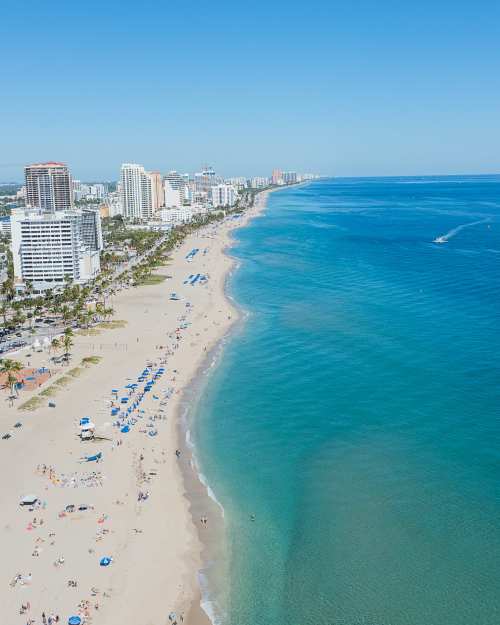
At the heart of Fort Lauderdale’s appeal are its spectacular white-sand beaches, stretching for miles along the Atlantic Ocean. Fort Lauderdale Beach, renowned for its palm-lined promenade, offers opportunities for swimming, sunbathing, and various water sports. Beyond the ocean, the city’s intricate network of canals, rivers, and the Intracoastal Waterway – earning it the “Venice of America” moniker – provides endless opportunities for boating, kayaking, paddleboarding, and scenic water taxi tours. This aquatic landscape is not just a backdrop but an integral part of the travel experience, defining much of the city’s charm and recreational offerings.
Cultural and Entertainment Hub
Fort Lauderdale is more than just beaches; it’s a thriving cultural and entertainment destination. Las Olas Boulevard is the city’s premier street for shopping, dining, and art galleries, providing a sophisticated experience for visitors. The Arts and Entertainment District, home to the Broward Center for the Performing Arts, Museum of Discovery and Science, and the NSU Art Museum Fort Lauderdale, offers a rich array of cultural experiences. The Riverwalk provides a picturesque promenade connecting many of these attractions, perfect for leisurely strolls and discovering the city’s urban charm. These diverse offerings ensure that travelers find ample activities beyond the shore, making the journey to Fort Lauderdale a multifaceted reward.
Cruise Port Access
For many international travelers and domestic vacationers, Fort Lauderdale serves as a vital gateway for cruise adventures. Port Everglades is one of the busiest cruise ports in the world, with numerous cruise lines departing daily to the Caribbean, Bahamas, and beyond. Its close proximity to Fort Lauderdale-Hollywood International Airport (FLL) makes pre- and post-cruise logistics remarkably smooth. Travelers often extend their stay in Fort Lauderdale for a few days before or after their cruise, enjoying the city’s attractions and further enhancing their travel experience. This significant role as a cruise embarkation point heavily contributes to the city’s travel appeal and accessibility.
Ultimately, “How far is Fort Lauderdale, Florida?” is a question easily answered with the right travel information. Its prime location in South Florida, coupled with robust air, road, and rail infrastructure, ensures that this vibrant destination is within comfortable reach from virtually anywhere. Whether you’re seeking a quick regional escape or embarking on an international adventure, Fort Lauderdale’s accessibility makes it an attractive and convenient choice for your next journey. By considering your starting point, preferred mode of transport, and potential travel factors, you can effectively plan your route and look forward to experiencing all that the “Venice of America” has to offer.
LifeOutOfTheBox is a participant in the Amazon Services LLC Associates Program, an affiliate advertising program designed to provide a means for sites to earn advertising fees by advertising and linking to Amazon.com. Amazon, the Amazon logo, AmazonSupply, and the AmazonSupply logo are trademarks of Amazon.com, Inc. or its affiliates. As an Amazon Associate we earn affiliate commissions from qualifying purchases.