
For anyone planning a journey through the U.S. state of Florida, understanding the distances between key cities is fundamental to crafting an efficient and enjoyable itinerary. One common question that arises for travelers exploring the Gulf Coast is: “How far is Tampa from Fort Myers?” These two vibrant cities, each offering distinct charms and attractions, are popular destinations for tourists and residents alike. Tampa, a bustling urban center known for its dynamic downtown, historical districts, and world-class theme parks, lies further north on the Gulf Coast. Fort Myers, situated to the south, is famed for its pristine beaches, tranquil islands, and gateway to the Southwest Florida region. Bridging the gap between these two diverse locales is a journey that offers a quintessential Florida experience, primarily along one of the state’s most significant interstate highways.
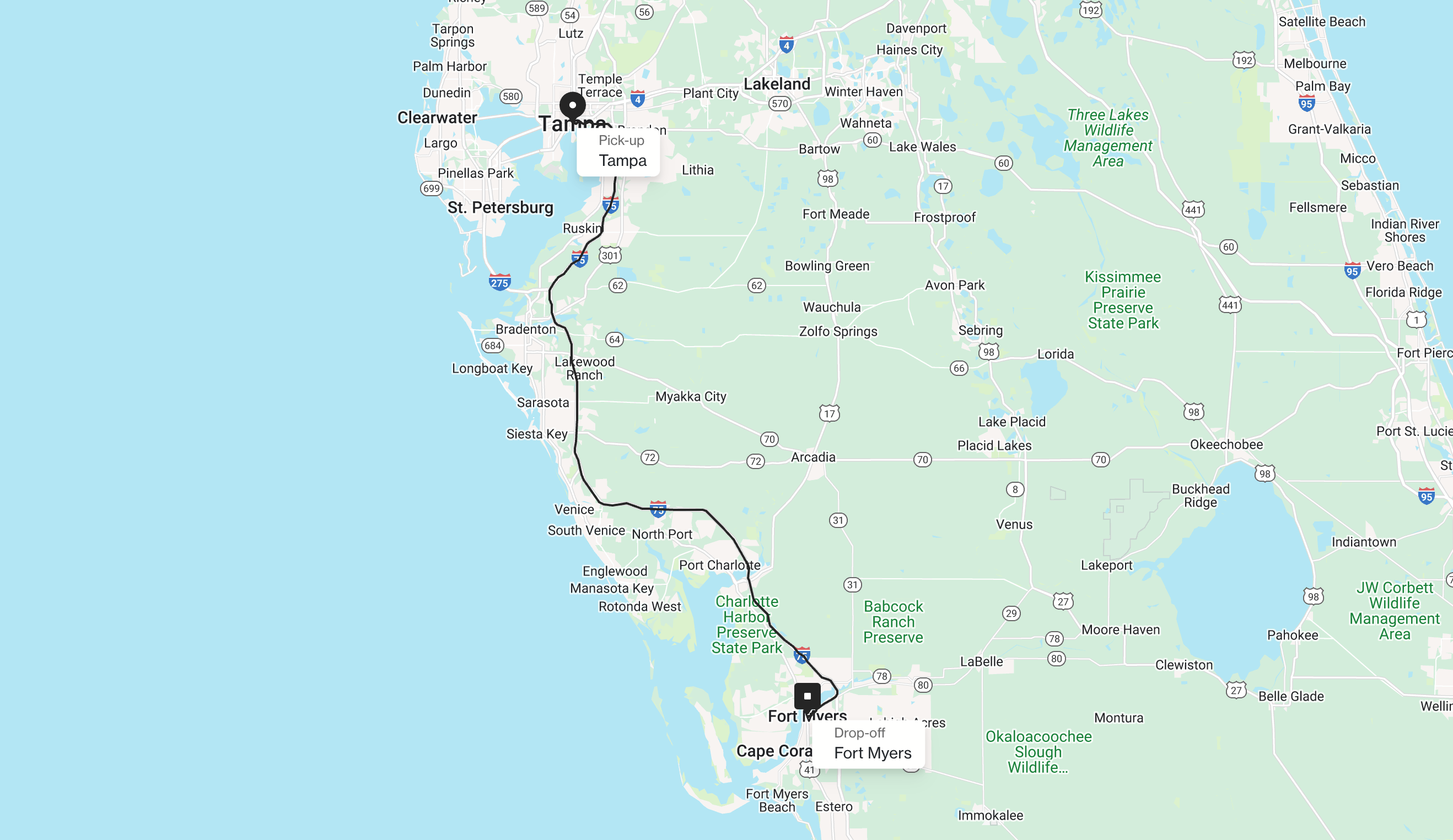
The direct distance and practical travel time between Tampa and Fort Myers are crucial considerations for any trip planner. While not an excessively long haul, it’s a distance that requires proper planning to navigate efficiently, ensuring travelers can maximize their time enjoying the destinations rather than enduring the commute. This article will delve into the specifics of this journey, outlining the various modes of transport, estimated travel times, and practical tips for making the most of your adventure between these two compelling Florida cities. Whether you’re a first-time visitor or a seasoned Florida explorer, understanding the logistics of this route is key to a seamless travel experience.
Understanding the Distance and Key Routes
The geographical span separating Tampa and Fort Myers is significant enough to warrant attention for travel planning but short enough to make a day trip or an easy transition between two segments of a longer vacation. The journey primarily follows the spine of Southwest Florida’s transportation network, offering a relatively straightforward drive.
The Direct Driving Route via I-75
The most direct and overwhelmingly preferred route between Tampa and Fort Myers is via Interstate 75 (also known as I-75). This major north-south highway efficiently connects many of Florida’s important cities, running parallel to the Gulf Coast for much of its length in the state. The approximate driving distance between downtown Tampa and downtown Fort Myers is typically around 125 to 135 miles (200 to 217 kilometers). This measurement can vary slightly depending on your exact starting point and final destination within each metropolitan area.
For instance, if you’re departing from Tampa International Airport (TPA) and heading to Southwest Florida International Airport (RSW) near Fort Myers, the distance might be slightly different than traveling between the historical Ybor City district in Tampa and the River District in Fort Myers. Regardless, the core journey remains I-75. Under ideal driving conditions, without significant traffic or stops, this drive typically takes approximately 2 to 2.5 hours. This makes it an easily manageable road trip, perfect for a day’s excursion or as a seamless transition point in a broader Florida tour.
Factors Affecting Travel Time
While the base estimate for the drive is around two to two and a half hours, several factors can influence the actual travel time. Awareness of these can help you better plan your departure and arrival.
- Traffic Congestion: As with any major interstate connecting popular destinations, I-75 can experience significant traffic, especially during peak hours, holidays, and weekends. Areas around Tampa, Sarasota, and Fort Myers are particularly prone to slowdowns. Morning and evening rush hours (typically 7:00 AM-9:00 AM and 4:00 PM-6:00 PM) should ideally be avoided if possible.
- Construction: Florida is a rapidly growing state, and road construction projects are common. While beneficial in the long run, they can temporarily reduce speeds or create bottlenecks. Checking real-time traffic apps before departure is highly recommended.
- Weather Conditions: Florida is known for its afternoon thunderstorms, especially during the summer months. Heavy rain can significantly reduce visibility and necessitate slower driving speeds, adding to the travel time. Tropical storms or hurricanes, though less frequent, can also severely impact travel plans.
- Stops and Detours: The 2 to 2.5-hour estimate is for continuous driving. Any stops for fuel, food, or restroom breaks will naturally extend the total duration. Furthermore, charming coastal towns like Sarasota or Venice, located just off I-75, might tempt travelers with a scenic detour, adding considerable time but potentially enriching the journey.
Exploring Different Modes of Transportation
While driving is undoubtedly the most common way to travel between Tampa and Fort Myers, it’s not the only option. Depending on your preferences, budget, and travel style, other transportation methods might be considered.
Driving: The Most Popular Choice
Renting a car or using your own vehicle remains the most flexible and convenient way to travel this route. The advantages are numerous:
- Flexibility: You dictate your departure time, pace, and whether to make stops.
- Accessibility: Having a car provides easy access to attractions, restaurants, and various points of interest in both Tampa and Fort Myers, as well as nearby areas like Sanibel and Captiva Islands.
- Cost-Effectiveness (for groups): For families or groups, the cost of gas and a rental car can often be more economical than individual bus fares or other transport options.
Most rental car agencies operate at both Tampa International Airport and Southwest Florida International Airport, as well as in downtown locations, making it easy to pick up or drop off a vehicle. Ensure you account for potential toll roads, though the I-75 route generally has minimal tolls for this specific stretch.
Bus Services and Shared Rides
For those who prefer not to drive or are traveling on a budget, bus services offer a viable alternative. Companies like Greyhound operate routes connecting Tampa and Fort Myers.
- Cost: Bus fares are typically more affordable than renting a car or flying.
- Relaxation: You can relax, read, or work without the stress of driving.
- Frequency: Check schedules carefully, as bus departures might be less frequent than desired, and travel times can be longer due to multiple stops.
Shared ride services such as Uber or Lyft are also available, offering a door-to-door experience. While more expensive than a bus ticket, they can be a convenient option, especially for individuals or smaller groups seeking a direct transfer without the hassle of driving. The cost can vary significantly based on demand and time of day.
Air Travel Considerations

Given the relatively short driving distance of 125-135 miles, flying between Tampa and Fort Myers is generally not recommended as a practical or efficient option.
- Lack of Direct Flights: Direct commercial flights between Tampa International Airport (TPA) and Southwest Florida International Airport (RSW) are rare or nonexistent for commercial passengers, as the demand for such a short hop is minimal. Most flights would involve a connection, turning a short trip into a much longer, more expensive ordeal.
- Time vs. Cost: Even if a direct flight were available, the time spent on airport transfers, check-in, security, and boarding would likely exceed the 2-2.5 hour driving time, and the cost would be considerably higher.
Therefore, for travel between these two specific cities, ground transportation is almost always the superior choice in terms of both time and cost efficiency.
Planning Your Journey: Tips for a Smooth Trip
A well-planned trip between Tampa and Fort Myers can significantly enhance your overall Florida experience. Consider these tips to ensure a smooth and enjoyable journey.
Best Times to Travel
- Avoid Peak Traffic: As mentioned, try to schedule your drive outside of typical rush hour periods (early mornings and late afternoons on weekdays). Mid-morning (after 9:00 AM) or early afternoon (before 3:00 PM) are often the best windows.
- Weekend Travel: Weekends can see increased traffic, especially on Friday afternoons and Sunday evenings, as people travel for leisure. Factor in extra time if traveling during these periods.
- Seasonal Considerations: Winter months (November to April) are Florida’s peak tourist season, meaning more vehicles on the road. Summer brings afternoon thunderstorms, which can cause delays. Spring break and major holiday weekends also invariably lead to heavier traffic.
Essential Packing and Preparation
- Navigation: Use a reliable GPS or smartphone app with real-time traffic updates (e.g., Google Maps, Waze). Ensure your phone is fully charged or you have a car charger.
- Snacks and Drinks: While there are plenty of rest stops along I-75, having some snacks and water on hand is always a good idea, especially if traveling with children.
- Entertainment: For passengers, consider books, podcasts, or music to make the journey more pleasant.
- Vehicle Check: If driving your own car, ensure it’s in good condition, especially tires and fluid levels, before embarking on the trip.
Potential Stops and Scenic Detours
While I-75 is efficient, it’s not the most scenic route in Florida. For those with extra time, consider slight detours to break up the drive and add more flavor to your trip.
- Sarasota: Roughly halfway between Tampa and Fort Myers, Sarasota offers beautiful beaches like Siesta Key, cultural attractions such as The Ringling Museum, and a vibrant downtown. It’s a fantastic spot for a lunch break or a quick beach stroll.
- Venice: Known as the “Shark Tooth Capital of the World,” Venice is another charming coastal town just south of Sarasota. Its historic downtown and Venice Beach are worth a visit.
- Punta Gorda: A little closer to Fort Myers, Punta Gorda offers a quaint waterfront experience, historic buildings, and opportunities for harbor cruises.
These detours can transform a simple transit into an integral part of your Florida travel narrative.
Why Make the Trip? Attractions in Both Tampa and Fort Myers
Understanding the distance is only part of the equation; knowing what awaits you at each destination provides the motivation for the journey. Both Tampa and Fort Myers are rich in attractions, appealing to diverse interests.
Tampa’s Urban Charms and Theme Parks
Tampa, a major city in Florida, boasts a lively atmosphere with a blend of historical depth and modern excitement.
- Theme Parks: Home to Busch Gardens Tampa Bay, a renowned African-themed park featuring thrilling roller coasters and extensive animal encounters. Nearby, Adventure Island offers a refreshing water park experience.
- Cultural and Historical Sites: Explore the historic streets of Ybor City, a National Historic Landmark District known for its Cuban cigars, vibrant nightlife, and rich immigrant history. The Tampa Riverwalk provides scenic views and access to attractions like The Florida Aquarium, the Tampa Bay History Center, and the Straz Center for the Performing Arts.
- Family-Friendly Fun: ZooTampa at Lowry Park and the Glazer Children’s Museum offer engaging experiences for younger visitors.
Fort Myers’s Coastal Beauty and History
Fort Myers, on the other hand, offers a more relaxed, coastal vibe, serving as a gateway to the beautiful islands and beaches of Southwest Florida.
- Beaches and Islands: The region is famous for its stunning white-sand beaches. Just offshore are Sanibel Island and Captiva Island, renowned for their shelling opportunities, pristine nature preserves, and tranquil atmosphere. Fort Myers Beach offers a more lively beach town experience.
- Historical Landmarks: Visit the Edison and Ford Winter Estates, the historic winter homes of inventors Thomas Edison and Henry Ford, offering a fascinating glimpse into their lives and inventions amidst beautiful gardens. The IMAG History & Science Center provides interactive exhibits for all ages.
- Nature and Wildlife: The J.N. “Ding” Darling National Wildlife Refuge on Sanibel Island is a haven for birdwatchers and nature lovers, offering incredible opportunities to observe diverse wildlife in their natural habitat.
Making the Most of Your Southwest Florida Adventure
The journey between Tampa and Fort Myers isn’t just about covering distance; it’s about connecting two distinct but equally captivating facets of the Florida experience. Whether you’re seeking urban excitement, thrilling adventures, serene beach escapes, or a dose of history, this route allows you to seamlessly transition between them.
Combining Tampa and Fort Myers in One Itinerary
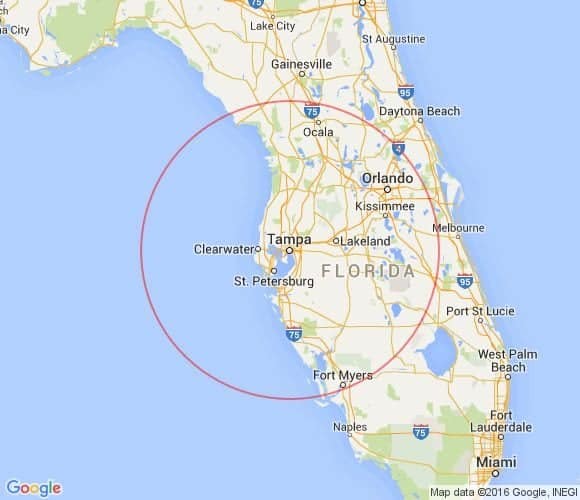
Many travelers choose to combine visits to both Tampa and Fort Myers into a single, comprehensive Florida itinerary. This allows for a diverse vacation, blending the metropolitan energy of Tampa with the relaxed coastal charm of Fort Myers and its surrounding islands. Start your trip in one city, immerse yourself in its offerings for a few days, then enjoy a scenic and manageable drive down I-75 to the next, ready to explore new landscapes and experiences. This dual-destination approach provides a holistic view of the Gulf Coast and caters to a wide range of interests, solidifying its place as a quintessential Florida travel pairing. With careful planning and an understanding of the travel logistics, your journey between these two fantastic Florida destinations will be as enjoyable as the destinations themselves.
LifeOutOfTheBox is a participant in the Amazon Services LLC Associates Program, an affiliate advertising program designed to provide a means for sites to earn advertising fees by advertising and linking to Amazon.com. Amazon, the Amazon logo, AmazonSupply, and the AmazonSupply logo are trademarks of Amazon.com, Inc. or its affiliates. As an Amazon Associate we earn affiliate commissions from qualifying purchases.