
Tokyo, a city that pulsates with an electrifying blend of ancient traditions and cutting-edge modernity, beckons travelers from across the globe. From the serene gardens and historic temples to the neon-drenched boulevards and world-class dining, the Japanese capital offers an unforgettable experience. But as you plan your adventure to this sprawling metropolis, a crucial question looms large: “How much are hotels in Tokyo?” The answer, much like the city itself, is multifaceted, influenced by a dynamic interplay of location, hotel type, amenities, and the season of your visit. Understanding these factors will empower you to find accommodation that perfectly balances your budget and desired level of comfort, ensuring your stay in Tokyo is as seamless as it is spectacular.
Navigating Tokyo’s Diverse Accommodation Landscape
Tokyo boasts an incredibly diverse array of accommodation options, catering to every conceivable traveler’s need and budget. Whether you’re dreaming of opulent suites with panoramic city views, seeking the charm of a traditional ryokan, or looking for a practical and affordable base for exploration, Tokyo has it all. The key to unlocking the best value lies in understanding the categories of hotels and the implications of their location within this vast urban expanse.
Understanding Hotel Tiers and Their Price Points
The pricing of hotels in Tokyo can be broadly categorized into several tiers, each offering a distinct experience:
-
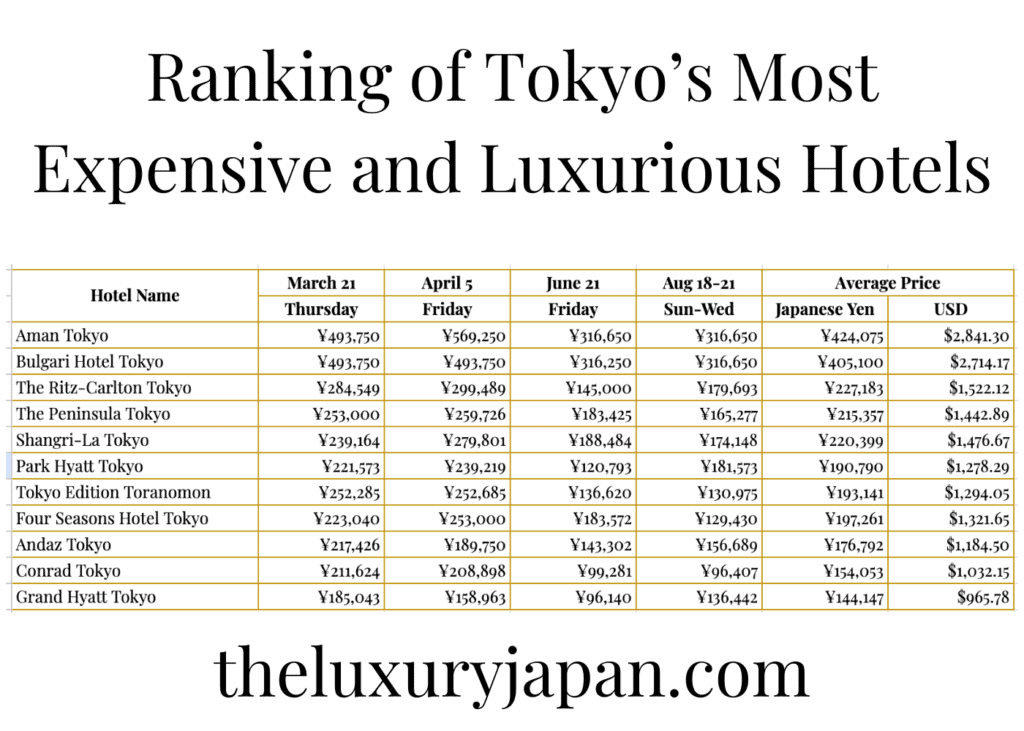
Luxury Hotels: These are the crème de la crème, offering unparalleled service, exquisite design, and prime locations. Think renowned international brands and prestigious local establishments that redefine opulence. Here, you can expect world-class amenities, Michelin-starred dining within the hotel, and impeccable attention to detail. Prices in this category can range from approximately ¥50,000 to well over ¥150,000 per night, and sometimes significantly more for presidential suites or during peak events. Examples include the Park Hyatt Tokyo, the Mandarin Oriental Tokyo, and the Imperial Hotel. These hotels are often situated in the most sought-after districts like Shinjuku, Ginza, or near major business hubs.
-
Mid-Range Hotels: This is arguably the largest and most popular segment, offering a comfortable and well-equipped stay without the extravagant price tag of luxury options. You’ll find excellent quality, good service, and convenient locations, often just a short walk from major train stations or attractions. Many mid-range hotels provide essential amenities such as on-site restaurants, fitness centers, and business services. Expect to pay between ¥15,000 and ¥40,000 per night. Within this tier, you’ll find a wide spectrum, from international chains like Hilton Tokyo and Hyatt Regency Tokyo to highly-rated Japanese chains such as Apa Hotel and Dormy Inn.
-
Budget Hotels & Business Hotels: For travelers prioritizing value and functionality, budget and business hotels offer clean, compact, and efficient accommodations. These hotels are perfect for solo travelers, couples on a shoestring budget, or those who plan to spend most of their time exploring the city. Rooms are typically smaller but well-designed, often featuring essential amenities like private bathrooms, Wi-Fi, and sometimes even complimentary breakfast. Prices can range from ¥7,000 to ¥15,000 per night. Brands like Toyoko Inn and Super Hotel are popular choices in this category.
-
Unique Accommodations: Beyond traditional hotels, Tokyo offers unique lodging experiences that can significantly impact your budget and overall trip.
- Ryokan: For a truly immersive cultural experience, consider staying in a ryokan. These traditional Japanese inns offer tatami mat rooms, futon beds, communal baths (onsen), and often exquisite multi-course kaiseki dinners. Prices can vary widely, from ¥20,000 for a more basic ryokan to upwards of ¥60,000 or more for luxury establishments, especially in areas like Hakone which is a popular day trip from Tokyo but also has its own ryokans.
- Capsule Hotels: A quintessential Tokyo experience for the ultra-budget conscious, capsule hotels offer a private sleeping pod with shared bathroom facilities. These are extremely affordable, often costing between ¥3,000 and ¥6,000 per night. They are a great option for solo travelers looking for a safe and clean place to sleep.
- Hostels: Tokyo has a growing number of stylish and well-equipped hostels that provide dormitory-style rooms and private rooms, often with communal kitchens and social areas. Prices typically range from ¥4,000 to ¥8,000 per night for a dorm bed.
Location, Location, Location: The Price of Proximity
Just as in any major city, where you choose to stay in Tokyo will have a profound impact on hotel prices. The city is divided into numerous distinct districts, each with its own character and price point:
-
Central and Prime Districts: Areas like Shinjuku, Shibuya, Ginza, and Marunouchi (near Tokyo Station) are highly desirable due to their excellent transport links, proximity to major attractions, shopping, and dining. Hotels in these areas, especially those with direct access to major transportation hubs, will generally command the highest prices. You can expect luxury and high-end mid-range options to dominate. For example, a hotel in Ginza will likely be more expensive than a similar hotel in a more residential neighborhood.
-
Popular Tourist Hubs: Districts like Asakusa, known for its historic Senso-ji Temple, and Ueno, home to numerous museums and Ueno Park, also attract a significant number of tourists. While generally more affordable than the absolute prime areas, hotels here can still be moderately priced, especially during peak seasons. You’ll find a good mix of mid-range and budget-friendly options.
-
Up-and-Coming or Residential Areas: Exploring neighborhoods further out from the absolute city center, such as Ikebukuro, Shinagawa, or more residential areas like Setagaya, can often yield more budget-friendly hotel options. While these areas might require a slightly longer commute to certain attractions, they often offer a more local feel and can provide significant savings without compromising on access to Tokyo‘s efficient public transport system. Many business hotels and independent establishments are found in these districts.
-
Proximity to Airports: Hotels located very close to Narita International Airport (NRT) or Haneda Airport (HND) can sometimes be more expensive due to their convenience for travelers arriving or departing, especially if they offer airport shuttle services. However, for those who don’t mind a short train ride, staying further away from the airports can lead to considerable savings.
Factors Influencing Tokyo Hotel Prices
Beyond the type of accommodation and its location, several other critical factors contribute to the final price you’ll pay for a hotel room in Tokyo. Understanding these variables will help you time your visit and make informed booking decisions.
Seasonality and Major Events
Tokyo experiences distinct seasons, each offering a unique appeal and influencing travel demand, and thus hotel prices:
-
Peak Seasons:
- Spring (March-May): This is arguably the most popular time to visit, largely due to the breathtaking cherry blossom season, typically blooming from late March to early April. The pleasant weather and iconic floral displays draw massive crowds, leading to significantly higher hotel rates. Golden Week, a series of national holidays in late April/early May, further inflates prices.
- Autumn (September-November): Another beautiful season with pleasant temperatures and vibrant fall foliage. Similar to spring, this period sees a surge in tourism and corresponding hotel price increases.
-
Off-Peak Seasons:
- Summer (June-August): While Tokyo experiences hot and humid summers, it’s also a time for vibrant festivals and fireworks displays. Hotel prices can be moderate, though it’s wise to book in advance if traveling during major events like the Obon festival. Typhoons can also occur during this period.
- Winter (December-February): Tokyo experiences cold but generally dry winters. The festive Christmas and New Year period can see a spike in prices, but generally, January and February offer some of the best deals for accommodation. The city is beautifully illuminated with winter lights during this time.
- Major Events: Tokyo frequently hosts international conferences, sporting events (like the Olympics and Paralympics), major festivals, and exhibitions. During these periods, hotel availability plummets, and prices can skyrocket, sometimes doubling or tripling from their usual rates. It is crucial to check the city’s event calendar when planning your trip and book accommodation well in advance if your travel dates coincide with any significant happenings.
Amenities and Services
The amenities and services offered by a hotel play a direct role in its pricing. Higher prices are typically associated with:
- On-site Dining: Hotels with multiple restaurants, bars, and room service options, especially those featuring fine dining or Michelin-starred establishments, will reflect these culinary offerings in their room rates.
- Spa and Wellness Facilities: Access to a spa, swimming pool, gymnasium, and other recreational facilities adds to the perceived value and cost of a hotel stay.
- Business Facilities: For business travelers, the availability of meeting rooms, business centers, and executive lounges can also influence pricing.
- Concierge Services: A dedicated concierge team offering personalized recommendations and assistance can be a hallmark of higher-end hotels.
- Room Features: Larger rooms, suites with separate living areas, balconies, or premium views (e.g., city skyline, Tokyo Tower) will naturally be priced higher than standard rooms.
Booking in Advance vs. Last Minute
As a general rule for Tokyo hotels, booking in advance is highly recommended, especially if you are traveling during peak season or for a specific event. Early booking often allows you to:
- Secure Better Rates: Many hotels offer early-bird discounts or have their lowest-priced rooms available furthest in advance.
- Guarantee Availability: Popular hotels and desirable room types can sell out months ahead of time, particularly during busy periods.
- Avoid Price Hikes: Last-minute bookings, especially during high demand, can be significantly more expensive as hotels capitalize on limited availability.
While last-minute deals can sometimes be found in off-peak seasons or for less popular hotels, relying on them for a trip to Tokyo is a gamble. It’s generally safer to plan and book ahead to ensure a smoother and more cost-effective experience.
Making Smart Accommodation Choices for Your Tokyo Trip
With a clear understanding of Tokyo‘s hotel landscape, you can approach your accommodation search with confidence. The key is to align your budget, travel style, and priorities with the options available.
Budgeting Your Accommodation
To effectively budget for your hotel in Tokyo, consider the following:
- Determine Your Daily Budget: Based on your overall trip expenses, decide how much you are comfortable spending per night on accommodation.
- Research Hotel Tiers: Use the price ranges mentioned earlier as a guide to identify which hotel tiers fit within your budget.
- Factor in Location: Be realistic about the trade-offs between staying in a prime location and a more peripheral one. A slightly longer commute can lead to substantial savings.
- Consider Travel Dates: If your travel dates are flexible, aim for the shoulder seasons or winter to find the best deals.
- Utilize Booking Platforms: Websites like Booking.com, Agoda, and Expedia allow you to compare prices across multiple hotels and filter by your specific needs and budget. Look for deals and promotions offered by these platforms.
Types of Stays to Consider
Beyond traditional hotels, Tokyo offers unique accommodation experiences that can shape your budget and travel style:
-
For the Budget Traveler:
- Hostels: Excellent for solo travelers or groups looking for social interaction and low costs.
- Capsule Hotels: A novel and very affordable option for a minimalist stay.
- Budget Business Hotels: Compact, clean, and functional rooms often located near train stations.
-
For the Mid-Range Traveler:
- Standard Business Hotels: Offering a good balance of comfort, amenities, and price.
- Apartment Hotels (Aparthotels): Provide more space and often kitchenettes, ideal for longer stays or families.
- Smaller Boutique Hotels: Can offer unique charm and good value.
-
For the Luxury Traveler:
- International Luxury Brands: Such as The Peninsula Tokyo, Four Seasons Hotel Tokyo at Marunouchi, offering top-tier service and amenities.
- High-End Japanese Hotels: Often blending modern luxury with traditional aesthetics.
- Serviced Apartments: For extended stays with the comfort of a hotel.
-
For the Cultural Immersion Seeker:
- Ryokan: The quintessential Japanese inn experience, offering a glimpse into traditional hospitality. While generally pricier, some more modest ryokans can be found.
Maximizing Your Value
To get the most for your money when booking a hotel in Tokyo:
- Book in Advance: As reiterated, this is crucial for securing better rates and availability.
- Be Flexible with Dates: If possible, adjust your travel dates to avoid peak seasons and major holidays.
- Consider Location Trade-offs: A slightly longer subway ride can open up more affordable accommodation options. Tokyo‘s public transport is incredibly efficient, making even farther-flung areas easily accessible.
- Read Reviews: Pay attention to recent guest reviews regarding cleanliness, service, and noise levels, which can sometimes be a hidden cost in your experience.
- Look for Packages: Sometimes hotels offer packages that include breakfast, Wi-Fi, or even local attraction tickets, which can provide added value.
Ultimately, the cost of hotels in Tokyo is a variable that can be managed with smart planning and an informed approach. By understanding the factors at play and aligning your choices with your travel aspirations, you can find the perfect place to rest your head in this extraordinary city, ensuring your Tokyo adventure is both memorable and within reach.
LifeOutOfTheBox is a participant in the Amazon Services LLC Associates Program, an affiliate advertising program designed to provide a means for sites to earn advertising fees by advertising and linking to Amazon.com. Amazon, the Amazon logo, AmazonSupply, and the AmazonSupply logo are trademarks of Amazon.com, Inc. or its affiliates. As an Amazon Associate we earn affiliate commissions from qualifying purchases.