
Understanding the intricacies of unemployment benefits in Florida is a critical aspect of financial planning and lifestyle management for anyone living in or considering a move to the Sunshine State. Whether you’re a long-term resident facing unexpected job loss, a seasonal worker navigating employment transitions, or someone exploring relocation, knowing the duration and requirements of Florida’s Reemployment Assistance program is essential for maintaining financial stability. This guide delves into the specifics of how long you can receive benefits, the factors influencing their duration, and key considerations for navigating the system, offering a professional and insightful perspective on this vital safety net.
Understanding Florida’s Reemployment Assistance System
Florida’s unemployment program, officially known as Reemployment Assistance, is designed to provide temporary financial support to eligible individuals who have lost their jobs through no fault of their own. It’s a complex system with rules and regulations that can significantly impact a person’s financial lifestyle during a period of joblessness. Navigating this system effectively requires a clear understanding of its foundational principles, including who qualifies and the steps involved in applying.
Eligibility Requirements
To qualify for Reemployment Assistance in Florida, several criteria must be met, ensuring that benefits are directed to those who genuinely need them and are actively seeking reemployment. Primarily, you must have lost your job due to no fault of your own. This typically excludes individuals who voluntarily quit without good cause or were terminated for misconduct. Furthermore, applicants must meet specific wage and work history requirements during a “base period,” which is usually the first four of the last five completed calendar quarters prior to filing your claim. You must have earned sufficient wages in Florida employment during this period. Additionally, claimants must be able to work, available for work, and actively seeking suitable employment. This means you cannot be too sick or injured to work and must be ready to accept a job offer that aligns with your skills and experience. Meeting these prerequisites is the first hurdle in accessing vital support that can help sustain your lifestyle during unemployment.
The Application Process
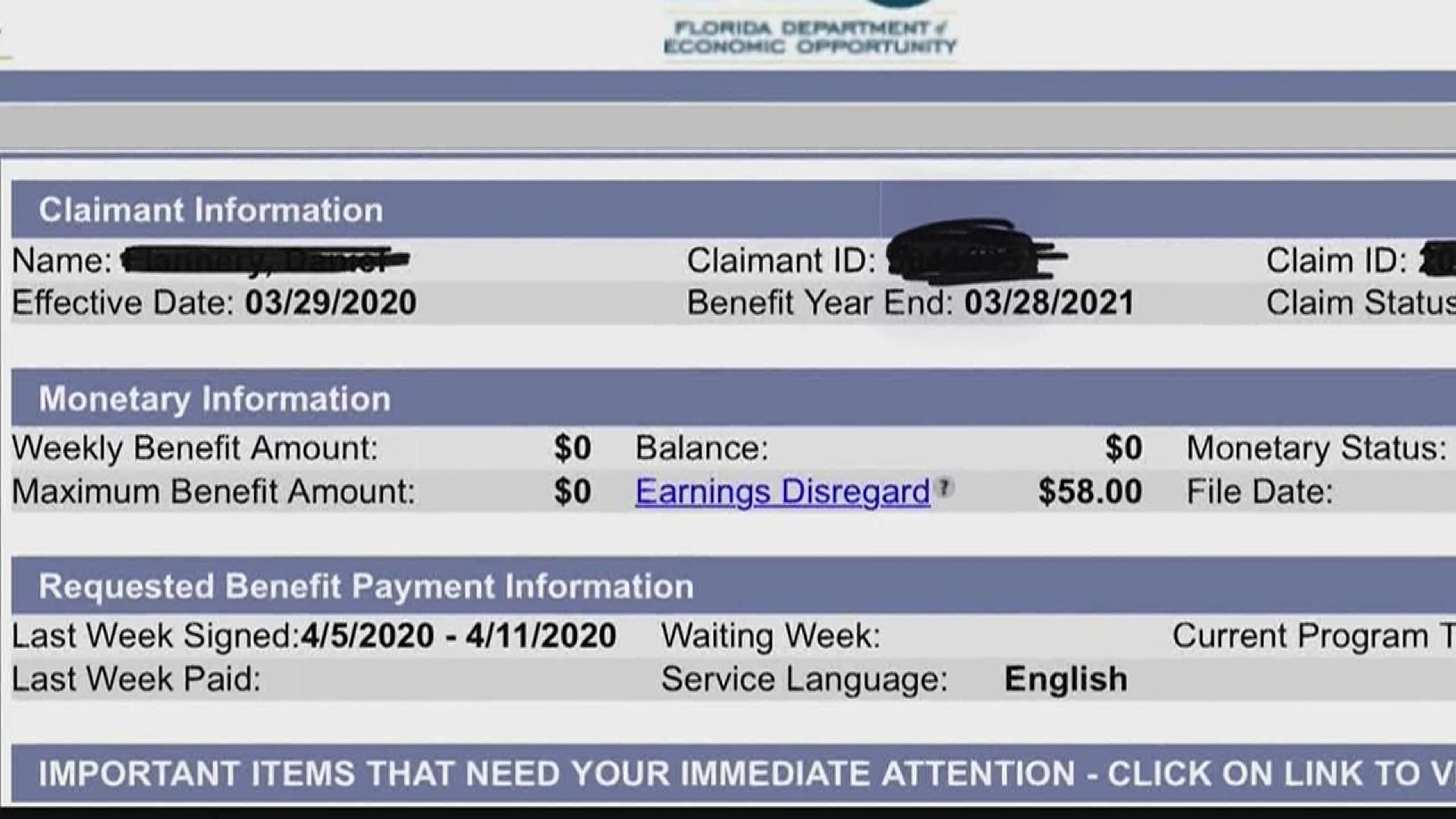
The application for Reemployment Assistance in Florida is primarily conducted online through the FloridaCommerce CONNECT system, the state’s official platform for unemployment claims. The process begins with creating an account and submitting an initial application. This application requires detailed information about your past employers, wages earned, and the reasons for your separation from employment. It’s crucial to provide accurate and complete information to avoid delays or potential issues with your claim. Once the application is submitted, FloridaCommerce reviews your eligibility, which may involve contacting your former employers for verification. During this review period, and throughout the duration of your benefits, you will be required to complete bi-weekly requests for payment, certifying your continued eligibility, including reporting any work search activities. Understanding and diligently following each step of the application and ongoing reporting process is paramount to a smooth experience and uninterrupted benefits.
The Standard Duration of Benefits
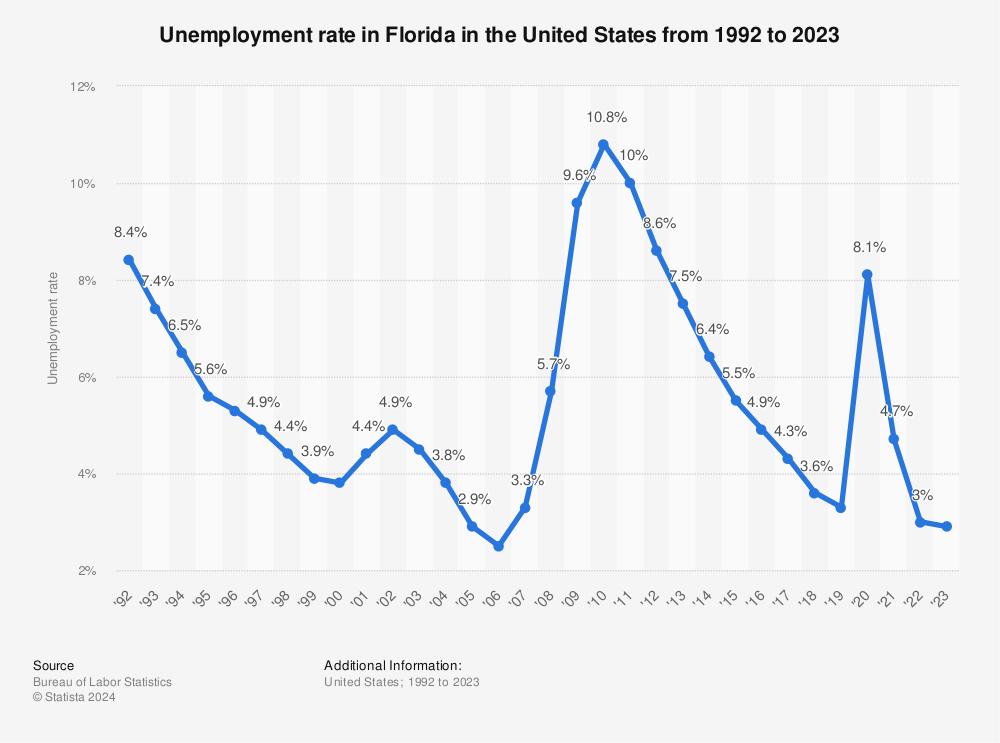
The question of “how long” is at the heart of Reemployment Assistance. In Florida, the maximum duration of unemployment benefits is not fixed but dynamically tied to the state’s average unemployment rate. This mechanism means that the length of time you can receive benefits can fluctuate, reflecting broader economic conditions.
Base Period and Maximum Weeks
Florida law stipulates that the maximum number of weeks an individual can receive Reemployment Assistance ranges from a minimum of 12 weeks to a maximum of 19 weeks. This range is determined by the state’s average unemployment rate for the third calendar quarter of the preceding year. Specifically, if the average unemployment rate is 5.0% or higher, the maximum duration extends closer to 19 weeks. If the rate is lower, the duration shortens, but it will not go below 12 weeks. This variable duration underscores the importance of staying informed about economic indicators in Florida. Your individual benefit duration is also capped by the total amount of wages you earned during your base period, specifically 25% of your total base period wages, which cannot exceed the maximum number of weeks allowed by the state. This dual calculation ensures that the system remains responsive to both individual work history and prevailing economic conditions.
Calculating Weekly Benefit Amount
While the duration of benefits is crucial, the weekly benefit amount also significantly impacts your ability to manage your lifestyle during unemployment. In Florida, your weekly benefit amount is calculated based on your earnings during your base period. Generally, it’s 50% of your average weekly wage during the two highest-earning quarters of your base period, up to a maximum amount set by state law. As of recent updates, the maximum weekly benefit amount in Florida is $275. This means that even if your prior earnings were substantially higher, your unemployment check would not exceed this weekly cap. This cap makes careful budgeting and financial planning even more critical for individuals accustomed to a higher income level, highlighting the temporary and supplementary nature of these benefits. It’s essential to factor this maximum into your financial strategy to ensure your lifestyle adjustments are realistic and sustainable.
Factors Influencing Benefit Duration
While a standard duration exists, several factors can influence how long an individual actually receives unemployment benefits in Florida. These range from broad economic conditions to specific federal interventions and individual compliance with program rules. Understanding these variables is key to managing expectations and making informed decisions about your financial future.
State Unemployment Rate
As previously mentioned, the state’s average unemployment rate plays a direct and significant role in determining the maximum number of weeks available for Reemployment Assistance. This mechanism means that during periods of economic downturn, when more people are out of work, the system automatically extends the maximum duration of benefits, providing a longer safety net. Conversely, when the job market is strong and the unemployment rate is low, the maximum duration contracts. This dynamic linkage ensures that the program adapts to the economic realities faced by Florida’s workforce, directly impacting the financial lifestyle and stability of those relying on these benefits. Staying abreast of economic reports from FloridaCommerce can offer insights into potential shifts in benefit duration.
Federal Extensions
In times of severe economic crisis or national emergency, the federal government may intervene to provide extended unemployment benefits. These federal programs, such as the Pandemic Emergency Unemployment Compensation (PEUC) or Federal Pandemic Unemployment Compensation (FPUC) seen during the COVID-19 pandemic, can significantly extend the duration of state benefits and, in some cases, provide additional weekly payments. It’s crucial to understand that these federal extensions are not permanent fixtures of the unemployment system. They are enacted by Congress for specific periods and under particular circumstances. When such programs are active, they offer a vital lifeline that can dramatically alter the financial landscape for individuals during prolonged periods of joblessness, allowing for a more stable lifestyle than state benefits alone might provide. However, individuals should never assume these extensions will be available and always plan based on state-mandated durations.
Reemployment Efforts
A non-negotiable requirement for receiving Reemployment Assistance in Florida is the continuous demonstration of active reemployment efforts. This typically involves registering with CareerSource Florida and actively searching for work, which usually means contacting a certain number of employers each week and maintaining a detailed log of these activities. Failure to comply with work search requirements or refusing suitable job offers can lead to the disqualification of benefits, effectively shortening your duration to zero. The state is committed to helping individuals return to work, and the benefits are intended to be a temporary bridge, not a long-term income source. Participating in required workshops, training programs, or job fairs facilitated by CareerSource Florida can not only fulfill compliance requirements but also enhance your prospects for finding new employment, thus restoring your earning potential and desired lifestyle.
Navigating the Reemployment Journey in Florida
Beyond understanding the duration and calculation of benefits, effectively navigating unemployment in Florida involves leveraging available resources and adopting sound financial practices. The aim is not just to collect benefits, but to use the period of assistance to successfully transition back into employment, minimizing the long-term impact on your lifestyle.
Resources for Job Seekers
Florida offers a robust network of resources designed to assist job seekers in their reemployment journey. The primary resource is CareerSource Florida, a statewide network of local career centers. These centers provide a wealth of free services, including job search assistance, resume writing workshops, interview coaching, skills assessments, and access to job listings. Many centers also offer vocational training and educational programs to help individuals gain new skills or update existing ones, making them more competitive in the current job market. Actively engaging with CareerSource Florida is not just a requirement for some unemployment claimants but a strategic move that can significantly shorten the period of unemployment and improve the quality of reemployment. Utilizing these resources effectively can transform a period of uncertainty into an opportunity for career growth and lifestyle enhancement.
Financial Planning Beyond Benefits
Given the temporary nature and relatively modest weekly benefit amount of Reemployment Assistance, robust financial planning is indispensable. It’s crucial to treat unemployment benefits as a supplement, not a replacement, for your previous income. This period necessitates a critical review of your budget, identifying areas where expenses can be reduced. Establishing an emergency fund before unemployment is ideal, but if not, prioritizing essential expenses like housing, food, and utilities becomes paramount. Exploring alternative income sources, even temporary or part-time work that doesn’t disqualify you from benefits (within earnings limits), can help bridge financial gaps. Considering options like debt consolidation, contacting creditors for temporary relief, or exploring community assistance programs can also alleviate financial stress. Proactive financial management during unemployment directly impacts your ability to maintain a stable lifestyle and minimizes the long-term financial repercussions of job loss.
Important Considerations and Common Pitfalls
While Reemployment Assistance provides a vital safety net, navigating the system effectively requires attention to detail and awareness of potential pitfalls. Missteps can lead to delays, reduction, or even complete loss of benefits, further complicating an already challenging period in one’s lifestyle.
Reporting Requirements
One of the most common pitfalls for claimants is failing to adhere strictly to the bi-weekly reporting requirements. To continue receiving benefits, you must certify your eligibility every two weeks through the FloridaCommerce CONNECT system. During this process, you must accurately report any wages earned from part-time work, job offers received or refused, and your work search activities. Any failure to report, or inaccurate reporting, can lead to complications. It’s imperative to mark your calendar, set reminders, and complete these certifications diligently and truthfully. This consistent reporting is how the state verifies your ongoing eligibility and ensures benefits are distributed correctly. Neglecting these requirements is a surefire way to interrupt your benefit flow and create unnecessary financial stress.
Avoiding Overpayments
An overpayment occurs when you receive benefits that you were not entitled to, often due to reporting errors, misinterpretations of rules, or administrative mistakes. For example, if you earn wages from temporary work but fail to report them, you might receive full benefits when you should have received a reduced amount. If an overpayment occurs, the state will typically require you to repay the funds. This can be a significant financial burden, potentially leading to collection efforts, wage garnishment, or even future benefit offsets. The best way to avoid overpayments is to be scrupulously honest and accurate in all your reporting, ask questions if you are unsure about what to report, and keep thorough records of your job search activities and any earnings. Proactive communication with FloridaCommerce if your circumstances change can prevent costly errors.
Appeals Process
If your application for Reemployment Assistance is denied, or if your benefits are reduced or terminated, you have the right to appeal the decision. This is a crucial safeguard within the system, allowing claimants to present their case and provide additional evidence. The appeals process typically involves several stages, starting with an appeal to a claims adjudicator, potentially followed by an administrative law judge, and in some cases, further review by a higher authority. It’s important to act quickly, as there are strict deadlines for filing appeals. Gathering all relevant documentation, such as separation notices, pay stubs, and any communication with your former employer, is vital for a successful appeal. While navigating an appeal can be complex, it offers a pathway to potentially secure the benefits you believe you are entitled to, helping to stabilize your financial lifestyle during a challenging period.
Conclusion
The duration of unemployment benefits in Florida is a dynamic figure, influenced by both individual work history and the state’s economic health, typically ranging from 12 to 19 weeks. While temporary federal extensions can occasionally lengthen this period, the core responsibility lies with the claimant to understand and adhere to the state’s eligibility and reporting requirements. For anyone managing their lifestyle in Florida, comprehending the Reemployment Assistance program is more than just knowing a number; it’s about strategic financial planning, active job seeking through resources like CareerSource Florida, and diligent compliance with regulations to ensure continuous support. By proactively engaging with the system and preparing for the temporary nature of these benefits, individuals can navigate periods of unemployment with greater stability and confidence, ultimately fostering a more resilient personal lifestyle in the Sunshine State.
LifeOutOfTheBox is a participant in the Amazon Services LLC Associates Program, an affiliate advertising program designed to provide a means for sites to earn advertising fees by advertising and linking to Amazon.com. Amazon, the Amazon logo, AmazonSupply, and the AmazonSupply logo are trademarks of Amazon.com, Inc. or its affiliates. As an Amazon Associate we earn affiliate commissions from qualifying purchases.