
While the captivating allure of Nevada often conjures images of glittering casinos and the vibrant energy of the Las Vegas Strip, the Silver State plays a crucial role in the broader political landscape of the United States. Beyond the dazzling entertainment and the iconic Hoover Dam, understanding Nevada’s significance extends to its contribution to the Electoral College, a fundamental aspect of American presidential elections. As the 2024 election cycle approaches, many are curious about the specific number of electoral votes allocated to this diverse and dynamic state.
This article delves into the mechanics of electoral vote allocation, with a particular focus on Nevada and its standing for the upcoming presidential contest. We will explore how these votes are determined, why Nevada’s count has evolved, and what this means for the state’s political influence on a national scale. While the thrill of exploring Lake Tahoe or indulging in a luxurious stay at a Las Vegas resort offers a unique travel experience, understanding the electoral process provides a different, yet equally important, perspective on the state’s significance.
The Foundation of Electoral Vote Allocation
The Electoral College is the system established by the United States Constitution for electing the president and vice president. It is not a place, but rather a process. When Americans cast their ballots in a presidential election, they are technically voting for a slate of electors who have pledged to support a particular candidate. Each state is assigned a number of electors equal to the sum of its representation in Congress: one for each of its representatives in the House of Representatives, plus two for its senators. This system means that states with larger populations have more electoral votes.
Representation in Congress: The Basis for Electoral Votes
The number of representatives each state has in the House of Representatives is based on its population, as determined by the decennial U.S. Census. Every ten years, the census counts the nation’s population, and this data is used to reapportion the seats in the House among the states. If a state’s population grows significantly, it may gain a representative, and therefore an additional electoral vote. Conversely, a state with a declining population might lose a representative and an electoral vote.
The number of senators for each state, however, is fixed at two, regardless of population. This means that smaller states have proportionally more electoral power per capita than larger states. This historical compromise, intended to balance the interests of more populous states with those of less populous ones, remains a cornerstone of the American electoral system.
The Reapportionment Process: A Decennial Shift
Following each U.S. Census, the process of reapportionment takes place. The U.S. Census Bureau determines the population of each state, and based on these figures, the total number of seats in the House of Representatives (currently fixed at 435) is reallocated. States that have experienced substantial population growth may see their number of representatives increase, while those with slower growth or population decline may see their representation decrease.
This reapportionment directly impacts the number of electoral votes each state holds. For instance, a state gaining a representative will also gain an electoral vote. This shift can be particularly significant in close presidential elections, where a single electoral vote can be decisive. Understanding this dynamic is crucial for appreciating how states like Nevada, with its fluctuating population, can see their electoral influence change over time. The insights gained from these shifts also inform discussions about travel trends and accommodation needs in growing areas, as infrastructure and services are often developed to match population increases.
Nevada’s Electoral Vote Count: A Historical Perspective and 2024 Outlook
Nevada’s electoral vote count has been influenced by its population growth over the decades. As a state that has experienced significant expansion, particularly in its urban centers like Las Vegas and Reno, its representation in Congress has, at times, increased. This growth is often fueled by migration, economic opportunities, and the attractive lifestyle and entertainment options the state offers, from exploring the natural beauty of the Great Basin National Park to experiencing the vibrant nightlife.
The Impact of the 2020 Census on Nevada’s Electoral Votes
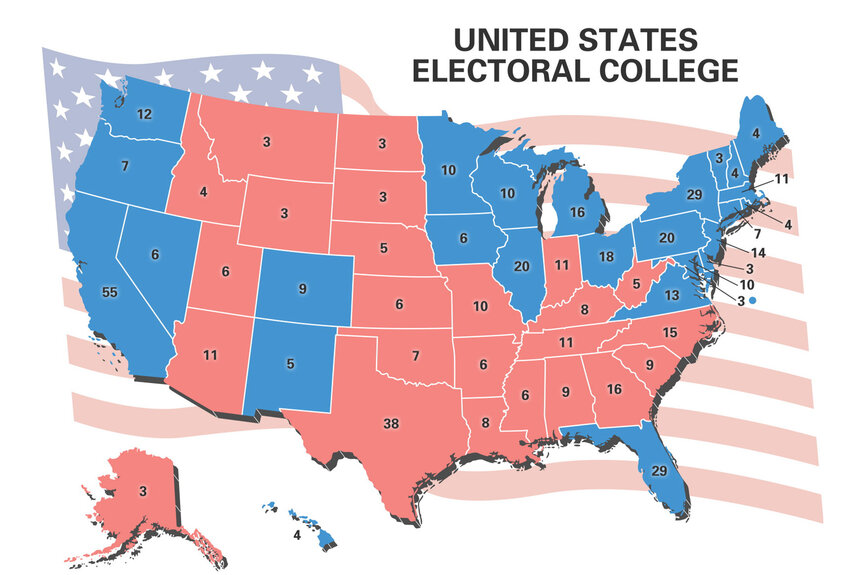
The most recent reapportionment, based on the 2020 U.S. Census, has set the stage for the electoral vote allocations for the 2024 presidential election and subsequent elections until the next census. States whose populations grew the fastest often gained representation, while those with slower or declining populations might have lost seats. This dynamic is crucial for understanding how Nevada stands in the 2024 election.
Nevada’s Electoral Votes in 2024: The Current Allocation
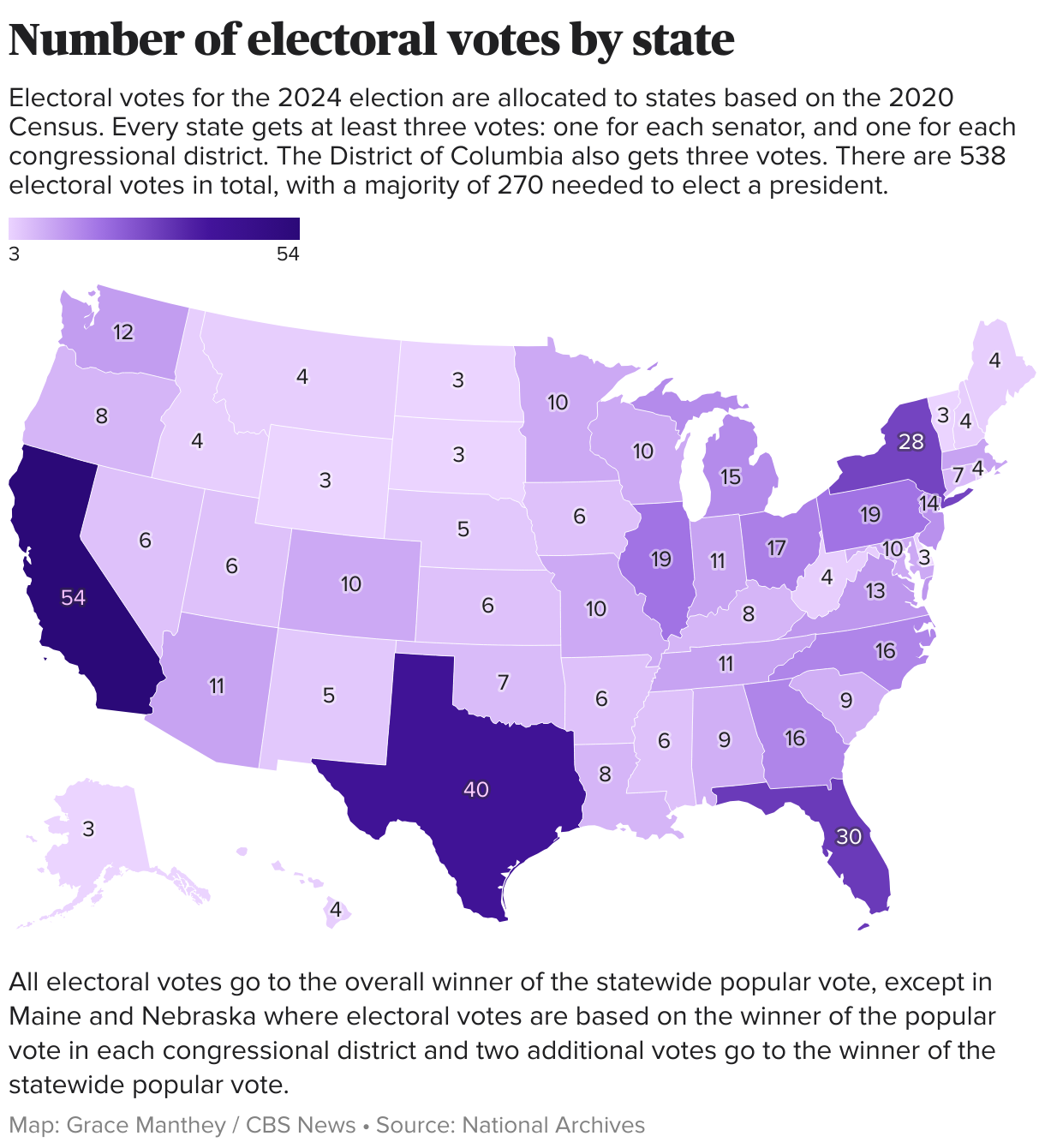
Following the 2020 Census, Nevada was confirmed to have six electoral votes for the 2024 presidential election. This number reflects its representation in Congress, which consists of two senators and six representatives in the House. This consistent allocation, based on the latest census data, solidifies Nevada’s position as a state with a notable, albeit not dominant, voice in the Electoral College. This number is important for political strategists, but it also indirectly influences how the state’s tourism and hospitality sectors might experience increased focus from national campaigns, potentially impacting travel and accommodation booking patterns around election periods.
The Significance of Nevada’s Electoral Votes
While six electoral votes may seem modest compared to larger states like California or Texas, Nevada’s electoral votes carry significant weight, particularly in a close presidential election. The state has a history of being a swing state, meaning its electoral votes have, at times, gone to both major political parties. This competitive nature makes it a target for presidential campaigns, with candidates often spending considerable time and resources in the state to win over voters.
Nevada as a Swing State: A Battleground for Votes
Nevada’s political landscape is often characterized by its closely contested elections. Its diverse population, which includes a significant number of independent voters, along with the influence of its major metropolitan areas like Las Vegas and Reno, contributes to its status as a swing state. This means that the outcome of its presidential elections is often uncertain until the votes are counted, making it a crucial battleground for both the Democratic and Republican parties. The focus on Nevada by national campaigns can indirectly boost its tourism industry, as media coverage and campaign events can draw attention to the state’s attractions and accommodations, from unique boutique hotels to sprawling resorts.
The Influence of Six Electoral Votes
In the intricate mathematics of the Electoral College, where 270 electoral votes are needed to win the presidency, six votes can be pivotal. In elections that are decided by narrow margins, the electoral votes from a state like Nevada can prove to be the deciding factor. This heightened importance encourages candidates to pay close attention to the issues and concerns of Nevada voters, ensuring that their campaigns address the needs of this diverse electorate. The economic and social fabric of the state, including its robust tourism and entertainment sectors, are often highlighted during these campaigns, underscoring the interconnectedness of politics, economics, and lifestyle in Nevada.

Conclusion: Nevada’s Enduring Role in the Electoral College
As the 2024 presidential election draws nearer, the spotlight on states like Nevada intensifies. With its six electoral votes, the Silver State continues to hold a significant position in the American electoral process. The allocation of these votes, determined by population shifts and congressional representation, underscores the dynamic nature of the Electoral College and the importance of accurate census data.
Beyond the political arena, Nevada offers a rich tapestry of experiences for travelers and residents alike. From the natural wonders of the Mojave Desert to the unparalleled entertainment in Las Vegas, the state presents a compelling blend of natural beauty, cultural attractions, and vibrant urban life. Whether one is exploring historic landmarks, indulging in world-class cuisine, or seeking luxurious accommodation, Nevada continues to captivate and surprise. The understanding of its electoral significance adds another layer to its multifaceted identity, highlighting its crucial role not only as a premier travel destination but also as an integral player in the democratic process of the United States. The interplay between these various facets of Nevada — its political influence, its economic drivers like tourism, and its unique lifestyle offerings — creates a compelling narrative of a state that is far more than the sum of its famous attractions.
LifeOutOfTheBox is a participant in the Amazon Services LLC Associates Program, an affiliate advertising program designed to provide a means for sites to earn advertising fees by advertising and linking to Amazon.com. Amazon, the Amazon logo, AmazonSupply, and the AmazonSupply logo are trademarks of Amazon.com, Inc. or its affiliates. As an Amazon Associate we earn affiliate commissions from qualifying purchases.