
Embarking on a journey to the sun-kissed shores and diverse landscapes of California is a dream for many travelers, offering everything from bustling city life in Los Angeles to the serene majesty of Yosemite National Park. But for pet owners, especially those with furry companions of the ferret variety, a trip to the Golden State can quickly turn into a legal quagmire. While ferrets are cherished pets in many parts of the United States and around the world, they remain strictly illegal in California, a regulation that often catches visitors and prospective residents by surprise. This isn’t just a quirky local ordinance; it’s a deeply rooted policy designed to protect California’s delicate and unique ecosystems, a facet of the state’s identity that is as compelling as its iconic landmarks and vibrant culture.
For those planning an unforgettable travel experience or considering a long-term stay, understanding the local laws governing pets is crucial. It’s not just about avoiding fines; it’s about respecting the intricate balance of nature that makes destinations like California so special. The prohibition on ferrets serves as a fascinating case study in how conservation efforts can shape the lifestyle of residents and the experiences of tourists. This comprehensive guide will delve into the ecological reasoning, historical context, and practical implications of California’s ferret ban, providing valuable insights for responsible travelers and animal enthusiasts alike.

The Golden State’s Stance on Ferrets: A Deep Dive into Ecological Concerns
The primary reason behind the ban on ferrets in California is rooted in profound ecological concerns. The state boasts an unparalleled biodiversity, making it one of the world’s 36 biodiversity hotspots. This rich tapestry of life, however, is particularly vulnerable to invasive species. When considering travel destinations or long-term accommodation, understanding such local ecological sensitivities is key to appreciating the destination beyond its surface attractions.
Understanding California’s Unique Ecosystem
California’s geography is extraordinarily diverse, ranging from the towering redwoods of Redwood National Park to the arid expanses of the Mojave Desert, and from the fertile San Joaquin Valley to the rugged coastline. This variety gives rise to a multitude of microclimates and habitats, supporting an incredible array of plant and animal species, many of which are endemic, meaning they are found nowhere else on Earth.
This unique biodiversity includes numerous endangered species, whose survival hangs precariously in the balance. The California Department of Fish and Wildlife (CDFW) is tasked with safeguarding these natural treasures. Their approach is often preventative, aiming to stop potential threats before they can inflict irreversible damage. The presence of non-native species, particularly predators, poses a significant risk to this delicate balance. Travelers exploring California’s natural landmarks, from state parks to wildlife reserves, quickly come to appreciate the immense effort put into conservation.
The Threat of Non-Native Species: Why Ferrets Pose a Risk
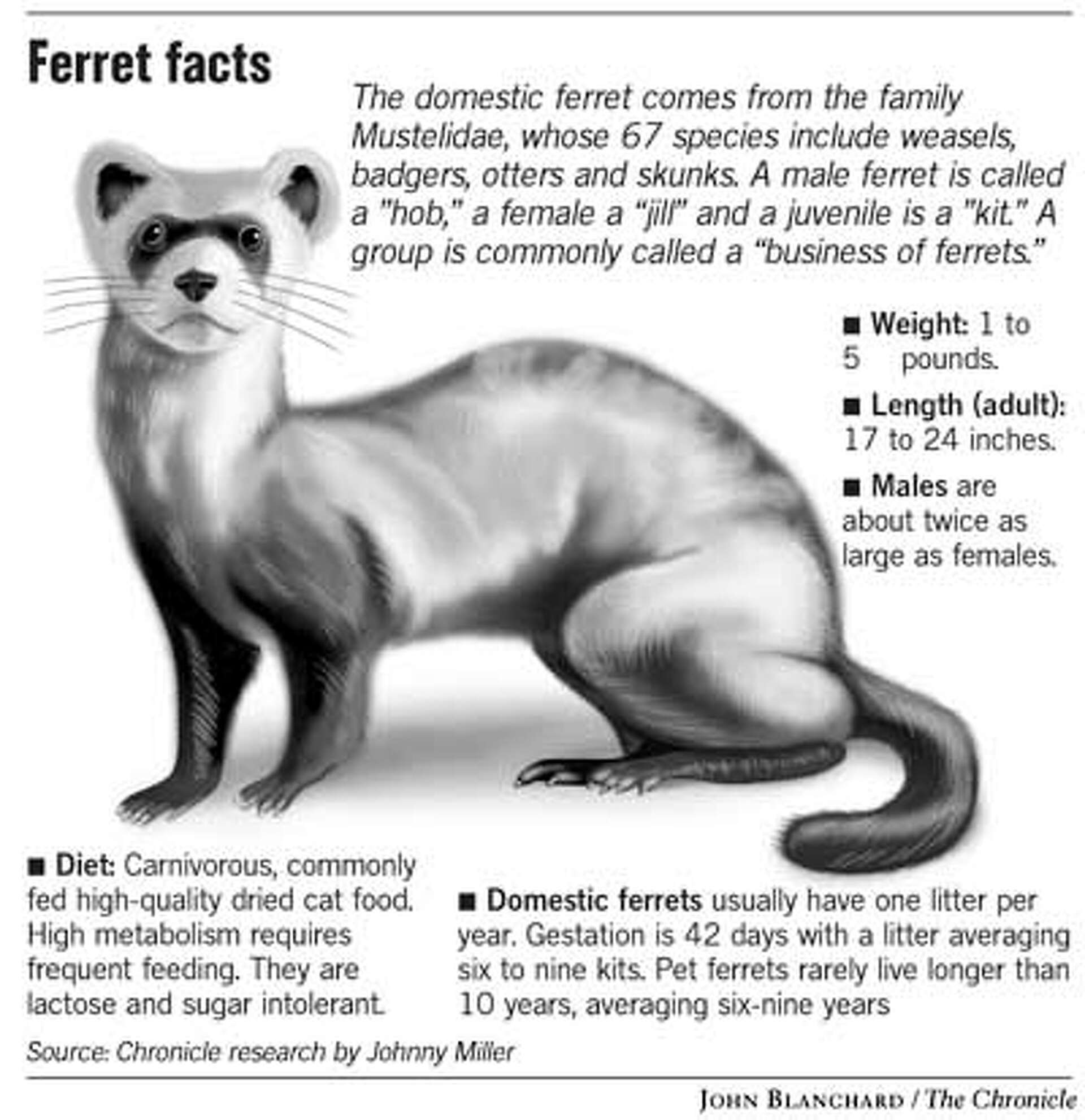
Ferrets (Mustela putorius furo) are domesticated versions of the European polecat, members of the weasel family (Mustelidae). While adorable and affectionate pets, they retain many of their wild ancestors’ instincts, particularly their prowess as opportunistic predators. Their long, slender bodies allow them to navigate burrows and tight spaces, making them highly effective hunters of small mammals, birds, and eggs.
The concern in California is multifaceted:
- Predation on Native Wildlife: If ferrets were to escape into the wild, they could easily establish feral populations. With their natural hunting instincts, they would pose a direct threat to California’s ground-nesting birds, rodents, rabbits, and other small native animals, many of which have no natural defenses against such a predator. This impact could be particularly devastating for already endangered species.
- Competition with Native Predators: Feral ferrets could also compete with native predators, such as weasels, bobcats, and coyotes, for food sources, further disrupting the ecological food web.
- Disease Transmission: Ferrets are susceptible to and can carry diseases like rabies and distemper. If feral populations were to intermingle with native wildlife, they could transmit these diseases, leading to widespread epidemics among vulnerable animal populations.
- Hybridization: While less common, there’s a theoretical risk of ferrets interbreeding with native Mustelidae species, potentially diluting the genetic purity of wild populations.
- Agricultural Concerns: Some proponents of the ban also point to the potential for ferrets to become agricultural pests, preying on poultry or game birds raised on farms, though this is a secondary concern compared to the ecological risks.
The CDFW, acting on the precautionary principle, determined that the risks posed by allowing ferrets into the state, even as pets, were too high given California’s unique and fragile environment. This strict stance reflects a broader commitment to preserving natural heritage, a commitment that adds to the allure of California for eco-conscious travelers.
A Historical Perspective: How Ferrets Became Banned in California
The prohibition on ferrets isn’t a recent development; it’s a long-standing policy deeply woven into California’s conservation history. Understanding this trajectory provides context for how the state approaches wildlife management and the ongoing debates surrounding pet ownership.
The Early Days: California’s Proactive Conservation Efforts
California has historically been at the forefront of environmental protection in the United States. Its Fish and Game Code, which dates back over a century, reflects a progressive attitude towards wildlife management. The ban on ferrets, and other non-native species deemed ecologically hazardous, was codified decades ago as part of a broader strategy to prevent the introduction of invasive species.
In the mid-20th century, as exotic pet ownership began to rise, the CDFW recognized the potential dangers. They saw examples in other regions where non-native species, either intentionally or accidentally introduced, caused significant ecological and economic damage. The infamous case of the mongoose in Hawaii, introduced to control rats but instead devastating native bird populations, served as a stark warning. California decided to take a proactive stance, categorizing ferrets alongside other potentially harmful non-native animals, such as pythons, piranhas, and certain types of birds, as restricted or illegal.
This preventative approach, while sometimes seen as draconian by pet advocates, has been consistently defended by state wildlife officials as essential for protecting California’s irreplaceable natural resources. The aim was to prevent the “what if” scenario from ever becoming a “what is.”
Legislative Battles and Ongoing Debates
Despite the long-standing ban, the issue of ferret legality in California has been a subject of persistent debate and legislative challenges. Over the years, various groups, including ferret enthusiasts and animal rights organizations, have campaigned to legalize ferrets, arguing for responsible pet ownership and pointing to the supposed low risk of domesticated ferrets establishing wild populations.
These efforts have included:
- Lobbying the Legislature: Pet ferret advocacy groups have repeatedly lobbied the state legislature in Sacramento, presenting scientific arguments that domesticated ferrets are unlikely to survive or reproduce in California’s diverse habitats, especially if spayed or neutered. They often cite the fact that ferrets are legal in 48 other states.
- Public Awareness Campaigns: These groups have also launched public awareness campaigns, attempting to shift public perception and pressure lawmakers.
- Legal Challenges: While less frequent, there have been attempts to challenge the ban in court, though these have generally been unsuccessful.
However, the CDFW and environmental conservation groups have consistently opposed these efforts. They argue that:
- Risk is Risk: Even a small chance of ferrets establishing feral populations is too great a risk for California’s vulnerable ecosystems.
- Enforcement Challenges: Legalizing ferrets, even with strict regulations (like mandatory spaying/neutering or microchipping), would create significant enforcement challenges for wildlife officials, making it harder to differentiate between legal pets and potentially dangerous escapees.
- The Precautionary Principle: California maintains its adherence to the precautionary principle, preferring to err on the side of caution when it comes to environmental protection.
As a result, despite the passionate advocacy, the ban remains firmly in place. This ongoing debate highlights the complex interplay between individual freedoms, pet ownership, and the broader responsibility of environmental stewardship, a theme often encountered when exploring the local culture and lifestyle aspects of any travel destination.
Traveling with Pets: Navigating California’s Strict Regulations
For travelers planning a trip to California or considering a longer stay, the state’s stringent pet regulations, particularly regarding ferrets, have significant implications. Understanding these rules is essential for a smooth and enjoyable experience, avoiding potential legal pitfalls and ensuring responsible pet ownership.
What Travelers Need to Know Before Visiting California with Pets
Before packing your bags and heading to California, especially if you’re traveling with a pet, thorough research is paramount. This is a critical aspect of travel planning, ensuring that your accommodation, experiences, and overall trip align with local laws.
- Ferrets are Prohibited: The most crucial point for ferret owners is that bringing a ferret into California is illegal. This applies whether you are a resident, a short-term tourist, or simply passing through. The state does not make exceptions for “just visiting” or for ferrets with specific health or behavioral certifications.
- Other Restricted Animals: Ferrets are not the only animals on California’s restricted list. Before traveling with any exotic pet, always consult the CDFW’s official list of restricted animals. This includes various reptiles, birds, and other mammals that are common pets elsewhere but illegal in California.
- Domestic Pets (Dogs and Cats): For common domestic pets like dogs and cats, California has standard regulations. These typically include up-to-date vaccinations (especially rabies), health certificates, and sometimes microchipping. Always check with specific airlines or border crossing requirements if entering from another country.
- Pet-Friendly Accommodations: While many hotels and resorts, from luxury suites to budget-friendly apartments, offer pet-friendly options, it’s essential to confirm their specific policies. However, no legitimate pet-friendly accommodation will allow an illegal pet like a ferret. Researching “pet-friendly hotels Los Angeles” or “pet-friendly resorts San Francisco” is a good start, but always double-check the fine print regarding pet types.
- Alternative Care for Ferrets: If you own a ferret and plan to visit California, the only legal and responsible option is to leave your pet with a trusted caregiver outside the state or at a reputable boarding facility. This might influence your travel duration or choice of destination.
Legal Consequences and Responsible Pet Ownership
The consequences of violating California’s ferret ban can be severe and far-reaching, extending beyond just a simple fine.
- Confiscation of the Animal: The most immediate consequence is the confiscation of the ferret by animal control or CDFW officers. Once confiscated, these animals are typically not returned to their owners. They may be euthanized, rehomed to facilities in states where they are legal (which is rare and often depends on resources), or placed in educational institutions with special permits.
- Fines and Penalties: Owners can face significant fines, often in the hundreds or even thousands of dollars, for possessing or importing an illegal animal.
- Criminal Charges: In some severe cases, particularly if there’s evidence of intent to smuggle or breed illegal animals, owners could face misdemeanor charges.
- Impact on Travel and Future Visits: While less direct, a record of violating state laws could potentially impact future travel or residency applications, though this is rare for a single pet offense.
Responsible pet ownership is a key aspect of ethical travel and lifestyle. It means understanding and respecting the laws of your chosen destination. For ferret owners, this means making the difficult but necessary decision to leave their beloved pet behind when visiting California. This commitment not only protects you from legal trouble but also upholds the environmental principles that California so diligently defends.
Beyond Ferrets: California’s Broader Approach to Exotic Pets and Wildlife Protection
The ferret ban is not an isolated policy but a reflection of California’s comprehensive and rigorous approach to wildlife protection and the regulation of exotic pets. This broader framework is crucial for understanding the state’s commitment to its unique natural heritage, which in turn influences tourism, local culture, and even accommodation choices.
The Role of the California Department of Fish and Wildlife
The CDFW is the primary state agency responsible for the management and protection of California’s diverse fish, wildlife, and plant resources. Its mandate includes enforcing regulations related to hunting, fishing, and, crucially, the possession of live wild animals and exotic species. The CDFW operates under the authority of the Fish and Game Code, which explicitly lists species that are illegal to import, transport, or possess without a special permit.
The CDFW’s approach is guided by scientific research and ecological principles. They assess the potential risks that non-native species pose to native ecosystems, agricultural interests, and public safety. This scientific rigor underpins policies like the ferret ban, as well as restrictions on other exotic animals that might seem harmless to an untrained eye. Their role extends to:
- Issuing Permits: While most exotic pets are banned, the CDFW does issue limited permits for certain species for specific purposes, such as zoological exhibits, scientific research, or rehabilitating injured wildlife. These permits are extremely difficult to obtain and come with strict conditions.
- Public Education: The CDFW also engages in public education campaigns, raising awareness about the dangers of releasing non-native pets into the wild and the importance of responsible pet ownership.
- Enforcement: Wildlife officers actively enforce these laws, investigating reports of illegal exotic animal possession and confiscating prohibited animals.
Understanding the robust role of the CDFW helps travelers and residents appreciate the depth of California’s commitment to environmental stewardship. This commitment contributes to the pristine nature of many of its attractions, from coastal areas to mountain ranges.
Exploring California’s Natural Attractions Responsibly
California’s natural beauty is undoubtedly one of its greatest draws, attracting millions of tourists to its national parks, state beaches, and wilderness areas. From hiking in the Sierra Nevada to birdwatching along the Pacific Flyway, opportunities for nature-based tourism are abundant. However, enjoying these attractions responsibly means adhering to a set of guidelines that extend beyond just pet laws.
- Leave No Trace Principles: Always practice “Leave No Trace” principles when exploring natural areas. This includes packing out all trash, staying on marked trails, and respecting wildlife by observing from a distance.
- Respect Wildlife Habitats: Avoid disturbing natural habitats or feeding wild animals. The introduction of human food can alter animal behavior and make them dependent, leading to negative consequences for both animals and humans.
- Fire Safety: Be extremely vigilant about fire safety, especially in dry seasons. California is highly susceptible to wildfires, which devastate natural landscapes and wildlife populations.
- Support Local Conservation Efforts: Consider visiting nature centers, supporting local conservation organizations, or participating in eco-tourism activities that contribute to the preservation of California’s natural environment. Many hotels and tourism operators are increasingly integrating sustainable practices into their offerings, which can enhance your travel experience.
- Educate Yourself: Take the time to learn about the unique flora and fauna of the areas you visit. This deeper understanding enhances your appreciation for the destination and reinforces the importance of regulations like the ferret ban.
In conclusion, the question “Why are ferrets illegal in California?” opens a window into the state’s deep-seated commitment to environmental protection. While it may pose a challenge for some pet owners, it highlights a dedication to preserving the stunning biodiversity and natural landscapes that make California such an extraordinary place to travel, live, and explore. By understanding and respecting these unique laws, visitors can contribute to the ongoing efforts to keep the Golden State truly golden, ensuring its natural wonders remain vibrant for generations to come.
LifeOutOfTheBox is a participant in the Amazon Services LLC Associates Program, an affiliate advertising program designed to provide a means for sites to earn advertising fees by advertising and linking to Amazon.com. Amazon, the Amazon logo, AmazonSupply, and the AmazonSupply logo are trademarks of Amazon.com, Inc. or its affiliates. As an Amazon Associate we earn affiliate commissions from qualifying purchases.