
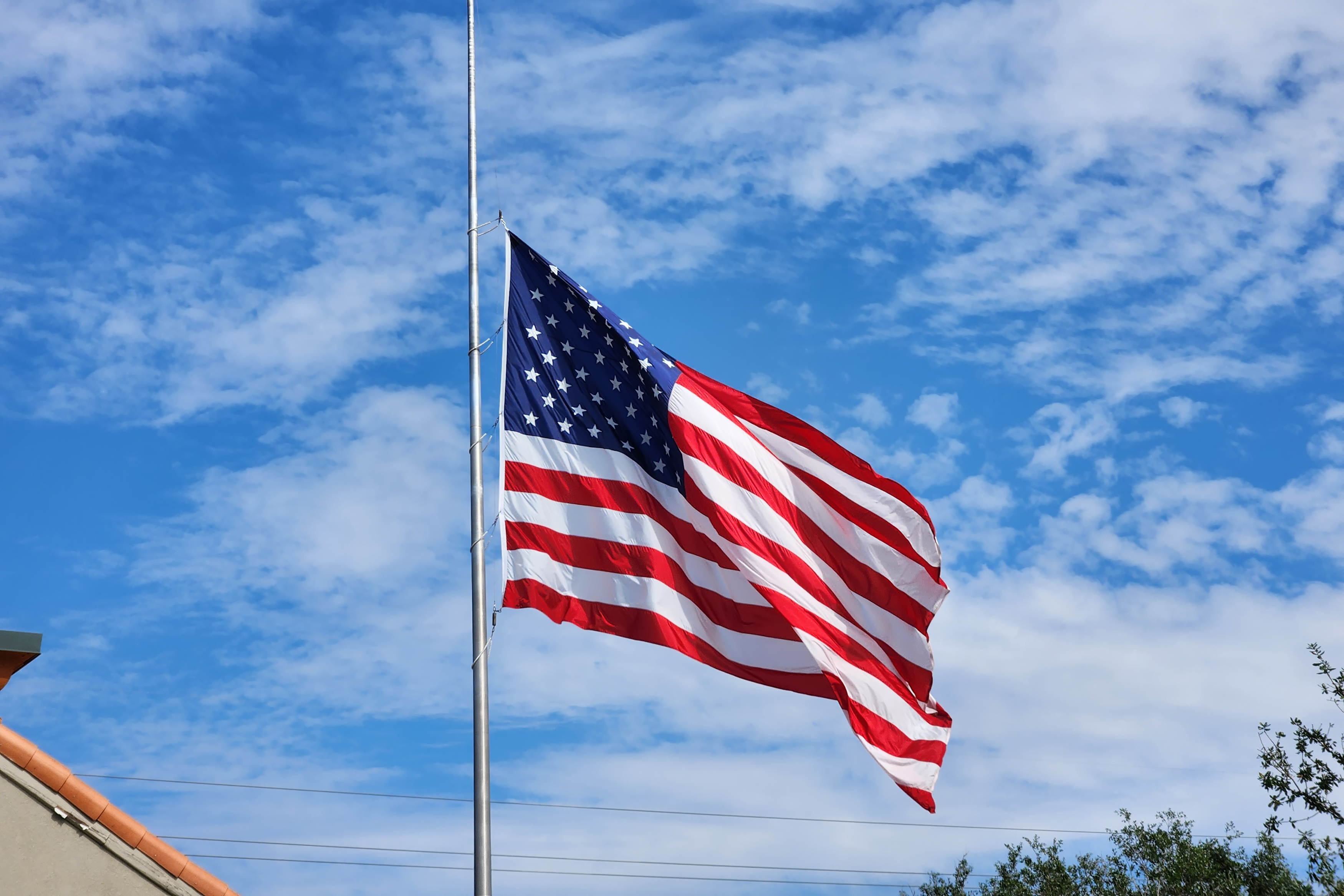
For visitors exploring the vibrant landscapes and rich cultural tapestry of California, encountering an American flag flying at half-mast can be a moment of quiet intrigue. From the bustling streets of Los Angeles to the majestic vistas of Yosemite National Park and the iconic span of the Golden Gate Bridge in San Francisco, the sight of the flag lowered to half-staff is a powerful visual signal. It’s not merely a random occurrence but a deeply symbolic gesture, rooted in history and protocol, signifying a collective moment of mourning, remembrance, or solemn tribute. For travelers, understanding this tradition enriches their experience, offering a glimpse into the heart of American civic life and the shared values of its people.
Our journey through California often focuses on the joy of discovery – the stunning attractions, the comfortable hotels, the unique lifestyle experiences. Yet, even amidst these adventures, moments of solemnity can emerge, reminding us of the profound human experiences that shape a destination. When the flag flies at half-mast, it transforms the familiar landscape, adding a layer of introspection and respect to our travel narrative. It’s an invitation to pause, reflect, and appreciate the deeper narratives that underpin our explorations. Whether you’re staying in a boutique hotel in San Diego, exploring the historic landmarks of Sacramento, or enjoying the family-friendly atmosphere of Anaheim, observing the flag at half-mast means a significant event has occurred, warranting a collective moment of national or state remembrance.
Understanding the Symbolism: A Guide for Travelers
The act of lowering a flag to half-mast (or half-staff, the terms are often used interchangeably, with half-staff typically referring to flags flown on land and half-mast to flags on ships) is a universal symbol of respect, mourning, and distress. Originating centuries ago, the tradition suggests that the flag is being lowered to make room for an invisible flag of death flying above it, or as a gesture of deference to those who have passed. In the United States, this practice is governed by specific protocols, often issued at the highest levels of government.
For visitors traversing the diverse regions of California, from its bustling cities to its tranquil natural parks like Lake Tahoe, noticing the flag at half-mast is an unmistakable signal. It’s a moment that can subtly shift the atmosphere, perhaps prompting a moment of quiet reflection even amidst an otherwise lively itinerary. Understanding the reasons behind this tradition can deepen a traveler’s appreciation for the culture and values of the place they are visiting. It speaks to a shared sense of community, grief, and honor that transcends individual experiences.
The Protocol of Half-Staff
In the United States, the authority to order flags to half-staff primarily rests with the President of the United States for national occasions, and with state governors for state-specific events. These directives are often issued through official proclamations and are followed by federal buildings, military installations, and often state and local government facilities, schools, and even private businesses. The protocol dictates not only when a flag should be lowered but also how it should be done. For instance, the flag should first be hoisted to the peak for an instant before being lowered to the half-staff position. When it is to be lowered for the day, it should again be hoisted to the peak before being fully brought down.
Observing this protocol in action, perhaps at the California State Capitol in Sacramento or a prominent courthouse in Los Angeles, can be a subtle yet poignant aspect of one’s travel experience. It’s a testament to the order and solemnity with which the nation and its states mark significant losses or commemorations. While it doesn’t directly affect tourism activities like booking a hotel or visiting an attraction, it adds a layer of cultural depth, offering a window into the collective consciousness of the people you’re encountering.
Common Reasons for Lowering the Flag
The reasons for lowering the flag to half-staff are specific and honorific. They typically fall into several broad categories:
- Death of Prominent Federal Officials: This is one of the most common reasons. Flags are lowered upon the death of a President of the United States or former President of the United States, Vice President of the United States, Chief Justice of the United States, or Speaker of the House of Representatives. The duration for which the flag remains at half-staff varies depending on the official’s stature. For example, for a sitting or former President of the United States, it’s usually for 30 days.
- Death of State Officials: The Governor of California may order flags to half-staff throughout the state in honor of a current or former state official, such as a state senator, assembly member, or a prominent judicial figure.
- Fallen Heroes and Public Servants: Flags are frequently lowered to honor military personnel who have fallen in service, first responders (police officers, firefighters, paramedics) killed in the line of duty, or other public servants who have made significant sacrifices. This often elicits a strong communal response, especially in smaller towns or specific communities within California.
- National Days of Remembrance: Certain dates are federally designated for flags to be flown at half-staff every year. These include National Memorial Day (until noon), Patriot Day (September 11th), Pearl Harbor Remembrance Day (December 7th), and Peace Officers Memorial Day (May 15th).
- Tragedies and Collective Mourning: In response to significant national or state tragedies, such as mass casualty events, natural disasters (like major wildfires or earthquakes that California is susceptible to), or other events of profound loss, the President of the United States or Governor of California may issue a proclamation for flags to be lowered. This serves as a collective expression of sorrow and solidarity.
When you see the flag at half-mast in California, it’s highly likely one of these solemn reasons is behind it. A quick check of local news or official state websites will often provide the specific details of the proclamation.
How Flags at Half-Mast Impact Your California Experience
While the primary focus of most California travel guides centers on vibrant experiences, world-class accommodations, and breathtaking landmarks, understanding and acknowledging moments of collective solemnity adds a unique dimension to your journey. The sight of flags at half-mast won’t typically alter your hotel reservations or close down attractions, but it offers a profound opportunity to connect with the local community on a deeper, more human level. It reminds us that every destination, even one renowned for its sun-drenched beaches and Hollywood glamour, is also a place where people live, mourn, and remember.
This atmospheric shift can subtly influence your perception of a place. Imagine strolling along the Hollywood Walk of Fame in Los Angeles or visiting the historic USS Midway Museum in San Diego and seeing the flag lowered. It might prompt you to inquire, to reflect, and to feel a sense of shared humanity with the residents. This isn’t about dampening your travel spirits but about enriching them with a broader understanding of the local culture and the significant events that shape it.

Observing Solemnity at Iconic Landmarks
California is home to countless iconic landmarks where the American flag proudly flies. When it is lowered to half-mast, these prominent locations become even more significant as points of collective remembrance.
- The California State Capitol in Sacramento: As the seat of state government, the Capitol building is a primary site where the flag will be lowered following state or federal directives. Observing this here gives a direct visual cue of a statewide or national period of mourning.
- The Golden Gate Bridge in San Francisco: The flag that flies near the south tower of this engineering marvel, overlooking the Pacific Ocean, is a powerful symbol. When it’s at half-mast, it transforms a breathtaking tourist vista into a poignant reminder of loss or tribute.
- Disneyland Resort in Anaheim: Even places known for joy and fantasy observe national protocols. The lowering of the flag here, typically at the main entrance, underscores the reach of these directives into all aspects of public life.
- Military Bases and Museums: Given California’s significant military presence, installations and museums like the USS Midway Museum in San Diego are meticulously observant of flag protocols. Here, the half-staff flag often resonates most deeply, honoring service members and veterans.
Seeing the flag at half-mast at these recognizable points offers a unique opportunity for cultural engagement. It encourages travelers to look beyond the surface-level attractions and acknowledge the deeper currents of history, remembrance, and community that flow through the destination.
Cultural Sensitivity and Respectful Travel
For international visitors, or even domestic travelers unfamiliar with the specifics of flag protocol, encountering the flag at half-mast might simply be a curious observation. However, approaching it with cultural sensitivity and respect can greatly enhance your travel experience.
- Inquire respectfully: If you’re curious about the reason, a polite question to a local, a hotel staff member, or by checking a reputable news source, can provide context.
- Observe and reflect: Take a moment to understand the gravity of the situation. This might mean lowering your voice in public spaces or simply observing a moment of silence.
- Avoid insensitivity: While it’s unlikely a tourist would intentionally be disrespectful, being mindful of your actions, especially in public spaces where the flag is visible, is a good practice. High-energy behavior might feel out of place during a period of state or national mourning.
Engaging with a destination’s solemn traditions demonstrates a level of respect that transcends mere tourism. It shows an appreciation for the local culture, the people, and the shared moments that shape their lives. This conscious approach to travel aligns perfectly with the ethos of understanding and immersion that enriches any journey.
Historical Context and Notable Commemorations in the Golden State
California’s rich history, diverse population, and significant role in national affairs mean that flags are lowered to half-staff for a wide array of reasons, reflecting both national directives and specific state commemorations. From pioneering figures who shaped the state to tragic events that left an indelible mark, the lowering of the flag serves as a public ledger of remembrance. These instances offer a unique opportunity for visitors interested in history and local culture to delve deeper into the narrative of the Golden State.
Beyond the standard federal mandates, California often issues its own proclamations to honor specific individuals or events pertinent to the state. This demonstrates a local pride and a commitment to remembering its own heroes and moments of collective sorrow. For instance, following the passing of a beloved local politician who championed environmental causes, or a devastating wildfire that claimed lives and homes, the Governor of California might order flags to half-staff to allow residents across the state to mourn together.
Remembering Fallen Heroes and Public Servants
California has a long and proud history of military service and a dedicated force of first responders. Each year, many instances of the flag being lowered are in solemn tribute to these brave individuals.
- Military Personnel: When a California resident serving in the United States Armed Forces dies in action or in the line of duty, the Governor of California will often order flags to half-staff on the day of interment. This is a profound mark of respect for their sacrifice and a collective moment of gratitude from the state. Visitors witnessing such an event might see memorial services or processions, particularly in communities with strong military ties, such as San Diego with its naval bases.
- Law Enforcement and Firefighters: Tragically, California also sees its share of law enforcement officers and firefighters who lose their lives protecting communities. On Peace Officers Memorial Day every May 15th, flags are lowered nationally. Additionally, individual deaths in the line of duty often trigger state-level orders for flags to be lowered, sometimes specifically in the city or county where the fallen hero served, as well as at the State Capitol.
These commemorations are deeply personal for many Californians and serve as a reminder of the everyday bravery of those who protect and serve. For travelers, encountering these moments, whether through a solemn procession or simply observing the flag, offers a chance to pay respects and understand the local community’s values.
Presidential Proclamations and State Directives
The most far-reaching directives for lowering the flag come from the President of the United States, impacting all federal buildings and facilities throughout California and the nation. These typically occur for:
- National Tragedies: Following events like mass shootings, significant acts of terrorism, or widespread natural disasters, the President may issue a proclamation to mourn the victims, demonstrating national solidarity. This means flags at federal courthouses, post offices, and national parks in California will be lowered.
- Passing of National Figures: Beyond presidents and vice presidents, flags are sometimes lowered for other highly esteemed national figures, like Supreme Court Justices or former Secretaries of State, depending on the President of the United States’s discretion.
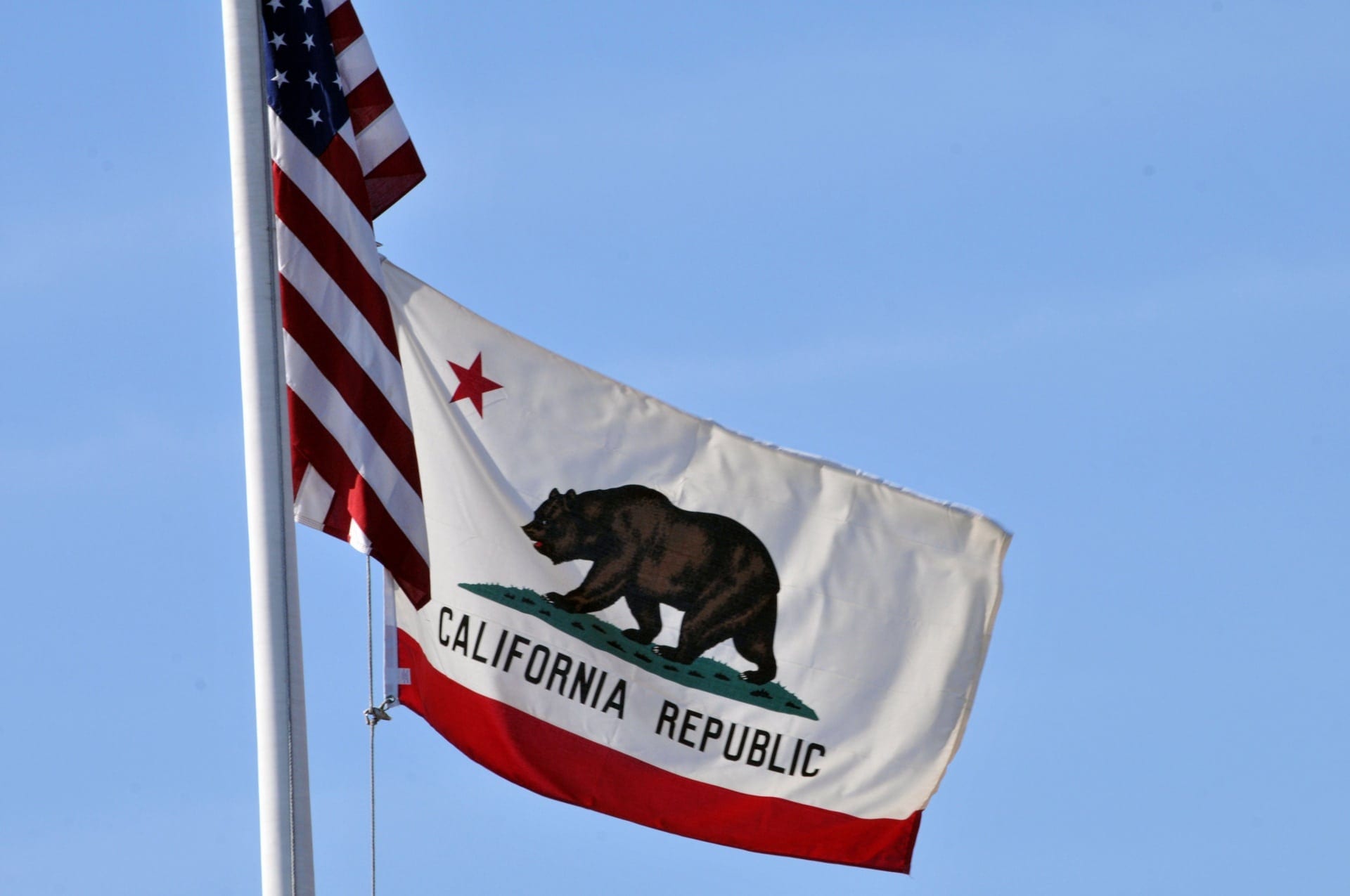
In parallel, the Governor of California issues state-specific directives. These often mirror national events but can also be unique to California’s circumstances. For example, a gubernatorial order might follow the death of a prominent California philanthropist, an artist who significantly contributed to the state’s cultural landscape, or a local dignitary. These state directives ensure that even if a national proclamation isn’t made, California has the authority to honor its own.
Ultimately, seeing the flag at half-mast in California is a signal to pause. It’s a moment that transcends the typical tourism experience, offering a window into the collective conscience of a state that is as resilient as it is beautiful. Whether you’re here for the landmarks, the lifestyle, or the unique travel experiences, understanding this powerful symbol allows for a deeper and more meaningful connection to the Golden State. It’s a subtle reminder that even in the midst of exploration and enjoyment, life’s deeper currents of remembrance and respect flow profoundly.
LifeOutOfTheBox is a participant in the Amazon Services LLC Associates Program, an affiliate advertising program designed to provide a means for sites to earn advertising fees by advertising and linking to Amazon.com. Amazon, the Amazon logo, AmazonSupply, and the AmazonSupply logo are trademarks of Amazon.com, Inc. or its affiliates. As an Amazon Associate we earn affiliate commissions from qualifying purchases.