
Planning a road trip through the Sunshine State or considering an extended stay in Florida with your vehicle? Understanding the lifespan of your car battery in this unique climate is not just a matter of vehicle maintenance, but a critical component of ensuring a smooth and enjoyable travel experience. Florida’s distinctive environment, characterized by intense heat, high humidity, and frequent stop-and-go traffic in popular tourist areas, can significantly impact how long your car battery will reliably serve you. This comprehensive guide delves into what travelers can expect from their car batteries in Florida, offering insights and practical advice to help you avoid unexpected delays on your adventures.
The Unique Challenges of Florida’s Climate for Car Batteries
While many vehicle owners might associate cold weather with battery issues, the reality is that extreme heat is a far more significant culprit in shortening a car battery’s life. Florida’s perpetually warm climate, especially during its long summer months, presents a formidable challenge for automotive batteries.
The Impact of Extreme Heat
At the heart of a car battery’s operation is an electrochemical reaction. High temperatures accelerate this reaction, leading to increased evaporation of the battery’s internal electrolyte fluid. This evaporation concentrates the remaining fluid, which can damage the internal components and speed up the corrosion of the battery’s lead plates. Over time, this process diminishes the battery’s ability to hold a charge and deliver the necessary power to start your vehicle.
Imagine exploring the vibrant streets of Miami, enjoying the theme parks of Orlando, or relaxing on the beaches of Sarasota. Your car is likely parked under the relentless Florida sun for hours. This prolonged exposure to high ambient temperatures, combined with the heat generated under the hood, creates a furnace-like environment for your battery. The average battery, designed for a more temperate climate, simply isn’t built to withstand such consistent thermal stress without a reduction in its expected lifespan.
Humidity and Corrosion Concerns
Beyond just heat, Florida’s notorious humidity also plays a role in battery degradation. While not as direct an impact as heat, consistent moisture in the air can contribute to the corrosion of battery terminals and cables. Corroded terminals create resistance, making it harder for the battery to deliver power to the starter motor. This means your battery has to work harder, putting more strain on its internal components and further reducing its longevity.
Travelers often don’t think about these subtle environmental factors, but they collectively contribute to why a car battery that might last 5-7 years in a milder climate could fail in as little as 2-3 years in Florida. A morning dew can feel refreshing, but over time, that constant moisture near battery connections can lead to issues.
Stop-and-Go Traffic in Popular Destinations
Whether navigating the bustling avenues of South Beach, the crowded exits around Walt Disney World, or the scenic routes of the Florida Keys, drivers in Florida frequently encounter stop-and-go traffic. This driving pattern is particularly taxing on car batteries. Each time you start your vehicle, the battery expends a significant burst of energy. In stop-and-go conditions, the alternator, which recharges the battery, doesn’t always have enough time or consistent RPMs to fully replenish the charge before the next engine start. This continuous cycle of discharge and incomplete recharge places undue stress on the battery, accelerating its decline.
For travelers, this means that even if your battery is relatively new, frequent short trips with numerous starts and stops, common when exploring tourist areas like St. Augustine or Naples, can diminish its health quicker than consistent highway driving.
Typical Car Battery Lifespan in the Sunshine State
Given the challenging environment, what can a traveler realistically expect from their car battery in Florida? The answer often depends on a combination of factors, including the battery’s quality, the vehicle’s usage, and the owner’s maintenance habits.
What Manufacturers Expect
Most car battery manufacturers design their products with an expected lifespan of 3 to 5 years under ideal driving and environmental conditions. This ideal scenario usually implies moderate temperatures, regular driving, and consistent maintenance. When these batteries are then subjected to the rigorous conditions of Florida, their actual performance can deviate significantly from these manufacturer benchmarks.
It’s crucial for travelers to understand that the “average” lifespan mentioned on packaging might not directly apply to their experience when driving through places like Tampa or Fort Lauderdale. The hot climate acts as an accelerator for the aging process of the battery, essentially compressing its usable life.
Real-World Expectations for Florida Drivers
In reality, many vehicle owners in Florida find their car batteries needing replacement closer to the 2 to 3-year mark. Some high-quality batteries, diligently maintained, might stretch to 4 years. Anything beyond that is often considered an exception rather than the norm. This shorter lifespan is a direct consequence of the continuous heat exposure and demanding driving conditions previously discussed.
For a traveler bringing their vehicle from a cooler climate, a battery that is already 2-3 years old might be perfectly fine for another year or two back home. However, once introduced to Florida’s climate, that battery’s remaining life can be drastically cut short. This makes a pre-trip inspection even more vital.
Factors Influencing Longevity
Several factors, beyond just the climate, can influence how long a car battery lasts in Florida:
- Battery Quality: Premium batteries often use higher-grade materials and construction, which can offer slightly better resistance to heat and vibration, potentially extending their life by a few months.
- Driving Habits: Vehicles used for consistent highway driving tend to have healthier batteries than those primarily used for short, stop-and-go city trips.
- Parasitic Drains: Accessories that draw power even when the car is off (e.g., alarm systems, navigation systems, interior lights left on) can slowly drain the battery, especially if the car is parked for extended periods.
- Maintenance: Regular cleaning of terminals, checking fluid levels (for non-sealed batteries), and ensuring proper charging can significantly impact battery health.
- Alternator Health: A failing alternator won’t properly charge the battery, leading to premature failure.
Essential Battery Maintenance Tips for Florida Travelers
Being proactive about battery health is perhaps the most effective way for travelers to mitigate the effects of Florida’s climate and ensure their travel plans remain uninterrupted.

Regular Inspections and Cleaning
Before embarking on your Florida journey, or even during an extended stay, make it a habit to visually inspect your battery. Look for any signs of corrosion around the terminals, which often appear as a white or bluish powdery substance. If corrosion is present, gently clean it using a wire brush and a mixture of baking soda and water. Ensure all connections are tight. This simple step can prevent power delivery issues and extend battery life.
Consider having a professional inspect your battery’s charge level and overall health. Many auto parts stores offer free battery testing services, providing peace of mind before you hit the road towards destinations like Key West or Jacksonville.
Checking Fluid Levels (if applicable)
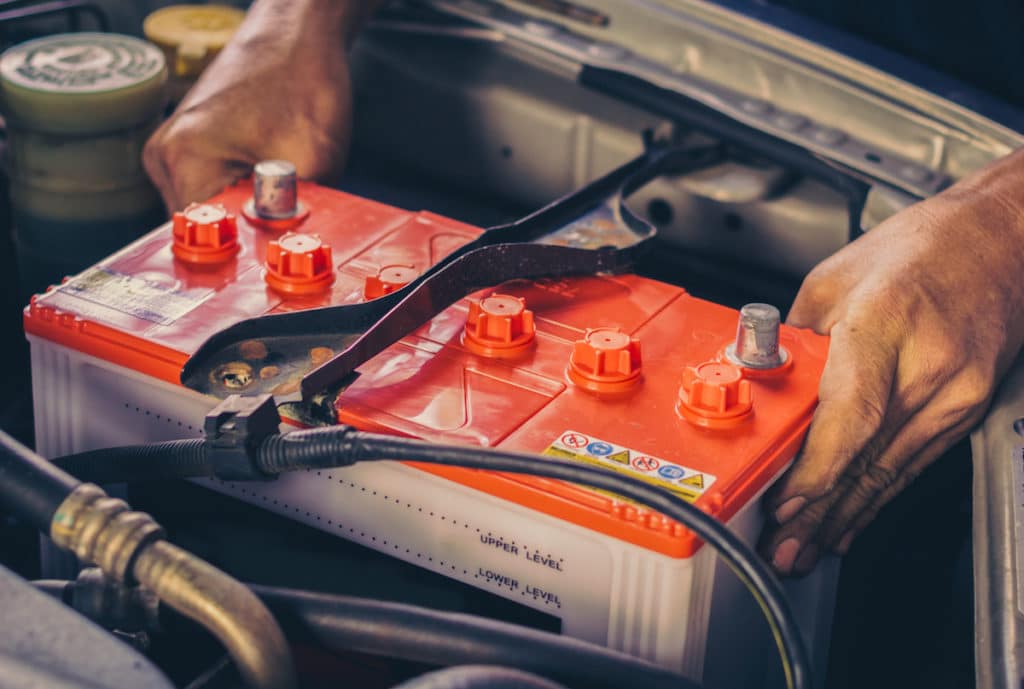
While most modern car batteries are “maintenance-free” sealed units, some still allow access to their electrolyte cells. If your battery has caps, periodically check the fluid levels. If they are low, carefully add distilled water (never tap water) to bring them up to the recommended level. This prevents the plates from being exposed to air, which can cause damage and reduce capacity, especially in hot conditions where evaporation is accelerated.
Smart Charging Habits
If you anticipate periods of inactivity for your vehicle, such as leaving it parked at a hotel during a cruise departure from Port Canaveral or storing it while flying out of Orlando International Airport, consider using a trickle charger or battery maintainer. These devices deliver a low, steady charge that prevents the battery from discharging and helps to desulfate the plates, thereby preserving battery health. Even a few days of inactivity in Florida’s heat can be detrimental.
For daily drivers, try to combine short errands with longer drives when possible. This allows the alternator sufficient time to fully recharge the battery.
Protecting Your Vehicle from the Sun
Whenever possible, park your car in the shade or in a garage. Reducing direct exposure to the scorching Florida sun can significantly lower the under-hood temperature, easing the thermal stress on your battery. If shade isn’t available, a sunshade for your windshield can help keep the cabin cooler, which can indirectly contribute to lower overall vehicle temperatures. While you can’t completely eliminate heat, any reduction helps.
What to Do When Your Battery Dies on Your Florida Trip
Despite best efforts, a car battery can still surprise you, especially in a demanding environment like Florida. Knowing what to do can turn a potential travel nightmare into a minor inconvenience.
Emergency Roadside Assistance
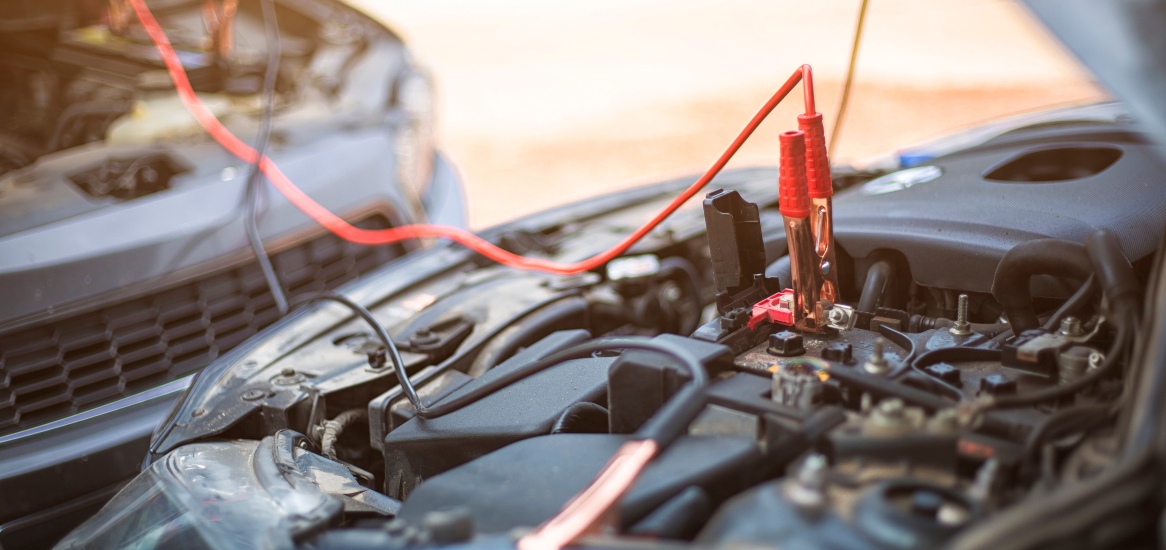
The first step is usually to call for roadside assistance. If you have an auto club membership (like AAA) or coverage through your vehicle’s warranty or insurance provider, have their contact information readily available. Most services can dispatch a technician to jump-start your vehicle or, if needed, tow it to a service center. This is particularly useful if you find yourself stranded in less familiar areas of Florida, such as a remote stretch of US-1 in the Keys or a quiet residential street in Gainesville.
Where to Find a Replacement Battery
If a jump-start doesn’t work or if your battery is clearly past its prime, you’ll need a replacement. Auto parts stores (e.g., AutoZone, Advance Auto Parts, O’Reilly Auto Parts) and many general merchandise retailers (e.g., Walmart, Target) across Florida stock a wide range of car batteries. Most reputable shops can test your existing battery and install a new one on the spot.
When choosing a new battery for Florida’s climate, look for one with a high CCA (Cold Cranking Amps) rating, as this indicates its ability to deliver a strong burst of power, even though cold isn’t the primary concern here, a robust battery is always better. More importantly, prioritize batteries designed with heat resistance in mind, often indicated by specific “hot weather” or “high temperature” ratings if available. Opting for a reputable brand with a good warranty provides added security for your continued travels.
Preventing Future Issues
Once you’ve replaced a dead battery, consider it a learning experience for future Florida trips. Regularly check your battery’s age; if it’s approaching the 2-3 year mark, especially if you’ve been driving extensively in the heat, plan for a proactive replacement rather than waiting for it to fail. Investing in a quality battery and adhering to the maintenance tips outlined above will significantly reduce your chances of experiencing another unexpected battery failure.
Planning Your Florida Travel with Battery Health in Mind
Integrating battery awareness into your travel planning can save you time, money, and stress, ensuring your Florida adventure is remembered for its beautiful sights, not its automotive hiccups.
Pre-Trip Battery Check-ups
Before you even leave home for Florida, especially if you’re driving a long distance, have your battery professionally tested. A simple voltage check isn’t enough; a load test can reveal the battery’s true health and its ability to hold a charge under stress. If your battery is already showing signs of weakness or is nearing its typical Florida lifespan, it might be wise to replace it before you depart. This preemptive measure is a small investment for uninterrupted travel.
Considering Battery Age for Rental Cars
If you’re flying into Florida and renting a car, you typically don’t need to worry about the battery’s age as rental companies maintain their fleets meticulously. However, if you are borrowing a car from a friend or family member who resides in Florida, do inquire about the battery’s last replacement date. An older battery in a local’s car might be a hidden risk for your vacation.
The Peace of Mind of a Healthy Battery
Ultimately, a healthy car battery is fundamental to the freedom and flexibility of traveling by car. In Florida, where vast distances separate attractions and the climate is persistently challenging, a reliable battery ensures that your journey from the historic streets of Pensacola to the natural wonders of the Everglades is smooth and worry-free. By understanding the specific demands placed on batteries in this region and taking simple, proactive steps, you can focus on enjoying every moment of your Florida travel experience.
LifeOutOfTheBox is a participant in the Amazon Services LLC Associates Program, an affiliate advertising program designed to provide a means for sites to earn advertising fees by advertising and linking to Amazon.com. Amazon, the Amazon logo, AmazonSupply, and the AmazonSupply logo are trademarks of Amazon.com, Inc. or its affiliates. As an Amazon Associate we earn affiliate commissions from qualifying purchases.