
Florida, the Sunshine State, beckons millions of travelers each year with its pristine beaches, vibrant cities, and unparalleled attractions. From the thrilling theme parks of Orlando to the tranquil shores of the Gulf Coast and the dynamic energy of Miami, there’s a destination for every type of adventurer. However, Florida’s geographical position also places it within the Atlantic hurricane belt, meaning tropical storms and hurricanes are an annual consideration, primarily between June 1st and November 30th. For those planning a trip, a critical question often arises: “Where in Florida did the hurricane hit?” Understanding the typical patterns of hurricane impact and the state’s robust recovery efforts is essential for informed and worry-free travel planning. This comprehensive guide will delve into the nuances of hurricane impacts across different regions of Florida, offering insights for travelers navigating this beautiful but sometimes vulnerable state.
Understanding Florida’s Hurricane Landscape
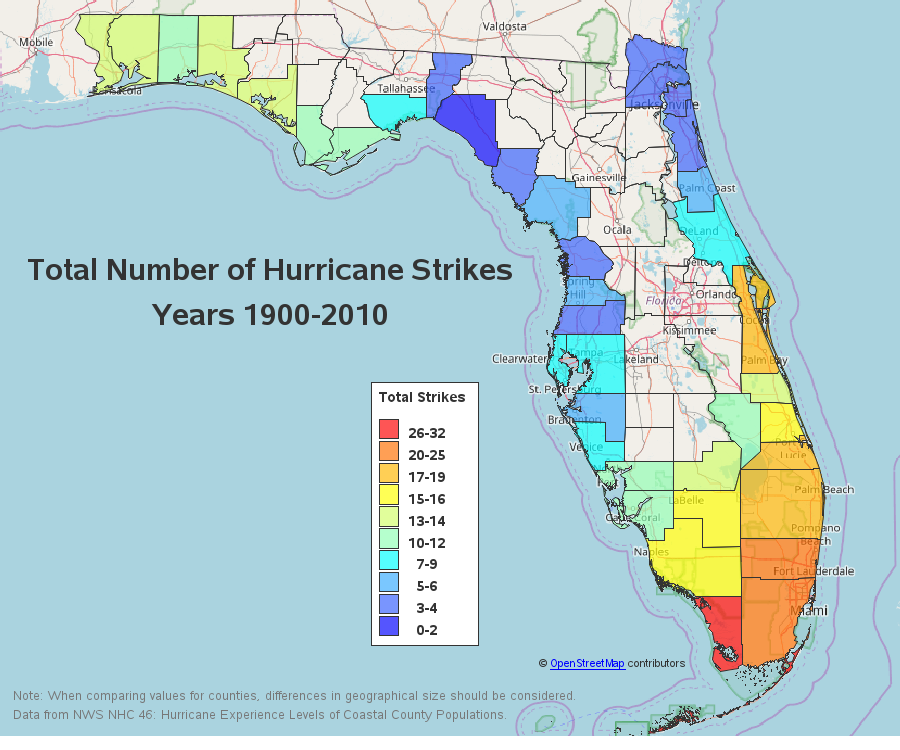
Florida’s unique peninsular shape makes it susceptible to hurricane landfalls from both the Gulf Coast and the Atlantic Coast. While the entire state is technically at risk during hurricane season, specific regions tend to experience different types of impacts, influencing how travelers perceive and plan their visits.
The Atlantic Hurricane Season and Its Implications
The official Atlantic hurricane season runs for six months, with the peak activity typically occurring from mid-August through October. During this period, warm ocean waters and favorable atmospheric conditions create an environment conducive to tropical storm formation. For travelers, this means being aware of forecasts, understanding potential disruptions, and planning accordingly. While a hurricane impacting one part of the state might have minimal effect on another, the sheer size and geographical diversity of Florida means that a generalized “hurricane hit Florida” headline rarely tells the full story for specific travel plans. Travelers should always consult detailed weather reports and local advisories for their chosen destination.
Geographic Vulnerabilities Across the State
Florida can be broadly divided into several regions, each with its own historical hurricane exposure and typical impact profiles:
- The Panhandle (Northwest Florida): This region, stretching along the Gulf Coast from Pensacola to Tallahassee, including popular spots like Panama City and Mexico Beach, is particularly vulnerable to storms tracking westward across the Gulf of Mexico. Historically, this area has faced significant wind damage and storm surge, especially from direct hits.
- The Southwest Gulf Coast: Encompassing cities like Sarasota, Fort Myers, Naples, and Port Charlotte, this beautiful coastal stretch is also highly susceptible to Gulf-spawned hurricanes. Storm surge is a primary concern here, compounded by heavy rainfall.
- South Florida: This bustling region, including Miami, Fort Lauderdale, and the Florida Keys (Key West), faces threats from storms originating in the Caribbean Sea or developing off the Atlantic Coast. While infrastructure is robust, the low-lying nature of the Keys makes them particularly vulnerable to storm surge and wind.
- Central Florida: Home to world-famous theme parks like Walt Disney World Resort and Universal Orlando Resort, Central Florida is typically less exposed to direct coastal impacts but can still experience significant rainfall, flooding, and strong winds as storms track inland and weaken.
- The Northeast Atlantic Coast: Cities like Jacksonville and St. Augustine are vulnerable to storms moving up the Atlantic Coast. While less frequent, direct hits can bring significant storm surge and coastal erosion.
Each region has developed sophisticated warning systems and recovery protocols to mitigate risks and restore normalcy as quickly as possible, ensuring that travel to Florida remains a viable and enjoyable experience even with the threat of severe weather.
Recent Major Hurricane Impacts and Recovery Narratives
While no two hurricanes are alike, examining the impacts of significant past storms offers valuable insights into Florida’s resilience and recovery, especially concerning its tourism infrastructure.
The Gulf Coast’s Resilience: Lessons from Hurricane Ian and Hurricane Michael
The Florida Gulf Coast has, in recent memory, borne the brunt of some of the most powerful hurricanes. Hurricane Michael in 2018 devastated the Panhandle, particularly Mexico Beach and Panama City, causing catastrophic wind damage. The region demonstrated remarkable tenacity, with communities rebuilding and attractions slowly reopening. Panama City Beach, for example, saw its tourism sector rebound, highlighting the long-term commitment to restoring its appeal as a family destination.
More recently, Hurricane Ian in 2022 made landfall near Fort Myers and Port Charlotte as a powerful Category 4 storm, causing extensive storm surge and wind damage across Southwest Florida, including Naples and Sarasota. The recovery efforts have been immense, showcasing a coordinated response from state and federal agencies, alongside countless volunteers. Many iconic areas, such as Sanibel Island and Captiva, faced unprecedented challenges, but the spirit of rebuilding has been strong. For travelers, this means that while some areas require more time, many parts of the Southwest Gulf Coast have reopened or are well into recovery, offering new opportunities to support local businesses and witness community strength firsthand. Prior to visiting such areas, it’s advisable to check the current status of specific attractions and services.
Southeast Florida’s Preparedness: The Hurricane Irma Experience
Southeast Florida, including the dense urban areas of Miami and Fort Lauderdale, along with the delicate ecosystem of the Florida Keys, has historically invested heavily in resilient infrastructure and comprehensive emergency management. Hurricane Irma in 2017 served as a major test, bringing significant impacts across the region. While Key West and other parts of the Keys experienced severe flooding and wind damage, the recovery was relatively swift, demonstrating the effectiveness of pre-emptive measures and community coordination.
Today, these regions boast sophisticated storm-resistant building codes and efficient evacuation procedures. For travelers, this means that while disruption is possible during a hurricane threat, the recovery of services, hotels, and attractions in Southeast Florida is often rapid, allowing tourism to resume quickly after a storm has passed.
Central Florida’s Inland Challenges
Central Florida, though not directly on the coast, is not immune to hurricanes. Major storms that make landfall on either coast often track inland, bringing heavy rainfall, strong winds, and potential flooding to areas like Orlando and Tampa. While the risk of catastrophic storm surge is minimal, widespread power outages, downed trees, and localized flooding can still impact travel.
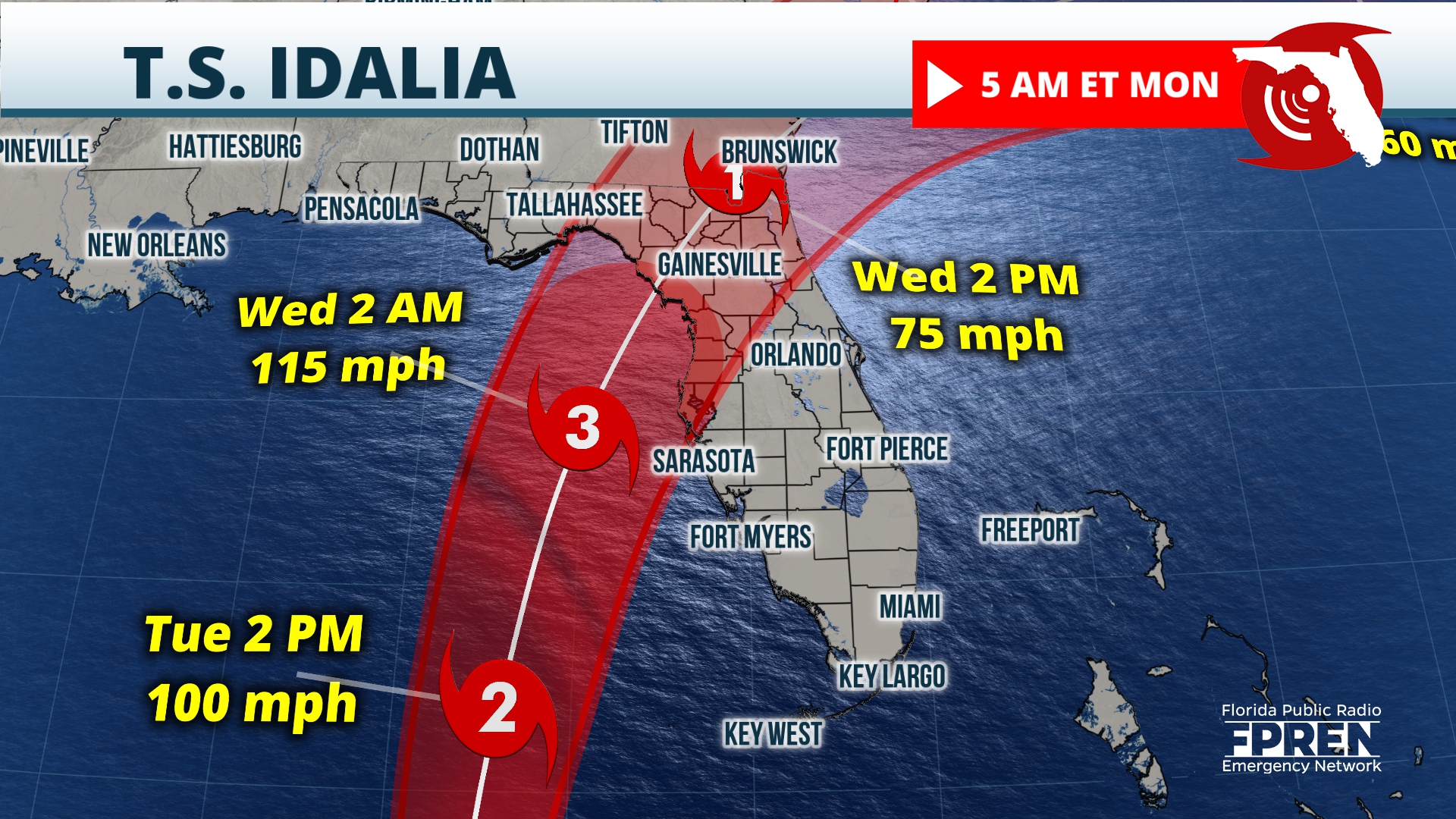
The major theme parks in Orlando, such as Walt Disney World Resort and Universal Orlando Resort, have well-established protocols for guest safety, including temporary closures and comprehensive communication plans. They are designed to withstand significant weather events and typically resume operations quickly once it is safe to do so. Inland cities like Tampa and St. Petersburg along Tampa Bay might experience storm surge as well as heavy rains and wind, but their recovery is often efficient due to robust city infrastructure.
Navigating Travel Post-Hurricane
For travelers, the aftermath of a hurricane presents a unique set of considerations. While the immediate impulse might be to cancel plans, understanding the nuances of post-storm conditions can lead to informed decisions.
Assessing Destination Readiness for Visitors
After a hurricane, the recovery process is multifaceted. It involves restoring power, repairing infrastructure (roads, bridges), ensuring access to essential services (hospitals, groceries), and reopening businesses, including hotels, restaurants, and attractions. Travelers should not assume that because a storm has passed, a destination is immediately ready for visitors.
Key indicators of readiness include official announcements from local tourism boards like Visit Florida, statements from major hotels and attractions, and reports from local news outlets. It’s crucial to confirm that your specific accommodations are operational and that the attractions you plan to visit are open. Direct communication with your chosen hotel or resort is often the most reliable way to get up-to-date information. Visiting a recovering area prematurely can strain local resources and hamper recovery efforts.
Supporting Recovery Through Tourism
Conversely, once a destination is declared open for business and has sufficiently recovered, visiting can be a powerful way to support its long-term revival. Tourist dollars directly contribute to local economies, helping businesses rebuild, re-employ staff, and restore community vitality. Many communities, after overcoming the initial challenges, actively encourage tourists to return, emphasizing that their presence is vital for full recovery. When planning a trip to a recently impacted area, consider choosing local businesses, dining at local restaurants, and engaging with community-based attractions to maximize your positive impact. This conscious travel approach turns a potential challenge into an opportunity for meaningful engagement.
Planning Your Florida Trip with Hurricane Awareness
Traveling to Florida can be a rewarding experience year-round, but a proactive approach during hurricane season can significantly enhance peace of mind and ensure a smoother journey.
Best Times to Visit
While hurricanes can technically occur throughout the season, the highest risk period is generally from August through October. For travelers seeking to minimize hurricane concerns, planning trips during the shoulder seasons (April-May or late November-early December) can be ideal. These months often offer pleasant weather, fewer crowds, and a significantly lower chance of tropical activity. However, if your only option is to travel during peak season, proper planning becomes even more critical.
Essential Travel Insurance Considerations
Travel insurance is a wise investment for any trip, but it becomes indispensable when traveling to hurricane-prone regions during the active season. Policies vary widely, so it’s crucial to understand what yours covers. Look for policies that include “trip interruption” and “trip cancellation” due to weather events. Some premium policies offer “cancel for any reason” (CFAR) coverage, which provides the most flexibility, though it typically comes at a higher cost. Review the fine print carefully to understand deadlines for purchasing coverage relative to named storms and what events trigger coverage (e.g., mandatory evacuations, airport closures, destination closures).
Staying Informed and Prepared
The most effective tool for navigating hurricane season travel is accurate, up-to-date information.
- Reliable Sources: Regularly check forecasts from reputable organizations like the National Hurricane Center (NHC), a division of NOAA, or trusted weather services like AccuWeather and The Weather Channel.
- Local Advisories: Pay attention to local emergency management agencies and tourism boards in your specific Florida destination. They provide real-time information on evacuations, shelter availability, and recovery status.
- Communication Plan: Have a communication plan in place with family and friends. Share your itinerary and ensure everyone knows how to reach you.
- Emergency Kit: While hopefully unnecessary, having a small emergency kit with essential documents, medications, and a power bank for your phone can provide peace of mind.
By remaining vigilant and proactive, travelers can significantly reduce the potential impact of a hurricane on their Florida vacation.

Conclusion
The question “Where in Florida did the hurricane hit?” is more complex than a simple geographical pinpoint. It’s a question that delves into regional vulnerabilities, community resilience, and the critical importance of informed travel planning. While Florida’s susceptibility to hurricanes is a reality, it is also a state that has mastered the art of preparedness, response, and recovery. From the vibrant energy of Miami Beach to the pristine sands of Clearwater Beach and the enchanting natural beauty of Everglades National Park or the awe-inspiring launches at the Kennedy Space Center Visitor Complex, Florida remains an unparalleled travel destination. By staying informed, leveraging travel insurance, and understanding the state’s dynamic weather patterns and recovery capabilities, visitors can continue to enjoy all the wonders the Sunshine State has to offer, safely and responsibly.
LifeOutOfTheBox is a participant in the Amazon Services LLC Associates Program, an affiliate advertising program designed to provide a means for sites to earn advertising fees by advertising and linking to Amazon.com. Amazon, the Amazon logo, AmazonSupply, and the AmazonSupply logo are trademarks of Amazon.com, Inc. or its affiliates. As an Amazon Associate we earn affiliate commissions from qualifying purchases.