
Navigating the complexities of tenancy can be challenging for both landlords and tenants. In Florida, a state known for its vibrant communities and diverse housing market, understanding the legal framework surrounding eviction is paramount. Whether you are a property owner seeking to regain possession of your accommodation or a tenant facing the possibility of removal, knowing the typical timeline and procedures involved is crucial for informed decision-making and proper planning. While a definitive answer to “how long does eviction take” is elusive due to numerous variables, this comprehensive guide will break down the process, illuminate the factors that influence its duration, and provide insights into what one can generally expect when dealing with an eviction in the Sunshine State. The process is strictly governed by Florida Statutes, specifically Chapter 83, Part II, which outlines residential landlord and tenant law. This legal framework ensures that both parties have rights and responsibilities throughout what can often be a sensitive and stressful situation.
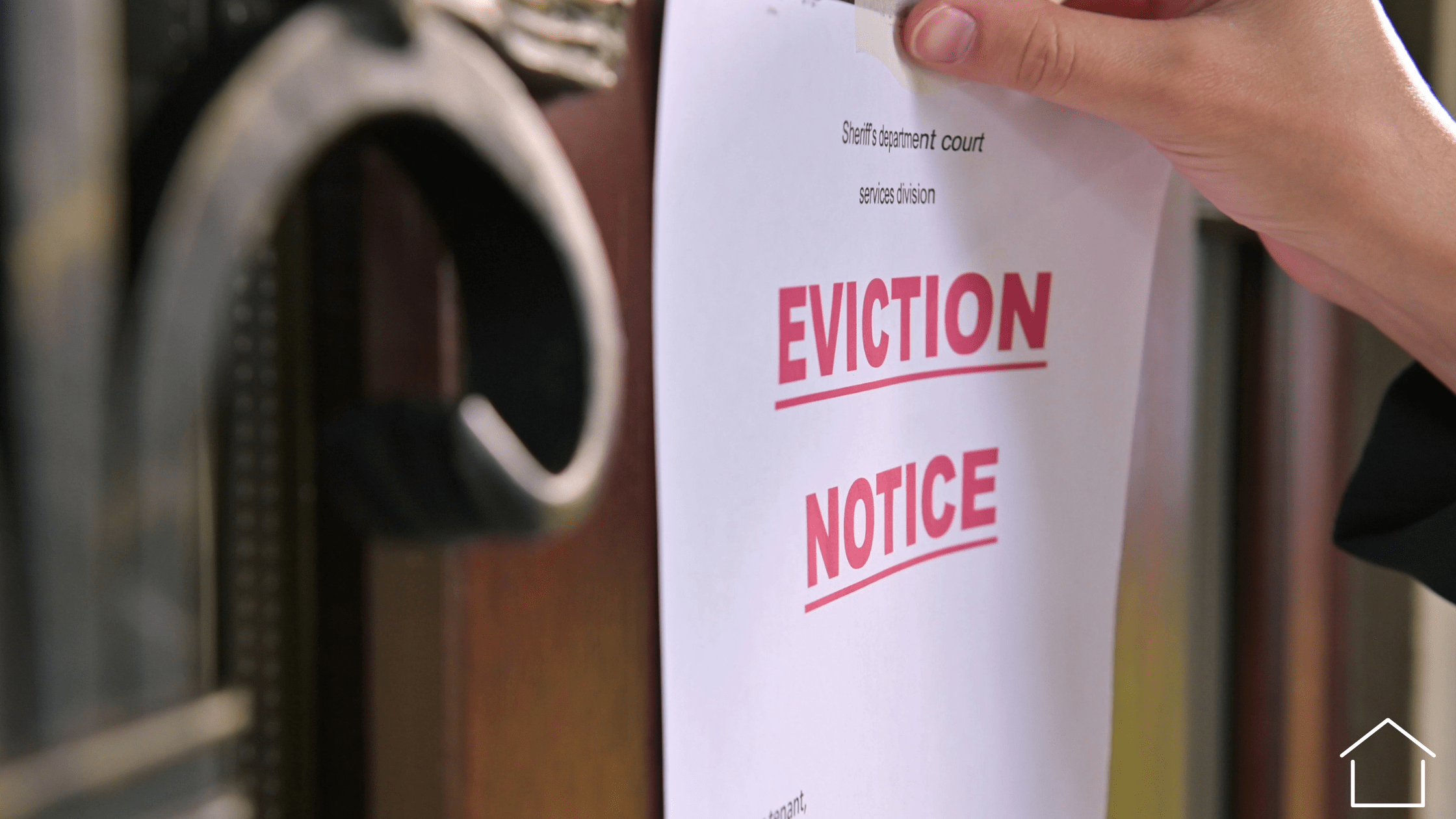
Understanding the Florida Eviction Landscape
Before delving into the step-by-step process, it’s essential to grasp the fundamental legal landscape that governs evictions in Florida. The state’s laws are designed to be fair, though often perceived as landlord-friendly, while still affording tenants due process.
The Legal Framework for Landlords and Tenants
In Florida, the relationship between landlords and tenants is primarily governed by the Florida Residential Landlord and Tenant Act. This act sets forth the rights and responsibilities of both parties, dictates the proper procedures for various landlord-tenant issues, including evictions, and aims to provide a clear legal pathway for resolving disputes. It’s important to note that self-help evictions, such as changing locks, removing a tenant’s property, or shutting off utilities without a court order, are illegal in Florida and can result in severe penalties for the landlord. All evictions must proceed through the court system, culminating in a Writ of Possession executed by a sheriff. Adherence to these legal statutes is not merely a formality; it is a prerequisite for a lawful eviction and can significantly impact the timeline. Any deviation from the prescribed legal steps can lead to delays, dismissal of the case, or even legal action against the landlord.
Common Grounds for Eviction in Florida
Evictions in Florida can only proceed on specific legal grounds. Understanding these reasons is the first step in initiating or responding to an eviction action. The most common grounds include:
- Non-payment of Rent: This is by far the most frequent reason for eviction. If a tenant fails to pay rent when it is due, the landlord can initiate the eviction process after providing proper notice.
- Lease Violations: Breaches of the rental agreement, other than non-payment of rent, can also be grounds for eviction. This could include unauthorized pets, excessive noise, property damage, or using the premises for illegal activities. The type of violation often dictates the type of notice required.
- Holding Over: This occurs when a tenant remains in the property after the lease agreement has expired and without the landlord’s consent. This is sometimes referred to as “squatting,” though legally distinct.
- Termination of Tenancy (Month-to-Month): For month-to-month tenancies, a landlord can terminate the agreement without cause by providing a 15-day written notice prior to the end of any monthly period. If the tenant does not vacate, an eviction can then be pursued.
The Step-by-Step Eviction Process in Florida
The eviction process in Florida is a multi-stage legal procedure that, if followed correctly, typically takes several weeks to a few months. Here’s a breakdown of the key steps:
Issuing the Eviction Notice: The Crucial First Step
The eviction process officially begins with the landlord serving a written notice to the tenant. The type of notice depends on the reason for eviction:
- 3-Day Notice to Pay Rent or Quit: For non-payment of rent, the landlord must provide a written notice giving the tenant three business days (excluding weekends and holidays) to pay the overdue rent or vacate the premises. This is a critical initial step, and failure to properly serve this notice can invalidate the entire eviction. For instance, in a bustling city like Miami, landlords must ensure this notice is served correctly to avoid procedural errors that could prolong the process.
- 7-Day Notice to Cure or Quit (With Opportunity to Cure): For certain lease violations (e.g., unauthorized pet, unapproved occupants), the landlord must give the tenant seven days to correct the violation. If the tenant remedies the breach within this period, the eviction process stops.
- 7-Day Notice to Quit (Without Opportunity to Cure): For severe or repeated lease violations (e.g., intentional property damage, repeated disturbances, illegal activity), the landlord can issue a 7-day notice stating that the lease is terminated, and the tenant must vacate. No opportunity to cure is provided in these instances.
- 15-Day Notice of Termination: For month-to-month tenancies, the landlord must provide 15 days’ notice prior to the end of any monthly period if they wish to terminate the tenancy without cause. If the tenant remains after the 15 days, an eviction action can be filed.
The proper service of these notices is paramount. They must be delivered by mail, hand delivery, or posting on the property if personal delivery is not possible, as outlined in Florida Statutes.
Filing the Lawsuit: From Complaint to Summons
If the tenant fails to comply with the notice (e.g., doesn’t pay rent, doesn’t cure the violation, or doesn’t vacate), the landlord can then file an eviction lawsuit, formally known as an “unlawful detainer action,” with the appropriate county court. This involves:
- Filing a Complaint: The landlord (or their attorney) files a formal complaint with the Clerk of Court in the county where the property is located (e.g., Orange County for properties in Orlando, or Pinellas County for St. Petersburg). The complaint details the reasons for eviction, attaches copies of the lease and notice, and requests possession of the property.
- Issuance of Summons: Once the complaint is filed, the Clerk of Court issues a summons to the tenant. This document formally notifies the tenant of the lawsuit and instructs them on how to respond.
- Service of Process: A crucial step is properly “serving” the summons and complaint to the tenant. This must be done by a sheriff or a certified private process server. This can sometimes cause delays, especially if the tenant is difficult to locate.
This phase typically takes 3-7 days after the notice period expires, primarily due to court filing and service logistics.
Tenant’s Response and Court Proceedings
Upon receiving the summons and complaint, the tenant has a limited time to respond:

- Tenant’s Answer: In Florida, a tenant typically has five business days (excluding weekends and legal holidays) from the date of service to file a written response (an “answer”) with the court. In this answer, the tenant can present defenses or counterclaims. If the eviction is for non-payment of rent, the tenant must also deposit the disputed rent amount into the court registry (unless they can argue indigency and obtain a waiver from the court) for their defense to be heard.
- Default Judgment: If the tenant fails to file an answer within the five business days, the landlord can file a Motion for Default. If granted, the court can issue a default judgment in favor of the landlord, significantly expediting the process.
- Court Hearing: If the tenant files an answer and deposits the rent (if applicable), the court will schedule a hearing. The timeline for this hearing can vary widely depending on the court’s calendar and the specific county’s caseload, ranging from a few days to several weeks. In larger metropolitan areas like Jacksonville or Tampa, court dockets can be more congested.
The Final Judgment and Writ of Possession
If the court rules in favor of the landlord (either by default or after a hearing), a Final Judgment for Possession is entered. This judgment legally restores possession of the property to the landlord.
- Writ of Possession: Following the Final Judgment, the landlord must request a “Writ of Possession” from the Clerk of Court. This writ is the final order to the county sheriff, instructing them to physically remove the tenant from the property.
- Sheriff’s Action: Once the sheriff receives the writ, they typically post a 24-hour notice on the tenant’s door. If the tenant has not vacated within 24 hours (excluding weekends and holidays), the sheriff will return to physically remove the tenant and their belongings. This final step usually occurs within 2-7 days of the writ being issued, again, depending on the sheriff’s department’s workload.
Factors Influencing Eviction Timelines
While the legal steps are clear, several factors can significantly impact how long an eviction takes in Florida.
Tenant’s Actions and Defenses
The most significant variable is the tenant’s response. If a tenant quickly vacates after receiving the initial notice or does not respond to the lawsuit, the process can be relatively swift, potentially concluding in 3-4 weeks. However, if the tenant files an answer, raises legitimate defenses (e.g., alleging the landlord failed to maintain the property or provided an improper notice), requests mediation, or appeals the judgment, the timeline can extend significantly, potentially for months. Common tenant defenses include:
- Improper Notice: The notice was defective, or not properly served.
- Rent Paid: The tenant paid the rent within the notice period, or the landlord refused proper payment.
- Landlord Retaliation: The eviction is in retaliation for the tenant exercising their rights (e.g., complaining about unsafe conditions).
- Discrimination: The eviction is based on discriminatory reasons.
- Breach of Lease by Landlord: The landlord failed to maintain the premises as required by law.
Court Workload and Judicial Discretion
The caseload of the local county court and the specific judge assigned to the case can also influence the timeline. In counties with higher populations and more eviction filings, such as Broward County or Palm Beach County, the scheduling of hearings and the processing of paperwork might take longer. Judges also have discretion in managing their dockets and may grant continuances for various reasons, further extending the process.
Proper Documentation and Service of Process
Any procedural error by the landlord can cause significant delays. Incorrectly filled out paperwork, failure to attach necessary documents, or improper service of the initial notice or the summons and complaint can lead to the court dismissing the case, requiring the landlord to start over. This can add weeks or even months to the process. Meticulous record-keeping and strict adherence to legal formalities are therefore crucial.
Navigating Complexities and Seeking Assistance
Given the legal complexities and potential for delays, both landlords and tenants can benefit from understanding where to seek help.
When to Seek Legal Counsel
For landlords, retaining an attorney specializing in landlord-tenant law can significantly streamline the eviction process. An experienced attorney can ensure all notices are properly drafted and served, complaints are correctly filed, and court procedures are followed meticulously, minimizing the risk of errors that could prolong the eviction. They can also represent the landlord in court, handle any tenant defenses or counterclaims, and navigate any appeals.
For tenants facing eviction, legal aid services or private attorneys can provide invaluable assistance. They can help tenants understand their rights, identify potential defenses, negotiate with the landlord, or ensure they receive proper due process. Organizations in cities like Sarasota or Tallahassee often offer free or low-cost legal assistance to qualifying individuals.

Common Pitfalls to Avoid
Both parties should avoid common pitfalls:
- For Landlords:
- Self-Help Eviction: Never attempt to physically remove a tenant, change locks, or cut off utilities. This is illegal.
- Incomplete Documentation: Keep thorough records of all communications, lease agreements, payment records, and notices.
- Failure to Follow Procedure: Adhere strictly to the notice periods and court filing requirements.
- For Tenants:
- Ignoring Notices: Do not ignore eviction notices or court summons. Respond promptly and seek advice.
- Not Paying Rent into Court Registry: If disputing a non-payment eviction, deposit the rent into the court registry if required, otherwise your defense may not be heard.
- Vandalism or Damage: Do not damage the property, as this can lead to additional legal and financial liabilities.
In conclusion, the question of “How long does eviction take in Florida?” does not have a single, simple answer. On average, a straightforward eviction for non-payment of rent where the tenant does not contest can be completed in about 3-5 weeks from the initial 3-day notice to the final writ of possession. However, if the tenant contests the eviction, presents defenses, or if there are procedural delays, the process can easily extend to 6-12 weeks or even longer. Understanding the legal steps, acting promptly, and seeking professional guidance when necessary are the best strategies for managing this complex legal procedure effectively within the Florida accommodation landscape.
LifeOutOfTheBox is a participant in the Amazon Services LLC Associates Program, an affiliate advertising program designed to provide a means for sites to earn advertising fees by advertising and linking to Amazon.com. Amazon, the Amazon logo, AmazonSupply, and the AmazonSupply logo are trademarks of Amazon.com, Inc. or its affiliates. As an Amazon Associate we earn affiliate commissions from qualifying purchases.