
Embarking on a journey across the Atlantic Ocean from the bustling heart of the United States to the vibrant capital of Ireland is an exciting prospect for many travelers. The flight from Chicago to Dublin bridges two distinct cultures, offering an adventure from the moment you board. A common query for those planning such a trip is precisely how long this transatlantic flight will take. While there’s a general timeframe, several factors can influence the actual duration of your journey. Typically, a direct flight from Chicago to Dublin will span approximately 7 to 8 hours. However, the exact timing can fluctuate based on elements like the airline, specific aircraft, prevailing winds, and whether you opt for a direct or connecting service. This comprehensive guide will delve into these details, equipping you with all the knowledge needed to anticipate your travel time and prepare for your flight from North America to Europe.
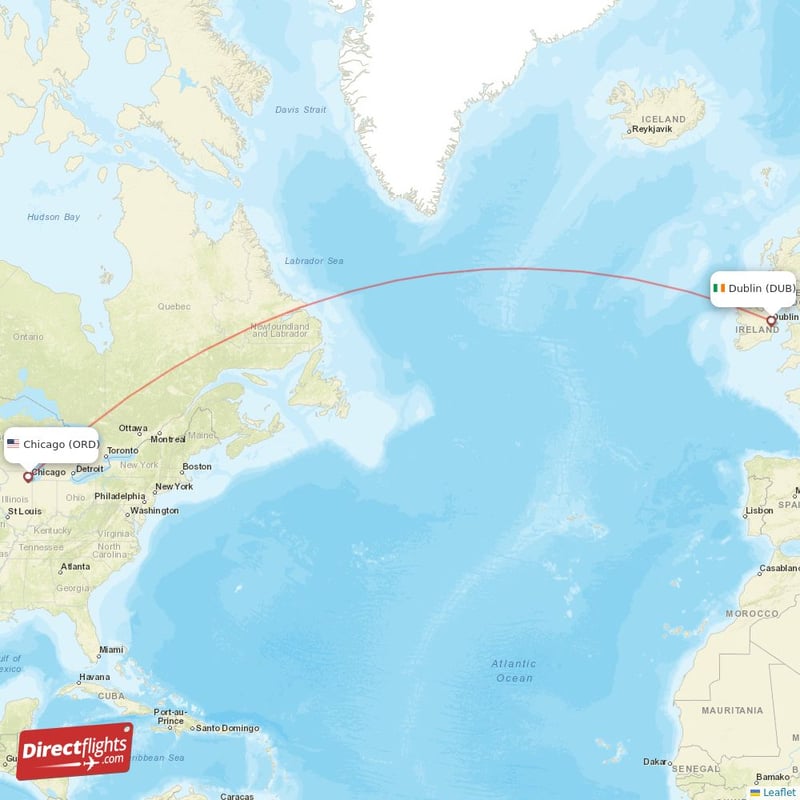
Understanding the Flight Duration from Chicago to Dublin
The length of your flight from Chicago to Dublin is primarily determined by whether you choose a non-stop service or one with layovers. Each option presents its own set of advantages and considerations regarding travel time and overall journey experience.
Direct Flights: The Fastest Route
For travelers prioritizing speed and convenience, direct flights are undoubtedly the optimal choice. These services minimize travel time by eliminating the need for layovers, allowing you to reach your destination with a single boarding.
Typical direct flights from O’Hare International Airport (ORD) in Chicago to Dublin Airport (DUB) generally take between 7 hours and 7 hours 45 minutes. This timeframe represents the airborne duration, excluding any ground time for taxiing, takeoff, or landing procedures. Airlines like United Airlines and Aer Lingus frequently offer direct connections on this popular route, providing passengers with a seamless transatlantic experience. Opting for a direct flight means less time spent in transit and more time exploring the charming streets of Dublin.
Connecting Flights: Added Time and Options
While direct flights are efficient, connecting flights offer flexibility, potentially lower fares, or access to preferred airlines that don’t operate direct routes. However, this convenience comes with a trade-off: increased travel time.
A connecting flight from Chicago to Dublin can range anywhere from 10 hours to over 15 hours, sometimes even longer, depending on the number of layovers, the duration of each stop, and the efficiency of the connections. Common layover hubs for this route include major European airports such as London Heathrow Airport, Amsterdam Airport Schiphol, and Frankfurt Airport. Some connecting flights might even route through other United States cities before heading across the Atlantic Ocean. When considering connecting flights, it’s crucial to factor in the layover time, as short connections can be stressful, while excessively long ones can make for a tiring journey. Carefully review the total travel duration displayed when booking, as it will include all flight segments and layovers.
Factors Influencing Flight Time
Beyond the choice between direct and connecting flights, several other variables can subtly, yet significantly, impact the actual time you spend in the air when flying from Chicago to Dublin. Understanding these factors can help set realistic expectations for your transatlantic journey.
Aircraft Type and Speed
The specific type of aircraft used for your flight plays a role in its speed and efficiency. Modern wide-body jets, such as the Boeing 787 Dreamliner, Boeing 777, or Airbus A330 and A350 series, are designed for long-haul transatlantic travel. These aircraft are more fuel-efficient and can often maintain higher cruising speeds, potentially shaving a few minutes off the overall flight time. They also tend to fly at higher altitudes where air resistance is lower, contributing to faster transit. Older models, while perfectly safe, might have slightly different performance characteristics that could marginally affect the flight duration.
Wind Conditions (Jet Stream)
One of the most significant natural factors influencing transatlantic flight times is the jet stream. The jet stream is a band of strong winds found in the upper atmosphere, typically flowing from west to east. For flights heading eastbound, such as from Chicago to Dublin, these tailwinds can provide a significant boost, effectively pushing the aircraft and reducing flight duration. It’s not uncommon for flights with strong tailwinds to arrive 30 minutes to an hour earlier than scheduled. Conversely, westbound flights often face headwinds, which can extend their duration. While the jet stream is a consistent feature, its exact position and strength can vary daily, leading to slight variations in flight times.
Air Traffic Control and Route Optimization
Air traffic control (ATC) agencies on both sides of the Atlantic Ocean meticulously manage flight paths to ensure safety and efficiency. While airlines plan optimal routes, ATC may adjust these based on current air traffic density, adverse weather conditions, or military airspace restrictions. A more direct route across the Atlantic Ocean will naturally be shorter, but diversions due to congestion or weather can add extra miles and minutes to the journey. Airlines and air traffic controllers continuously work to optimize routes, but unexpected circumstances can always lead to minor alterations.
Gate Delays and Taxiing Time
While not strictly part of the “flight time,” ground operations can impact your total travel duration. Factors such as delays at the departure gate, waiting for an available runway, or long taxiing distances at large airports like O’Hare International Airport can add significant time to your overall journey. Similarly, upon arrival at Dublin Airport, taxiing to the gate can sometimes take longer than expected. Airlines typically factor some buffer time into their schedules to account for these variables, but unforeseen issues can always arise.
Navigating the Journey: Airports and Airlines
A successful transatlantic flight experience begins and ends with efficient airport navigation and reliable airline service. Knowing what to expect at your departure and arrival points, as well as with your chosen carrier, can significantly smooth your journey.
Departing from Chicago: O’Hare International Airport (ORD)

O’Hare International Airport (ORD) is one of the busiest airports in the world and a major hub for international travel from the United States. When flying from Chicago to Dublin, you’ll depart from this expansive facility.
Tips for Departure:
- Arrive Early: Given O’Hare’s size and passenger volume, it’s advisable to arrive at least 3 hours before your scheduled international departure. This allows ample time for check-in, baggage drop, and navigating security checkpoints, which can sometimes have long lines.
- Check Terminal: Confirm your terminal well in advance, as international flights often depart from specific terminals (e.g., Terminal 5 for many international carriers).
- Security: Be prepared for TSA security procedures. Have your boarding pass and ID ready, and follow all instructions regarding liquids and electronics.
- Amenities: O’Hare offers a wide range of dining, shopping, and lounge options to make your waiting time comfortable.
Arriving in Dublin: Dublin Airport (DUB)
Upon arrival, you’ll land at Dublin Airport (DUB), the main international gateway to Ireland. It’s a modern and well-organized airport, typically managing international arrivals efficiently.
Immigration and Customs:
After disembarking, you’ll proceed to immigration control. As a non-EU/EEA citizen, you’ll go through the “All Other Passports” queue. Ensure you have your passport readily available. Be prepared to state the purpose of your visit (e.g., tourism), your intended length of stay, and where you’ll be staying. Once through immigration, you’ll collect any checked baggage and then pass through customs. Ireland operates a “red and green channel” system, where you choose the appropriate channel based on whether you have goods to declare.
Transportation from Dublin Airport:
Dublin Airport is conveniently located about 10 kilometers (6 miles) north of Dublin city center.
- Aircoach & Dublin Express: These are direct bus services that offer frequent and comfortable transfers to various points in Dublin city center and beyond.
- Dublin Bus: The public bus service also connects the airport to the city, offering a more budget-friendly option, though potentially with more stops.
- Taxis & Ride-sharing: Taxis are readily available outside the terminals, and ride-sharing services also operate from the airport.
Major Airlines on the Route
Several reputable airlines operate flights between Chicago and Dublin, each offering different service levels and price points.
- Aer Lingus: Ireland’s national carrier, Aer Lingus is a popular choice for its direct flights and reputation for Irish hospitality. They typically offer a comfortable transatlantic experience.
- United Airlines: A major United States carrier, United Airlines also operates direct flights from Chicago to Dublin, providing a reliable service with various cabin class options.
- Connecting Carriers: For those opting for connecting flights, major European airlines like British Airways, KLM, and Lufthansa offer routes via their respective hubs, providing extensive networks and diverse schedules. When choosing a connecting flight, consider the layover time and the comfort level of the connecting airline.
Preparing for a Transatlantic Flight
A long-haul flight across the Atlantic Ocean can be demanding, but with proper preparation, you can ensure a more comfortable and enjoyable journey. Planning ahead for aspects like jet lag, in-flight comfort, and essential packing can make a significant difference.
Managing Jet Lag
The time difference between Chicago (Central Time) and Dublin (Irish Standard Time) is typically 6 hours. This eastward travel often leads to jet lag upon arrival.
- Adjust Sleep Schedule: Try to shift your sleep schedule gradually a few days before your flight, going to bed and waking up earlier.
- Stay Hydrated: Dehydration can exacerbate jet lag symptoms. Drink plenty of water before, during, and after your flight, and limit alcohol and caffeine consumption.
- Onboard Strategy: Try to sleep on the plane if it aligns with the Dublin nighttime. Upon arrival, expose yourself to natural light and try to stick to the local schedule, even if you feel tired.
- Move Around: Light exercise or walking on the plane can help reduce stiffness and improve circulation.
Staying Comfortable Aboard
Comfort is key on a 7-8 hour flight.
- Dress in Layers: Cabin temperatures can fluctuate, so wearing layers allows you to adjust. Choose loose, comfortable clothing made from breathable fabrics.
- Hydration is Key: Continue to drink water. Bring an empty reusable water bottle to fill after security.
- Movement: Get up and walk around the cabin periodically, or do simple stretches in your seat to prevent stiffness and reduce the risk of deep vein thrombosis (DVT).
- Entertainment: Most airlines offer in-flight entertainment, but having your own loaded devices (with headphones) can provide backup.
- Comfort Items: A neck pillow, eye mask, and earplugs can be invaluable for resting and blocking out distractions.
Essential Packing Tips
Packing smart for your carry-on can make the journey much smoother.
- Travel Documents: Keep your passport, boarding pass, visa (if required), and any travel insurance documents easily accessible.
- Medications: Bring any essential prescription medications in your carry-on, along with a copy of your prescription. Include basic over-the-counter remedies for headaches or stomach upset.
- Chargers and Adapters: Don’t forget chargers for your electronic devices. While Ireland uses Type G sockets, you likely won’t need an adapter on the plane itself.
- Personal Hygiene Kit: A small bag with a toothbrush, toothpaste, moisturizer, and lip balm can help you feel refreshed.
- Snacks: While meals are provided on transatlantic flights, having a few preferred snacks can be comforting.
Beyond the Flight: What Awaits in Dublin
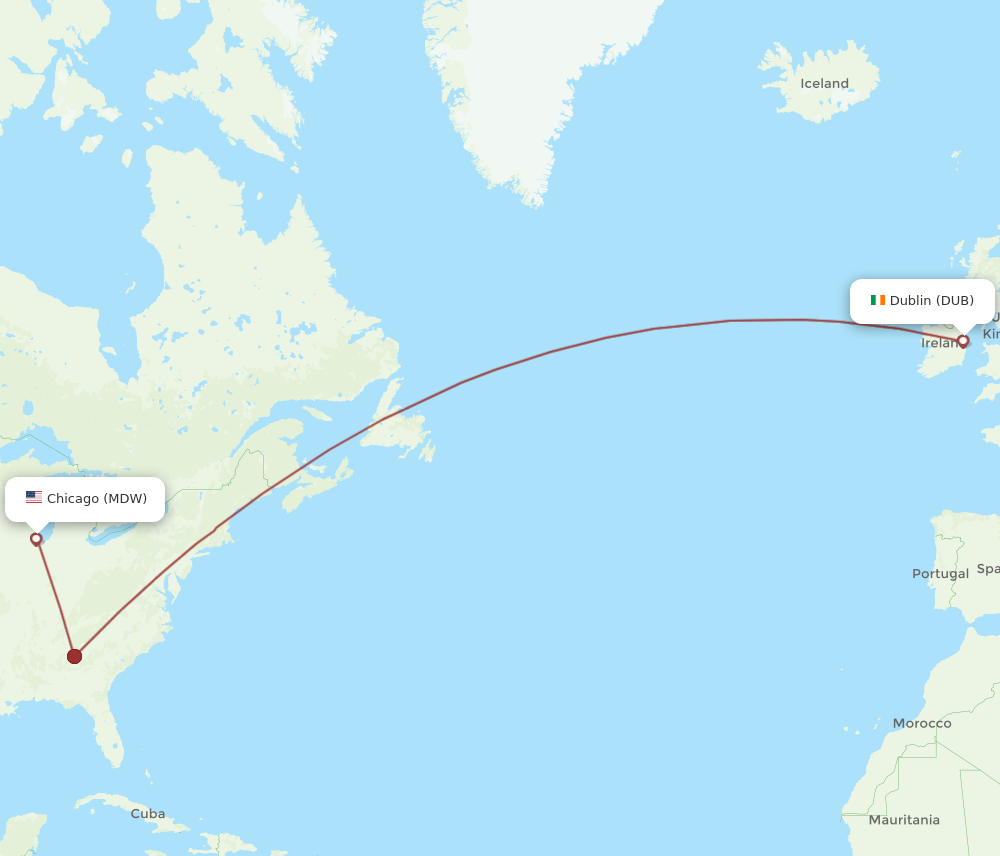
After a journey lasting approximately 7 to 8 hours on a direct flight, or longer with connections, the vibrant city of Dublin will welcome you. Stepping off the plane, you’ll immediately sense the unique atmosphere of the Irish capital. The efficient process at Dublin Airport ensures a smooth transition from air to land, quickly bringing you into the heart of Irish culture.
Welcoming Dublin: First Impressions
Your arrival in Dublin marks the beginning of an unforgettable travel experience. After clearing customs and retrieving your luggage, the ease of connecting to Dublin city center means you can swiftly immerse yourself in the city’s charm. From the historic streets echoing with tales of literary giants to the lively pubs brimming with traditional music, Dublin offers a rich tapestry of experiences. Be prepared for the famously friendly locals, the picturesque architecture, and the palpable sense of history that permeates every corner. The journey from Chicago sets the stage, and Dublin delivers a captivating reward.
Conclusion
The flight from Chicago to Dublin is a manageable transatlantic journey, typically spanning 7 to 8 hours for direct services. This duration, while a significant chunk of time, is a small investment for the rich experiences awaiting you in Ireland. While factors like the jet stream, aircraft type, and air traffic control can cause minor variations, reputable airlines ensure a safe and efficient passage. By understanding these aspects, preparing for a comfortable flight, and knowing what to expect at both O’Hare International Airport and Dublin Airport, you can ensure a smooth and enjoyable start to your Irish adventure. So, pack your bags, set your watch to Irish time, and prepare for a memorable journey across the Atlantic Ocean to the Emerald Isle.
LifeOutOfTheBox is a participant in the Amazon Services LLC Associates Program, an affiliate advertising program designed to provide a means for sites to earn advertising fees by advertising and linking to Amazon.com. Amazon, the Amazon logo, AmazonSupply, and the AmazonSupply logo are trademarks of Amazon.com, Inc. or its affiliates. As an Amazon Associate we earn affiliate commissions from qualifying purchases.