
Understanding the duration of summer break in Florida is a crucial piece of information for anyone planning to visit the Sunshine State, especially for families with school-aged children. This period, often synonymous with peak tourism, transforms Florida’s landscape, impacting everything from crowd levels at major attractions to accommodation prices and the overall travel experience. While the concept of “summer break” might seem universal, its specific timing and length in Florida can vary, influenced by local school district policies, unforeseen events, and state educational guidelines. Delving into these nuances provides invaluable insight for optimizing a trip to this popular United States destination, ensuring travelers are well-prepared to embrace the vibrant energy of a Florida summer.
Understanding the Florida Summer Break Calendar
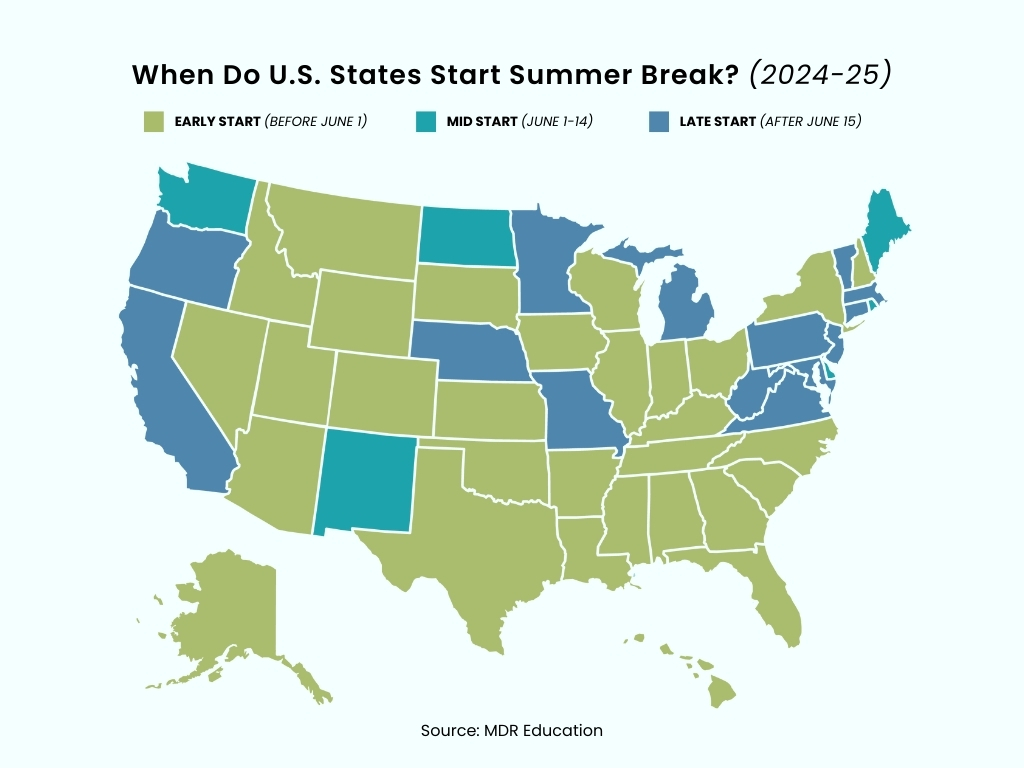
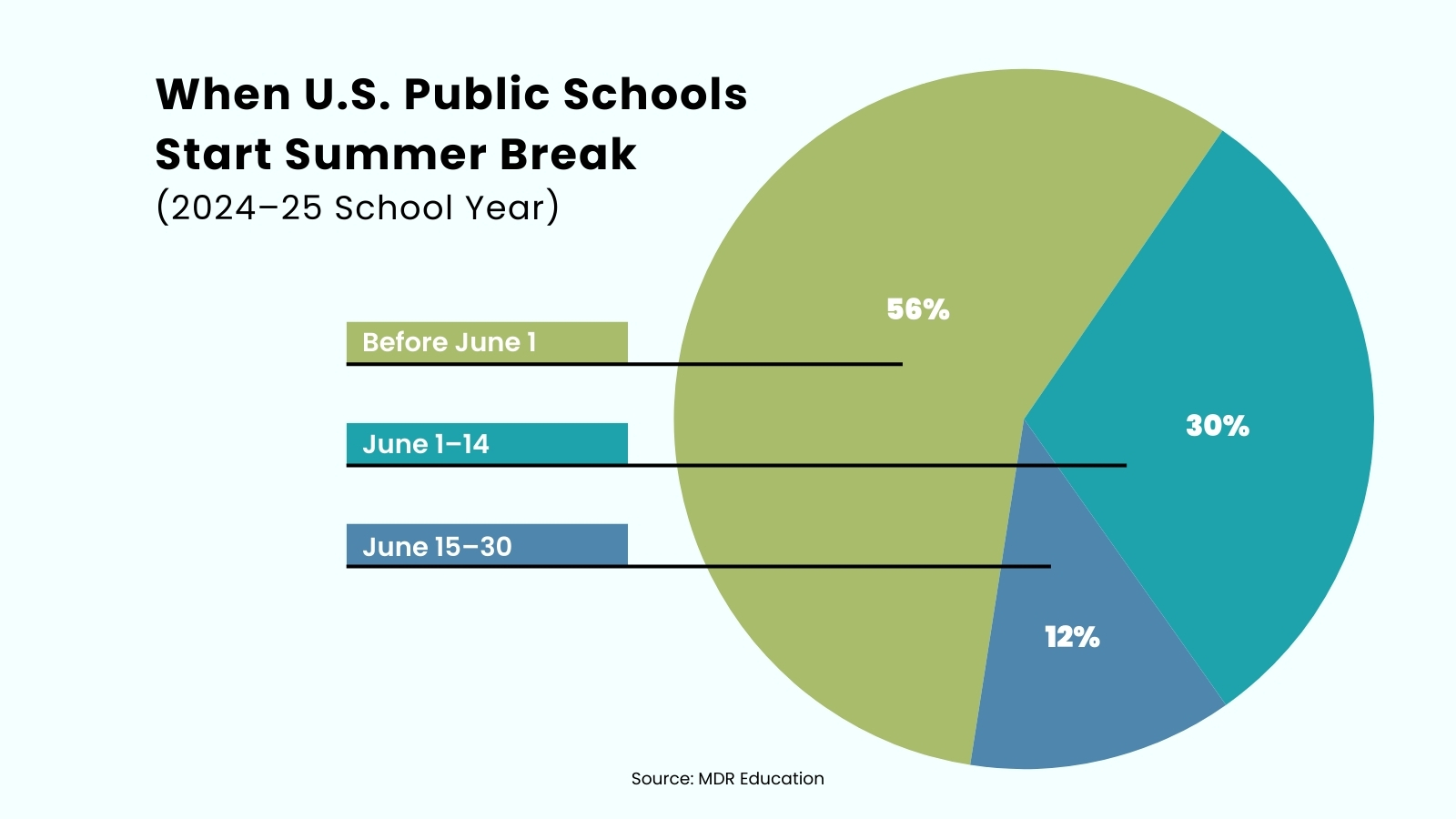
The length of summer break in Florida is not a static, statewide decree but rather a dynamic schedule determined largely by individual school districts, within the framework of state educational mandates. Generally, students in Florida’s public schools enjoy a summer recess lasting approximately 10 to 12 weeks. This extended period typically commences in late May or early June and concludes in early to mid-August, setting the rhythm for family vacations and tourism across the state.
Typical Start and End Dates
While precise dates fluctuate annually and by district, the broad strokes of Florida’s summer break remain fairly consistent. Most public schools wrap up their academic year in the last week of May or the first week of June. For instance, districts around major tourist hubs like Orlando and Miami often aim to finish before the Memorial Day holiday to allow for early summer travel. The return to classes usually falls within the second or third week of August, though some districts, particularly in the northern parts of the state, might start back a bit earlier. This approximately three-month window is critical for understanding the peak travel season. Private schools and charter schools may operate on slightly different calendars, sometimes starting or ending earlier, or having shorter breaks, but they generally align with the public school system’s broader summer schedule to accommodate family plans.
District Variations and Influencing Factors
The specific start and end dates of summer break can vary significantly between Florida’s 67 county school districts. These variations are often due to several factors:
- Local Preferences: Districts have some autonomy in setting their calendars, often considering local community input, historical precedents, and regional events.
- State Mandates: The Florida Department of Education sets guidelines for the minimum number of instructional days or hours, which dictates the overall academic year length, thus indirectly influencing break durations.
- Unforeseen Circumstances: Events like hurricanes or the COVID-19 pandemic can lead to school closures and calendar adjustments, sometimes impacting the length or timing of future breaks. For example, a district might push back the start of summer break to make up for lost instructional time.
- Teacher Workdays and Professional Development: Non-student days for staff training can also shift the exact start and end dates for students.
Travelers looking for precise dates for a specific region should always consult the official calendar of the relevant county’s school district (e.g., Orange County Public Schools for Orlando area, Miami-Dade County Public Schools for Miami). These calendars are typically published well in advance, providing ample time for vacation planning.
The Travel Implications of Florida’s School Holidays
The collective summer break in Florida is arguably the most significant driver of tourism trends in the state. Millions of families, both from within Florida and across the globe, seize this opportunity for extended vacations, profoundly impacting the travel experience.
Crowds and Demand
The most immediate and noticeable effect of summer break is the surge in visitors. Florida’s world-famous theme parks like Walt Disney World Resort and Universal Orlando Resort in Orlando, and Busch Gardens Tampa Bay in Tampa, experience their highest attendance levels during these months. Similarly, popular coastal destinations such as Miami Beach, Clearwater Beach, Siesta Key Beach, and the Florida Keys become bustling hubs of activity. Expect longer lines, crowded restaurants, and a lively, energetic atmosphere wherever you go. This high demand extends beyond attractions to transportation, rental cars, and even grocery stores in tourist-heavy areas. While the energy can be infectious, those preferring a more tranquil experience might consider visiting in the shoulder seasons (April-May or September-October) or during the less busy winter months, if their schedules allow.
Pricing Fluctuations
Increased demand during summer break directly correlates with higher prices across the tourism sector. Accommodation rates for hotels, resorts, and vacation rentals often reach their peak. Airfares into major Florida airports like Orlando International Airport (MCO), Miami International Airport (MIA), and Tampa International Airport (TPA) also tend to be higher. Similarly, prices for theme park tickets, tours, and certain activities may see seasonal increases. Restaurants, particularly those in tourist zones, might also adjust their pricing or offer fewer specials. Budget-conscious travelers need to account for this inflationary trend and plan accordingly, potentially exploring off-peak days within the summer season or booking well in advance to lock in better rates.
Family-Focused Tourism
Summer break solidifies Florida’s reputation as a premier family vacation destination. During this time, the state’s offerings are heavily geared towards families. This means an abundance of kid-friendly activities, entertainment options, and amenities specifically designed to cater to multi-generational groups. From character dining experiences at Disney to interactive exhibits at museums in Tampa or Miami, the focus is on creating memorable experiences for all ages. Travelers without children might find the atmosphere a bit overwhelming at times, though many adult-oriented attractions and nightlife options still thrive, particularly in cities like Miami and Fort Lauderdale.
Making the Most of a Florida Summer Vacation
Despite the heat, humidity, and crowds, a summer vacation in Florida can be incredibly rewarding. With strategic planning and a few insider tips, travelers can navigate the peak season successfully and create lasting memories.
Smart Planning and Booking
The golden rule for summer travel to Florida is to book early. As soon as school calendars are released and your travel dates are firm, secure your flights, accommodations, and any high-demand attraction tickets. This not only helps with pricing but also ensures availability, especially for popular resorts and unique experiences. Consider purchasing multi-day theme park passes that often offer better value, and look into fast-pass systems (like Disney Genie+ or Universal Express Pass) to minimize wait times, even if they come at an additional cost. Research dining reservations well in advance, particularly for character meals or sought-after restaurants.
Beating the Heat and Crowds
Florida summers are hot and humid, often accompanied by afternoon thunderstorms.
- Embrace Early Mornings: Start your day early to enjoy cooler temperatures and lighter crowds at theme parks and outdoor attractions.
- Mid-Day Breaks: Plan to retreat indoors during the hottest part of the afternoon (usually 1 PM to 4 PM). This is a perfect time for lunch, a swim at the hotel pool, or visiting air-conditioned museums or shopping centers.
- Hydrate and Protect: Drink plenty of water, wear lightweight clothing, use high-SPF sunscreen, and don’t forget hats and sunglasses.
- Water Activities: Prioritize water-based activities like visiting water parks, swimming at the beach, or exploring one of Florida’s many natural springs.
Budget-Friendly Strategies
While summer can be expensive, there are ways to manage costs:
- Consider Lesser-Known Destinations: Instead of major hubs, explore charming smaller towns or less crowded beaches along the Gulf Coast or the Panhandle, such as St. Augustine for history or the Space Coast for space exploration.
- Look for Deals: Keep an eye out for summer promotions on accommodations or attraction tickets, especially in late May/early June or late August when crowds might be slightly thinner than the absolute peak.
- Cook Some Meals: If staying in a vacation rental or hotel with kitchenettes, preparing some of your meals can significantly cut down on dining expenses.
- Utilize Free Attractions: Enjoy Florida’s beautiful public beaches, state parks (some have small entry fees), and scenic drives. Many cities offer free events or outdoor entertainment during the summer.
Top Florida Destinations and Activities During Summer
Florida’s diverse geography and vibrant culture offer an array of activities perfect for summer enjoyment, even with the influx of visitors.
Theme Parks and Coastal Escapes
For many, Florida in summer means theme parks. Orlando remains the undisputed capital, with Walt Disney World Resort’s four parks and two water parks, alongside Universal Orlando Resort’s Universal Studios Florida, Islands of Adventure, and Volcano Bay water park. These parks expertly manage crowds and offer plenty of indoor attractions and water rides to combat the heat.
Beyond the magic, Florida’s extensive coastline beckons. The white sands of Clearwater Beach and St. Pete Beach on the Gulf Coast are popular, offering calm waters and stunning sunsets. On the Atlantic side, South Beach in Miami offers a lively scene, while Daytona Beach caters to those seeking a classic boardwalk experience. The Florida Keys provide a unique island escape, perfect for snorkeling, diving, and fishing, with Key West offering a vibrant nightlife and historical charm.
Nature and Adventure
For those seeking to connect with Florida’s natural beauty, summer offers unique opportunities. Kayaking or paddleboarding through the calm waters of the Florida springs offers a refreshing escape, with their consistently cool 72-degree Fahrenheit waters. Destinations like Silver Springs State Park or Weeki Wachee Springs State Park combine natural beauty with entertainment.
Exploring Everglades National Park is an unforgettable summer adventure, though it’s essential to prepare for mosquitoes and humidity. Airboat tours offer an exhilarating way to spot alligators and various bird species. The Kennedy Space Center Visitor Complex on the Space Coast provides an inspiring and largely indoor experience, perfect for budding astronauts and history enthusiasts. Consider visiting Florida’s less-traveled national parks and state parks for hiking, bird watching, and wildlife viewing in a quieter setting.
Beyond the Beaches: Exploring Florida’s Diverse Summer Offerings
While Florida’s beaches and theme parks are undeniably popular, the state offers a rich tapestry of experiences that extend far beyond the typical tourist trails, especially during the summer.
Cultural and Historical Gems
Florida is steeped in history and vibrant culture. St. Augustine, the nation’s oldest continuously inhabited European-established settlement, offers a captivating journey back in time with its historic fort, cobblestone streets, and museums. Explore the Castillo de San Marcos and wander through the Colonial Quarter for a glimpse into centuries past.
In South Florida, Miami boasts an eclectic mix of cultures, from the vibrant Little Havana with its Cuban influences to the sophisticated Art Deco District in South Beach. The city’s thriving art galleries, particularly in the Wynwood Arts District, provide a refreshing indoor escape and a feast for the eyes. Tampa also offers a rich history in Ybor City, once the cigar capital of the world, now a bustling entertainment and dining district.

Culinary Adventures and Local Flavors
Summer in Florida is a fantastic time to indulge in the state’s diverse culinary scene. Fresh seafood, from Gulf shrimp to Florida snapper, is abundant. Many coastal towns host local seafood festivals or markets throughout the summer. Sample authentic Cuban sandwiches in Miami, fresh citrus delights, or explore the farm-to-table restaurants that highlight Florida’s agricultural bounty. Even theme parks offer an array of unique culinary experiences that go beyond typical amusement park fare. Seeking out local eateries away from the main tourist strips can often lead to hidden gems and a more authentic taste of Florida.
In conclusion, the length of summer break in Florida, typically 10 to 12 weeks from late May/early June to mid-August, is a pivotal factor for travelers. While it ushers in peak crowds and higher prices, it also signifies a vibrant, family-centric atmosphere with endless opportunities for fun and adventure. By understanding the academic calendar’s impact and employing smart travel strategies, visitors can effortlessly navigate the summer season, enjoying everything the Sunshine State has to offer, from thrilling theme parks and pristine beaches to historical sites and unique natural wonders. Planning ahead is key to unlocking a memorable and enjoyable Florida summer vacation.
LifeOutOfTheBox is a participant in the Amazon Services LLC Associates Program, an affiliate advertising program designed to provide a means for sites to earn advertising fees by advertising and linking to Amazon.com. Amazon, the Amazon logo, AmazonSupply, and the AmazonSupply logo are trademarks of Amazon.com, Inc. or its affiliates. As an Amazon Associate we earn affiliate commissions from qualifying purchases.