
Florida, often celebrated for its sunshine, theme parks, and vibrant cities, harbors an even more captivating allure: its myriad islands. The sheer number and diversity of these landmasses, ranging from sprawling barrier islands protecting the mainland to tiny mangrove islets teeming with wildlife, paint a complex and stunning picture of the state’s geography. For the discerning traveler, understanding this archipelago is key to unlocking Florida’s most authentic and breathtaking experiences. The question of “how many islands” is more than a simple headcount; it’s an invitation to explore the intricate ecosystems, rich histories, and unparalleled recreational opportunities that define the Sunshine State’s extensive coastline.

Unraveling the Archipelago: The Challenge of Counting Florida’s Islands
Determining an exact count of Florida’s islands is a remarkably complex endeavor, fraught with geographical nuances and varying definitions. Unlike a straightforward tally, the number fluctuates based on how one defines an “island” and the dynamic nature of Florida’s coastline itself. This inherent ambiguity, however, only adds to the mystique and allure of exploring these diverse landmasses.
Defining an Island: A Geographical Conundrum
At its core, an island is defined as a piece of land completely surrounded by water. However, the practical application of this definition along Florida’s coasts becomes tricky. Does a sandbar exposed only at low tide count? What about a tiny patch of mangroves that might be submerged during a king tide? Geographers typically consider permanent landmasses above mean high water, but even this leaves room for interpretation. Many of Florida’s “islands” are intimately connected to vast estuarine systems, where the line between land and water is often blurred by tidal marshes and intricate canal networks. Furthermore, human intervention, such as dredging and canal construction, has also created or altered countless small land features that may or may not fit a strict island definition. The Florida Keys, for instance, are a chain of hundreds of islands, many of which are now interconnected by bridges and causeways, making them feel like one continuous stretch of land, yet each remains a distinct island by geological formation.
The Dynamic Nature of Florida’s Coastline
Florida’s coastline is exceptionally dynamic, a living landscape constantly reshaped by natural forces. Barrier islands, especially along the Gulf Coast and Atlantic Ocean shores, are particularly susceptible to erosion and accretion. Hurricanes can dramatically alter their shape, size, and even their very existence in a single event, opening new inlets or merging smaller islands. Rising sea levels further complicate matters, potentially submerging low-lying areas that once qualified as islands or expanding others. This constant state of flux means that any precise count is merely a snapshot in time, subject to change with every storm season and geological shift. The intricate estuarine systems, home to vast tracts of mangroves, also present a challenge. While these mangrove forests often form small, distinct islets, their intertwined root systems and ability to trap sediment mean they are perpetually growing and shifting, making enumeration an ongoing scientific pursuit rather than a static figure.
Estimating the Grand Total
Given these complexities, providing an exact number is nearly impossible. However, reputable sources often estimate that Florida possesses well over 4,500 islands that are at least 10 acres in size. If one were to include every tiny islet, sandbar, and patch of mangrove above the waterline, that number could easily swell into the tens of thousands. This staggering figure underscores the state’s unique geography and its profound connection to the surrounding waters. The vast majority of these are uninhabited, playing crucial roles as wildlife habitats and natural storm buffers. The populated islands, though fewer in number, are often iconic destinations, drawing millions of visitors each year to their shores. This massive count includes everything from the expansive barrier islands fronting major cities to the remote, pristine keys in the state’s southernmost reaches, each contributing to Florida’s unparalleled coastal character.
A Kaleidoscope of Island Experiences: From Barrier Isles to Keys
Florida’s islands are not merely numerous; they are incredibly diverse, offering a spectrum of experiences that cater to every type of traveler. From the bustling, amenity-rich barrier islands popular with families to the tranquil, remote keys cherished by nature lovers, these landmasses embody the multifaceted appeal of the Sunshine State.
The Allure of Florida’s Barrier Islands
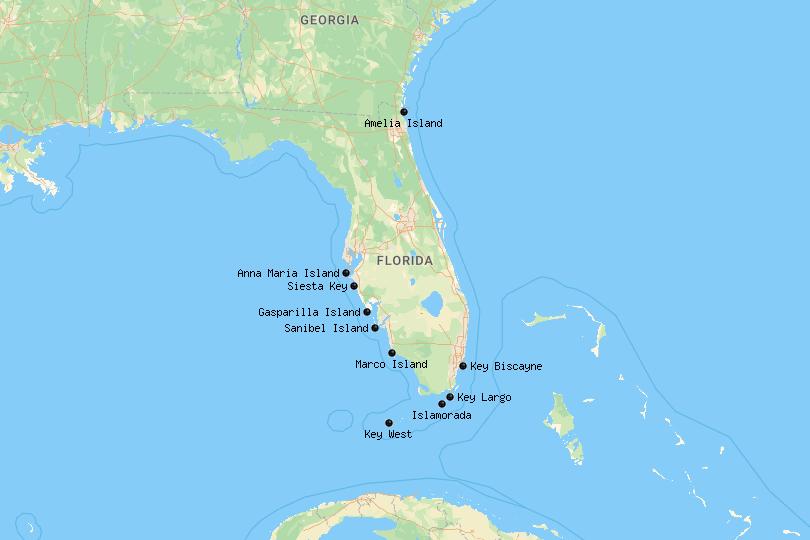
Barrier islands are Florida’s natural coastal guardians, absorbing the brunt of oceanic forces and protecting the mainland from storms and erosion. These elongated islands, often characterized by wide, sandy beaches and delicate dune systems, are some of Florida’s most popular travel destinations. On the Gulf Coast, islands like Sanibel Island and Captiva Island are world-renowned for their exceptional shelling opportunities, calm waters, and relaxed pace, perfect for families and couples seeking a serene escape. Anna Maria Island, further north, offers a nostalgic, old-Florida charm with quaint cottages and pristine beaches. On the Atlantic Ocean side, barrier islands host vibrant cities like Miami Beach, where the iconic Art Deco architecture of South Beach meets high-energy nightlife and world-class dining. Further north, Amelia Island boasts historic charm, upscale resorts, and a tranquil atmosphere. These islands provide a perfect blend of natural beauty and developed amenities, offering everything from luxurious resorts and championship golf courses to quiet nature preserves and watersports activities.
The Unique Charm of the Florida Keys
Stretching southwest from the tip of the Florida peninsula, the Florida Keys are a chain of limestone islands unlike any other in the world. Formed from ancient coral reefs, these islands boast a distinct ecosystem and a unique cultural identity, often described as “island time.” The water here is crystal clear, revealing vibrant coral reefs teeming with marine life, making it a premier destination for snorkeling, diving, and fishing. The Overseas Highway, a marvel of engineering, connects many of the main islands, allowing travelers to drive from Key Largo, the northernmost key, all the way to Key West, the southernmost point of the continental United States. Each key has its own personality, from the dive capital of Key Largo to the fishing haven of Islamorada, the family-friendly vibe of Marathon, and the bohemian, vibrant spirit of Key West. The Keys offer a laid-back lifestyle, stunning sunsets, fresh seafood, and a palpable sense of escape from the mainland hustle, drawing artists, adventurers, and those simply seeking tranquility.
Mangrove Mazes and Estuarine Jewels
Beyond the popular sandy shores, Florida is home to an incredible array of mangrove islands, particularly abundant in the southern part of the state, including the Ten Thousand Islands region of the Everglades National Park and the labyrinthine waterways around Marco Island. These “islands” are not sandy beaches but dense, intertwined forests of red, black, and white mangroves, thriving in brackish waters. Though less accessible to the casual tourist, these estuarine jewels are ecological powerhouses, serving as critical nurseries for a vast array of fish, crustaceans, and birds. They are a paradise for kayakers, paddleboarders, and birdwatchers who seek an immersive nature experience. Exploring these mangrove mazes offers a profound connection to Florida’s wild heart, providing opportunities to spot manatees, dolphins, alligators, and countless species of migratory birds in their natural habitats. These less-traveled islands highlight Florida’s commitment to preserving its natural heritage and offer a distinct travel experience focused on ecological discovery.
Iconic Island Destinations for the Discerning Traveler
For those planning a Florida island getaway, certain destinations consistently rise to the top, offering a mix of natural beauty, cultural attractions, and recreational opportunities. These iconic islands promise memorable experiences, whether you seek lively entertainment, secluded serenity, or a blend of both.
The Vibrancy of Key West and the Lower Keys
Key West stands as the crown jewel of the Florida Keys, a truly unique American city with a distinct Caribbean flair. Its colorful Victorian architecture, storied history, and vibrant nightlife centered around Duval Street make it an irresistible destination. Visitors can explore the Ernest Hemingway Home and Museum, marvel at the sunset celebrations at Mallory Square, or simply soak in the laid-back, eclectic atmosphere. The Lower Keys, which include islands like Big Pine Key and Summerland Key, offer a quieter, more natural escape. Here, you can encounter the miniature Key deer at the National Key Deer Refuge or enjoy the pristine beaches of Bahia Honda State Park, consistently ranked among the best beaches in the country. The blend of cultural vibrancy and natural tranquility makes this region an unparalleled travel destination.
The Gulf Coast Gems: Sanibel, Captiva, and Anna Maria Island
On Florida’s Gulf Coast, the islands of Sanibel Island, Captiva Island, and Anna Maria Island represent a quintessential tranquil escape. Sanibel Island is famous worldwide for its “Sanibel stoop” – the posture assumed by shell collectors scouring its shell-laden beaches. Its unique east-west orientation acts like a scoop, collecting an astounding variety of shells from the Gulf. Captiva Island, just north of Sanibel, offers a more secluded, upscale experience with luxurious resorts and breathtaking sunsets. Both islands prioritize conservation, with much of their land dedicated to wildlife refuges, most notably the J.N. “Ding” Darling National Wildlife Refuge, a haven for migratory birds. Further north, Anna Maria Island maintains a charming “Old Florida” ambiance, with strict building codes preserving its low-rise, picturesque character. Its soft, white sands and clear, shallow waters are ideal for families, and its quaint villages offer local boutiques and fresh seafood restaurants, making it a perfect spot for relaxation and nostalgia.
The Atlantic’s Eastern Shores: Amelia Island and the Space Coast Barrier Islands
Florida’s Atlantic Ocean coastline also boasts remarkable island destinations. Amelia Island, located at Florida’s northeastern tip, distinguishes itself with its rich history, elegant Victorian architecture in Fernandina Beach, and moss-draped live oaks. It offers a blend of pristine beaches, luxury resorts, world-class golf, and a captivating cultural scene, including historical reenactments and charming boutiques. Moving south, the barrier islands of the Space Coast, such as those hosting Cocoa Beach and Melbourne Beach, offer a different kind of excitement. Here, visitors can combine beach relaxation with the thrill of space exploration, observing rocket launches from the Kennedy Space Center nearby. These islands provide expansive beaches perfect for surfing, sunbathing, and wildlife viewing, including sea turtle nesting sites. The juxtaposition of natural beauty and futuristic innovation makes the Atlantic’s eastern islands a unique and compelling travel choice.
Beyond the Shoreline: Adventures on Florida’s Islands
While Florida’s islands are synonymous with pristine beaches and sparkling waters, the travel experiences they offer extend far beyond sunbathing. From exhilarating water sports to profound encounters with nature and deep dives into history, these islands are canvases for diverse adventures.
Water Sports and Marine Exploration
The waters surrounding Florida’s islands are an aquatic playground. Snorkeling and scuba diving in the Florida Keys National Marine Sanctuary reveal vibrant coral reefs, shipwrecks, and an abundance of tropical fish. Kayaking and paddleboarding through mangrove tunnels, particularly around Naples or Sarasota‘s barrier islands like Siesta Key, offer a peaceful way to observe wildlife from a unique vantage point. For the more adventurous, parasailing, jet-skiing, and kiteboarding are popular activities along the more developed coasts of Clearwater Beach or Fort Myers Beach. Deep-sea fishing charters depart daily from many island marinas, promising the thrill of catching tarpon, snapper, or mahi-mahi. Even a simple boat tour can transform into an unforgettable dolphin-watching experience in Tampa Bay or the intercoastal waterways.
Wildlife Encounters and Nature Sanctuaries
Florida’s islands are ecological treasures, home to diverse ecosystems and incredible wildlife. Many islands host designated nature sanctuaries and state parks designed to protect these fragile environments. At the J.N. “Ding” Darling National Wildlife Refuge on Sanibel Island, visitors can drive, bike, or walk through a pristine mangrove ecosystem, spotting roseate spoonbills, ospreys, and alligators. The remote islands of Dry Tortugas National Park, accessible only by ferry or seaplane from Key West, offer unparalleled birdwatching opportunities and magnificent coral reefs, centered around historic Fort Jefferson. Sea turtle nesting season, from May to October, transforms many barrier island beaches into protected zones, offering the chance to witness these ancient creatures. Kayaking through the Ten Thousand Islands region of the Everglades National Park provides intimate encounters with manatees, dolphins, and a myriad of wading birds, emphasizing the islands’ role as vital wildlife corridors.
Cultural Riches and Historic Haunts
Beyond their natural beauty, many of Florida’s islands are steeped in history and culture. St. Augustine, though not an island itself, is situated on a peninsula adjacent to barrier islands and holds the distinction of being the oldest continuously inhabited European-established settlement in the United States. Its Spanish colonial architecture and historic sites offer a deep dive into the state’s past. Key West is a living museum, with its colorful architecture, literary heritage (notably Ernest Hemingway), and a vibrant arts scene. Amelia Island boasts a history under eight different flags, evident in its charming Victorian-era downtown Fernandina Beach. Even smaller islands like Dauphin Island (in Alabama but culturally connected to the Gulf Coast island experience) have significant historical forts and maritime museums. These islands offer a chance to explore lighthouses, preserved forts, and historic homes, connecting travelers to the diverse narratives that have shaped Florida.
Crafting Your Ideal Florida Island Itinerary
With thousands of islands, planning a trip to Florida’s coastal havens can feel overwhelming. However, by considering your preferences, the time of year, and an eye towards responsible tourism, you can craft an unforgettable island escape tailored to your dreams.
Choosing Your Island Vibe
The first step in planning is to define your ideal island experience. Are you seeking energetic nightlife and cultural immersion, as found in Key West? Do you dream of serene, shell-strewn beaches and wildlife viewing, characteristic of Sanibel Island? Perhaps a mix of history and luxury appeals, like that offered by Amelia Island. For family-friendly atmospheres with calm waters, Anna Maria Island or Siesta Key might be perfect. If adventure and water sports are paramount, the central Florida Keys or the lively beaches of Clearwater Beach will beckon. Consider the type of accommodation (resorts, quaint inns, vacation rentals), dining preferences (fine dining, casual seafood shacks), and primary activities you envision to narrow down the vast choices.
Seasonal Considerations for Island Travel
Florida’s climate means its islands are a year-round destination, but seasonality significantly impacts the experience. The peak season for most of Florida, especially the southern islands and the Florida Keys, is typically from November to May, offering pleasant temperatures, low humidity, and minimal rainfall. This is ideal for outdoor activities, but also means higher prices and larger crowds. Summer, from June to October, brings hotter, more humid weather and the official hurricane season. While often quieter and more affordable, travelers should be prepared for afternoon thunderstorms and monitor weather forecasts. This period is, however, prime for sea turtle nesting and offers excellent opportunities for marine life viewing in warmer waters. Shoulder seasons (late spring/early fall) often strike a balance, providing good weather with fewer crowds and potentially better deals on accommodations and flights.
Sustainable Tourism on Florida’s Fragile Islands
As visitors, we play a crucial role in preserving the pristine beauty and delicate ecosystems of Florida’s islands. Practicing sustainable tourism is paramount. This includes adhering to “leave no trace” principles on beaches and in natural areas, staying on marked trails, and respecting wildlife habitats. Many islands have strict regulations regarding shelling, fishing, and boating to protect marine life and coral reefs. Choosing eco-friendly accommodations, supporting local businesses that champion sustainable practices, and participating in volunteer efforts like beach cleanups can contribute positively to the islands’ longevity. Education about marine life, coastal ecology, and the impacts of climate change can also enhance the travel experience, fostering a deeper appreciation for these unique and precious natural resources. By traveling responsibly, we ensure that Florida’s thousands of islands remain vibrant and welcoming for generations to come.
LifeOutOfTheBox is a participant in the Amazon Services LLC Associates Program, an affiliate advertising program designed to provide a means for sites to earn advertising fees by advertising and linking to Amazon.com. Amazon, the Amazon logo, AmazonSupply, and the AmazonSupply logo are trademarks of Amazon.com, Inc. or its affiliates. As an Amazon Associate we earn affiliate commissions from qualifying purchases.