
For travelers planning an unforgettable journey to the Golden State, understanding local nuances is key to a seamless experience. Among these, knowing the schedule for Daylight Saving Time (DST) in California is a crucial tip for any itinerary. While seemingly a minor detail, the shifting of clocks can profoundly impact travel plans, attraction timings, and even your personal rhythm. As a premier destination boasting everything from sun-drenched beaches to majestic national parks, California’s observance of DST is a fundamental piece of information for tourists aiming to maximize every moment. This guide delves into when California observes DST, its practical implications for visitors, and how to navigate these time shifts to enhance your travel adventure.
Understanding California’s Daylight Saving Time Schedule
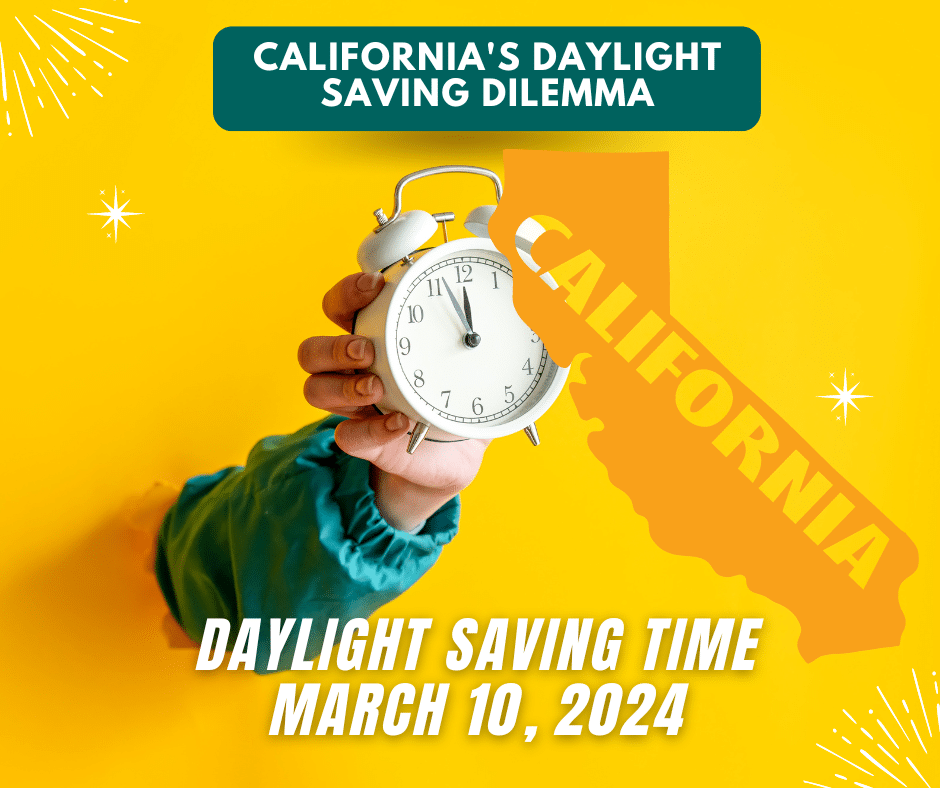
California adheres to the standard United States schedule for Daylight Saving Time, a practice designed to make better use of daylight by shifting clocks forward in the spring and backward in the fall. This seemingly simple adjustment has a ripple effect on daily life and, by extension, on tourism.
The Annual Shift: “Spring Forward” and “Fall Back”
In California, like most of the U.S., clocks “spring forward” by one hour on the second Sunday in March at 2:00 AM local time. This means that 2:00 AM instantly becomes 3:00 AM, effectively “losing” an hour of sleep but gaining an hour of daylight in the evening. For travelers, this shift signals longer daylight hours for sightseeing and outdoor activities, which can be particularly advantageous when visiting iconic spots like the Santa Monica Pier in Los Angeles or exploring the vineyards of Napa Valley.
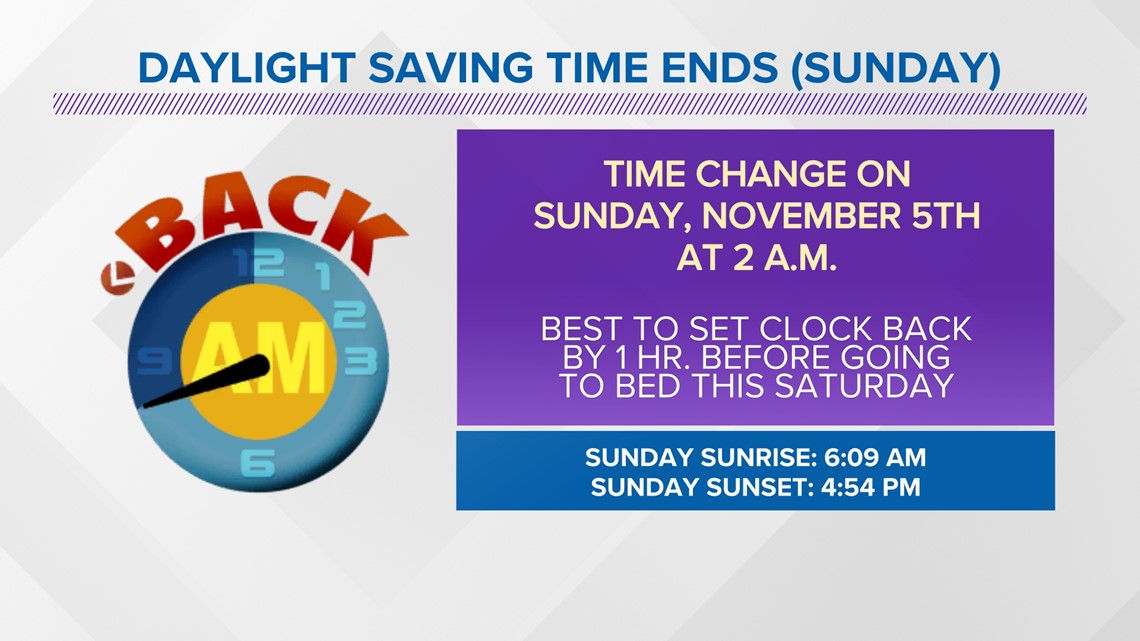
Conversely, clocks “fall back” by one hour on the first Sunday in November at 2:00 AM local time. At this point, 2:00 AM reverts to 1:00 AM, granting an extra hour of sleep and bringing earlier sunrises but also earlier sunsets. This transition can significantly alter evening plans, especially for those hoping to catch a sunset over the Golden Gate Bridge in San Francisco or enjoy twilight strolls along the beaches of San Diego. It’s crucial for visitors to be aware of these dates to properly manage their itineraries and expectations, particularly if their trip spans one of these transition weekends.
Why California Observes DST (and the Ongoing Debate)
The rationale behind Daylight Saving Time historically centers on energy conservation and maximizing daylight for various activities. The initial idea was to save fuel used for lighting and heating, although modern studies have cast doubt on its actual energy-saving benefits. For California, a state deeply integrated into global commerce and tourism, aligning with the national standard for DST helps maintain consistency with other major economic hubs.
However, the practice of DST in California has been the subject of considerable debate and even legislative action. In 2018, California voters passed Proposition 7, which granted the state legislature the power to change or abolish DST, provided federal law permitted it. While this move signaled a potential shift away from the twice-yearly clock change, subsequent legislative efforts to move to year-round standard time or year-round Daylight Saving Time have not yet come to fruition. As of today, California continues to observe the traditional “spring forward” and “fall back” schedule. This ongoing discussion underscores the importance for tourists to verify the current status of DST before their trip, as future changes could impact long-term travel planning.
Practical Implications for California Tourists
The time change brought about by Daylight Saving Time can have a surprising number of practical implications for tourists, affecting everything from transportation to leisure activities. Awareness and preparation are key to avoiding unexpected disruptions.
Navigating Time Changes and Travel Itineraries
One of the most significant impacts of DST transitions for tourists involves travel logistics. If you are flying into or out of California on a DST transition weekend, particularly during the “spring forward” event, the loss of an hour can affect flight connections and arrival times. While airlines and airports typically adjust their schedules, it’s paramount to confirm all flight details, especially for international travel or multi-leg journeys. A flight scheduled to depart at 2:30 AM on the second Sunday in March might, in effect, leave at what feels like 3:30 AM to your body clock if you forget the change. Similarly, train and bus schedules can be subtly impacted, requiring travelers using services like Amtrak or regional transit in cities like San Jose or Sacramento to double-check their booking details. For those embarking on road trips along scenic routes like Highway 1 through Big Sur, the shift can alter your estimated arrival times at your accommodation or planned stops, impacting check-in times or reservations.
Impact on Attractions and Activities
The operating hours of popular tourist attractions are often the most directly affected by Daylight Saving Time. Theme parks like Disneyland Resort in Anaheim or Universal Studios Hollywood in Los Angeles, museums such as the Getty Center, and historical sites like Alcatraz Island might adjust their opening and closing times to align with the new daylight patterns. During the “spring forward” period, some attractions might extend their evening hours to capitalize on the extra daylight, while during “fall back,” they may close earlier as darkness arrives sooner.
National parks, a major draw for California tourism, are also influenced. Exploring Yosemite National Park, Joshua Tree National Park, or Death Valley National Park often involves hiking or scenic drives, where daylight hours are critical for safety and enjoyment. An unexpected early sunset in November could cut short a planned hike or make navigation more challenging. Always check the official websites of specific attractions and parks for their updated operating hours around the DST transitions.
Dining and Entertainment Considerations
Dining reservations, showtimes, and nightlife activities can also experience subtle shifts. A dinner reservation made for 7:00 PM on a “spring forward” Sunday might feel like 6:00 PM to your body, potentially throwing off your internal clock, especially if you’re experiencing jet lag. Conversely, on “fall back” Sunday, an 8:00 PM reservation will feel like 9:00 PM. The same applies to booking tickets for a Broadway show in San Francisco or a concert in Hollywood. While venues are generally good about announcing any changes, it’s always prudent for tourists to verify the exact timing of their booked entertainment, particularly during the transition weekends. Nightlife, too, can see subtle adjustments, with bars and clubs potentially opening or closing based on the new clock time.
Maximizing Your California Experience During DST Transitions
Navigating Daylight Saving Time doesn’t have to be a source of stress. With a few proactive steps, tourists can not only avoid disruption but potentially leverage the time change to their advantage.
Adjusting to the New Time
For those arriving in California around the DST transition, or experiencing the shift within the state, managing your internal clock is key. The “spring forward” can feel akin to mild jet lag for some, as you effectively lose an hour of sleep. To minimize this, try to adjust your sleep schedule gradually in the days leading up to the change. Exposing yourself to natural sunlight early in the morning can help reset your circadian rhythm. Conversely, the “fall back” can feel less disruptive, offering an extra hour of sleep. However, it can still impact your sense of timing. Maintain consistent meal times, stay hydrated, and try to get adequate sleep. If you’re coming from a significantly different time zone, factor in both the time difference and the DST shift when planning your arrival and initial activities.
Harnessing the Extra Daylight (or Preparing for Less)
The “spring forward” shift gifts California with glorious, longer evenings. This is an excellent opportunity for tourists to maximize outdoor activities. Consider planning later excursions to famous sites like the Hollywood Walk of Fame, enjoying sunset cruises from San Francisco Bay, or extending your time at a beach resort. The extra daylight provides more flexibility for evening plans without feeling rushed.
Conversely, the “fall back” transition brings earlier sunsets. Tourists engaging in activities that rely on daylight, such as hiking in national parks or exploring outdoor markets, should plan their schedules accordingly. Start your day earlier to make the most of the available light. If driving in the evening, be mindful that darkness will descend sooner, which is particularly relevant when navigating winding coastal roads or less-lit rural areas. Having a backup plan for indoor activities, such as visiting a museum or attending an evening performance, can be beneficial during this period.
Communication and Planning
Proactive planning and communication are your best allies. Before your trip, confirm the exact DST dates for California for your travel year. Inform family and friends of the time change, especially if you have scheduled calls or check-ins. Crucially, ensure all your electronic devices (phones, tablets, smartwatches) are set to automatically update their time zones. Most modern devices do this seamlessly, but a manual check can prevent confusion. Double-check all pre-booked activities, tours, restaurant reservations, and transportation tickets that fall on or immediately after a DST transition weekend. A quick call or an email to the vendor can confirm any potential adjustments to their schedules, providing you with peace of mind.
The Future of DST in California
While California currently observes Daylight Saving Time, the conversation around its future remains active. Tourists should be aware that changes could potentially occur in the long term, impacting future travel plans.
The Ongoing Debate and Potential Changes
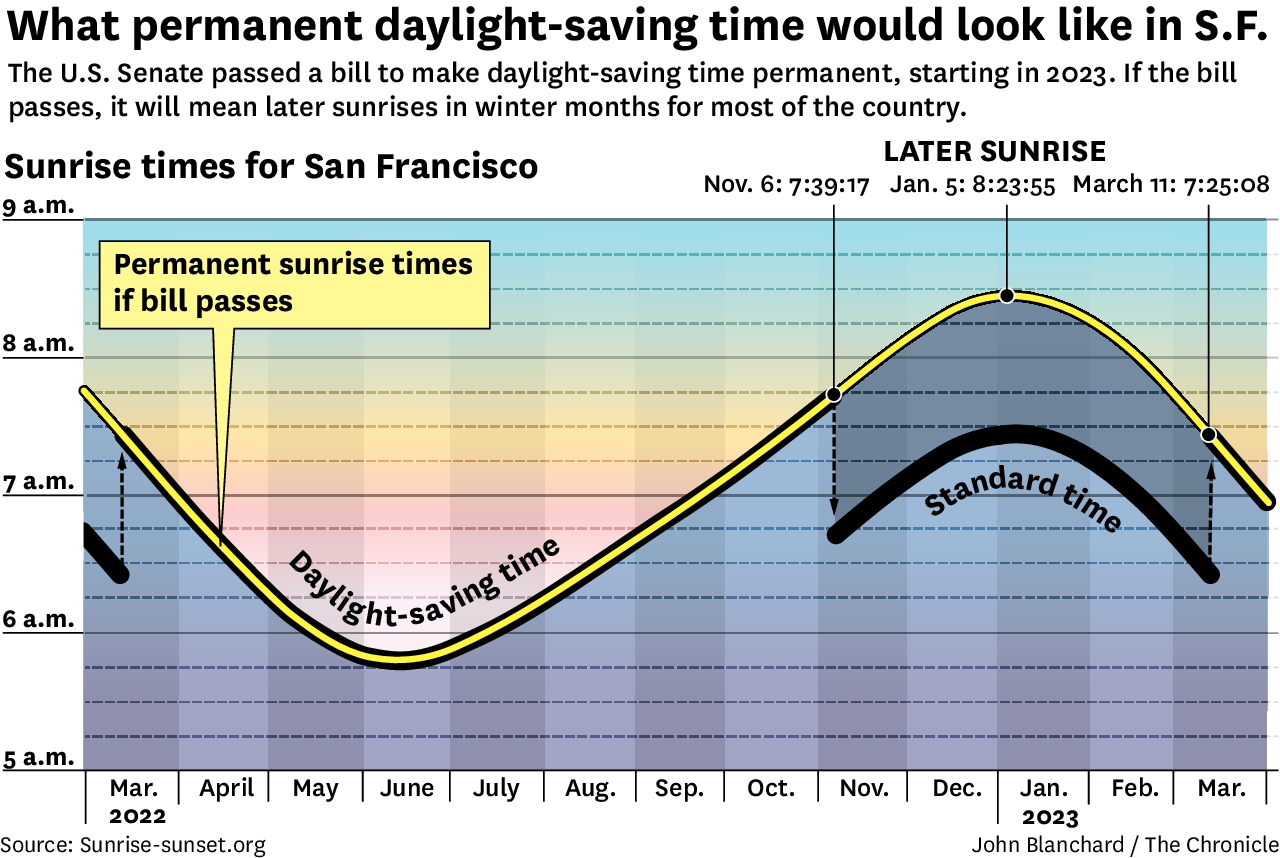
As mentioned, Proposition 7 opened the door for California to potentially eliminate DST. The legislative debate typically revolves around whether to adopt year-round standard time or year-round Daylight Saving Time. Moving to year-round standard time would mean permanently “falling back” to the winter clock, resulting in earlier sunsets throughout the year. Conversely, adopting year-round DST would mean permanently “springing forward,” leading to later sunrises in winter but retaining the longer summer evenings. Each option has proponents and detractors, citing impacts on health, economy, energy, and daily routines. While no immediate changes are expected, the discussion highlights a dynamic environment surrounding timekeeping in California.
Staying Informed for Future Trips
For tourists planning future visits to California, especially those booking well in advance, it is always wise to stay informed about any potential legislative changes regarding Daylight Saving Time. While the current federal law generally requires states to observe DST if they choose to change their time (or remain on standard time year-round), discussions at both state and federal levels continue. Reputable news sources and official state government websites for California are the best places to look for the most current information. Being proactive about checking the status of DST will ensure that any future trips are planned with the most accurate time information, allowing for the smoothest possible travel experience.
In conclusion, understanding when Daylight Saving Time occurs in California is a valuable piece of knowledge for any tourist. By being aware of the “spring forward” and “fall back” dates, anticipating their effects on transportation and activities, and proactively planning, visitors can easily navigate these transitions. Armed with these tips, you can ensure that your California adventure remains an enjoyable and memorable experience, free from unexpected temporal surprises.
LifeOutOfTheBox is a participant in the Amazon Services LLC Associates Program, an affiliate advertising program designed to provide a means for sites to earn advertising fees by advertising and linking to Amazon.com. Amazon, the Amazon logo, AmazonSupply, and the AmazonSupply logo are trademarks of Amazon.com, Inc. or its affiliates. As an Amazon Associate we earn affiliate commissions from qualifying purchases.