
Planning a trip to the magical realm of Orlando is an exciting prospect. Whether you’re dreaming of soaring rollercoasters, immersive theme park adventures, or serene Florida getaways, the “Theme Park Capital of the World” offers something for every traveler. However, when venturing to this popular destination, understanding the local climate, particularly hurricane season, is crucial for a seamless and safe vacation experience. This guide will delve into when hurricane season occurs in Orlando, what to expect, and how to best prepare for your visit.
Understanding the Atlantic Hurricane Season
The Atlantic hurricane season officially runs for six months, from June 1st to November 30th each year. This period is designated by meteorologists and disaster management agencies to encompass the timeframe when tropical cyclone activity is most likely to occur in the Atlantic Ocean, Caribbean Sea, and Gulf of Mexico. While the entire season spans this duration, there are specific months that historically see a heightened risk of storm formation and landfalls.
Peak Hurricane Season in Orlando
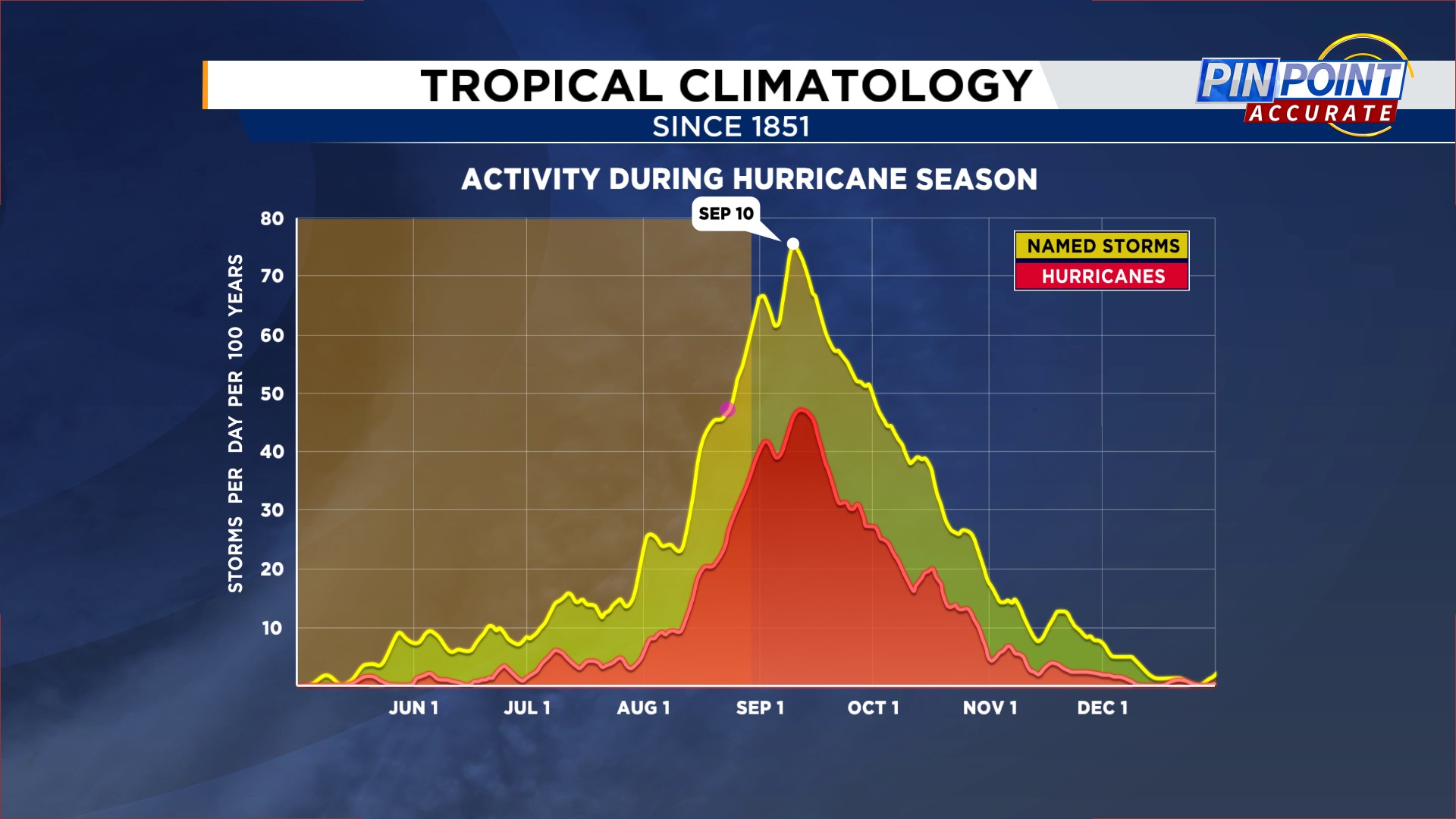
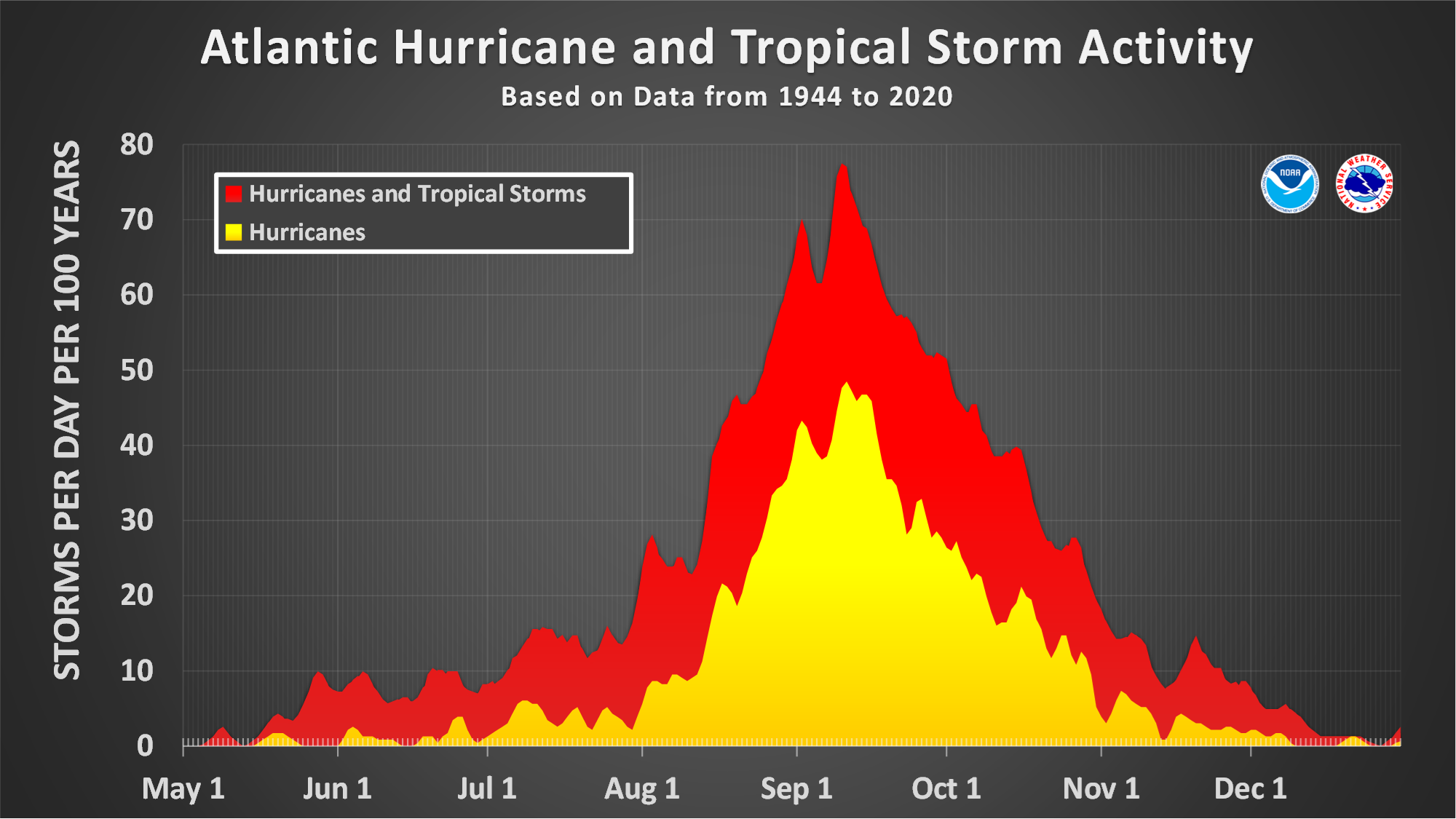
While hurricane season begins in June, the most active and concerning period for storm development in Orlando and the wider Florida region is typically from mid-August through October. During these months, the ocean waters are at their warmest, providing the necessary fuel for tropical systems to form and strengthen.
- August: While the season is underway, August often marks the beginning of increased activity. Storms can form and begin to track towards the United States coastline.
- September: This is historically the most active month for hurricanes in the Atlantic basin. Many of the most powerful and devastating storms have made landfall in September. The combination of warm ocean temperatures and atmospheric conditions creates a perfect storm for hurricane formation.
- October: While activity generally begins to decline after September, October can still see significant tropical storm and hurricane development. Storms in October sometimes have different tracks than those in August and September, posing a threat to areas that may have been less affected earlier in the season.
It’s important to remember that hurricanes can and sometimes do form outside of these peak months, even in June or November. However, focusing on the August-October window is essential for travelers planning a trip during the latter half of the year.
Preparing for Hurricane Season in Orlando
Knowledge is power when it comes to navigating hurricane season. Understanding the risks and having a plan can significantly reduce stress and ensure your safety and the enjoyment of your Orlando vacation.
Travel Planning and Booking Considerations
When booking your Orlando getaway, especially between June and November, it’s wise to factor in hurricane season.
Travel Insurance
Investing in comprehensive travel insurance is highly recommended. Look for policies that specifically cover weather-related cancellations and interruptions. This can protect your non-refundable expenses, such as flights and pre-paid attractions, should a storm force you to alter or cancel your plans. Ensure you understand the policy’s terms and conditions regarding “named storms” and evacuation orders.
Accommodation Choices
The type of accommodation you choose can also play a role in your preparedness.
Resorts and Hotels
Many of Orlando’s world-class resorts and hotels, such as the Walt Disney World Swan, Walt Disney World Dolphin, Universal’s Hard Rock Hotel, and Grande Lakes Orlando, have robust hurricane preparedness plans in place. These often include procedures for guest safety, communication, and, in some cases, special rates or policies for guests affected by storms. Checking the specific cancellation policies and hurricane guidelines directly with your chosen hotel is always a good idea. For those seeking apartments or villas for a longer stay, understanding the rental agreement’s clauses regarding severe weather is paramount.
Flexibility in Travel Dates
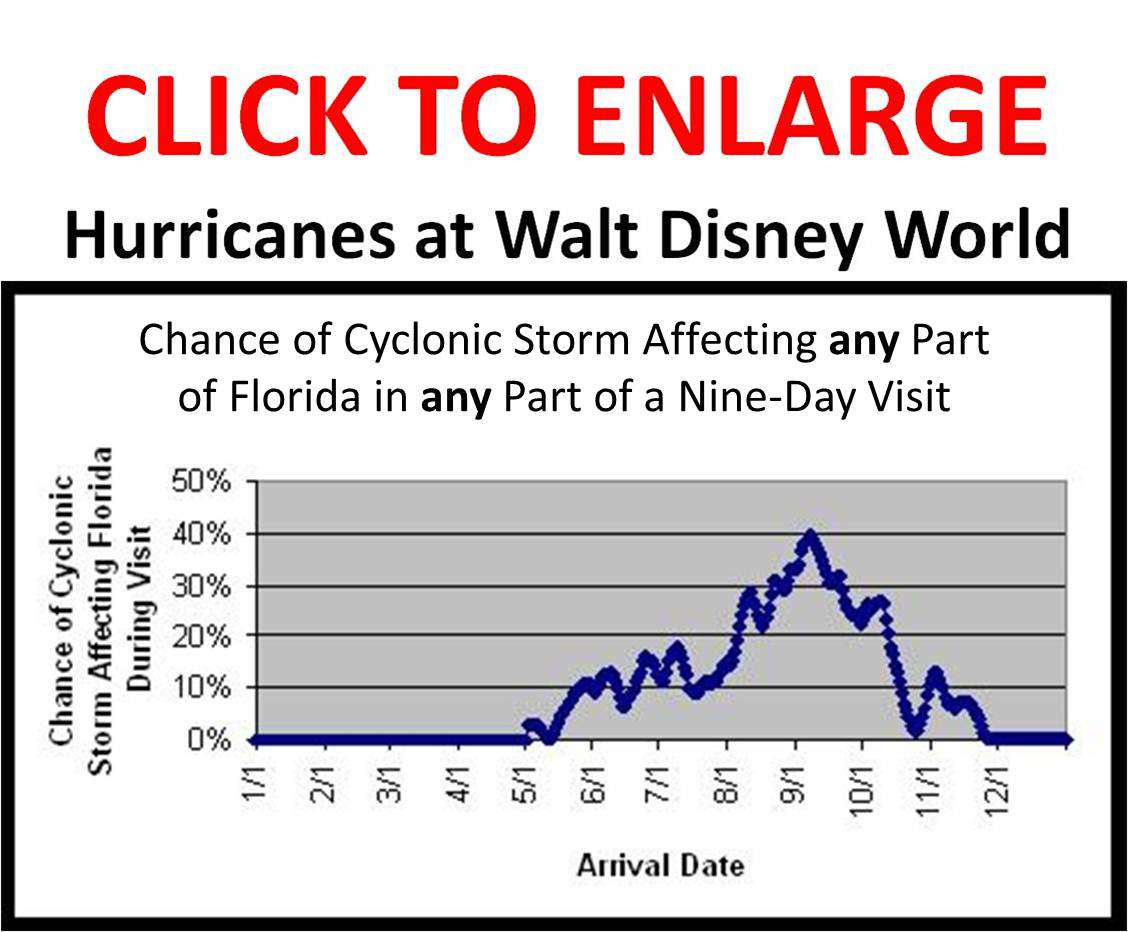
If your schedule allows, consider being flexible with your travel dates. Booking for shoulder seasons, such as late May or early December, can offer pleasant weather with a lower risk of significant storm activity. If you must travel during the peak season, try to book flights and accommodations with flexible cancellation or rebooking options.
During Your Visit: Staying Informed and Safe
If you are in Orlando during hurricane season, staying informed is your most critical tool for safety.
Monitoring Weather Forecasts
The National Hurricane Center (NHC) is the primary source for official hurricane advisories and forecasts. Regularly check their website or reputable weather apps for updates on tropical systems. Local news channels in Orlando will also provide consistent coverage and guidance.
Understanding Advisory Levels
- Tropical Storm Watch: This means tropical storm conditions are possible within the specified area, generally within 48 hours.
- Tropical Storm Warning: This means tropical storm conditions are expected somewhere within the specified area, generally within 36 hours.
- Hurricane Watch: This means hurricane conditions are possible within the specified area, generally within 48 hours.
- Hurricane Warning: This means hurricane conditions are expected somewhere within the specified area, generally within 36 hours.
If a hurricane warning is issued for Orlando, take it seriously. Local authorities will issue evacuation orders if deemed necessary, and it is crucial to comply with these directives.
Evacuation and Shelter Plans
In the event of an evacuation order, follow the instructions of local emergency management officials precisely. Familiarize yourself with designated shelter locations if you are in an area that might be directly impacted. However, for most tourists staying in hotels or resorts, the establishment’s evacuation plan will likely involve moving guests to more secure areas within the property or assisting with off-site evacuation.
Preparing a Go-Bag
Even if you don’t anticipate needing to evacuate, having a small “go-bag” packed can be beneficial. This should include essentials like medications, a change of clothes, essential toiletries, important documents (like your ID and insurance information), a flashlight, batteries, and some non-perishable snacks.
Enjoying Orlando Despite the Risks
It’s important to note that Orlando experiences hundreds of days of sunshine each year, and not every hurricane season brings a direct hit. Many visitors enjoy fantastic vacations without any weather disruptions. The key is to be prepared and flexible.
Experiencing Attractions Safely
Theme parks like Walt Disney World and Universal Orlando Resort have comprehensive safety protocols for severe weather. In the event of a hurricane watch or warning, they will typically close rides, secure outdoor areas, and provide guidance to guests. Often, these parks will remain open as long as it is safe to do so, and they will cease operations well in advance of any significant storm impact. Always check the official websites and social media channels of attractions for the most up-to-date operational status.
Embracing the Local Culture
If weather conditions do cause temporary closures or delays, use it as an opportunity to explore other aspects of Orlando’s vibrant local culture. Discover new restaurants, visit indoor attractions like museums or aquariums, or simply relax and enjoy the amenities at your hotel. The Kennedy Space Center Visitor Complex offers fascinating indoor exhibits, and the numerous shopping outlets provide a perfect way to spend a day indoors.
By understanding when hurricane season is in Orlando and taking proactive steps to prepare, you can significantly enhance the safety and enjoyment of your trip. With careful planning, flexibility, and staying informed, your magical Orlando adventure can be everything you dreamed of, regardless of the weather.
LifeOutOfTheBox is a participant in the Amazon Services LLC Associates Program, an affiliate advertising program designed to provide a means for sites to earn advertising fees by advertising and linking to Amazon.com. Amazon, the Amazon logo, AmazonSupply, and the AmazonSupply logo are trademarks of Amazon.com, Inc. or its affiliates. As an Amazon Associate we earn affiliate commissions from qualifying purchases.