
The idea of encountering wild monkeys might typically evoke images of exotic rainforests or distant lands, yet nestled within the sun-drenched landscapes of the Sunshine State is a surprisingly vibrant and growing population of non-native primates. Florida, a state renowned for its diverse ecosystems and unique wildlife, presents an unexpected habitat for several species of monkeys that have established flourishing colonies far from their ancestral homes. For travelers exploring the natural wonders and unique attractions of Florida, understanding the presence, origins, and impact of these wild monkeys adds an intriguing layer to the state’s already rich tapestry of experiences. From the mischievous antics of Rhesus macaques swinging through riparian forests to the elusive Vervet monkeys foraging in urban fringes, Florida’s primate populations are a testament to adaptation and, at times, a complex ecological challenge. This guide delves into the numbers, locations, and fascinating stories behind Florida’s wild monkey populations, offering insights for curious travelers and wildlife enthusiasts alike.

The Unexpected Primate Populations of the Sunshine State
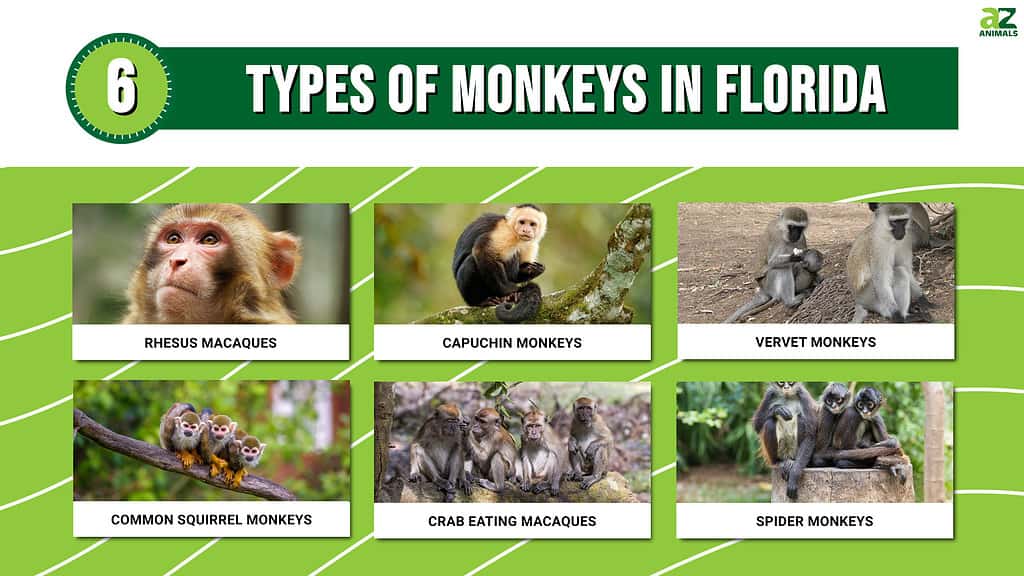
While not indigenous, several monkey species have successfully adapted to Florida’s subtropical climate, establishing self-sustaining populations that continue to draw both fascination and concern. The most prominent of these are the Rhesus macaques and Vervet monkeys, each with distinct stories and geographical concentrations.
Rhesus Macaques: Silver Springs State Park’s Famous Residents
The most well-known and numerous wild monkey population in Florida consists of Rhesus macaques (Macaca mulatta). These highly adaptable primates, native to Asia, have made the area around Silver Springs State Park near Ocala their primary stronghold. Their presence is a direct result of a peculiar historical event in the 1930s.
Estimates of the Rhesus macaque population in Florida vary, but recent studies suggest their numbers have grown significantly. In the early 2000s, there were believed to be a few hundred. By the late 2010s, conservative estimates placed the population at around 200-300 individuals within the Silver Springs area, with some projections indicating up to 400-500 or even higher if dispersed individuals are considered. Their population dynamics are complex, influenced by resource availability, breeding success, and management efforts. These monkeys are highly visible, often seen near the water, making them a unique attraction for visitors exploring the glass-bottom boat tours or kayaking opportunities at Silver Springs State Park. However, their increasing numbers have also led to wider dispersal, with sightings reported in surrounding counties, raising questions about their long-term impact and management.
Vervet Monkeys: A South Florida Enigma
Further south, another fascinating population resides: Vervet monkeys (Chlorocebus pygerythrus). These smaller, arboreal primates, originally from Africa, have established a distinct colony primarily in the residential areas and mangrove fringes around Dania Beach in Broward County. Their story is less clear-cut than the macaques, believed to stem from an escape from a local primate research facility in the 1940s or 1950s.
The Vervet monkey population is considerably smaller and more localized than their macaque counterparts. Studies in the 2010s indicated a core population of roughly 30-40 individuals, though their elusive nature and the fragmented habitat they occupy make precise counting challenging. These monkeys are often seen foraging in backyards, navigating power lines, and utilizing green spaces in a narrow corridor between Fort Lauderdale-Hollywood International Airport and the residential areas of Dania Beach and Hollywood. Their charming presence has made them local celebrities, with a dedicated community group monitoring and advocating for their protection. Despite their small numbers, their sustained existence in an increasingly urbanized environment highlights their remarkable adaptability.
Other Potential Primate Sightings
While Rhesus macaques and Vervet monkeys represent the only established wild breeding populations, Florida’s exotic pet trade and numerous wildlife facilities mean that occasional sightings of other escaped primates, such as Squirrel monkeys or Capuchins, are not unheard of. However, these are typically isolated incidents involving single animals or small groups that fail to establish viable breeding colonies. Therefore, for practical purposes, travelers focusing on encountering wild primates in Florida should direct their attention to the Rhesus macaques in Central Florida and the Vervet monkeys in South Florida.
Origins and Proliferation: How Monkeys Came to Florida
The presence of non-native primates in Florida is not a natural phenomenon but a consequence of human activity, tracing back to a blend of intentional releases and accidental escapes. Understanding these origins is key to grasping the current ecological situation.
The Tarzan Connection at Silver Springs
The story of the Rhesus macaques in Silver Springs is perhaps the most famous and colorful. In the 1930s, a tour boat operator named Colonel Tooey reportedly released a small group of six Rhesus macaques onto an island in the Silver River, believing they would enhance the exotic ambiance for tourists visiting the springs. The popular myth, often repeated, suggested they were intended as props for Tarzan movies filmed in the area, though this connection is largely anecdotal.
Colonel Tooey’s intention was to create an attraction, but his understanding of primate behavior was flawed. He assumed the monkeys would remain confined to the island. What he failed to account for was the macaques’ exceptional swimming abilities. The initial group quickly swam off the island, establishing themselves in the surrounding cypress and hardwood swamps. With no natural predators to keep their numbers in check and an abundant food supply, the population began to grow exponentially. This small initial release laid the foundation for the hundreds of macaques that now inhabit the region, dispersing along the Ocklawaha River system and beyond.
Accidental Escapes and Intentional Releases
While the Silver Springs macaques are the result of a deliberate, albeit misguided, release, the origins of Florida’s other primate populations are more varied. The Vervet monkeys of Dania Beach are believed to be descendants of a group that escaped from a local research facility near Fort Lauderdale-Hollywood International Airport sometime in the mid-20th century. These primates, likely used for medical or behavioral studies, found an opportunity for freedom and adapted remarkably well to the unique blend of suburban and natural habitats of South Florida.
Beyond these two established colonies, the occasional sightings of other non-native primates across Florida can be attributed to several factors: escapes from exotic pet owners, releases from roadside zoos or private collections, or even individuals intentionally abandoning pets. Florida’s warm climate and year-round vegetation make it a hospitable environment for many species, and without strong enforcement or public awareness, such incidents contribute to the ongoing challenge of invasive species management. However, the vast majority of these isolated releases do not result in viable breeding populations, highlighting the unique circumstances that allowed the Rhesus macaques and Vervet monkeys to thrive.
The Ecological Impact and Conservation Challenges
The presence of non-native species, especially primates, in any ecosystem raises significant ecological and public health concerns. Florida’s wild monkeys are no exception, presenting a complex challenge for conservationists and wildlife managers.
Threats to Native Ecosystems
Rhesus macaques are highly opportunistic omnivores and their diet can include native plants, fruits, insects, and even the eggs and nestlings of native birds. As their population expands, so does their potential impact on Florida’s delicate ecosystems. They compete with native wildlife, such as raccoons and opossums, for food resources and habitat. Their foraging behavior can also damage vegetation, potentially altering plant communities and impacting the food web for other species. While the impact of the smaller, more localized Vervet monkey population is less widespread, localized competition for resources and potential habitat alteration remain concerns, especially in urban environments where green spaces are limited.
Disease Transmission Concerns (Herpes B Virus)
One of the most significant and pressing concerns associated with wild Rhesus macaques is their potential to transmit diseases to humans and other animals. A notable pathogen carried by a significant portion of Rhesus macaques is Herpes B virus (Macacine herpesvirus 1). While generally asymptomatic in monkeys, Herpes B virus can be fatal to humans if transmitted, typically through bites, scratches, or contact with monkey saliva or feces. Though human infections are rare, the severity of the disease means it’s a constant concern for public health officials, particularly as macaques increasingly interact with people in popular recreational areas like Silver Springs State Park.
Management Strategies and Ethical Dilemmas
Managing Florida’s wild monkey populations presents a considerable ethical and practical dilemma. Early attempts to control macaque numbers at Silver Springs through trapping and removal were met with public opposition. The Florida Fish and Wildlife Conservation Commission (FWC) has explored various strategies, including contraception programs and targeted removal, but sustained, effective solutions are challenging due to the monkeys’ intelligence, high reproductive rates, and public sentiment. For the Vervet monkeys of Dania Beach, management has largely focused on monitoring and co-existence, given their smaller numbers and unique urban habitat. Any management plan must balance ecological imperatives, public safety, and the ethical considerations of managing a charismatic animal that many residents and tourists find appealing.
Where to See Wild Monkeys in Florida (and Responsible Viewing)
For travelers interested in this unique aspect of Florida’s wildlife, there are specific locations where encounters are possible, coupled with strict guidelines for responsible and safe viewing.
Observing Rhesus Macaques at Silver Springs State Park
The most reliable place to observe wild Rhesus macaques is within and around Silver Springs State Park, near Ocala. Visitors taking the famous glass-bottom boat tours or kayaking along the Silver River often spot troops of monkeys in the trees along the banks. Early mornings and late afternoons are typically the best times for sightings when the monkeys are most active. While exciting, it’s crucial to maintain a respectful distance. The FWC and park authorities strongly advise against feeding, approaching, or interacting with the macaques due to their wild nature and the risk of disease transmission. Observe from a distance with binoculars or a telephoto lens, and never entice them with food, as this habituates them to humans and can lead to aggressive encounters.
The Elusive Vervets of Dania Beach
Spotting the Vervet monkeys in Dania Beach requires a different approach, as they inhabit a more fragmented, urbanized landscape. Their primary habitat is a narrow strip of mangroves and suburban green spaces between Fort Lauderdale-Hollywood International Airport and the residential areas of Dania Beach. Sightings are less guaranteed than at Silver Springs and often occur opportunistically as they forage through yards or cross streets. Local residents are often the best source of information regarding recent sightings. Again, maintaining distance and absolutely refraining from feeding or attempting to interact with these monkeys is paramount for both their safety and yours. They are a beloved local curiosity, and responsible behavior helps ensure their continued, albeit precarious, existence.
Guidelines for Responsible Wildlife Encounters
Regardless of the species, responsible wildlife viewing is critical for the safety of both humans and animals. When encountering Florida’s wild monkeys:
- Never Feed Them: This is the most important rule. Feeding monkeys habituates them to humans, makes them dependent, and can lead to aggressive behavior when they don’t get food. It also disrupts their natural diet and foraging behaviors.
- Maintain Distance: Keep a safe and respectful distance. Monkeys are wild animals, and their behavior can be unpredictable. The FWC recommends staying at least 30 feet away from macaques.
- Do Not Approach: Do not try to get closer for a better photo or to interact. This can be perceived as a threat and provoke a defensive response.
- Secure Food and Belongings: If you are in an area known for monkeys, keep all food out of sight and secure your belongings, as monkeys are opportunistic and will snatch anything they perceive as food.
- Report Concerns: If you observe sick, injured, or unusually aggressive monkeys, report it to the Florida Fish and Wildlife Conservation Commission (FWC).
The Future of Florida’s Wild Monkeys
The story of Florida’s wild monkeys is far from over. As populations continue to grow and expand, so do the debates surrounding their long-term presence and management.
Ongoing Research and Monitoring Efforts
Scientific research is crucial for understanding the exact numbers, distribution, reproductive rates, and ecological impacts of these non-native primates. Researchers from various universities and state agencies continue to monitor the populations, studying their genetics, health, and interactions with native species. This data is vital for informing future management decisions, aiming to find solutions that protect both the monkeys and Florida’s native biodiversity. Advances in contraception and humane trapping methods are constantly being evaluated as potential tools.

Coexistence and Public Awareness
Ultimately, the future of wild monkeys in Florida may hinge on a delicate balance between management efforts and public awareness. For the Vervet monkeys of Dania Beach, local efforts focus on peaceful coexistence, educating residents about responsible interactions and the importance of not feeding them. For the Rhesus macaques, public education about the risks of disease transmission and the ecological harm of invasive species is paramount. As travelers visit Florida seeking unique experiences, they play a role in this future by adhering to responsible wildlife viewing practices, respecting these fascinating creatures from a distance, and understanding the complex ecological story they represent. The wild monkeys of Florida are a truly extraordinary, albeit unintended, attraction, adding an unexpected wild dimension to the state’s diverse natural allure.
LifeOutOfTheBox is a participant in the Amazon Services LLC Associates Program, an affiliate advertising program designed to provide a means for sites to earn advertising fees by advertising and linking to Amazon.com. Amazon, the Amazon logo, AmazonSupply, and the AmazonSupply logo are trademarks of Amazon.com, Inc. or its affiliates. As an Amazon Associate we earn affiliate commissions from qualifying purchases.