
For anyone considering a long-term stay in the Sunshine State, whether as a permanent resident, a snowbird, or an investor in a vacation rental property, understanding the nuances of property acquisition and maintenance is paramount. Among the critical steps in securing accommodation in Florida is the often-required 4-point inspection. This isn’t just a bureaucratic hurdle; it’s a vital assessment that can profoundly impact your ability to insure and maintain your chosen residence, safeguarding your long-term investment and ensuring peace of mind.
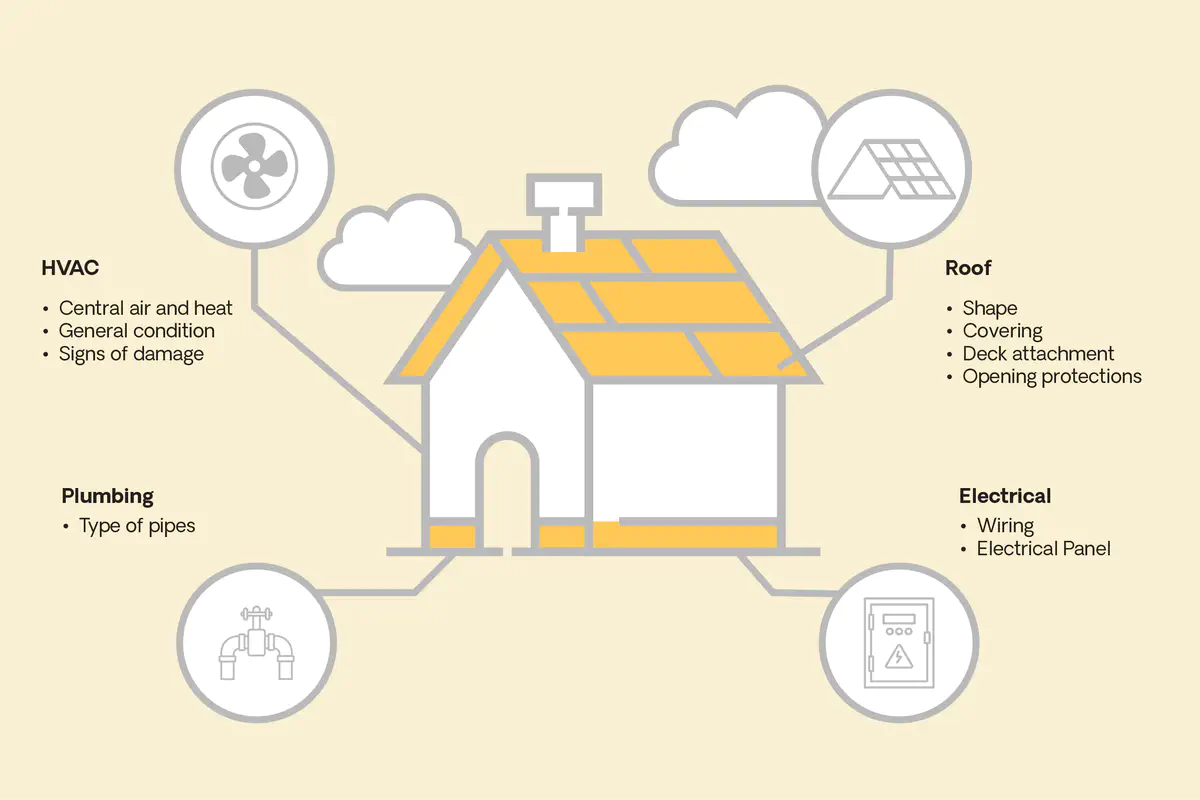
A 4-point inspection specifically examines the four most critical systems of a residential property: the HVAC (heating, ventilation, and air conditioning), electrical, plumbing, and roofing systems. Unlike a comprehensive home inspection, which delves into every accessible aspect of a property, the 4-point inspection provides insurers with a concise overview of the property’s major components, particularly their age, condition, and remaining useful life. This specialized assessment is particularly relevant in Florida due to its unique climate, the prevalence of older homes, and the complexities of its insurance market.
Understanding the Imperative of a 4-Point Inspection for Florida Accommodation
The decision to settle in Florida for an extended period often involves acquiring property. Unlike transient stays, long-term accommodation implies a deeper commitment and a need for greater stability and security in your living arrangements. This is precisely where the 4-point inspection becomes indispensable, acting as a critical gateway to property ownership and stable living.
The Core Purpose: Protecting Your Long-Term Stay Investment
When you invest in a home, whether a cozy bungalow in St. Petersburg or a sprawling villa in Naples, you’re not just buying bricks and mortar; you’re securing a significant portion of your financial future and a place to call home for years to come. The 4-point inspection serves as a proactive measure to identify potential issues with the property’s core systems that could lead to costly repairs, safety hazards, or even structural damage. Without this insight, you risk inheriting problems that could diminish the value of your accommodation and disrupt your long-term plans.
For insurance providers, the inspection serves as a risk assessment tool. They want to ensure that the property they are insuring is not an imminent hazard. A property with an aging roof, outdated electrical wiring, or leaky plumbing represents a higher risk of claims related to water damage, fire, or structural failure. By requiring a 4-point inspection, insurance companies aim to mitigate these risks, which in turn influences the availability and cost of homeowners insurance – a non-negotiable for most mortgage lenders and a wise choice for any property owner.
Why Florida Specifically? Insurance and Age of Homes
Florida’s unique geographical and demographic characteristics make 4-point inspections especially pertinent. The state is prone to severe weather events, including hurricanes and tropical storms, which can put significant stress on a home’s structural integrity, especially its roof. Consequently, insurance providers in Florida are notoriously cautious. Properties built before 2002, when stricter building codes (particularly for roofs) were implemented statewide, are almost universally required to undergo this inspection.
Furthermore, Florida has a vast inventory of older homes, particularly in established cities like Miami, Tampa, and Orlando. These homes, while often charming and well-located, frequently feature original or older systems that may not meet current safety standards or have reached the end of their functional lifespan. The electrical systems might be knob-and-tube or fuse boxes, plumbing could be galvanized steel, and HVAC units might be decades old. An inspector assesses these systems to determine if they are in good working order, have any apparent defects, or if their condition suggests a high probability of failure, all of which directly impact insurability and the long-term viability of the property as a comfortable, safe accommodation.
The Four Pillars: What the Inspection Covers
A 4-point inspection is precisely named because it focuses on four distinct areas crucial to the safety, function, and habitability of your Florida accommodation. Each system is evaluated for its current condition, age, and any red flags that might deter an insurer or signal impending issues for a homeowner.
HVAC (Heating, Ventilation, and Air Conditioning) System
Given Florida’s consistently warm climate, a reliable HVAC system isn’t a luxury; it’s a necessity for comfortable long-term living. The inspector will assess the unit(s) for operational status, age, signs of proper maintenance, and any visible damage or leaks. Key components checked include the compressor, condenser, evaporator coil, and ductwork. An old or poorly maintained system can be inefficient, costly to run, and prone to breakdown, impacting indoor air quality and comfort, and potentially leading to mold issues in a humid environment. Insurers want to know that the heating and cooling systems are safe and functional, reducing the risk of fire from faulty heating components or water damage from condensation issues.
Electrical System
The electrical system is paramount for safety and modern living. Inspectors examine the main electrical panel (breaker box), wiring type (e.g., copper, aluminum, knob-and-tube), and the presence of any obvious hazards such as exposed wiring, loose connections, or overloaded circuits. The age and type of the electrical panel are particularly scrutinized; older panels (like certain Federal Pacific or Zinsco brands) are often flagged as potential fire hazards. Proper grounding and adequate amperage are also important. An outdated or faulty electrical system poses a significant fire risk and can also limit a property’s ability to support contemporary appliances and electronics, making it less suitable for a long-term stay.
Plumbing System
Water damage is a leading cause of insurance claims, making the plumbing system a critical focus. The inspection covers visible pipes (supply lines and drains), water heaters, and fixtures for leaks, corrosion, and proper drainage. The type of piping material is also noted; for instance, galvanized steel pipes are prone to corrosion and reduced water flow over time, while polybutylene pipes are known for their high failure rate. The age of the water heater is also important as older units are more likely to fail and cause flooding. A robust, leak-free plumbing system is essential to prevent costly water damage, mold growth, and ensure a reliable water supply for comfortable accommodation.
Roofing System
The roof is a property’s primary defense against Florida’s intense sun and frequent storms. The inspector assesses the roof’s material (shingle, tile, metal), its age, and its overall condition, looking for signs of wear and tear such as missing or damaged shingles, cracks, sagging, or water intrusion. They estimate the roof’s remaining useful life. A roof nearing the end of its life or showing significant damage is a major concern for insurers, as it significantly increases the risk of water damage and structural issues during severe weather. Many insurance companies will not issue a policy if a roof has less than 3-5 years of estimated remaining life, directly affecting your ability to secure long-term accommodation.
When and Why You Need a 4-Point Inspection for Your Florida Home
Knowing what a 4-point inspection entails is one thing; understanding when it’s required and why is another crucial piece of the puzzle for anyone navigating the Florida property market.

Securing Homeowners Insurance for Older Properties
This is the most common and compelling reason for a 4-point inspection. If you’re purchasing a home in Florida that is 10 years old or older, virtually every insurance company will require this inspection before issuing a new homeowners policy. For homes 30 years or older, it’s almost a certainty. Without a favorable 4-point report, securing insurance can be impossible or prohibitively expensive, making mortgage approval difficult or even impossible, and leaving your investment vulnerable. The inspection helps the insurer determine if the property meets their underwriting standards for risk.
The Purchase Process: A Due Diligence Essential
Even if an insurance company doesn’t strictly mandate it (which is rare for older homes), a 4-point inspection is an invaluable part of your due diligence when buying long-term accommodation. It provides clear, documented evidence of the condition of the home’s most vital systems. This information can empower you to negotiate repairs with the seller, adjust your offer, or even decide if the property is truly suitable for your long-term needs, especially if major system overhauls are imminent. It protects you from unforeseen expenses shortly after moving in.
Renewing Insurance or Changing Providers
It’s not just new purchases that trigger the need for a 4-point inspection. If you’ve owned your Florida home for a significant period (e.g., 10-15 years or more) and your insurance company requests an updated inspection, or if you decide to switch insurance providers, a 4-point inspection will likely be required. Insurers want current information on the property’s condition to reassess their risk, especially as systems age. This ensures that your accommodation remains insurable at competitive rates throughout your tenure.
The Inspection Process and Report: What to Expect
Navigating the 4-point inspection process can seem daunting, but understanding the steps, from selecting an inspector to interpreting the report, can make it a smooth experience crucial for securing your Florida accommodation.
Selecting a Qualified Inspector in Florida
It is crucial to choose a licensed and experienced home inspector who is familiar with Florida’s specific building codes and insurance requirements. Look for inspectors who are certified by reputable organizations and who specifically advertise their expertise in 4-point inspections. Ask for samples of their reports and ensure they are recognized by major Florida insurance carriers. Recommendations from real estate agents or mortgage brokers familiar with the local market can also be helpful, but always perform your own due diligence.
What the Report Delivers and How to Interpret It
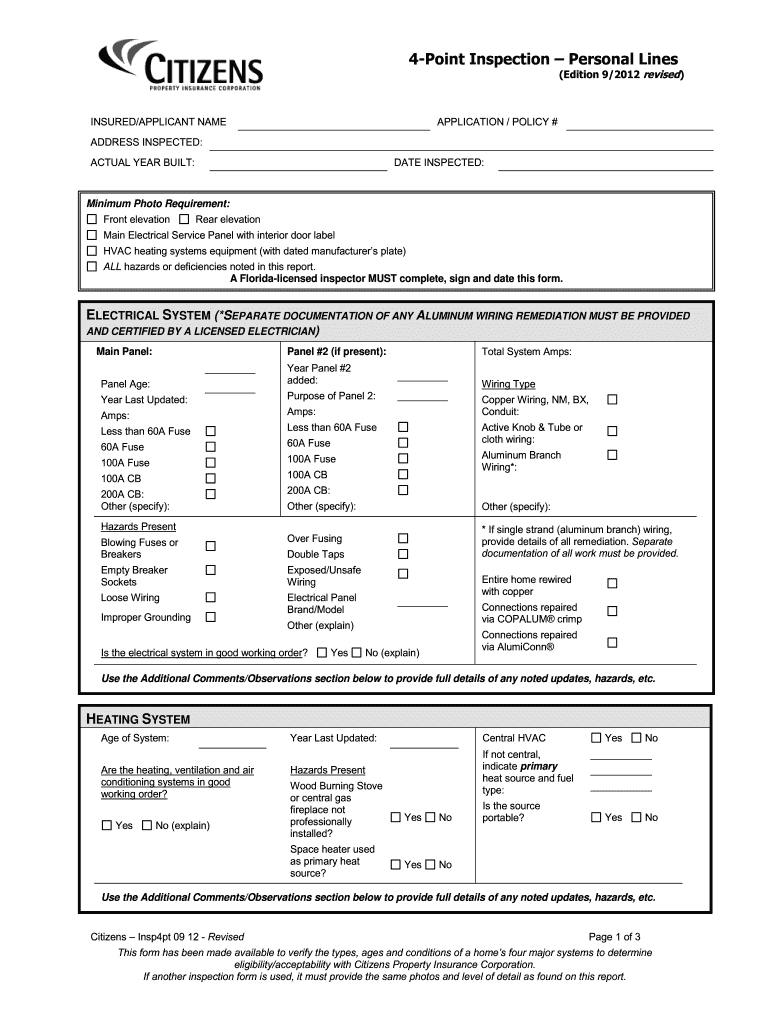
The 4-point inspection report is a concise document, typically 1-3 pages, featuring a checklist and often including photographs. It will detail the condition, age, and estimated remaining useful life for each of the four systems. It will clearly state whether each system is “acceptable,” “needs repair/maintenance,” or “needs replacement.” The report is specifically designed to provide insurance companies with the information they need to make an underwriting decision. It’s not a full home inspection, so it won’t detail every minor issue, but it will highlight critical areas of concern. Pay close attention to any system marked as needing repair or replacement, as these are the items that will likely delay or prevent you from obtaining insurance.
Addressing Deficiencies and Moving Forward
If the report identifies deficiencies, don’t panic. These issues can often be remedied. For instance, a leaky faucet might require a simple repair, or an aging electrical panel might need an upgrade. You’ll typically need to arrange for a licensed contractor to perform the necessary repairs or replacements. Once the work is completed, the original inspector (or sometimes a different one) may need to conduct a re-inspection or you may need to submit invoices and photos of the completed work to your insurance company. Addressing these issues promptly is vital to secure your homeowners insurance and proceed with your long-term accommodation plans.
Long-Term Implications for Your Florida Accommodation
The 4-point inspection is more than just a momentary hurdle; it has lasting implications for your property ownership experience in Florida. It’s a foundational step that influences everything from daily living to future financial planning.
Peace of Mind and Property Value
Successfully passing a 4-point inspection and addressing any identified issues provides immense peace of mind. Knowing that the core systems of your Florida accommodation are in good working order reduces the likelihood of unexpected breakdowns and major emergencies. Furthermore, maintaining these systems not only ensures a comfortable living environment but also contributes to the property’s overall value. A well-maintained home with updated systems is more attractive to future buyers and can command a higher resale price, safeguarding your investment.
Budgeting for Maintenance and Upgrades
The inspection report can also serve as a valuable tool for long-term financial planning. By identifying systems that are nearing the end of their useful life, it allows you to anticipate and budget for future maintenance or upgrades. For example, if the roof has only 5 years of life remaining, you can start saving for a replacement. This proactive approach prevents costly surprises and ensures you can sustain your long-term stay without undue financial stress. Understanding these timelines is crucial for responsible homeownership.
Navigating Insurance Premiums and Coverage
Ultimately, a favorable 4-point inspection directly impacts your insurance premiums and coverage options. A home with well-maintained, newer systems is generally considered lower risk, potentially leading to more competitive insurance rates. Conversely, a property with several older or deficient systems might face higher premiums or even be uninsurable by certain carriers. By understanding and proactively managing the condition of your home’s four key systems, you can better navigate the complex Florida insurance market, ensuring continuous, affordable coverage for your valuable accommodation.
In conclusion, the 4-point inspection is an essential component of purchasing and maintaining long-term accommodation in Florida. It serves as a protective measure for both homeowners and insurance providers, ensuring the safety, functionality, and insurability of residential properties. By understanding its purpose, scope, and implications, you can confidently navigate the process and secure a comfortable, worry-free long-term stay in the beautiful Sunshine State.
LifeOutOfTheBox is a participant in the Amazon Services LLC Associates Program, an affiliate advertising program designed to provide a means for sites to earn advertising fees by advertising and linking to Amazon.com. Amazon, the Amazon logo, AmazonSupply, and the AmazonSupply logo are trademarks of Amazon.com, Inc. or its affiliates. As an Amazon Associate we earn affiliate commissions from qualifying purchases.