
Understanding the taxation of bonuses in Florida is more than just a matter of compliance; it’s a critical component of strategic financial planning that directly impacts one’s lifestyle. Whether you’re a long-time resident or considering a move to the Sunshine State, grasping how your supplemental income is taxed can unlock greater financial flexibility for everything from luxury travel to smart investments in your future. While Florida boasts a unique state tax environment, federal tax rules still apply to bonuses, making a comprehensive understanding essential for maximizing your net earnings and enhancing your overall lifestyle.

Understanding Bonus Taxation: A Key to Lifestyle Planning in Florida
Bonuses often represent a significant windfall, a recognition of hard work, and a boost to your financial standing. However, the excitement of a bonus check can quickly turn to confusion when you see the deductions. In the context of lifestyle planning in Florida, knowing how these funds are taxed determines how much discretionary income you truly have available for enriching experiences, significant purchases, or securing your financial future.
The Federal Withholding Landscape for Supplemental Wages
At the core of bonus taxation in the United States are the federal rules governing supplemental wages. The Internal Revenue Service (IRS) generally categorizes bonuses as supplemental wages, alongside commissions, severance pay, and overtime. Unlike regular wages, which are subject to standard income tax withholding calculations based on your W-4 form, supplemental wages often face different withholding methods. Employers typically have two primary methods for withholding federal income tax from bonuses: the percentage method and the aggregate method.
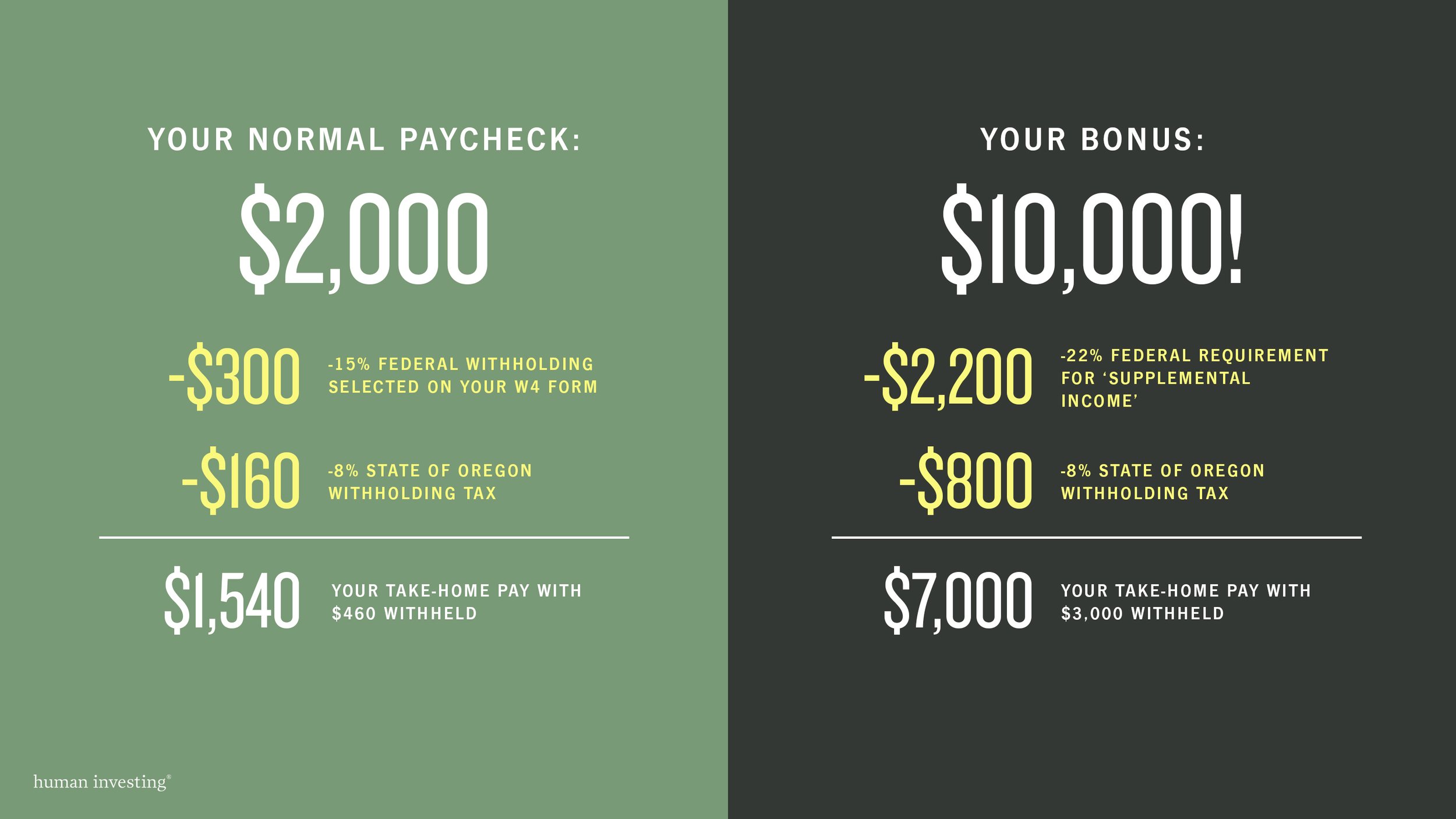
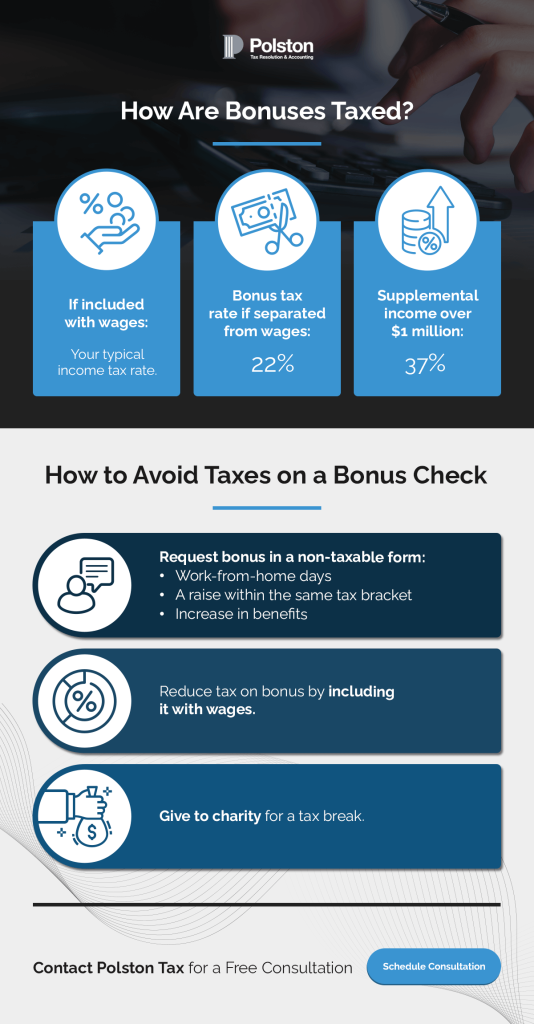
Under the percentage method, if an employer pays a bonus separately from regular wages, or identifies it separately, they can withhold a flat 22% federal income tax rate on amounts up to $1 million within a calendar year. This flat rate is often what surprises bonus recipients, as it can feel higher than their usual marginal tax rate. For bonuses exceeding $1 million in a calendar year, the mandatory withholding rate jumps to 37%, regardless of your actual tax bracket. This method is straightforward for employers and often results in a significant portion of the bonus being withheld immediately.
The aggregate method involves combining the bonus with your regular wages for a pay period and then calculating the tax withholding as if the total amount were regular wages. This method can sometimes result in different withholding amounts compared to the percentage method, depending on the individual’s W-4 elections and the pay period frequency. However, regardless of the method used for withholding, the bonus is ultimately taxed at your ordinary income tax rate when you file your annual tax return. The withholding is simply an estimate, and you may receive a refund or owe more tax depending on your overall income and deductions.
Florida’s Unique State Tax Environment (No State Income Tax)
One of the most attractive aspects of living and working in Florida, significantly impacting personal financial planning and lifestyle choices, is the absence of a state income tax. This is a monumental advantage when it comes to bonus taxation. While residents in many other states see a portion of their bonus siphoned off by state income taxes on top of federal taxes, Floridians do not. This means that a higher percentage of your bonus, after federal withholding, remains in your pocket.
This unique tax structure directly translates into more disposable income. For example, a bonus recipient in New York might face significant state and city income taxes on their bonus, reducing its net value considerably. A similar recipient in Florida, however, would only contend with federal taxes, leaving them with more funds to allocate toward their desired lifestyle—be it investing in real estate in Miami, funding a dream vacation, or saving for retirement. This advantage cannot be overstated when considering the real-world impact of a bonus on your personal finances.
Why Bonuses Matter for Your Financial Lifestyle
Bonuses are more than just extra money; they are opportunities. The net amount of your bonus, after taxes, can be strategically deployed to elevate your lifestyle or accelerate your financial goals.
- Funding Experiences: A well-taxed bonus can fund luxury travel, family trips to Orlando’s theme parks, or business stays that combine work with leisure.
- Investments: It can be channeled into investment portfolios, down payments on homes in burgeoning areas like Tampa, or contribute to a child’s education fund.
- Debt Reduction: For those focused on financial freedom, a bonus can be a powerful tool for paying down high-interest debt, freeing up future cash flow for lifestyle enhancements.
Understanding the tax implications upfront allows for proactive budgeting and planning, ensuring that these opportunities are maximized rather than diminished by unexpected tax liabilities.
Navigating Federal Tax Implications for Your Florida Bonus
While Florida’s lack of state income tax simplifies things, federal tax rules remain complex. Delving deeper into these implications is crucial for Floridians looking to optimize their bonus earnings for a richer lifestyle.
The Percentage Method vs. The Aggregate Method: A Deeper Dive
As mentioned, employers typically choose between the percentage method and the aggregate method for withholding.
- Percentage Method (Flat 22%): This is the most common method for bonuses and often leads to the perception that bonuses are “taxed higher.” While 22% is a flat withholding rate, it’s crucial to remember this is not necessarily your actual tax rate. If your marginal tax rate is lower than 22%, you’ll likely receive a refund for the over-withheld amount when you file your tax return. If your marginal rate is higher, you might owe additional tax. This method provides predictability for employers but can lead to a temporary over-withholding for employees.
- Aggregate Method: When an employer combines a bonus with regular wages, the withholding calculation treats the total as a single payment. This method takes into account your W-4 elections (marital status, number of dependents, other adjustments). While it might result in a withholding amount closer to your actual tax liability, it can also lead to under-withholding if your W-4 isn’t perfectly calibrated for fluctuating income.
The key takeaway is that withholding is an estimate. The actual tax you pay on your bonus is determined by your total annual income, deductions, and credits when you file your federal income tax return. Understanding this distinction can alleviate the initial shock of a large withholding and enable better year-end financial planning.
Impact of Bonus Size on Withholding
The size of your bonus plays a significant role in federal withholding. For bonuses exceeding $1 million in a calendar year, the mandatory withholding rate becomes 37%. This higher rate is designed to ensure that very high-income earners pay a substantial portion of their tax liability throughout the year. For individuals receiving such substantial bonuses, strategic tax planning, often with the help of a professional, becomes paramount to manage the cash flow and ensure compliance without undue burden. Even for smaller bonuses, recognizing that the 22% flat rate might over-withhold can influence how you budget your post-bonus funds.
Common Misconceptions About Bonus Tax Rates
Many people mistakenly believe that bonuses are taxed at a higher rate than regular income. This isn’t true. All income, including bonuses, is ultimately taxed at your marginal income tax rates. The perception of higher taxation stems from the flat 22% withholding rate used for many bonuses, which can be higher than an individual’s effective tax rate or even their marginal rate for those in lower tax brackets. This is a crucial distinction for lifestyle planning: don’t let the initial withholding percentage deter you from planning how to utilize the full, net value of your bonus after your annual tax reconciliation.
Maximizing Your Net Bonus: Strategies for the Florida Lifestyle
Given Florida’s tax advantages, residents have an even greater incentive to optimize their bonus earnings. Strategic planning can help maximize the portion of your bonus that you can dedicate to your desired lifestyle.
Retirement Contributions and Pre-Tax Deductions
One of the most effective ways to reduce your taxable income, and thus the tax liability on your bonus, is to contribute to pre-tax retirement accounts like a 401(k) or traditional IRA. If your employer allows, you might be able to direct a portion of your bonus directly into your 401(k), reducing your taxable income in the year the bonus is received. This strategy not only lowers your current tax bill but also boosts your retirement savings, securing your future lifestyle. Similarly, increasing contributions to Health Savings Accounts (HSAs) can offer a triple tax advantage (tax-deductible contributions, tax-free growth, and tax-free withdrawals for qualified medical expenses).
Understanding Your Paycheck Stub
Your paycheck stub is a vital financial document that provides a breakdown of your gross pay, deductions, and net pay. When you receive a bonus, scrutinize the stub. It will clearly show the federal income tax withheld, along with FICA taxes (Social Security and Medicare), which are always applied to bonuses just as they are to regular wages. Understanding these line items helps you accurately gauge the immediate impact of taxation and plan for any year-end adjustments.
Year-End Tax Planning for Optimal Lifestyle Budgeting
Proactive tax planning, especially toward the end of the year, can help you manage your bonus’s tax impact. If you know a bonus is coming, or if you’ve already received one with significant withholding, you can adjust your W-4 for subsequent paychecks to reduce future withholding, balancing out any over-withholding from the bonus. Alternatively, if you anticipate a large tax bill due to high income and a bonus, you can make estimated tax payments to avoid underpayment penalties. Consulting a tax professional can provide personalized strategies to ensure your financial choices align with your lifestyle goals, whether that’s funding a major purchase or planning a sabbatical.
The Broader Lifestyle Impact of Bonus Earnings in Florida
The absence of state income tax in Florida magnifies the lifestyle impact of bonus earnings. Every dollar saved on state taxes is a dollar that can be reinvested into your life.
Funding Florida Experiences: From Miami to Orlando
With more of your bonus staying in your pocket, the opportunities for experiencing the best of Florida become more accessible. Imagine using your bonus to:
- Enjoy a luxury weekend getaway to Miami’s vibrant South Beach, complete with fine dining and cultural excursions.
- Treat your family to an extended vacation at the world-renowned theme parks in Orlando, creating unforgettable memories.
- Explore the natural beauty of the Florida Keys, embarking on diving or fishing adventures.
- Invest in hobbies, such as boating in Tampa Bay or golfing at one of the state’s championship courses.
The enhanced net value of your bonus directly translates into greater capacity for these enriching experiences.
Investing in Your Florida Dream Home or Vacation Property
For many, a bonus provides the crucial extra capital needed to achieve significant lifestyle milestones. In Florida’s dynamic real estate market, a substantial bonus can contribute to a down payment on a dream home, a vacation property, or even an investment property in cities like Jacksonville. The absence of state income tax means more of that bonus can be directed towards these long-term assets, building wealth and enhancing your living situation or future retirement plans.
Planning for Future Travel and Leisure
Beyond immediate gratification, a well-managed bonus can be foundational for long-term lifestyle planning. Saving or investing your bonus can create a dedicated fund for future travel, allowing you to plan more ambitious international trips or extended periods of leisure. This strategic approach ensures that bonuses contribute not just to current desires but also to a sustainable, fulfilling lifestyle for years to come.
Seeking Expert Advice for Your Florida Financial Future
Navigating the intricacies of taxation, even in a state with no income tax like Florida, can be complex. For optimal results, seeking professional guidance is often the wisest course of action.
When to Consult a Tax Professional
It’s highly advisable to consult a qualified tax professional or financial advisor if:
- You receive a particularly large bonus, especially one exceeding the $1 million threshold.
- You have complex financial situations, such as self-employment income, multiple income streams, or significant investments.
- You are unsure about the best strategies for allocating your bonus to meet both short-term lifestyle desires and long-term financial goals.
- You want to optimize your W-4 elections to prevent over or under-withholding throughout the year.
A professional can offer tailored advice, ensuring you comply with tax laws while maximizing your net bonus for your unique lifestyle needs in Florida.
The Value of Proactive Financial Planning
Ultimately, understanding how bonuses are taxed in Florida empowers you to engage in proactive financial planning. By knowing what to expect, and by implementing smart strategies for managing your supplemental income, you can ensure that your hard-earned bonuses significantly contribute to, rather than complicate, your desired lifestyle. From enjoying the vibrant culture of Miami to securing your financial future, intelligent bonus taxation management is a cornerstone of a well-lived life in the Sunshine State.
LifeOutOfTheBox is a participant in the Amazon Services LLC Associates Program, an affiliate advertising program designed to provide a means for sites to earn advertising fees by advertising and linking to Amazon.com. Amazon, the Amazon logo, AmazonSupply, and the AmazonSupply logo are trademarks of Amazon.com, Inc. or its affiliates. As an Amazon Associate we earn affiliate commissions from qualifying purchases.