
Florida, the Sunshine State, is renowned for its stunning beaches, vibrant theme parks, and a lifestyle that attracts millions of visitors and new residents each year. For many considering a move or extended stay, understanding the financial landscape is crucial. A significant factor in this equation is income tax. Fortunately for many, Florida stands out as one of the few states in the United States that does not impose a state income tax on its residents. This absence of a state-level income tax can translate into substantial savings for individuals and families, making the allure of living or vacationing in Florida even stronger.
This unique fiscal advantage has played a significant role in Florida’s population growth and economic development. It allows residents to retain a larger portion of their earned income, which can then be reinvested in local businesses, spent on tourism, or saved for future endeavors. The implications of this policy extend beyond individual bank accounts, impacting the state’s overall economic competitiveness and attractiveness to both businesses and individuals seeking a favorable tax environment.
The Absence of State Income Tax: A Major Draw
The most significant financial aspect for individuals considering Florida is the lack of a state income tax. Unlike many other states that levy a tax on personal income, Florida has consistently opted out of this revenue stream. This policy is enshrined in the state’s constitution, making it a fundamental part of its fiscal structure.
Implications for Residents and Retirees
For residents, this means that income earned from wages, salaries, pensions, and investments is not subject to state taxation. This is a particularly attractive feature for retirees, who often rely on fixed incomes and pensions. The ability to keep their entire retirement income without state deductions can significantly improve their quality of life and financial security. Furthermore, individuals moving to Florida from states with high income taxes often find a noticeable increase in their disposable income, allowing them to enjoy more of what Florida has to offer, from dining at fine restaurants in Miami to experiencing the natural beauty of the Everglades.
Impact on Business and Investment
The absence of state income tax also creates a more favorable environment for businesses and investors. Companies are more likely to establish or relocate their operations to Florida when they can avoid the added cost of state income tax on their profits and employee wages. This can lead to job creation and economic expansion across various sectors, from technology and finance to tourism and entertainment. For investors, the tax advantages can enhance the overall return on investment, making Florida an appealing location for capital.
Historical Context and Constitutional Basis
Florida’s stance on income tax dates back to its early days. The state’s constitution prohibits the imposition of a tax on income. This has been a deliberate choice by lawmakers and voters over the decades, prioritizing other forms of revenue generation and aiming to foster economic growth through a lower tax burden on individuals and businesses. While some discussions about potential income tax measures have surfaced periodically, the constitutional barrier and the general public sentiment have kept this tax from being implemented.
Understanding Other Taxes in Florida
While Florida boasts no state income tax, it’s essential to understand that the state does rely on other forms of taxation to fund public services, infrastructure, and state operations. These include sales tax, property tax, and various other fees and excises. For anyone planning to reside in or frequently visit Florida, an awareness of these taxes is crucial for accurate financial planning.
Sales Tax
Florida levies a statewide sales tax on the retail sale of tangible personal property and services. The current state sales tax rate is 6%. Additionally, many counties impose a local option sales tax, which can bring the total sales tax rate in certain areas up to 7.5% or even higher. This tax is applied to a wide range of goods and services, including clothing, electronics, restaurant meals, and hotel accommodations. While this is a significant source of revenue for the state, it’s a tax that affects consumers directly at the point of purchase. For tourists, this means factoring in the sales tax when budgeting for purchases and experiences, whether it’s a souvenir from Disney Springs or a meal at a popular Orlando restaurant.
Property Tax
Property taxes are a cornerstone of local government funding in Florida. These taxes are levied by county governments, municipalities, school districts, and special taxing districts on real estate and tangible personal property. The rates vary significantly depending on the location and the services provided by local taxing authorities. Property taxes are generally calculated based on the assessed value of the property and the millage rate set by each taxing entity. While homeowners may be eligible for homestead exemptions that reduce their taxable property value, property taxes remain a substantial expense for property owners. This is a critical consideration for anyone looking to purchase a home or invest in real estate in Florida.
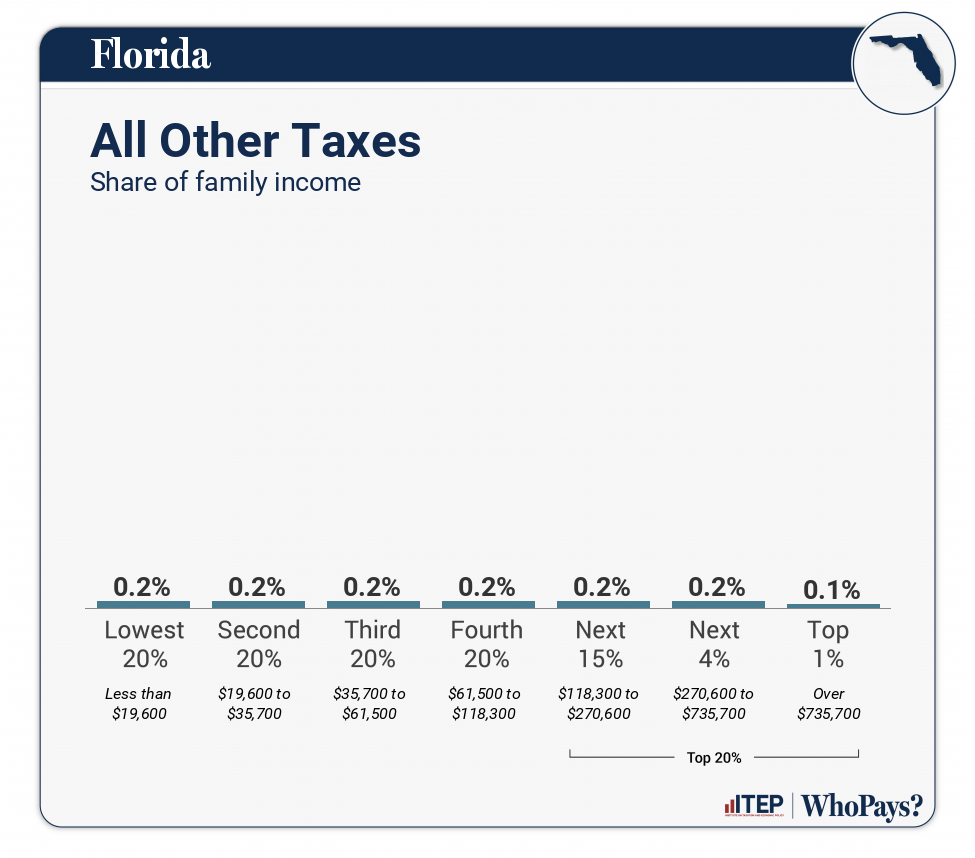
Other Taxes and Fees
Beyond sales and property taxes, Florida has several other tax mechanisms in place:
- Gasoline Taxes: Taxes are imposed on gasoline and other motor fuels, contributing to transportation infrastructure funding.
- Utility Taxes: Local governments can impose utility taxes on electricity, natural gas, and other utility services.
- State Excise Taxes: Taxes are levied on specific goods such as alcoholic beverages, tobacco products, and motor vehicles.
- Tourism Taxes: A significant portion of Florida’s tourism industry is supported by taxes such as the tourist development tax (often referred to as a “bed tax”) imposed on short-term lodging like hotel rooms and vacation rentals. These taxes are often used to fund local tourism promotion and infrastructure. For visitors staying at a resort like the Ritz-Carlton, Naples, this tax will be an additional charge on their bill.
- Corporate Income Tax: While individuals do not pay state income tax, Florida does impose a corporate income tax on businesses. The rate is currently 5.5% of net taxable income. However, there are various deductions and credits available.
Comparing Florida’s Tax Structure to Other States
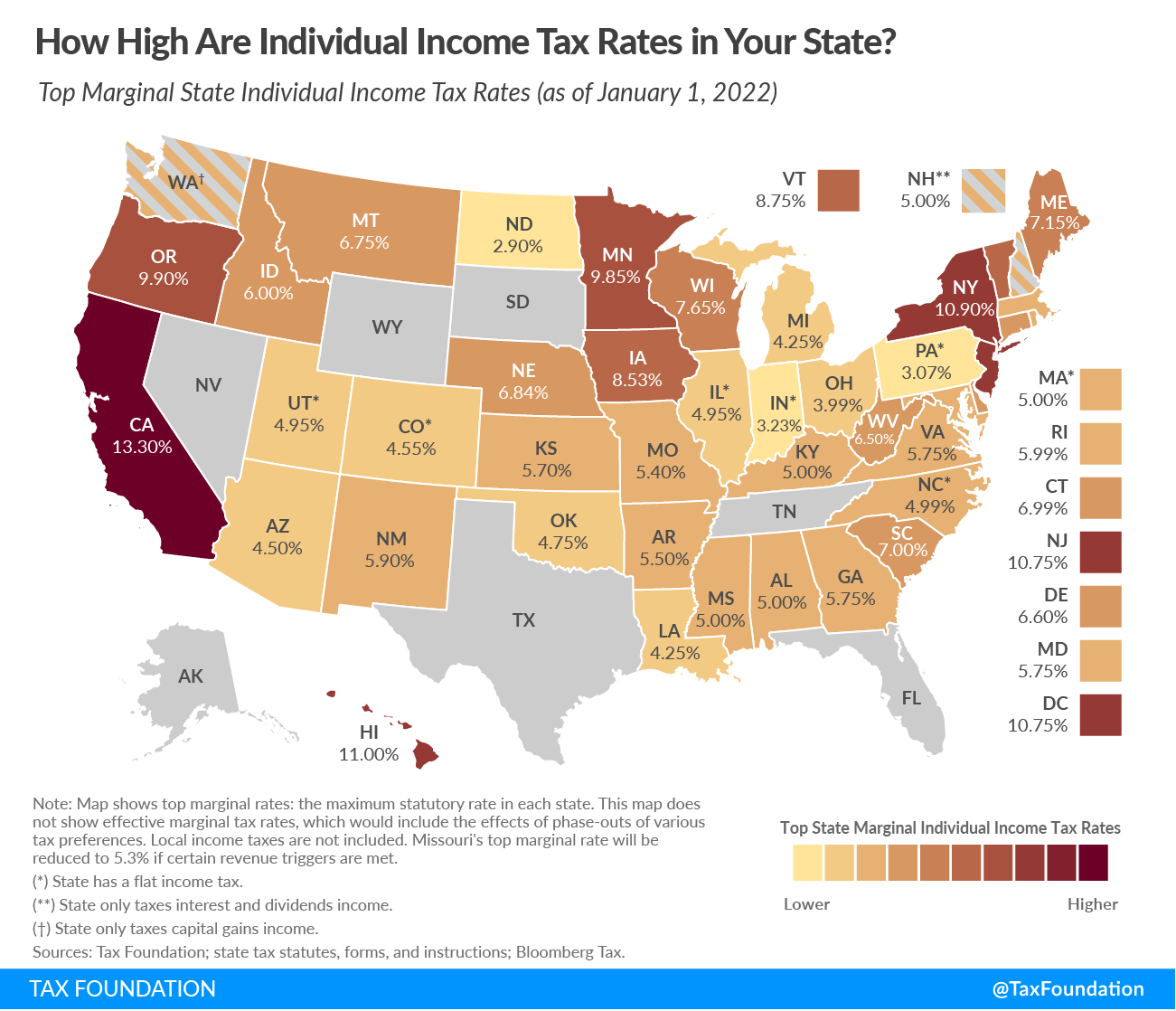
Florida’s “no state income tax” policy is a significant differentiator when comparing its tax environment to other states, particularly those with progressive income tax systems. This often leads to comparisons with states like California, New York, or Illinois, which have relatively high state income tax rates.
The “Florida Advantage” for High Earners
For high-income earners, the financial benefit of living in Florida can be substantial. A person earning a six-figure salary could save thousands, or even tens of thousands, of dollars annually by avoiding state income tax compared to residing in a state with a 5-10% income tax bracket. This financial advantage can influence decisions about where to establish residency, particularly for those who are mobile or have the flexibility to choose their domicile. This often leads to a migration of wealthier individuals and families to the Sunshine State, boosting its tax base through consumption taxes and property taxes.
Revenue Generation: A Different Approach
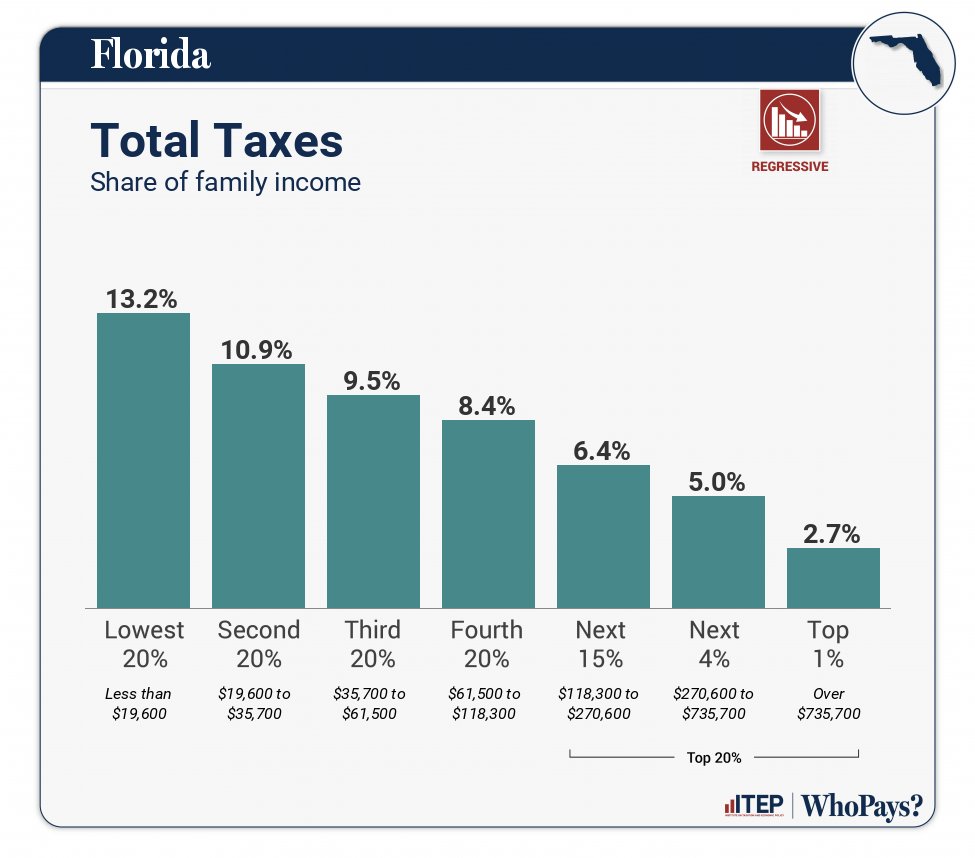
States that do not levy income tax often rely more heavily on sales taxes and property taxes to fund their operations. This can mean higher sales tax rates and potentially higher property taxes in Florida compared to states with income tax. The burden of taxation, therefore, shifts from income to consumption and property ownership. This is an important consideration for individuals with varying spending habits and property ownership goals. For instance, a frugal spender might benefit more from Florida’s structure than someone who frequently purchases taxable goods and services.
Economic Growth and Competitiveness
Proponents of Florida’s tax structure argue that the absence of income tax fosters a more competitive business environment and encourages economic growth. By reducing the cost of doing business and increasing disposable income for residents, the state aims to attract investment and talent. Critics, however, might point to the potentially regressive nature of sales taxes and the reliance on property taxes, which can disproportionately affect lower-income households and those with significant property holdings.
Financial Planning for Florida Residents and Visitors
Whether you are a permanent resident, a seasonal snowbird, or a tourist visiting the theme parks of Orlando or the beaches of Clearwater, understanding Florida’s tax landscape is essential for sound financial planning.
For New Residents
If you are considering moving to Florida, here are key financial considerations related to taxes:
- Income Tax Savings: Calculate the potential savings by comparing your current state’s income tax to Florida’s zero state income tax. This is often the most compelling financial incentive.
- Sales Tax Budgeting: Be aware of the sales tax rates in your intended county of residence and budget for these costs on everyday purchases.
- Property Tax Estimates: If purchasing property, thoroughly research the property tax rates in the specific area. Factor in potential increases over time and the impact of homestead exemptions.
- Retirement Income: If you are retired, understand how your pension, Social Security, and investment income will be treated (i.e., not subject to state income tax).
- Driver’s License and Vehicle Registration: There are fees associated with obtaining a Florida driver’s license and registering vehicles, which should be factored into relocation costs.
For Tourists and Seasonal Visitors
Even if you’re just visiting, understanding certain taxes can help with budgeting:
- Hotel and Rental Taxes: Be prepared for the combined state and local sales taxes on your accommodation, often referred to as the “bed tax.” This can add a noticeable percentage to your hotel bill at places like the Fontainebleau Miami Beach.
- Restaurant and Retail Spending: Factor in sales tax when dining out or shopping for souvenirs.
- Rental Car Taxes: Rental cars are also subject to sales tax.
Seeking Professional Advice
For significant financial decisions, such as relocating your primary residence or making major investments, consulting with a qualified tax professional or financial advisor is highly recommended. They can provide personalized guidance based on your specific circumstances and help you navigate the complexities of state and federal tax laws. While Florida offers significant tax advantages, a comprehensive understanding is key to maximizing your financial well-being in the Sunshine State.
LifeOutOfTheBox is a participant in the Amazon Services LLC Associates Program, an affiliate advertising program designed to provide a means for sites to earn advertising fees by advertising and linking to Amazon.com. Amazon, the Amazon logo, AmazonSupply, and the AmazonSupply logo are trademarks of Amazon.com, Inc. or its affiliates. As an Amazon Associate we earn affiliate commissions from qualifying purchases.