
Florida, the Sunshine State, beckons millions each year with its pristine beaches, vibrant cities, and relaxed atmosphere. Whether you’re considering a permanent move, a seasonal stay, or a memorable vacation, understanding the tax landscape is crucial for effective financial planning and enjoying your chosen lifestyle to the fullest. Unlike many other states, Florida boasts a unique tax structure that significantly impacts residents, businesses, and tourists alike. This insight delves into the various taxes you can expect to encounter, providing a clear picture of what your financial commitments might look like in this popular destination.
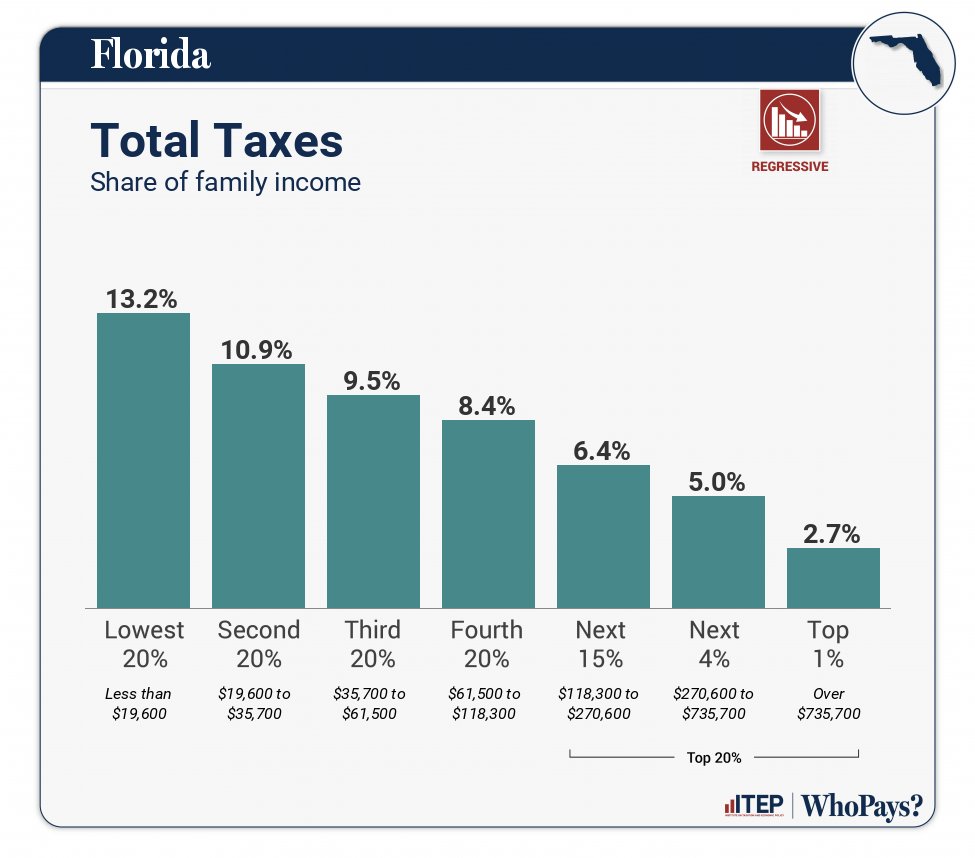
Florida’s Unique Tax Landscape: A Major Draw for Diverse Lifestyles
One of the most appealing aspects of Florida’s financial environment is its distinct approach to taxation, which often contrasts sharply with other states. This difference plays a pivotal role in shaping the lifestyle choices of those who call it home, even if temporarily.
No State Income Tax: A Major Financial Advantage
Perhaps the most significant financial draw for individuals in Florida is the absence of a state income tax. This means that residents do not pay state taxes on their wages, salaries, or other personal income. For retirees, this translates into not paying state tax on pension income, Social Security benefits, or distributions from IRAs and 401(k)s. For working professionals, it means a larger take-home pay compared to states with high income tax rates. This absence of income tax is a primary factor influencing relocation decisions for many, particularly those seeking to maximize their financial flexibility and maintain a higher standard of living without the burden of state-level income taxation. It significantly enhances the appeal for budget-conscious individuals, high-net-worth individuals, and anyone looking to optimize their personal finances within their chosen lifestyle.
Sales Tax: The Primary State Revenue Driver
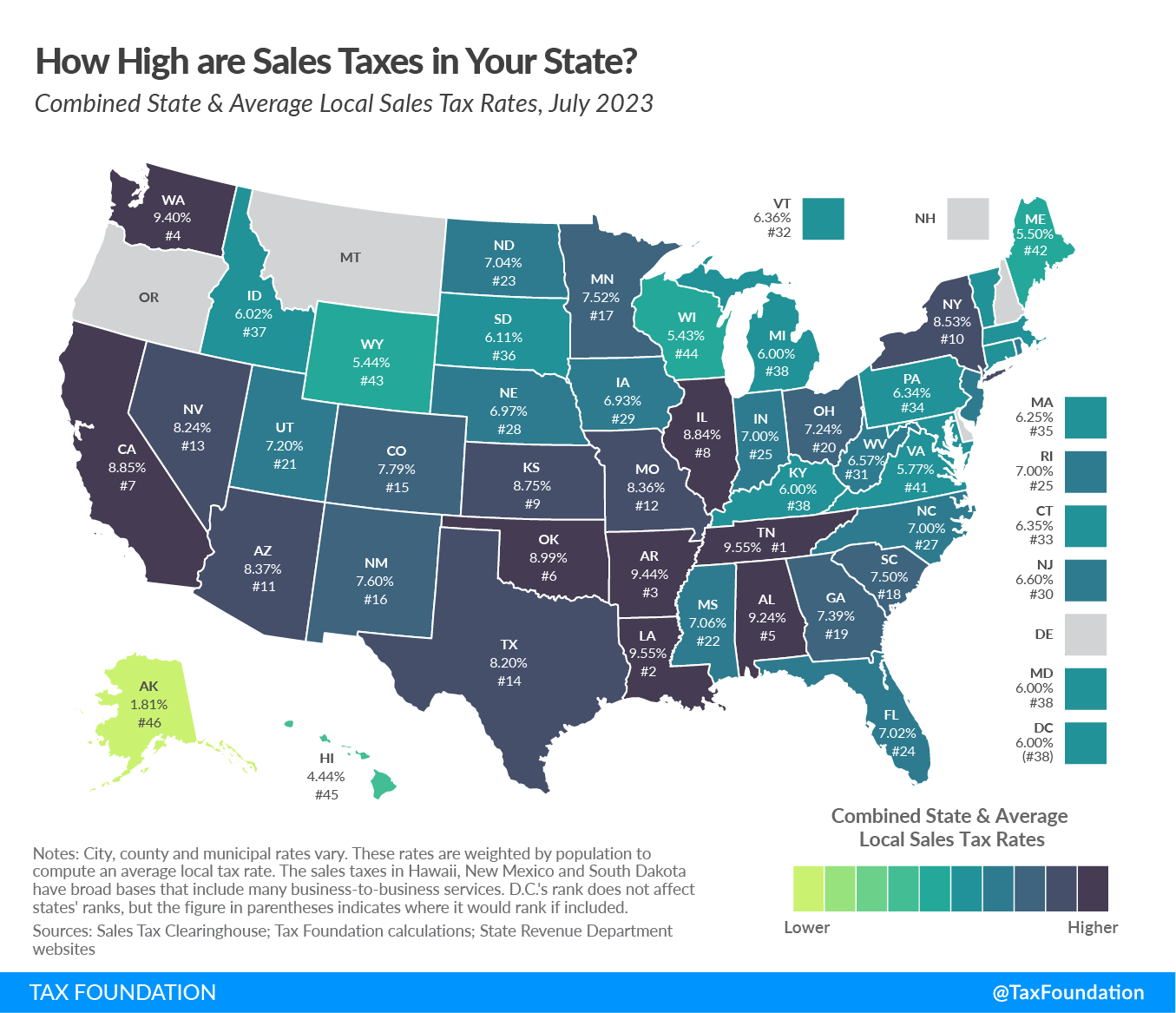
While personal income goes untaxed at the state level, Florida largely funds its public services through sales tax. This tax applies to most goods and services purchased within the state. For tourists, this means that virtually every purchase, from souvenirs to meals to theme park tickets, will include a sales tax. For residents, it’s an everyday consideration for everything from groceries (though many food items are exempt) to clothing, electronics, and vehicle purchases. Understanding how sales tax works is fundamental to budgeting for daily living and vacation expenses, ensuring that you’re not caught off guard by the final price tag. It effectively shifts the tax burden from income generation to consumption, which influences spending habits and purchasing power.
Property Taxes: A Local but Significant Consideration
Property taxes in Florida are levied at the local level by counties, municipalities, and special districts. While not a state tax, they are a significant financial commitment for homeowners and indirectly affect renters through higher rental costs. These taxes are crucial for funding local services such as schools, law enforcement, fire departments, and infrastructure projects. The amount of property tax an individual pays varies widely depending on the property’s location, assessed value, and any applicable exemptions. For those considering buying a home, understanding the local property tax rates in areas like Miami, Orlando, or Tampa is as important as the purchase price itself, directly impacting the long-term affordability of a particular lifestyle choice, whether it’s beachfront living or a suburban family home.
Understanding Sales Tax: What You’ll Pay for Everyday Living
The sales tax is arguably the most pervasive tax in Florida, affecting almost every transaction for both residents and visitors. Its structure, while seemingly straightforward, has nuances that are worth understanding.
State vs. Local Sales Tax Rates
The statewide sales tax rate in Florida is 6%. However, many counties also levy an additional “discretionary sales surtax,” often referred to as a county sales tax. This surtax can range from 0.5% to 2.5%, bringing the combined sales tax rate in some areas up to 7.5% or even 8%. For instance, a purchase made in Miami-Dade County might incur a different total sales tax than one made in Orange County (home to Orlando). It’s essential to check the specific county sales tax rate for the area you are visiting or residing in, as these small percentages can add up, especially on larger purchases or over an extended period. This variation underscores the need for localized budgeting.
Exemptions and Specifics
Not everything is subject to sales tax in Florida. Key exemptions include most unprepared food items (groceries), prescription and over-the-counter medicines, and certain medical services. Services like dry cleaning, haircuts, and car repairs are generally not taxed, though parts used in repairs would be. However, prepared food, restaurant meals, and alcoholic beverages are all subject to sales tax. Understanding these exemptions can help residents manage their daily expenses more effectively, making a tangible difference in the cost of a household’s lifestyle. It’s a key factor for budget grocery shopping versus frequent dining out.
Impact on Tourists and Seasonal Residents
For tourists, sales tax is an unavoidable part of the vacation budget. Every meal, every souvenir from Walt Disney World Resort or Universal Orlando Resort, and every boat rental in Key West will have sales tax added. Seasonal residents, who might spend several months in Florida, will experience sales tax as part of their extended daily living costs, similar to permanent residents. While the lack of an income tax is a boon for permanent residents, the broad application of sales tax means that everyone consuming goods and services in the state contributes to the state’s coffers, directly influencing the affordability of travel and temporary living.
Property Taxes: Navigating Homeownership and Rental Costs
For those considering planting roots in Florida, property taxes represent a significant ongoing expense that varies greatly across the state. They are a critical component of homeownership costs and indirectly affect the rental market.
How Property Taxes Are Assessed in Florida

Property taxes in Florida are assessed annually by county property appraisers. The assessed value is generally based on the property’s market value, though there are limitations on how much the assessed value of homesteaded properties can increase each year (the “Save Our Homes” amendment caps increases at 3% or the Consumer Price Index, whichever is lower). The tax rate, or “millage rate,” is set by local taxing authorities (counties, cities, school districts, water management districts, etc.) and is expressed in “mills,” where one mill equals $1 for every $1,000 of assessed value. Therefore, the actual tax bill is calculated by multiplying the assessed value (minus any exemptions) by the total millage rate. This complex calculation means that two properties of similar market value in different counties, or even different parts of the same county, could have vastly different tax bills.
Homestead Exemption and Other Reliefs
Florida offers several property tax exemptions designed to reduce the tax burden for eligible homeowners. The most significant is the Homestead Exemption, which can reduce a property’s taxable value by up to $50,000 for primary residences. To qualify, the property must be your permanent residence as of January 1st of the tax year. This exemption is a considerable benefit for long-term residents, making homeownership more affordable and supporting stable communities. Additional exemptions are available for seniors, veterans, disabled persons, and widows/widowers. These exemptions are critical for budget planning, especially for retirees on fixed incomes, as they directly impact the long-term cost of living and the feasibility of maintaining a desired lifestyle. For example, a senior looking to retire in Sarasota would find the homestead exemption extremely valuable.
Property Taxes Across Different Florida Cities
The variance in property taxes is a key consideration when choosing a place to live. Generally, more expensive real estate markets like Miami, Naples, and coastal areas tend to have higher overall property tax bills due to higher property values, even if millage rates are comparable to less expensive regions. Conversely, areas like Jacksonville or inland cities might offer lower property tax burdens, making them attractive for those seeking a more budget-friendly lifestyle. For instance, a luxury condo in South Beach will have a significantly higher property tax bill than a family home in a suburb of Tampa, reflecting vastly different lifestyle costs and expectations. Researching specific county and city millage rates and average property values is an indispensable step for anyone planning a move to the Sunshine State.
Other Key Taxes Impacting Florida Lifestyles
Beyond sales and property taxes, several other taxes and fees can affect your financial life in Florida, influencing everything from your daily commute to your leisure activities.
Tourist Development Taxes (Bed Taxes)
For visitors and those utilizing short-term rentals, the Tourist Development Tax (TDT), often called a “bed tax” or “resort tax,” is an important consideration. This local tax is levied on the rental of transient accommodations (like hotels, motels, vacation rentals, and even some campgrounds) for periods of six months or less. The rate varies by county, typically ranging from 2% to 6% on top of the state and local sales tax. For example, staying at a luxury resort near Universal Orlando Resort will involve this additional charge, which funds tourism promotion and infrastructure. This tax directly impacts the cost of tourism-dependent lifestyles and vacation budgeting, making it essential for travelers to factor into their expenses.
Gas Tax and Vehicle Registration Fees
If you plan to drive in Florida, you’ll encounter state and federal gas taxes added to the price per gallon. While not unique to Florida, these taxes contribute to road maintenance and transportation infrastructure. Additionally, vehicle registration fees are paid annually and vary based on the type and weight of the vehicle. For new residents, there’s also a one-time initial registration fee. These costs are part of the broader financial picture for those whose lifestyle includes frequent driving, whether it’s commuting to work in Tallahassee or exploring natural attractions like Everglades National Park.
Estate and Inheritance Taxes (or lack thereof)
Florida is one of the states that does not impose a state-level estate tax or inheritance tax. This absence is a significant factor for individuals engaged in estate planning, particularly those with substantial assets, and further enhances Florida’s reputation as a tax-friendly state for retirees and wealth preservation. While federal estate taxes still apply to very large estates, the lack of a state tax means that more of an individual’s accumulated wealth can be passed on to heirs without additional state-level levies, directly impacting long-term financial legacy and family lifestyle planning.
Strategic Financial Planning for a Florida Lifestyle
Understanding Florida’s tax structure is the first step; the next is to integrate this knowledge into your financial planning to truly embrace the Florida lifestyle you envision.
Budgeting for Everyday Expenses
With no state income tax, many residents find their net income higher, but the broad sales tax means that almost every purchase chips away at that advantage. Savvy budgeting involves factoring in sales tax on most goods and services, and being mindful of county surtaxes. For homeowners, setting aside funds for property taxes, which are often paid annually or semi-annually, is critical. For renters, it’s worth noting that landlords factor their property tax burden into rental prices. Lifestyle choices, such as frequent dining out versus cooking at home, or relying on public transport versus personal vehicle ownership, will have direct tax implications through sales tax on meals or gas taxes.
The Cost of Luxury vs. Budget Living
Florida’s tax environment can either enhance a luxury lifestyle or support a budget-friendly one, depending on how it’s approached. For high-net-worth individuals, the absence of state income and estate taxes can result in substantial savings, freeing up more capital for investment or luxury experiences. Conversely, for those on a tighter budget, understanding sales tax exemptions on groceries and utilizing public services funded by property taxes (paid by others or through rent) can help stretch dollars further. The key is to match your spending habits with the tax structure. Living a luxury lifestyle in places like Palm Beach will naturally involve higher property and sales tax expenditures on high-value goods and services, while a more modest lifestyle in a smaller town will see these costs scaled down.
Long-Term Financial Implications for Retirees and Businesses
For retirees, Florida offers significant financial benefits through its lack of state income tax on retirement income and the homestead exemption for property taxes. This makes retirement planning potentially more straightforward and financially rewarding. Businesses also benefit from a generally favorable tax climate, with no state corporate income tax for sole proprietorships and partnerships, and competitive rates for corporations. Understanding these long-term implications is vital for anyone planning to retire in Florida or establish a business there, as the tax structure can significantly impact profitability and personal wealth over time. It creates an environment conducive to long-term financial growth and stability, aligning with a lifestyle focused on maximizing post-career income or business success.
In conclusion, while Florida is celebrated for its lack of a state income tax, it’s far from a tax-free haven. A comprehensive understanding of its sales, property, and other miscellaneous taxes is essential for anyone looking to make the most of their time and money in the Sunshine State. By strategically planning and budgeting with these taxes in mind, you can fully embrace the diverse and appealing lifestyles Florida has to offer.
LifeOutOfTheBox is a participant in the Amazon Services LLC Associates Program, an affiliate advertising program designed to provide a means for sites to earn advertising fees by advertising and linking to Amazon.com. Amazon, the Amazon logo, AmazonSupply, and the AmazonSupply logo are trademarks of Amazon.com, Inc. or its affiliates. As an Amazon Associate we earn affiliate commissions from qualifying purchases.