
The question “How much is Disneyland Florida worth?” might seem straightforward, implying a simple monetary figure. However, the true value of what is officially known as Walt Disney World Resort in Orlando, Florida, extends far beyond balance sheets and market capitalization. While its financial impact is undeniably colossal, its worth encompasses economic power, cultural significance, brand equity, and the immeasurable value of millions of cherished memories. To truly gauge its worth, we must delve into these multifaceted layers, understanding it not just as an entertainment complex, but as a global tourism engine, an economic powerhouse, and a cultural icon.
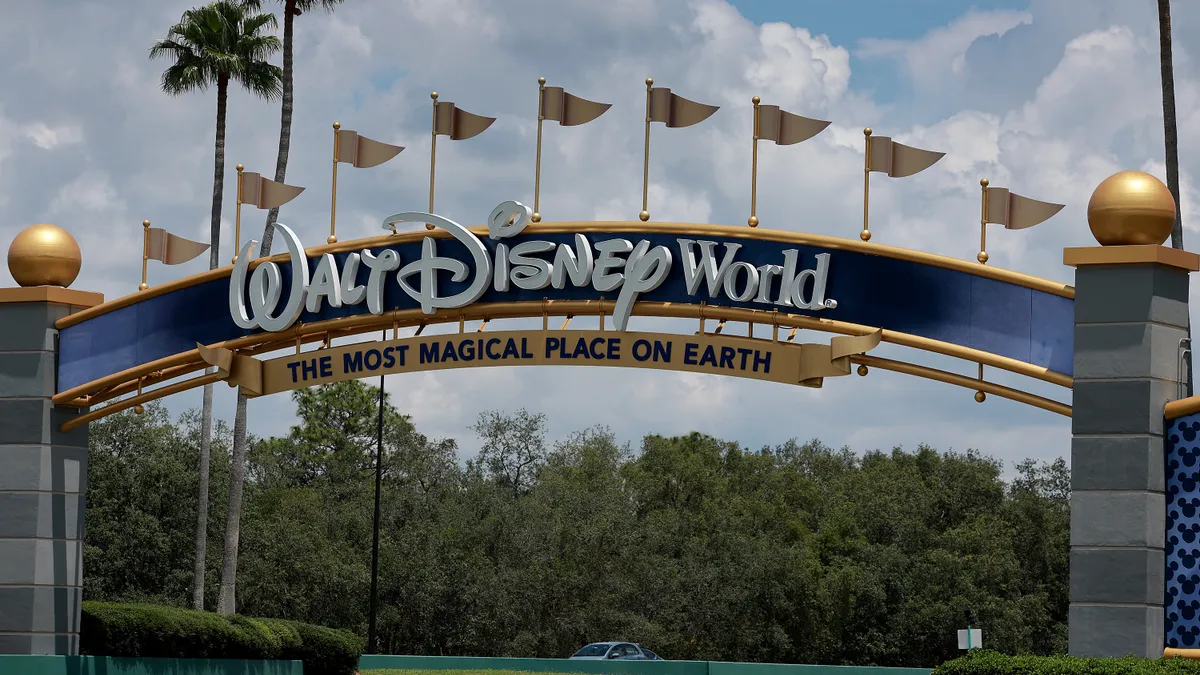
Walt Disney World Resort isn’t merely a collection of theme parks; it’s a self-contained universe comprising four main theme parks (Magic Kingdom, Epcot, Hollywood Studios, and Animal Kingdom), two water parks, dozens of resort hotels, shopping and dining districts, and vast tracts of undeveloped land. Its sheer scale and complexity make a comprehensive valuation an intricate task, one that considers both its tangible assets and its profound intangible influence on the world.
The Tangible Value: Economic Impact and Financial Powerhouse
The most direct way to assess Walt Disney World Resort’s worth is through its economic contributions. As one of the largest single-site employers in the United States and a cornerstone of Florida’s tourism industry, its financial footprint is staggering.
Billions in Annual Revenue
Walt Disney World Resort is a core component of the Walt Disney Company’s Disney Parks, Experiences and Products segment, which consistently generates tens of billions of dollars in annual revenue globally. While specific revenue figures for Walt Disney World Resort are not publicly broken down, it is widely understood to be the segment’s most significant contributor. This revenue stream comes from a myriad of sources: ticket sales, merchandise, food and beverage, resort hotel bookings, vacation packages, and various premium experiences.
Considering that the Magic Kingdom alone often ranks as the most visited theme park in the world, attracting over 20 million guests annually in pre-pandemic times, and the entire resort complex hosts over 50 million visitors, the scale of its financial transactions is immense. Each guest represents multiple revenue opportunities, from daily spending within the parks to longer stays at the resort hotels. The sheer volume of transactions and the premium pricing associated with the Disney brand ensure a robust and continuous flow of capital.
Job Creation and Local Economy
Beyond direct revenue, Walt Disney World Resort’s worth is profoundly tied to its role as an economic engine for Central Florida. It directly employs tens of thousands of “Cast Members” – a workforce comparable to a small city – spanning a vast array of professions, from ride operators and entertainers to engineers, hospitality staff, and IT professionals. These jobs provide stable employment, benefits, and career opportunities for a significant portion of the local population.
Furthermore, the indirect economic benefits ripple throughout the regional economy. Thousands more jobs are supported in industries that serve the resort, such as transportation, construction, laundry services, food suppliers, advertising, and local businesses catering to tourists and Cast Members alike. The massive influx of tourists also drives demand for off-site hotels, restaurants, retail, and other attractions in the Orlando area. The resort also contributes significantly to state and local tax bases, including property taxes to Orange County and sales taxes on its vast operations, funding public services and infrastructure improvements that benefit residents and visitors.
Real Estate Holdings and Infrastructure Investment
The physical assets of Walt Disney World Resort alone represent a staggering value. Spanning roughly 25,000 acres – an area roughly twice the size of Manhattan – its landholdings in a prime tourism destination like Orlando are invaluable. The infrastructure built upon this land – including theme parks, resorts, water parks, roadways, utility systems, and extensive backstage facilities – represents billions of dollars in investment over decades.
The Walt Disney Company continuously invests in the resort, pouring capital into new attractions, refurbishments, technological upgrades, and resort expansions. This ongoing commitment to innovation and maintenance ensures that the physical assets remain state-of-the-art and continue to attract visitors, underscoring their enduring value and the company’s long-term vision for the property.
The Intangible Value: Brand Equity and Cultural Significance
Beyond the quantifiable financial metrics, much of Walt Disney World Resort’s worth lies in its intangible assets: its legendary brand, its deep cultural impact, and the emotional connection it fosters with millions globally.
The Power of the Disney Brand
The Disney brand is one of the most recognized and powerful in the world, synonymous with magic, storytelling, and family entertainment. Walt Disney World Resort is the physical embodiment of this brand, offering an immersive experience that leverages decades of beloved characters, films, and narratives. This brand equity allows the resort to command premium pricing, attract repeat visitors, and weather economic downturns more effectively than many competitors.
The synergy between the parks and the broader Walt Disney Company empire is unparalleled. New movies and characters often find their way into the parks through attractions and experiences, creating a powerful feedback loop that reinforces the brand’s relevance and appeal. This integrated approach amplifies the resort’s value far beyond its standalone operations.
A Cultural Landmark and Icon
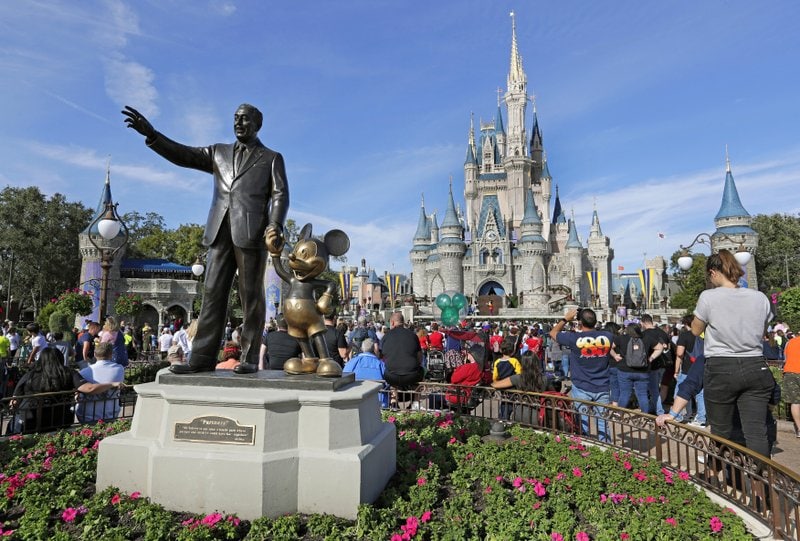
Since its opening in 1971, Walt Disney World Resort has transcended its status as a mere theme park to become a cultural landmark. It represents a quintessential American vacation experience, a symbol of imagination, technological innovation, and escapism. For many, it embodies a childhood dream, a place where fantasy comes to life. Its iconic structures, like Cinderella Castle in Magic Kingdom or Spaceship Earth in Epcot, are globally recognized symbols.
The resort has also profoundly influenced the global theme park industry, setting benchmarks for immersive storytelling, guest service, and operational excellence. Its impact on popular culture, from music and television to fashion and art, is undeniable, embedding itself into the fabric of modern society.
Generating Lifelong Memories and Nostalgia
Perhaps the most precious, yet unquantifiable, aspect of Walt Disney World Resort’s worth is the experiential value it provides. For millions of visitors, it is a place where cherished family memories are made, where children meet their heroes, and where adults recapture a sense of wonder. This emotional connection fosters immense loyalty and repeat visitation across generations.
The nostalgia associated with a Disney vacation is a powerful driver. Families return year after year, sometimes bringing their own children and grandchildren, creating traditions that span decades. This deep personal value, while not reflected on a balance sheet, is a fundamental pillar of the resort’s enduring appeal and, thus, its worth.
Beyond the Gates: Wider Tourism Ecosystem Influence
Walt Disney World Resort’s influence extends well beyond its expansive property, shaping the entire tourism landscape of Florida and acting as a primary draw for international visitors.
A Magnet for Global Tourism
Walt Disney World Resort is arguably the single largest tourist magnet in the world. Its presence alone makes Orlando one of the most visited cities globally. It serves as an anchor attraction, drawing millions of domestic and international travelers to Florida who might not otherwise visit. Once in Orlando, many of these visitors also patronize other attractions, hotels, and businesses, effectively acting as a gateway to the broader Central Florida tourism market. Without Disney World, the entire tourism ecosystem of the region would be fundamentally different and significantly smaller.
Driving Infrastructure Development
The presence of such a massive tourist destination necessitates and stimulates significant infrastructure development. The existence of Walt Disney World Resort has driven the expansion of Orlando International Airport, the creation and improvement of major highways, and the development of extensive public and private transportation networks. These infrastructure improvements benefit not only tourists but also local residents and businesses, contributing to the region’s overall development and livability. The resort’s self-contained nature also meant developing its own extensive utility systems, water management, and even internal transportation networks, further adding to its overall infrastructural worth.
Innovation in Guest Experience
Walt Disney World Resort has historically been a pioneer in guest experience innovation. From the development of sophisticated queue management systems to groundbreaking technological integrations like MagicBands and the My Disney Experience app, Disney continuously pushes the boundaries of how guests interact with a destination. These innovations often become industry standards, influencing other theme parks, resorts, and even other sectors of the hospitality industry. This leadership in guest experience not only enhances its own value but also elevates the entire travel and tourism sector.
The Future Worth: Continuous Evolution and Strategic Investment
The enduring worth of Walt Disney World Resort is not static; it is constantly being reinforced and expanded through strategic foresight and continuous investment.
Adapting to New Generations
To remain relevant and valuable, Walt Disney World Resort consistently evolves. This includes the introduction of new, highly anticipated lands like Star Wars: Galaxy’s Edge and thrilling attractions such as Guardians of the Galaxy: Cosmic Rewind, which appeal to diverse demographics and leverage contemporary storytelling. The resort is also increasingly embracing sustainability initiatives, smart technology, and personalized experiences to meet the expectations of modern travelers. This adaptive capacity ensures its continued appeal to future generations and reinforces its long-term viability and worth.
Strategic Position in the Global Entertainment Landscape
In an increasingly competitive global entertainment market, Walt Disney World Resort maintains a leading strategic position. Its size, scale, brand recognition, and continuous innovation serve as significant barriers to entry for competitors. While other major players exist in Orlando and worldwide, Disney’s comprehensive ecosystem offers an unparalleled vacation experience that few can replicate. The company’s long-term vision for growth, including potential future expansions and technological advancements, suggests its worth will only continue to appreciate.
In conclusion, “How much is Disneyland Florida worth?” is a question whose answer is as sprawling as the resort itself. Financially, it’s a multi-billion-dollar enterprise, generating massive revenues and sustaining a regional economy. Culturally, it’s an enduring icon, weaving itself into the fabric of global consciousness. Experientially, it offers priceless memories for countless individuals. The true worth of Walt Disney World Resort is thus a complex mosaic of economic power, brand prestige, cultural significance, and human emotion, making it an invaluable destination in the landscape of travel and entertainment.
LifeOutOfTheBox is a participant in the Amazon Services LLC Associates Program, an affiliate advertising program designed to provide a means for sites to earn advertising fees by advertising and linking to Amazon.com. Amazon, the Amazon logo, AmazonSupply, and the AmazonSupply logo are trademarks of Amazon.com, Inc. or its affiliates. As an Amazon Associate we earn affiliate commissions from qualifying purchases.