
When planning a journey to the northeastern corner of the United States, travelers often find themselves captivated by a landscape that feels both rugged and meticulously curated by nature. Maine, known affectionately as the Pine Tree State, offers a sensory experience deeply rooted in its geography. One of the most critical factors defining this experience is the state’s hardiness zones. For the curious visitor, understanding what planting zone Maine falls into is not just a lesson in botany; it is a roadmap to the local culture, the timing of the legendary fall foliage, and the best seasons for farm-to-table culinary adventures.
Understanding Maine’s USDA Hardiness Zones
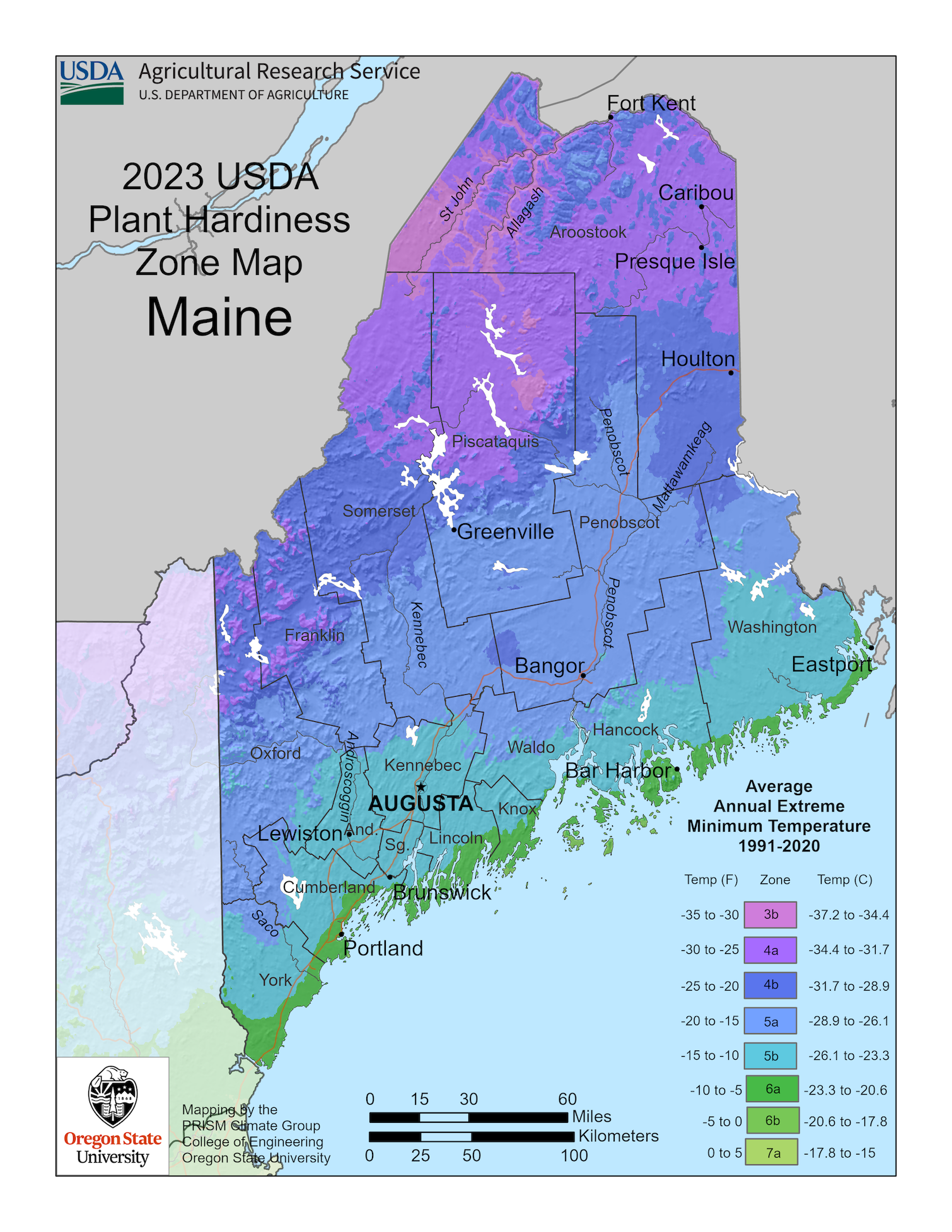
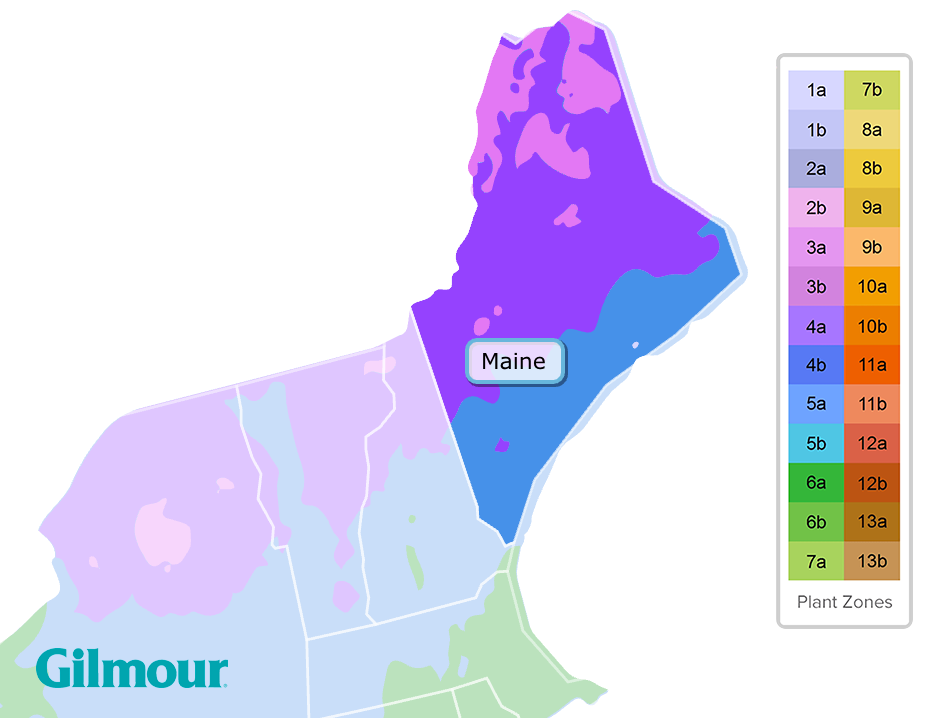
The USDA Plant Hardiness Zone Map is the standard by which gardeners and environmentalists determine which plants are most likely to thrive in a specific location. For tourists, these zones translate directly into what you will see out your window as you drive from the sandy beaches of the south to the granite peaks of the north. Maine is unique because it encompasses a wide range of zones, typically stretching from Zone 3b in the far north to Zone 6a along the southern coast.
The Coastal Warmth of Zone 6
The southern coastline, including popular destinations like Portland, Kennebunkport, and Ogunquit, primarily falls into Zone 6. This area benefits from the moderating influence of the Atlantic Ocean. The sea acts as a massive heat sink, keeping the winters slightly milder and the summers cooler than the inland regions. Visitors to this area will notice a lush variety of ornamental plants and perennials that simply cannot survive the harsher winters further north. This zone allows for a longer growing season, which means the vibrant flower displays in Old Orchard Beach or the historic gardens of York remain in bloom well into the autumn.
The Rugged Interior of Zones 4 and 5
As you move away from the coast toward Augusta or Bangor, the climate shifts. Here, you enter Zones 4 and 5. The lack of maritime influence leads to sharper temperature fluctuations. This is the heart of Maine’s forest country, where hardy evergreens and deciduous trees like maples and oaks dominate. For the traveler, this zone represents the quintessential New England experience—deep snow in winter and a burst of intense green in the summer.
The Boreal Beauty of Zone 3
In the far reaches of Aroostook County, near the border with Canada, the environment becomes truly boreal. Falling into Zone 3, this region experiences some of the most frigid winter temperatures in the lower 48 states. The flora here is specialized for survival, featuring vast stretches of potato fields and dense timberland. Travelers heading to Fort Kent or Madawaska will encounter a landscape that is stark, beautiful, and profoundly influenced by its short, intense growing season.
Botanical Tourism: Where the Planting Zones Come to Life
For those who travel to see the world in bloom, Maine’s diverse planting zones offer a variety of “living landmarks.” These sites provide a window into how the state’s climate dictates the beauty of its public spaces.
Coastal Maine Botanical Gardens
Located in Boothbay Harbor, the Coastal Maine Botanical Gardens is perhaps the most significant testament to the richness of Zone 6. Spanning nearly 300 acres, this site features themed gardens that showcase the resilience of northern plants. Visitors can wander through the Lerner Garden of the Five Senses or explore the massive wooden trolls hidden in the woods. Because of its coastal location, the gardens can host a wider array of species than gardens located just fifty miles inland, making it a premier destination for horticultural tourism.
The Wild Gardens of Acadia
Deep within Acadia National Park near Bar Harbor, the Wild Gardens of Acadia offer a different perspective. This area focuses on native plants categorized by their natural habitats, such as bogs, beaches, and mountain summits. Situated in Zone 5b, these gardens emphasize the importance of native ecology. While in the area, a visit to the Asticou Azalea Garden and the Thuya Garden in Northeast Harbor is essential. These gardens reflect a Japanese-inspired aesthetic tailored to the Maine coast, demonstrating how human design can harmonize with specific hardiness zones.
Public Parks and Urban Greenery
Even the urban centers take pride in their botanical identity. Deering Oaks Park in Portland is a historic landscape designed to highlight the beauty of the region’s hardy trees. Similarly, travelers visiting Bangor should not miss the Mount Hope Cemetery, which serves as a majestic arboretum as much as a historical site. These locations provide accessible ways for tourists to see the practical effects of Maine’s planting zones within a city setting.
Seasonal Travel Tips: Navigating the Zones
Understanding the timing of Maine’s seasons is the key to a successful trip. The hardiness zones dictate when the snow melts, when the flowers bloom, and when the leaves turn their famous shades of crimson and gold.
Spring Blooms and “Mud Season”
In Zone 6, spring starts to peek through in late April, but in Zone 3, it may not truly arrive until late May. For travelers, this means that while you might find daffodils in Kittery, you could still find snowbanks in Baxter State Park. Early spring is also known locally as “mud season,” a time when hikers should be cautious as trails on Mount Katahdin and other peaks are often closed to prevent erosion. However, this is also the best time to visit a local sugar shack for Maine maple syrup, a cultural staple born directly from the climate’s freezing and thawing cycles.
Summer Harvest and Farm-to-Table Culture
Summer is when the planting zones truly shine. The brief but intense heat of July and August brings a bounty of local produce. Travelers should look for roadside stands selling Maine wild blueberries, particularly in Washington County. These berries are a product of the acidic soil and specific climate of the northern zones. Visiting a farmers’ market in Camden or Belfast offers a taste of the state’s agricultural heritage, from heirloom tomatoes to fresh herbs, all cultivated within the constraints of the local hardiness zone.
The Famous Fall Foliage Peak
The “leaf-peeping” season is perhaps Maine’s biggest tourism draw, and it is entirely dictated by the hardiness zones. The color change begins in the north (Zone 3) in late September and moves steadily toward the coast (Zone 6) by mid-to-late October. To catch the “peak” color, travelers often start their journey in Fort Kent and follow the colors south through the White Mountains and down to the Casco Bay region. This north-to-south progression is a live demonstration of Maine’s varying climates in action.
The Influence of Geography on Local Culture and Cuisine
The planting zones do more than just determine what grows in the ground; they shape the very lifestyle of the people who live in Maine. The state’s tourism appeal is inextricably linked to this connection between land and lifestyle.
Maine’s Agricultural Heritage
Agriculture is a pillar of Maine tourism. In the northern zones, the culture is centered around the potato harvest, an event so significant that schools in Aroostook County traditionally closed so students could help in the fields. Today, tourists can attend the Maine Potato Blossom Festival in Fort Fairfield. In the more temperate southern zones, the focus shifts to orchards and vineyards. Apple picking in Hope or Rockport is a cherished autumn ritual for both locals and visitors, highlighting the productivity of Zone 5 and 6.
The Blueberry Barrens of the North
The wild blueberry is the official state fruit of Maine, and its growth is a fascinating study in hardiness zones. These berries thrive in the glacial outwash plains—often called “barrens”—found in the northern and eastern parts of the state. Travelers visiting the Wild Blueberry Heritage Center in Columbia Falls can learn how these low-bush plants have adapted to survive the harsh conditions of Zone 4. The result is a fruit that is smaller and more flavorful than its cultivated counterparts, creating a unique culinary draw for the region.
Coastal Foraging and Sea Gardens
In the coastal zones, the “planting” isn’t limited to the soil. The intertidal zones of the Gulf of Maine are home to a different kind of harvest. Seaweed foraging and kelp farming have become popular activities for eco-tourists. Places like Rockland and Damariscotta offer tours where visitors can learn about the marine plants that thrive in the cold, nutrient-rich waters. This “ocean gardening” is just another way the state’s environmental zones provide a unique flavor to the local tourism industry.

Conclusion: A State Defined by Its Resilience
Whether you are exploring the manicured lawns of a resort in Kennebunkport or trekking through the untamed wilderness of the North Maine Woods, the influence of Maine’s planting zones is ever-present. These zones are the silent architects of the vistas we photograph, the food we savor, and the adventures we seek. By understanding the transition from the temperate coast to the boreal north, travelers gain a deeper appreciation for the resilience of the Maine landscape and the vibrant culture that blooms within it. From the first lupines of June to the last pumpkins of October, Maine invites you to experience its natural wonders—one zone at a time.
LifeOutOfTheBox is a participant in the Amazon Services LLC Associates Program, an affiliate advertising program designed to provide a means for sites to earn advertising fees by advertising and linking to Amazon.com. Amazon, the Amazon logo, AmazonSupply, and the AmazonSupply logo are trademarks of Amazon.com, Inc. or its affiliates. As an Amazon Associate we earn affiliate commissions from qualifying purchases.