
Chicago, the bustling heart of the Midwest, is renowned for its stunning architecture, vibrant arts scene, world-class museums, and an unforgettable culinary landscape. Yet, beneath the steel and glass, a hidden aspect of the city’s identity plays a crucial role in its aesthetics, local culture, and seasonal experiences: its planting zone. For travelers, understanding Chicago’s horticultural classification can unlock a deeper appreciation for its numerous green spaces, influence seasonal travel plans, and even offer insights into the farm-to-table dining scene. This guide delves into the specifics of Chicago’s planting zone, explaining its significance for visitors exploring this magnificent Illinois metropolis.
Understanding Chicago’s Horticultural Identity
The concept of a “planting zone” is fundamental for anyone interested in agriculture, gardening, or simply appreciating the flora around them. It defines which plants are most likely to thrive in a particular location, dictating the palette of green life that shapes urban and natural landscapes.
Unpacking the USDA Plant Hardiness Zone System
The most widely used system in North America for defining planting zones is the USDA Plant Hardiness Zone System. This system divides the United States and Canada into zones based on the average annual extreme minimum winter temperature. The lower the zone number, the colder the winter temperatures. Each zone is further divided into ‘a’ and ‘b’ subzones, with ‘a’ representing the colder half and ‘b’ the warmer half.
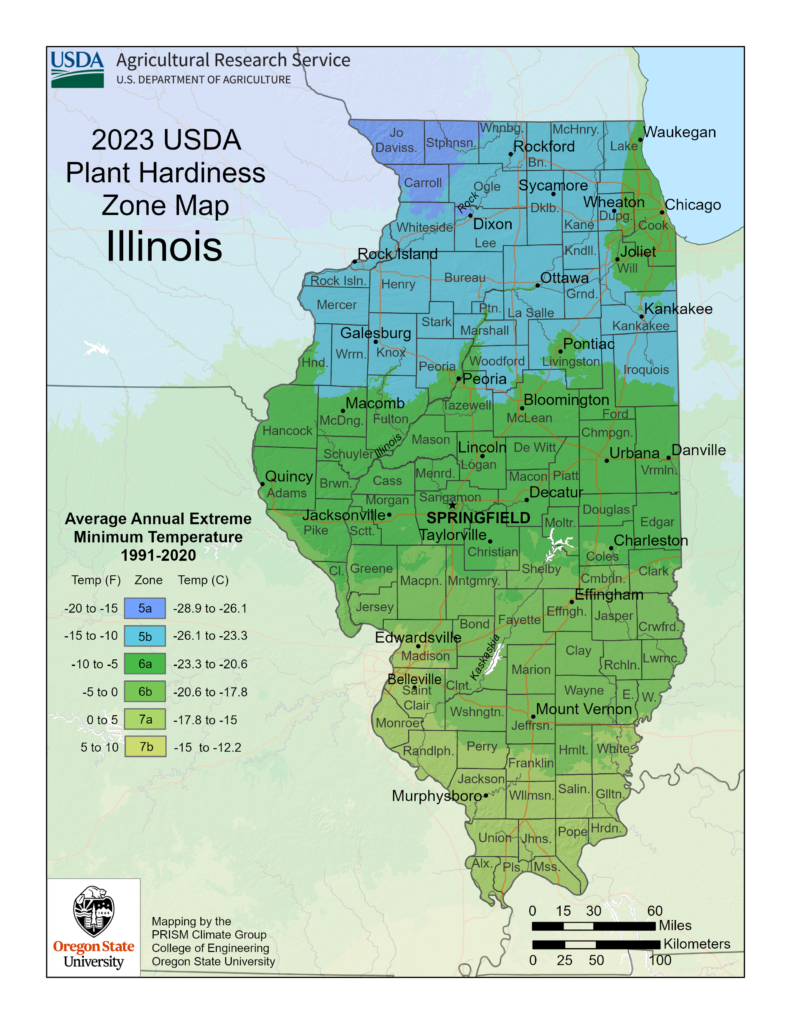
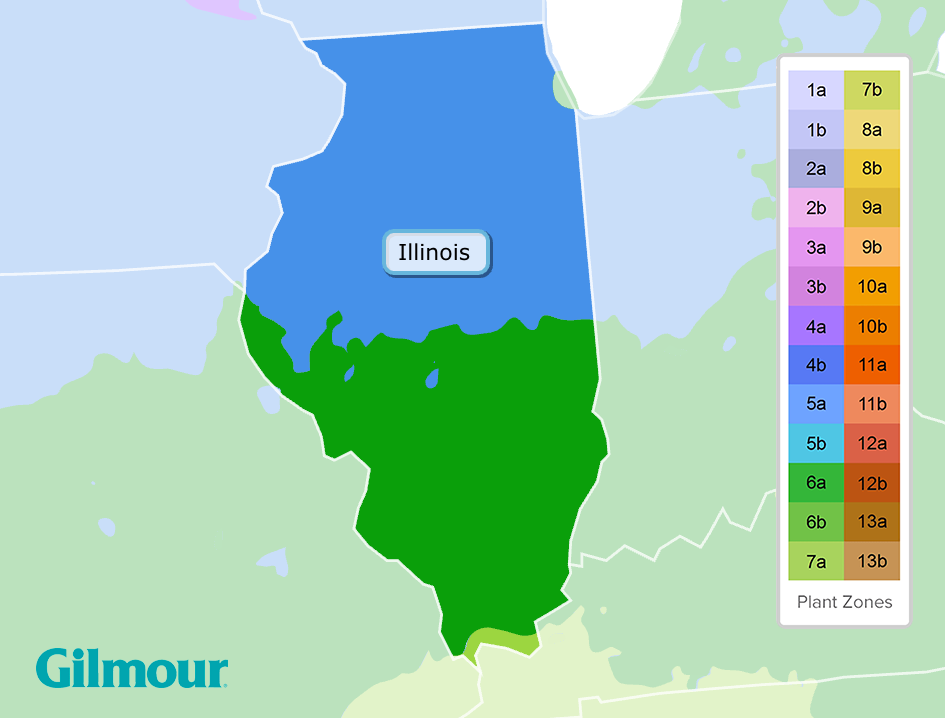
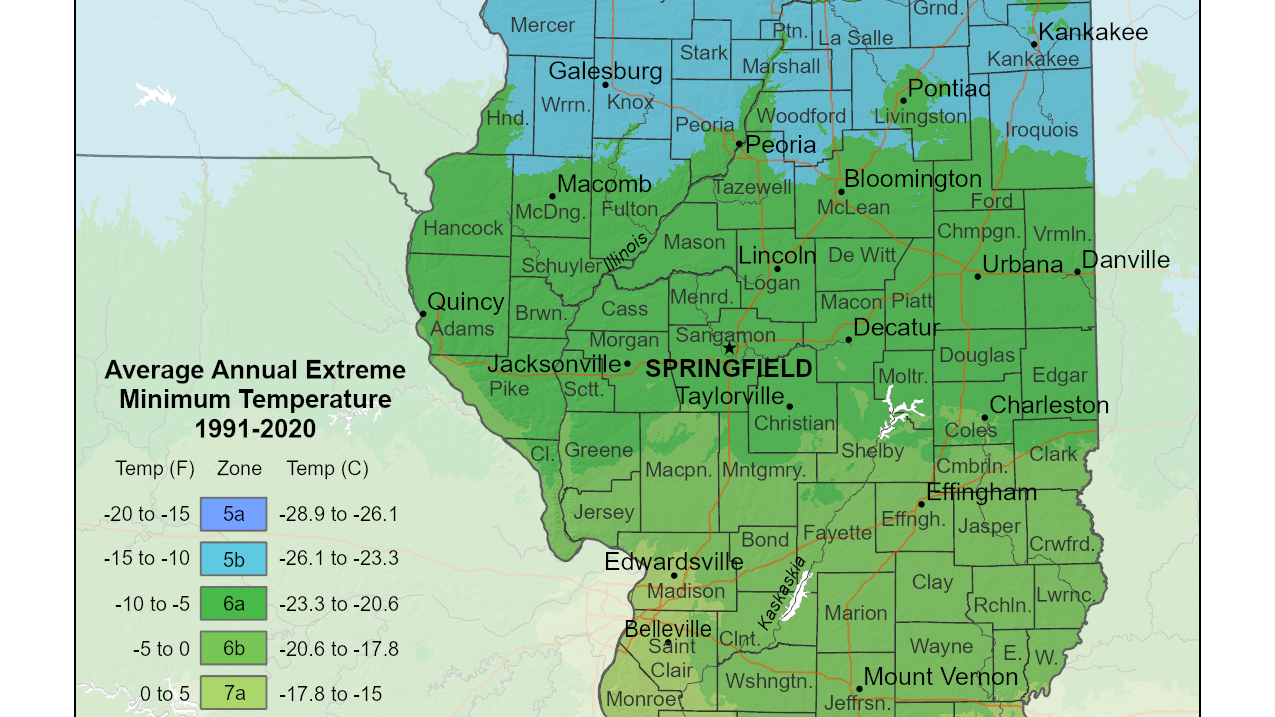
For many years, Chicago was firmly categorized within Zone 5b. This meant that the average annual extreme minimum temperature ranged from -15°F to -10°F (-26.1°C to -23.3°C). However, as climate patterns have gradually shifted, recent updates to the USDA Plant Hardiness Zone System have seen parts of Chicago, particularly the urban core and areas closer to Lake Michigan, reclassified into Zone 6a. This slightly warmer classification indicates average annual extreme minimum temperatures ranging from -10°F to -5°F (-23.3°C to -20.6°C).
What does this mean for a traveler? Essentially, plants thriving in Zone 5b and 6a are generally robust and can withstand significant winter cold. This includes a wide array of deciduous trees like oaks, maples, and lindens, as well as many flowering shrubs such as hydrangeas and spireas, and a vast selection of perennials. The shift to 6a suggests a slightly broader range of plant species might now be viable, potentially leading to more diverse and exotic plantings in certain protected areas of the city. For visitors exploring Chicago’s parks and gardens, this translates into a rich tapestry of resilient and beautiful flora throughout much of the year.
Chicago’s Unique Microclimates
While the USDA Plant Hardiness Zone System provides a broad guideline, large urban centers like Chicago often experience fascinating microclimates. These localized climatic conditions can create pockets within the city that are slightly warmer or cooler than the general zone classification.
The most significant factor influencing Chicago’s microclimates is the urban heat island effect. The dense concentration of buildings, concrete, asphalt, and other heat-absorbing materials in the city center absorbs and re-radiates heat more efficiently than natural landscapes. This can lead to downtown areas being several degrees warmer than surrounding suburban or rural areas, especially during the night. This phenomenon is a key reason why parts of Chicago have nudged into Zone 6a. These warmer conditions allow for the cultivation of slightly less hardy plants in protected urban courtyards, rooftop gardens, and public spaces.
Another crucial influence is Lake Michigan. This massive body of water has a moderating effect on temperatures, particularly near the lakefront. In summer, the lake keeps adjacent areas cooler, and in winter, it can prevent extreme cold snaps, effectively warming the immediate shoreline. This lake effect contributes to the milder conditions often found in neighborhoods directly bordering the lake, providing a buffer against the harshest winter lows that might affect inland areas.
For travelers, understanding these microclimates means that exploring different parts of Chicago can offer varying horticultural experiences. A walk through the verdant spaces of Millennium Park might reveal plants that thrive in slightly warmer urban conditions, while a visit to a more exposed suburban park might showcase species more representative of the broader 5b/6a classification. This subtle variation adds another layer of intrigue to the city’s green identity.
Chicago’s Green Tapestry: Flora and Urban Landscapes
Beyond mere classification, Chicago’s planting zone directly shapes the visual and experiential aspects of its urban landscape. From world-renowned conservatories to charming neighborhood parks, the city is a living canvas where horticulture plays a starring role, deeply influencing the travel experience.
Botanical Wonders and Public Gardens
Chicago boasts an impressive array of public gardens and conservatories that beautifully showcase the resilience and diversity of plants suitable for its hardiness zone, along with exotic species nurtured in controlled environments. These sites are essential landmarks for any visitor interested in the city’s green side.
Perhaps one of the most iconic green spaces is the Lurie Garden within Millennium Park. Designed to be a four-season garden, it expertly utilizes perennials, grasses, shrubs, and trees that are perfectly suited to Chicago’s Zone 5b/6a climate. Its dynamic planting design ensures visual interest throughout the year, from vibrant summer blooms to striking winter textures. Visitors can experience a meticulously planned urban ecosystem that thrives despite the city’s often extreme weather.
The Lincoln Park Conservatory, nestled within the historic Lincoln Park, offers a tropical escape regardless of the outside temperatures. While the indoor collections feature plants from much warmer zones, the surrounding outdoor gardens are meticulously maintained with species that flourish in Chicago’s climate, providing a beautiful contrast. Similarly, the Garfield Park Conservatory, one of the largest and most impressive conservatories in the United States, houses vast collections of tropical plants, ferns, and desert flora, offering a global botanical journey. Its outdoor gardens also feature zone-appropriate plants, blending seamlessly with the urban environment.
Just a short drive outside the city, the Morton Arboretum in Lisle and the Chicago Botanic Garden in Glencoe are horticultural masterpieces. These sprawling institutions are dedicated to the study and display of trees and plants that thrive in Zone 5b/6a. They serve as living laboratories and exquisite landscapes where visitors can explore diverse plant collections, often categorized by geographic origin or specific botanical characteristics. From robust oaks and maples that paint the autumn landscape to hardy evergreens providing winter solace, these gardens are a testament to what flourishes in Chicago’s climate, offering both educational and serene experiences for travelers.
Streetscapes and Neighborhood Charm
The influence of Chicago’s planting zone extends far beyond its formal gardens, permeating the very fabric of its streetscapes and neighborhood aesthetics. The choice of street trees, the design of parkways, and the character of residential gardens all reflect the underlying horticultural realities.
Walk down almost any residential street in neighborhoods like Lincoln Park, Hyde Park, or [Graceland West], and you’ll encounter mature trees providing welcome shade in summer and brilliant color in autumn. These are predominantly species well-adapted to Zone 5b/6a, such as various types of maples, elms (often disease-resistant varieties), lindens, and oaks. These trees contribute significantly to the city’s canopy, improving air quality, moderating temperatures, and enhancing the overall quality of life for residents and visitors alike. They make strolling through Chicago’s neighborhoods a particularly pleasant experience, especially during the warmer months.
Public green spaces, from small pocket parks to expansive areas like Grant Park, are also designed with the hardiness zone in mind. They feature a mix of trees, shrubs, and perennial beds that can withstand Chicago’s often harsh winters and hot summers. These plantings not only beautify the city but also provide crucial ecological services and recreational opportunities. For tourists, these green arteries offer respite from urban exploration, perfect spots for a picnic, or simply a scenic backdrop for photographs. The intentional selection of zone-appropriate plants ensures that these spaces remain vibrant and healthy year after year, enhancing Chicago’s reputation as a green city.
Seasonal Beauty and Travel Experiences
The dynamic nature of Chicago’s Zone 5b/6a planting classification means the city transforms dramatically with each season, offering distinct experiences for travelers throughout the year. Understanding these seasonal shifts, driven by the local flora, can help visitors plan their trips to align with specific aesthetic and activity preferences.
Spring Awakening and Summer Blooms
Spring in Chicago is a spectacle of reawakening. As temperatures slowly climb out of winter’s embrace, the city’s parks, gardens, and tree-lined streets burst into life. Early spring sees the emergence of cold-hardy bulbs like snowdrops, crocus, and daffodils, followed by a riot of tulips in vibrant hues. Magnolias, crabapples, and cherry trees add stunning floral displays to the urban landscape, particularly around areas like [Lincoln Park](https://lifeoutofthebox.com/lincoln-park] and along the lakefront. This is an ideal time for visitors who appreciate floral beauty and enjoy crisp, pleasant weather for walking tours and outdoor photography. Events like the annual Chicago Flower and Garden Show also celebrate this verdant resurgence, offering inspiration and showcasing the latest in horticultural design.
As spring transitions into summer, Chicago’s green spaces hit their peak. Perennial borders, annual displays, and mature trees provide lush backdrops. Gardens at places like Millennium Park are awash with diverse blooms, and the extensive network of parks becomes perfect for outdoor activities. Biking along the [Lakefront Trail], enjoying picnics in Grant Park, or simply relaxing amidst the greenery become popular pastimes. The longer daylight hours and generally warm weather make this an excellent time for extensive urban exploration, with the city’s plantings adding a fresh, inviting atmosphere to every corner.
Autumn’s Embrace and Winter’s Resilience
When summer fades, Chicago dons its spectacular autumnal coat. The deciduous trees, perfectly adapted to the Zone 5b/6a climate, transform into a kaleidoscope of reds, oranges, and golds. Maples, oaks, and ginkgos provide breathtaking foliage, especially visible in the sprawling arboretums and larger parks. This season offers a different kind of beauty, with crisp air perfect for brisk walks and scenic drives. Travelers seeking picturesque fall colors will find Chicago and its surrounding areas incredibly rewarding, with the changing leaves adding a dramatic flair to the city’s iconic architecture.
Even in winter, when temperatures drop and snow often blankets the city, Chicago’s resilient plantings maintain a quiet beauty. Evergreens, such as various pine, spruce, and fir varieties, provide essential greenery against the stark white landscape. Many deciduous trees, though bare, reveal their intricate branch structures, adding architectural interest. Hardy shrubs like certain dogwoods offer colorful bark, and seed heads of perennials create sculptural forms. Conservatories like Lincoln Park Conservatory and Garfield Park Conservatory become warm, tropical havens, offering a welcome escape from the cold. For visitors, winter in [Chicago](https://lifeoutofthebox.com/chicago] means experiencing the city’s architectural grandeur, enhanced by the quiet resilience of its winter-hardy flora, and finding warmth in its cultural landmarks like the Art Institute of Chicago, Field Museum, and Shedd Aquarium.
Cultivating Local Lifestyle: Food, Accommodation, and More
The planting zone of Chicago extends its influence beyond visual aesthetics, subtly shaping elements of the local lifestyle that impact visitor experiences, from dining choices to the ambiance of their accommodation.
Farm-to-Table and Local Produce
For culinary travelers, Chicago’s planting zone directly affects the availability of local produce and, by extension, the city’s vibrant farm-to-table dining scene. The Zone 5b/6a climate supports a wide range of vegetables, fruits, and herbs during the growing season, which typically runs from late spring through early autumn.
During these months, Chicago’s numerous farmers’ markets, such as the renowned Green City Market in Lincoln Park, become bustling hubs of local agriculture. Visitors can sample and purchase seasonal delights like fresh berries, sweet corn, heirloom tomatoes, leafy greens, and a variety of root vegetables, all grown in the fertile soils of Illinois and surrounding Midwest regions. Many of Chicago’s top restaurants pride themselves on sourcing ingredients locally, incorporating these seasonal offerings into their menus. This commitment to fresh, regional produce provides diners with an authentic taste of the Midwest, allowing them to experience the flavors that are directly influenced by the hardiness zone. For food enthusiasts, this means a visit during peak growing season can offer an unparalleled gastronomic journey, highlighting the connection between the land and the plate.
Hotels and Green Hospitality
The hardiness zone also subtly influences the experience offered by Chicago’s esteemed hotels and resorts. Many luxury accommodations and boutique hotels leverage landscaping and interior design to enhance their appeal, often incorporating plants that thrive in or are inspired by the local climate.
Hotels like the Peninsula Chicago, Langham Chicago, and Waldorf Astoria Chicago frequently feature beautifully maintained planters, rooftop gardens, or grand floral displays that utilize zone-appropriate plants, mixed with seasonal annuals. These green elements contribute to a serene and welcoming atmosphere, providing a refreshing contrast to the urban bustle outside. Rooftop terraces and outdoor dining areas, designed with hardy plantings, become inviting oases during warmer months. Even interior spaces often feature cut flowers and potted plants, chosen for their beauty and ability to thrive indoors, creating a continuous connection to nature.
For guests, this green hospitality enhances the overall experience. Imagine enjoying a morning coffee on a hotel terrace surrounded by blooming hydrangeas or vibrant perennials, or entering a lobby adorned with elegant floral arrangements. These thoughtful touches, rooted in an understanding of what plants flourish in Chicago’s climate, elevate the sense of place and luxury, demonstrating how the city’s planting zone contributes to the sophisticated lifestyle offerings that draw travelers from around the globe. Whether admiring the grandeur of the Willis Tower, exploring the shops along the Magnificent Mile, or enjoying the lively atmosphere of Navy Pier, the green elements woven throughout the city add to its unique charm.
In conclusion, Chicago is more than just its iconic skyline and cultural institutions; it is a city deeply connected to its natural environment, shaped significantly by its Zone 5b/6a planting classification. This horticultural identity influences the types of plants seen in its world-class gardens, the seasonal transformations of its streetscapes, the bounty of its local food markets, and even the ambiance of its luxurious accommodations. For the discerning traveler, understanding Chicago’s planting zone offers a unique lens through which to appreciate its vibrant green spaces, plan seasonal adventures, and delve deeper into the city’s rich and resilient character. So, on your next visit to the Windy City, take a moment to notice the remarkable flora that thrives here – it’s an integral part of what makes Chicago so special.
LifeOutOfTheBox is a participant in the Amazon Services LLC Associates Program, an affiliate advertising program designed to provide a means for sites to earn advertising fees by advertising and linking to Amazon.com. Amazon, the Amazon logo, AmazonSupply, and the AmazonSupply logo are trademarks of Amazon.com, Inc. or its affiliates. As an Amazon Associate we earn affiliate commissions from qualifying purchases.