
For travelers planning a visit to the dynamic metropolis, a fundamental question often arises: “What time zone is New York City in?” Understanding the time zone is not merely a technicality; it’s a crucial piece of information that profoundly impacts travel planning, from booking flights and accommodation to scheduling landmark visits and managing jet lag. New York City, a global hub for business, culture, and tourism, operates within the Eastern Time Zone, a designation that governs daily life across a significant portion of the United States and Canada. For those venturing from distant lands or even different corners of the same continent, this time zone dictates everything from the rhythm of their arrival to the efficiency of their departure. Whether you’re a luxury traveler seeking seamless experiences, a budget-conscious adventurer, or a family on a memorable trip, grasping the local time ensures a smoother, more enjoyable, and ultimately, more enriching New York City experience.
Understanding New York City’s Time Zone Framework
At its core, New York City adheres to the Eastern Time Zone, but this isn’t a static designation throughout the year. Like many regions worldwide, New York City observes Daylight Saving Time, which introduces a seasonal shift. This dual system is essential for any visitor to comprehend to avoid confusion during their stay.
Eastern Standard Time (EST) and Eastern Daylight Time (EDT)
For approximately half the year, from early November to mid-March, New York City operates under Eastern Standard Time. During this period, the local time is UTC-5, meaning it is five hours behind Coordinated Universal Time. This is the standard phase, often coinciding with cooler months and the festive holiday season. When spring arrives, typically on the second Sunday in March, the clocks “spring forward” by one hour, initiating Eastern Daylight Time. From this point until the first Sunday in November, New York City aligns with UTC-4, four hours behind UTC. This shift provides an extra hour of daylight in the evenings, a welcome change for outdoor activities and extended sightseeing during the vibrant spring and summer months. Understanding this transition is vital for travelers, especially those planning trips around the switch dates, as it can affect flight schedules, tour timings, and even hotel check-in procedures. The consistency of this system, shared across major cities like Miami, Boston, and Washington D.C., allows for relatively straightforward coordination for domestic travelers within the Eastern Time Zone.
The Significance of the Time Difference
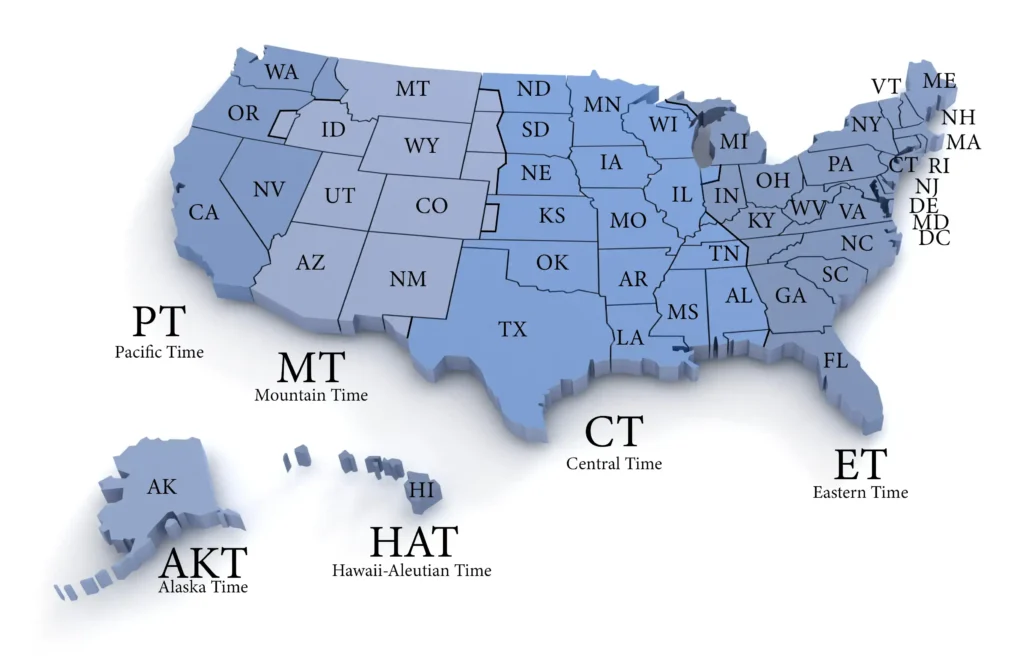
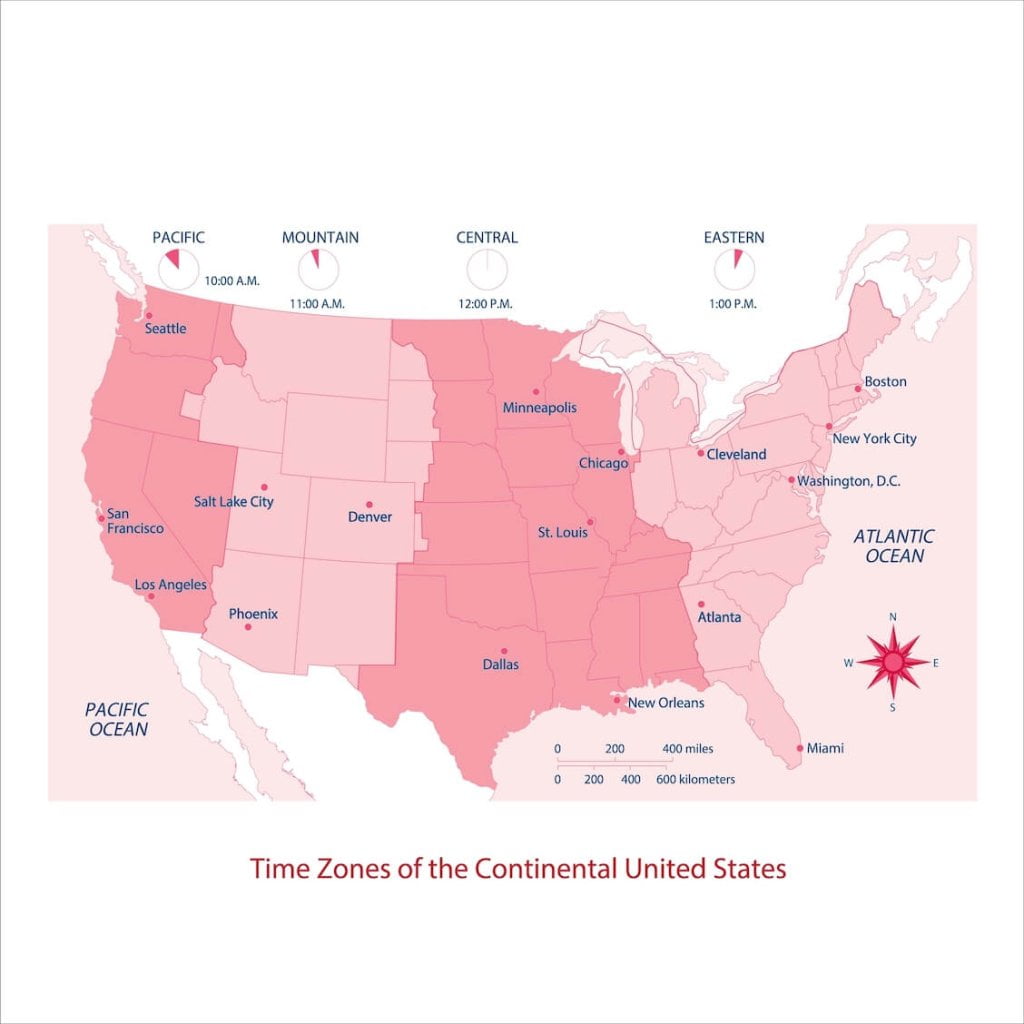
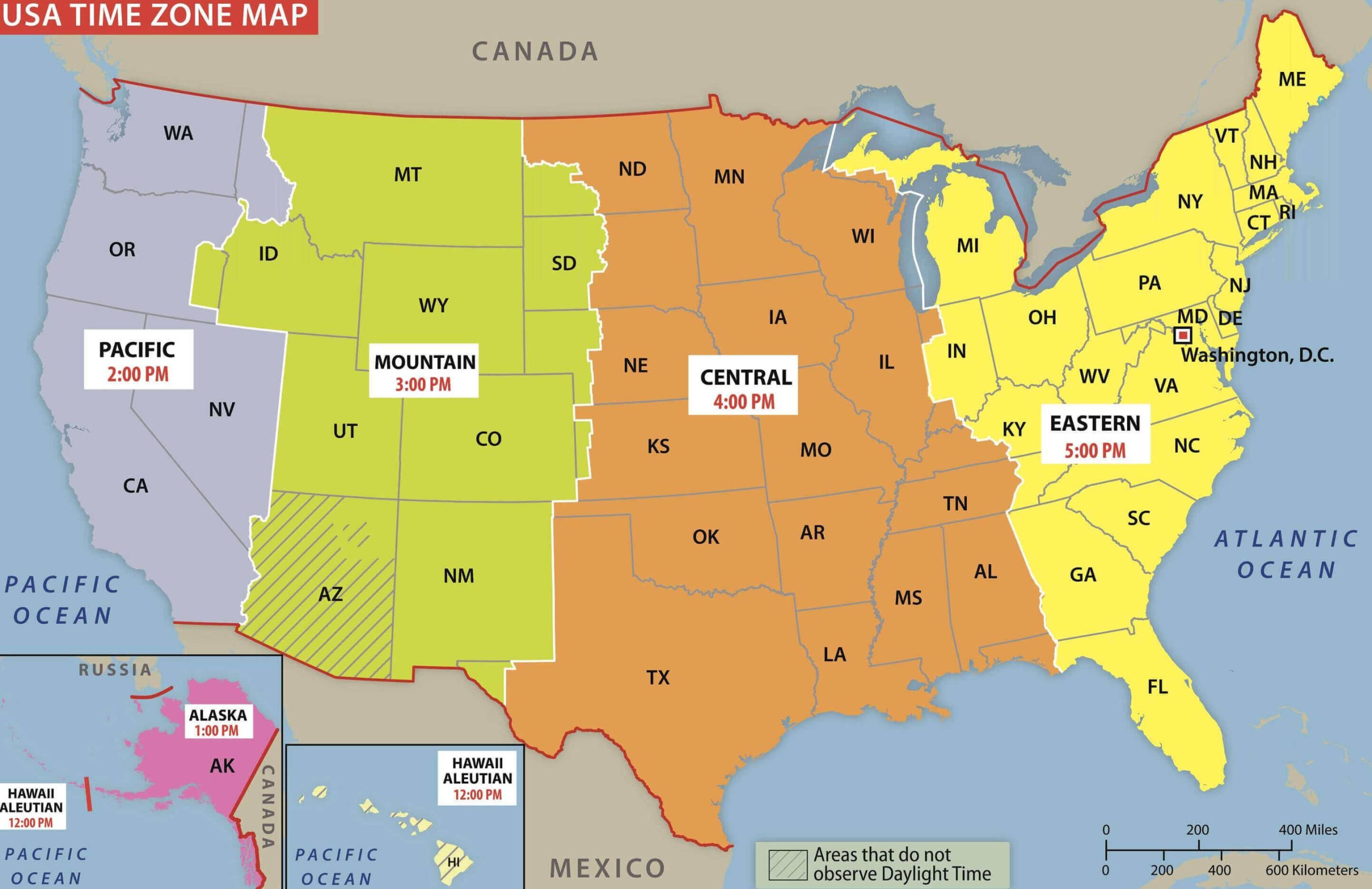
The Eastern Time Zone forms a critical benchmark for both domestic and international travel. Domestically, the United States spans six standard time zones: Eastern, Central, Mountain, Pacific, Alaska, and Hawaii. This means a traveler flying from Los Angeles (on Pacific Time, three hours behind EST/EDT) to New York City will “lose” three hours upon arrival. Internationally, the difference is even more pronounced. New York City is five hours behind Greenwich Mean Time (GMT) during EST and four hours behind during EDT. This means that a visitor from London or Paris (Europe) will experience a time difference of 5 or 6 hours, while travelers from Tokyo or Sydney (Asia/Australia) will face much larger discrepancies, often 13+ hours. These differences are more than just numbers on a clock; they directly influence biological rhythms, communication schedules, and the overall pacing of a trip, making awareness of them a cornerstone of effective travel planning.
Navigating Time Zones as a Traveler
The journey to New York City is often an exciting prospect, but for many, it comes with the challenge of adapting to a new time zone. Whether you’re arriving from across the country or around the globe, understanding and mitigating the effects of time shifts are essential for a smooth and enjoyable visit. Integrating seamlessly into the local rhythm can make all the difference in your travel experience.
Battling Jet Lag for a Seamless New York City Experience
Jet lag, a temporary sleep disorder caused by rapid travel across multiple time zones, is perhaps the most significant physiological challenge for many international and long-distance domestic travelers. Symptoms can include fatigue, insomnia, irritability, difficulty concentrating, and even digestive issues. For a vibrant city like New York, where every moment counts, minimizing jet lag is crucial.
To combat this, start adjusting your sleep schedule a few days before your trip by shifting your bedtime and wake-up times closer to New York City’s EST/EDT. During your flight, stay hydrated and avoid excessive alcohol and caffeine, which can disrupt sleep. Upon arrival at JFK Airport, LaGuardia Airport, or Newark Liberty International Airport, try to expose yourself to natural light, especially in the morning, as this helps reset your body’s internal clock. If you arrive in the afternoon, resist the urge to nap for too long; instead, try to stay awake until the local bedtime. Engaging in light activities, like a stroll through Central Park or exploring the shops in SoHo, can help keep you energized and acclimatized. Many hotels, ranging from luxury resorts like The Plaza Hotel to more budget-friendly accommodations, understand this challenge and offer amenities like blackout curtains and 24-hour dining options to assist travelers in settling in comfortably.
Planning Your Itinerary: Maximizing Your New York City Adventures
The time zone heavily influences how you structure your daily adventures in New York City. Major attractions, museums, and shows operate on strict schedules, all dictated by the local EST/EDT. When planning your itinerary, consider the following:
- Attraction Opening Hours: Iconic landmarks such as the Metropolitan Museum of Art, the Empire State Building, and the 9/11 Memorial & Museum have specific opening and closing times. Always check these in advance, converting them to your home time zone if necessary, especially if you’re pre-booking tickets. For instance, a 9 AM reservation at the Statue of Liberty will feel significantly earlier for someone still on Pacific Time.
- Broadway Shows and Performances: Evening Broadway performances typically begin between 7 PM and 8 PM, with matinees on Wednesdays, Saturdays, and Sundays. Booking these from a different time zone requires careful calculation to ensure you secure your desired seats and are present at the correct local time.
- Dining Reservations: New York City is a culinary paradise, and popular restaurants often require reservations weeks or even months in advance. When booking a table at renowned establishments like Per Se or Eleven Madison Park, ensure you’re aware of their reservation opening times in EST/EDT to snag a coveted spot.
- Sunrise and Sunset: For photographers or those who enjoy early morning walks or sunset views from the Brooklyn Bridge or Rockefeller Center, knowing the local sunrise and sunset times (which vary significantly between EST and EDT periods) can help you plan perfect moments. Utilize weather apps that automatically adjust for the local time zone to get accurate information.
By meticulously planning your itinerary with the local time zone in mind, you can maximize your time, minimize missed opportunities, and fully immerse yourself in all the experiences New York City has to offer.
Practical Implications for Your Visit
Beyond the initial adjustments, the Eastern Time Zone has several ongoing practical implications for visitors throughout their stay in New York City. These considerations touch upon daily routines, business obligations, and personal connections, ensuring a holistic understanding is beneficial for every type of traveler.
Hotel Check-ins, Dining Reservations, and Business Stays
The backbone of any travel experience is often the accommodation, and time zones play a direct role here.
Most hotels in New York City, whether a boutique hotel in Greenwich Village or a sprawling resort like the St. Regis New York, adhere to standard check-in times, typically around 3:00 PM EST/EDT, and check-out times, often 11:00 AM or 12:00 PM. If you arrive early after a long flight, your room might not be ready, prompting you to store luggage and explore for a few hours. Conversely, a late departure might necessitate booking an extra night or arranging a late check-out. Being aware of these times in relation to your arrival and departure flights is crucial for seamless transitions. Many hotels, such as the Hilton Midtown, offer early check-in or late check-out options, sometimes for an additional fee, to accommodate guests’ schedules.
For business travelers, the time zone is a constant consideration. New York City’s position in the Eastern Time Zone makes it a financial powerhouse, particularly Wall Street. This means business meetings, conference calls, and market openings are all synchronized with EST/EDT. Coordinating with colleagues on the West Coast of the United States (a three-hour difference) or in Europe (a five-to-six-hour difference) requires careful scheduling to find overlapping work hours. For example, an 8:00 AM meeting in New York is 5:00 AM in Los Angeles and 1:00 PM in London, highlighting the need for strategic planning to facilitate cross-continental communication.
Coordinating with Family and Friends Back Home
Beyond the practicalities of travel logistics, the time zone difference significantly impacts personal connections. Staying in touch with family and friends back home requires a conscious effort to navigate the varying hours. What might be a convenient evening call time for you in Manhattan could be the middle of the night for loved ones in Asia or early morning for those on the Pacific Coast.
Before making calls or video chats, it’s wise to use a time zone converter or a world clock application to determine the most suitable time for both parties. This thoughtfulness prevents unintentional disruptions and ensures more meaningful conversations. For example, if you’re enjoying a late Broadway show until 10:00 PM EDT, it’s already 7:00 PM in California but 3:00 AM the next day in the United Kingdom. Establishing a routine for communication, perhaps during certain windows that align for everyone, can help maintain these important connections without impinging on your New York City experiences or their daily lives. This consideration extends to sharing updates on social media; what’s a morning post for you could be dinner time for your followers, influencing engagement.
Experiencing New York City Through Its Clock
New York City’s time zone doesn’t just dictate schedules; it’s woven into the very fabric of its identity, influencing how landmarks operate and how the city’s unique lifestyle unfolds. Understanding this temporal rhythm enhances a visitor’s appreciation for the city that famously “never sleeps.”
Iconic Landmarks and Their Operating Hours
The grandeur of New York City’s landmarks is often tied to the specific hours they welcome visitors, all governed by EST/EDT. From the moment you arrive, the local time frame structures your engagement with these cultural and historical treasures.
- Museums and Galleries: World-class institutions like the Metropolitan Museum of Art and the Museum of Modern Art typically open between 10:00 AM and 11:00 AM and close around 5:00 PM to 6:00 PM. Some may offer extended hours on specific evenings, providing unique opportunities to explore their vast collections after dark. Planning your visits to coincide with less crowded times, often early mornings or late afternoons, can enhance the experience, especially for first-time visitors seeking to maximize their time.
- Observation Decks: The breathtaking views from the Empire State Building, Top of the Rock at Rockefeller Center, or One World Observatory are accessible from early morning until late evening, some staying open past midnight. This flexibility allows visitors to choose between sunrise, daytime vistas, or the mesmerizing glow of the city at night, ensuring that every vantage point offers a different, equally spectacular perspective.
- Public Parks and Gardens: While spaces like Central Park and the Brooklyn Botanic Garden are generally accessible during daylight hours, specific attractions within them, such as zoos or conservatories, have defined operating times. Even a simple walk or picnic requires an awareness of when these spaces become most vibrant or begin to quiet down.
- Historical Sites and Memorials: The Statue of Liberty and the 9/11 Memorial & Museum are poignant sites with strict entry protocols and specific hours. Pre-booking tickets and arriving punctually according to New York City time are essential to ensure you don’t miss out on these deeply impactful experiences.
The annual Times Square Ball Drop on New Year’s Eve is perhaps the ultimate example of New York City’s relationship with time, a global spectacle watched in real-time across countless time zones, all counting down to midnight in EST.
The Rhythms of New York City Life
New York City’s infamous moniker as “the city that never sleeps” is intrinsically linked to its operation within the Eastern Time Zone. The city’s pulse is a constant beat, day and night, influenced by a myriad of factors. Early morning commuters from The Bronx, Queens, or Brooklyn fill the subways and streets of Manhattan well before dawn, while the financial markets on Wall Street begin trading at 9:30 AM EST/EDT, dictating the rhythm of global commerce.
Evenings come alive with a different energy. The dazzling lights of Times Square illuminate the sky, Broadway theaters welcome audiences, and restaurants in SoHo and Greenwich Village bustle with late-night diners. The city’s diverse nightlife ensures that there’s always something happening, even as many other cities wind down for the night. This relentless activity is partly a consequence of its time zone — acting as a bridge between Europe and the West Coast for business, and a magnet for entertainment and cultural experiences that stretch into the early hours. For travelers, understanding these rhythms means knowing that brunch spots might be packed well into the afternoon, dinner reservations can be made as late as 10:00 PM, and cultural events are often accessible until late. The city’s constant motion, dictated by its clock and its people, is an experience in itself, offering endless possibilities for exploration and enjoyment, regardless of the hour.
In conclusion, knowing that New York City is in the Eastern Time Zone, alternating between EST and EDT, is more than just a piece of trivia. It is a fundamental key to unlocking a seamless and unforgettable travel experience. From meticulous itinerary planning and battling jet lag to managing hotel logistics and staying connected with loved ones, every aspect of your New York City adventure will be shaped by its place on the global clock. Embrace this understanding, and you’ll be perfectly poised to soak in every moment of this incredible metropolis.
LifeOutOfTheBox is a participant in the Amazon Services LLC Associates Program, an affiliate advertising program designed to provide a means for sites to earn advertising fees by advertising and linking to Amazon.com. Amazon, the Amazon logo, AmazonSupply, and the AmazonSupply logo are trademarks of Amazon.com, Inc. or its affiliates. As an Amazon Associate we earn affiliate commissions from qualifying purchases.