
Embarking on a journey through Texas reveals a landscape as vast and varied as its climate. Known as the Lone Star State, Texas spans over 268,000 square miles, encompassing diverse geographical regions from arid deserts to lush pine forests, and from sprawling plains to sun-drenched coastlines. This immense size translates into a highly dynamic weather pattern, making it crucial for any traveler, whether planning a luxurious getaway, a family adventure, or a business trip, to understand the climatic nuances of their chosen destination and season.
The weather in Texas can be characterized by its extremes. Summers are notoriously hot and humid, particularly in the eastern and southern regions, while winters can range from mild and pleasant in the south to freezing with occasional snow and ice in the northern Panhandle. Spring brings the vibrant bloom of wildflowers but also the threat of severe thunderstorms and tornadoes. Autumn offers a welcome respite, with comfortable temperatures ideal for outdoor exploration. This ever-changing canvas of weather significantly impacts everything from selecting the perfect accommodation – perhaps a resort with a cooling infinity pool for summer or a cozy boutique hotel with a fireplace for winter – to planning daily itineraries that maximize enjoyment and minimize discomfort. Understanding these patterns is not just about comfort; it’s about enriching your travel experience, ensuring you pack appropriately, and making the most of Texas’s incredible attractions and local culture.
A Climate of Extremes: Understanding Texas’s Diverse Regions
To truly grasp the weather in Texas, one must first appreciate its regional variations. The state is broadly divided into several distinct climatic zones, each with its own characteristic weather patterns that profoundly influence local lifestyle, tourism opportunities, and even the type of accommodations available.
The Panhandle’s Temperate Shifts
The Texas Panhandle, stretching into the northernmost reaches of the state, experiences a semi-arid, continental climate. Cities like Amarillo and Lubbock see colder winters with more frequent snowfall and icy conditions compared to other parts of Texas. Temperatures can regularly drop below freezing, making it essential for winter visitors to pack warm layers. Summers, while hot, are typically less humid than the eastern or southern regions, offering a drier heat. This distinct climate makes the Panhandle a unique destination for those seeking a different Texan experience. For instance, exploring the magnificent Palo Duro Canyon State Park, often referred to as the “Grand Canyon of Texas,” is best enjoyed during the milder spring or fall to avoid extreme heat or cold. Accommodation options here might include cozy cabins or hotels offering amenities suitable for both summer adventurers and winter travelers seeking warmth after a day of exploration.
North and Central Texas: A Balance of Seasons
Moving south, North Texas and Central Texas represent a climatic transition zone, blending elements of both the continental north and the subtropical south. Major metropolitan areas such as Dallas, Fort Worth, Austin, and San Antonio experience hot, humid summers, with daily temperatures often soaring into the 90s and even triple digits Fahrenheit. These cities are popular for family trips and business stays, and choosing a hotel with a robust air conditioning system and a refreshing pool is often a top priority.
Spring and autumn are arguably the most pleasant seasons in this region, characterized by mild to warm temperatures, clear skies, and lower humidity, making them ideal for outdoor activities, exploring historic landmarks like the Alamo in San Antonio, or enjoying the vibrant Austin music scene. However, spring also ushers in the state’s peak tornado season, requiring visitors and residents alike to stay informed about weather alerts. Winters are generally mild, with occasional cold snaps and freezing rain events. The cultural tapestry of these cities, from the Dallas Arts District to the San Antonio Riverwalk, comes alive in these moderate seasons, inviting tourists to delve deeper into local culture and food scenes without the discomfort of extreme temperatures.
The Humid Subtropics of East and Southeast Texas
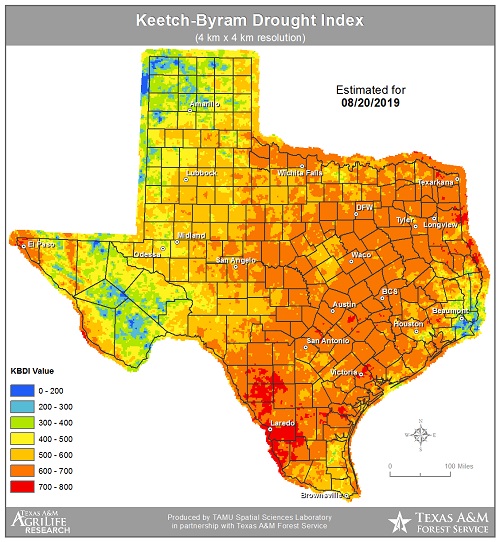
East Texas and Southeast Texas, home to Houston, Galveston, and Beaumont, fall squarely within a humid subtropical climate zone. This means hot, very humid summers, with high temperatures consistently in the 90s Fahrenheit and abundant rainfall. The humidity can make even moderate temperatures feel much hotter, necessitating lightweight, breathable clothing. This region is particularly susceptible to tropical storms and hurricanes, especially from June through November, making it essential for coastal travelers to monitor weather forecasts closely during these months. Many resorts and hotels along the Gulf Coast are equipped to handle large numbers of visitors even during peak summer, offering extensive indoor amenities and activities for those seeking refuge from the heat or unexpected rain.
Winters in East Texas are generally mild and wet, with occasional cold fronts. Spring and autumn are delightful, providing comfortable temperatures for exploring the pine forests, visiting the Houston Space Center, or enjoying the beaches of Galveston. These pleasant seasons are perfect for outdoor activities and cultural festivals, making them prime times for both luxury travel and budget-conscious explorations.
Arid Beauty: West Texas’s Desert Climate
Venturing into West Texas reveals a starkly different climate – an arid to semi-arid desert environment. Cities like El Paso and regions surrounding Big Bend National Park experience extremely hot days and surprisingly cool nights, often with significant temperature drops after sunset. The humidity is consistently low, which makes the intense heat more tolerable than in the eastern parts of the state. Summers are scorching, with temperatures frequently exceeding 100 degrees Fahrenheit, while winters are mild with occasional freezing temperatures, especially at higher elevations in areas like Guadalupe Mountains National Park.
Spring and fall are the optimal times for visiting West Texas, offering comfortable daytime temperatures for hiking, exploring unique rock formations, and stargazing in the famously dark night skies. The dry climate lends itself to rugged outdoor adventures, and accommodation often ranges from rustic cabins within parks to charming boutique hotels in historic El Paso. This region is a draw for those seeking solitude and nature, often appealing to travelers looking for authentic experiences rather than conventional resorts.
South Texas’s Subtropical Warmth
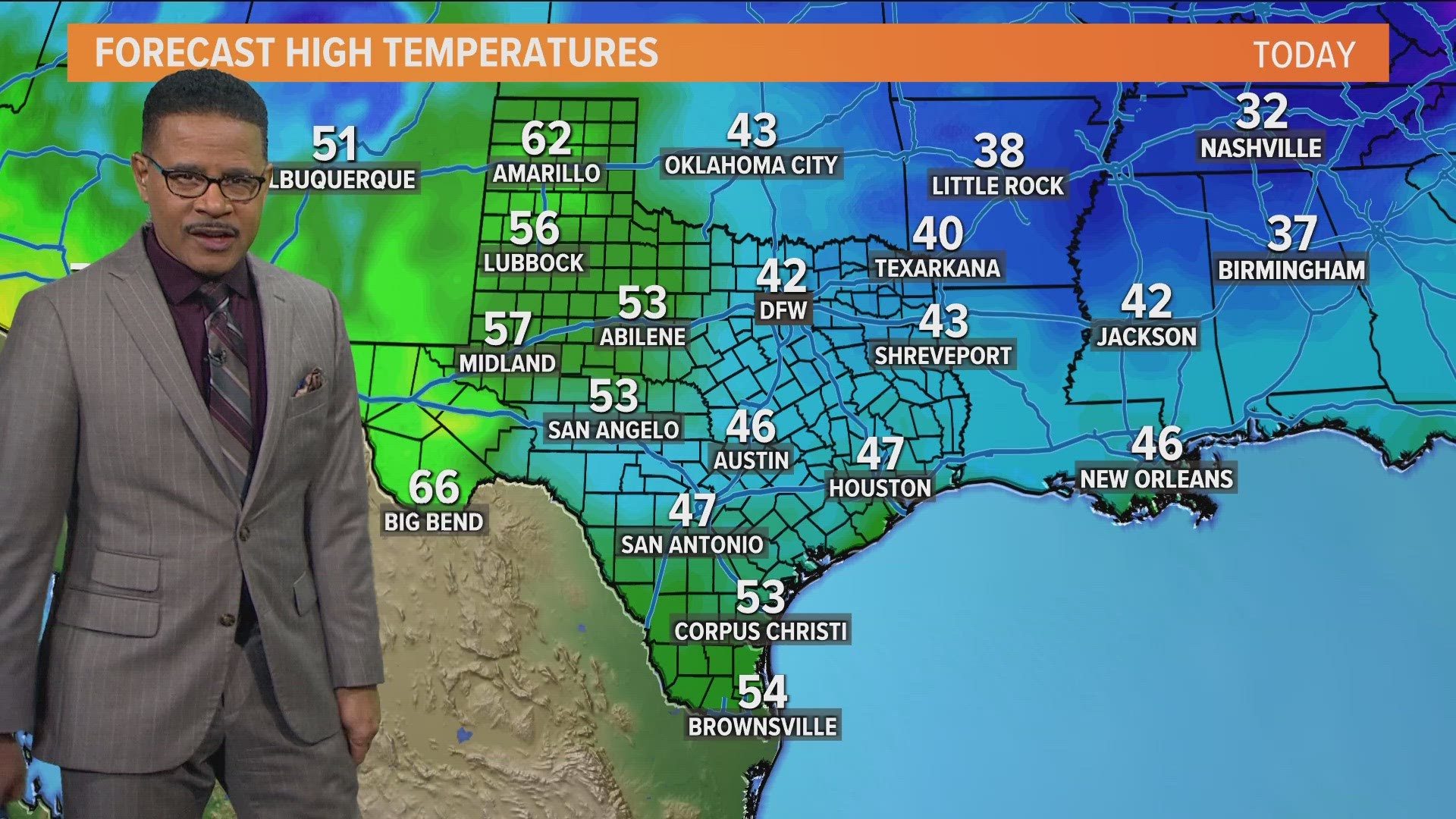
The southernmost tip of Texas, including the Rio Grande Valley and cities like Corpus Christi, McAllen, and South Padre Island, boasts a subtropical climate. This region enjoys warm to hot temperatures year-round, with mild winters that rarely see freezing conditions. Summers are long, hot, and humid, influenced by its proximity to the Gulf of Mexico. The coastal areas, like South Padre Island, benefit from refreshing sea breezes that can mitigate the oppressive heat, making them popular beach destinations.
This region is a haven for “winter Texans” – retirees and snowbirds seeking an escape from colder northern climates. They often book long-term stays in apartments, villas, and specialized resorts, taking advantage of the pleasant winter weather for birdwatching, golf, and enjoying the vibrant local culture and cuisine. Spring and autumn are delightful, offering ideal conditions for beach activities, fishing, and exploring wildlife refuges. For those planning a family trip or a relaxing getaway, booking accommodations with beachfront access or extensive outdoor amenities is highly recommended here, ensuring a comfortable and memorable experience regardless of the season.
Texas Through the Seasons: Planning Your Ideal Trip
Understanding the regional variations is the first step; the second is knowing how each season transforms the Texas experience. Timing your visit correctly can make all the difference, whether you’re chasing wildflowers, seeking a cool respite, or enjoying a brisk outdoor adventure.
Spring (March to May): Wildflowers and Mild Breezes
Spring in Texas is often heralded as the most beautiful season. The state erupts in a riot of color as bluebonnets, Indian paintbrushes, and other wildflowers carpet the Texas Hill Country and beyond. Temperatures are generally mild and comfortable across most of the state, ranging from the 60s to 80s Fahrenheit, making it an ideal time for sightseeing, hiking, and attending outdoor festivals. This is peak season for tourism in many areas, so advance booking for hotels and popular attractions is highly recommended.
However, spring also marks the beginning of severe weather season, particularly in North Texas and the Panhandle. Tornadoes, hail, and strong thunderstorms are a possibility, and travelers should monitor local forecasts closely. Despite this, the pleasant temperatures make it a prime time for exploring landmarks like Enchanted Rock State Natural Area or enjoying a leisurely stroll along the San Antonio Riverwalk. Many travel guides recommend spring for its perfect balance of comfortable weather and vibrant natural beauty, suitable for everything from romantic escapes to energetic family trips.
Summer (June to August): Heat, Humidity, and Coastal Escapes
Texas summers are synonymous with heat. Temperatures across the state frequently climb into the 90s and 100s Fahrenheit, often accompanied by high humidity, especially in the eastern and coastal regions. This season calls for a shift in travel strategies, focusing on water-based activities, indoor attractions, and accommodations designed for comfort. Coastal destinations like South Padre Island, Corpus Christi, and Galveston become immensely popular, offering beach access, water sports, and resorts with expansive pools. Family trips often revolve around waterparks like Schlitterbahn Waterpark or lakes such as Lake Travis for cooling off.
For those venturing inland, air-conditioned museums, shopping centers, and entertainment venues like Six Flags Over Texas in Arlington become prime destinations. When booking hotels during summer, prioritize amenities such as resort-style pools, complimentary cold beverages, and proximity to indoor attractions. While the heat is undeniable, a well-planned summer trip to Texas can still be incredibly rewarding, especially for those seeking vibrant nightlife and refreshing aquatic adventures. Business travelers might find the cities quieter, but reliable air conditioning is non-negotiable for comfort.
Autumn (September to November): Pleasant Temperatures and Festivities
Autumn brings a welcome reprieve from the summer heat, offering some of the most enjoyable weather for exploring Texas. Temperatures across most of the state settle into comfortable ranges, from the 60s to 80s Fahrenheit, with decreasing humidity. This season is perfect for outdoor activities like hiking in state parks, exploring city parks, or enjoying al fresco dining. While Texas isn’t famous for dramatic fall foliage like New England, certain areas, particularly in the Texas Hill Country and parts of East Texas, display beautiful autumnal colors.
Cultural events, food festivals, and sporting events (like football games at AT&T Stadium) flourish in the pleasant autumn weather. This is an excellent time for luxury travel, with many resorts offering special packages, and also ideal for budget travel as the peak summer crowds dwindle. Accommodation during this period is generally easier to secure and can often be found at more competitive rates compared to spring. Whether you’re interested in local culture, historical landmarks, or simply enjoying the crisp air, autumn provides an optimal window for a diverse range of Texan experiences.
Winter (December to February): Mild Retreats and Northern Chills
Winter in Texas is a season of contrasts. In the southern regions, particularly the Rio Grande Valley and along the Gulf Coast, winters are remarkably mild, with daytime temperatures often in the 60s and 70s Fahrenheit. This makes South Texas a popular destination for those seeking to escape colder climates, with many individuals opting for long-term stays in vacation rentals or specialized resorts. The mild weather is perfect for birdwatching, golfing, and enjoying outdoor markets without the crowds of summer.
Conversely, North Texas and the Panhandle experience colder winters, with average temperatures in the 30s and 40s Fahrenheit and occasional freezing rain or snow. While not a traditional ski destination, the Panhandle can offer a unique cold-weather experience. Even in the central cities like Dallas and Austin, occasional cold snaps can bring temperatures below freezing, so packing layers is always advisable. Many hotels offer inviting indoor amenities during these cooler months, ensuring a comfortable stay. Winter is generally a slower tourism season for much of the state, which can translate to better deals on accommodation and a more relaxed pace for exploring attractions.
Navigating Texas Weather: Tips for Travelers and Residents
Regardless of the season or region, being prepared for Texas’s dynamic weather is key to a smooth and enjoyable trip. From practical packing advice to understanding local alerts, a few essential tips can significantly enhance your travel experience.
Preparing for Extreme Weather
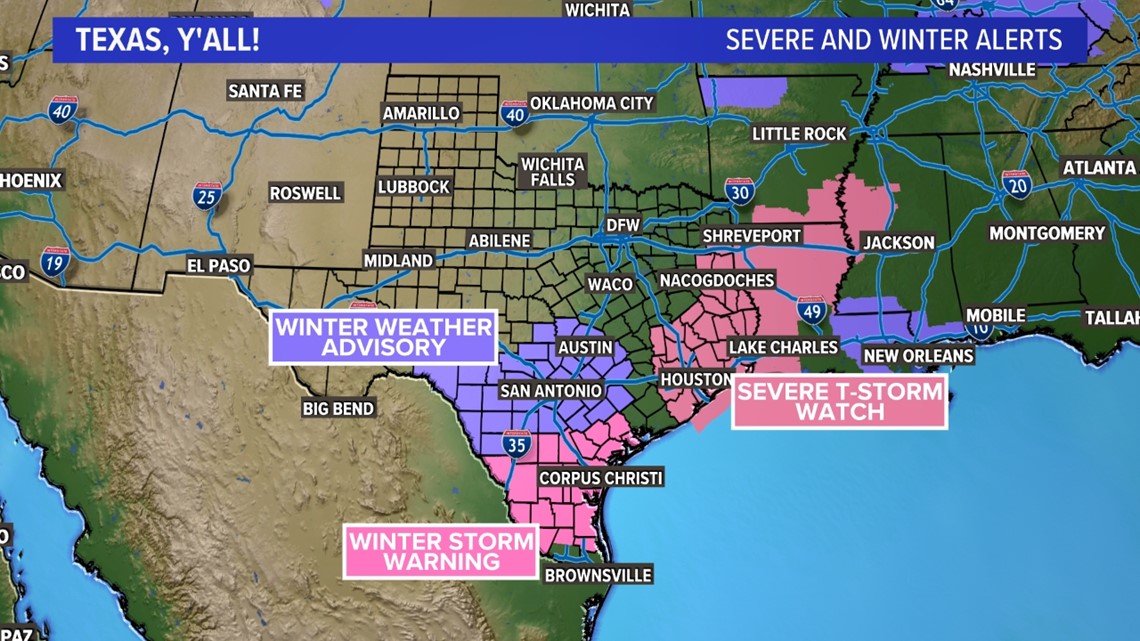
Texas is no stranger to extreme weather events. During spring, tornadoes are a significant concern, particularly in North Texas and the Panhandle. Travelers should download local weather apps, enable emergency alerts on their phones, and familiarize themselves with hotel safety procedures. Many major hotels and resorts have designated shelters or provide clear instructions in case of severe weather. For coastal areas, the hurricane season (June to November) demands vigilance. If planning a trip during these months to destinations like Galveston or Corpus Christi, consider purchasing travel insurance that covers weather-related cancellations or interruptions. Always have an evacuation plan in mind and follow local authority instructions.
Heatwaves are common across the state during summer. Stay hydrated, wear light clothing, use sunscreen, and limit strenuous outdoor activities during the hottest parts of the day. Seek out accommodations with reliable air conditioning and consider booking hotels with large pools or access to indoor leisure facilities. Flash floods can also occur rapidly, especially after heavy rainfall, so never drive through standing water. Being aware of potential weather hazards and having a contingency plan is a crucial aspect of responsible travel in Texas.
Packing Essentials for Any Season
Given the state’s diverse climates and tendency for sudden weather shifts, versatile packing is essential.
- Layers are key: Even in summer, evenings can be cooler, especially in West Texas. In spring and fall, layers allow you to adapt to warm days and cool nights.
- Sun Protection: Sunscreen, hats, and sunglasses are non-negotiable year-round, especially if you plan on spending time outdoors at landmarks like Big Bend National Park or on the beaches of South Padre Island.
- Comfortable Footwear: Whether you’re exploring city streets, hiking trails, or amusement parks, comfortable shoes are vital.
- Rain Gear: A lightweight rain jacket or umbrella is always a good idea, particularly during spring and in the humid eastern regions.
- Hydration: Always carry a reusable water bottle, especially when exploring in the heat.
For those on a budget travel adventure, packing light and smart can save on baggage fees and enhance mobility. For luxury travelers, knowing these essentials ensures comfort without compromising on style.
Best Times for Specific Texas Experiences
Matching your travel goals with the right season and region will yield the best experience:
- For Outdoor Adventures (Hiking, Camping): Spring and autumn are ideal across most of the state, especially for national parks like Big Bend National Park and state parks.
- For City Exploration (Culture, Food, Museums): Spring and autumn offer the most pleasant conditions for walking and outdoor dining in Dallas, Austin, and San Antonio. Winter is also excellent for these cities if you prefer fewer crowds and don’t mind occasional cool days.
- For Beach and Water Activities: Summer is prime time for the Gulf Coast (e.g., Galveston, South Padre Island), though spring and early autumn can also be pleasant with fewer crowds.
- For Winter Escapes: Head to South Texas and the Rio Grande Valley for consistently mild temperatures, perfect for snowbirds and those seeking a warm retreat.
- For Wildflower Viewing: Mid-March to mid-April in the Texas Hill Country is the sweet spot.
Understanding the specific activities you envision will help tailor your accommodation choices and overall travel plans, ensuring your Texas experience aligns perfectly with the state’s dynamic weather patterns. From boutique hotels in historic districts to family-friendly resorts with all the amenities, Texas offers something for every traveler, provided you come prepared for its remarkable climate.
In conclusion, the weather in Texas is as grand and varied as the state itself. From the brisk winters of the Panhandle to the humid summers of the Gulf Coast, and the arid beauty of West Texas to the temperate charms of spring in the Hill Country, every season and region offers a distinct climatic personality. By understanding these patterns, travelers can meticulously plan their journeys, selecting the perfect destinations, ideal times, and appropriate accommodations to create an unforgettable Texas experience, whether it’s a bustling urban exploration, a serene natural retreat, or an adventurous road trip across the Lone Star State.
LifeOutOfTheBox is a participant in the Amazon Services LLC Associates Program, an affiliate advertising program designed to provide a means for sites to earn advertising fees by advertising and linking to Amazon.com. Amazon, the Amazon logo, AmazonSupply, and the AmazonSupply logo are trademarks of Amazon.com, Inc. or its affiliates. As an Amazon Associate we earn affiliate commissions from qualifying purchases.