
Florida, known for its vibrant economy, stunning beaches, and diverse population, offers a compelling backdrop for both life and career. For those seeking a dynamic and stable profession within the legal field without committing to the extensive demands of becoming an attorney, a paralegal career presents an attractive and rewarding path. Becoming a paralegal in Florida is more than just securing a job; it’s about embracing a distinct professional lifestyle within one of the nation’s most exciting states. This comprehensive guide outlines the essential steps, educational requirements, and professional insights necessary to launch a successful paralegal career in the Sunshine State, making it an ideal choice for individuals looking to build a fulfilling life out of the ordinary.

Why Choose a Paralegal Career in Florida?
The decision to pursue a paralegal career in Florida is often driven by a blend of professional ambition and lifestyle aspirations. The state’s robust legal sector, coupled with its appealing quality of life, makes it a prime destination for aspiring legal professionals. Unlike some professions, the paralegal role offers a direct entry into the legal world, providing critical support to attorneys and playing an indispensable part in the delivery of legal services.
The Growing Legal Landscape in the Sunshine State
Florida’s economy is one of the largest and most diverse in the United States, fueled by tourism, real estate, international trade, and a burgeoning tech industry. This economic vibrancy directly translates into a high demand for legal services across various sectors. From corporate law firms handling complex transactions to family law practices navigating domestic relations, and personal injury firms addressing the needs of a large population, the legal landscape is broad and constantly evolving. As the population continues to grow, particularly in major metropolitan areas like Miami, Orlando, and Tampa, the need for skilled paralegals to support attorneys in managing caseloads and conducting essential legal research also expands. This sustained growth offers a stable and promising environment for paralegals seeking long-term career prospects and opportunities for specialization.
Quality of Life and Career Opportunities
Beyond professional demand, the quality of life in Florida significantly enhances the appeal of a paralegal career. Imagine a profession that offers intellectual stimulation and professional growth, complemented by the ability to enjoy world-class beaches, vibrant cultural scenes, and year-round outdoor activities. For many, the choice to become a paralegal in Florida is a conscious lifestyle decision—a way to integrate a rewarding career with a high standard of living. The state’s cost of living, while varying by city, can be more favorable than in other major legal hubs, allowing for a better work-life balance. Furthermore, the diverse demographic of Florida presents unique opportunities for paralegals who are bilingual or possess multicultural competencies, especially in areas with significant international communities. The chance to work in specialized areas such as real estate law (given the dynamic housing market), maritime law (due to its extensive coastlines), or international business law (thanks to its global trade connections) adds another layer of professional appeal unique to the state.
Educational Pathways to Becoming a Paralegal
To embark on a paralegal career in Florida, formal education is generally a prerequisite. While Florida does not have state-mandated licensing or certification requirements for paralegals, employers overwhelmingly prefer candidates who have completed an accredited paralegal education program. The quality and type of program you choose will significantly impact your employability and long-term career trajectory.
Associate’s Degree Programs
One of the most common educational pathways is obtaining an Associate’s Degree in Paralegal Studies. These two-year programs are offered at community colleges and junior colleges across Florida and provide a foundational understanding of legal principles, research methodologies, and ethical considerations. Curricula typically include courses in legal writing, litigation, contract law, criminal law, and legal technology. An Associate’s Degree prepares graduates for entry-level paralegal positions and is often a practical choice for individuals seeking to enter the workforce relatively quickly. Many programs also incorporate internships, offering invaluable hands-on experience and networking opportunities within the local legal community.
Bachelor’s Degree and Post-Baccalaureate Certificates
For those with a broader academic background or seeking a more comprehensive education, a Bachelor’s Degree in Paralegal Studies or a related field (such as criminal justice, political science, or history) followed by a post-baccalaureate paralegal certificate is another robust option. A Bachelor’s Degree provides a deeper academic foundation and hones critical thinking and research skills that are highly valued in the legal profession. Post-baccalaureate certificate programs are specifically designed for individuals who already hold a bachelor’s degree in any discipline and wish to specialize in paralegal studies. These intensive programs typically last between six months to a year and focus specifically on legal concepts and practical skills required for the paralegal role. Graduates of these programs often demonstrate a higher level of analytical capability and can be more competitive for positions in larger law firms or specialized legal departments.
Florida Bar Association Guidelines and National Certification
While Florida does not regulate the paralegal profession through state licensure, the Florida Bar Association has adopted specific guidelines for the utilization of paralegals by attorneys. These guidelines emphasize the importance of appropriate education and experience. Attorneys are ethically responsible for ensuring that their paralegals are competent and do not engage in the unauthorized practice of law. Adhering to these guidelines, employers typically look for candidates who meet certain educational benchmarks.
Furthermore, aspiring paralegals can enhance their credentials by pursuing national certification. Organizations like the National Association of Legal Assistants (NALA) and the National Federation of Paralegal Associations (NFPA) offer voluntary certification exams. Passing these exams (e.g., NALA’s Certified Paralegal (CP) exam or NFPA’s Paralegal Advanced Competency Exam (PACE)) demonstrates a high level of professional competence and commitment, often leading to better job opportunities and higher earning potential. While not mandatory, national certification is highly respected within the legal community and can be a significant asset in a competitive job market.
Gaining Experience and Professional Development
Education lays the groundwork, but practical experience and ongoing professional development are crucial for truly thriving as a paralegal in Florida. The legal field is dynamic, constantly evolving with new laws, technologies, and practices, making continuous learning and hands-on application indispensable.
Internships and Entry-Level Positions
One of the most effective ways to bridge the gap between academic knowledge and practical application is through internships. Many paralegal programs in Florida incorporate mandatory or optional internship components, placing students in law firms, corporate legal departments, government agencies, or non-profit organizations. Internships offer invaluable exposure to the day-to-day operations of a legal office, allowing aspiring paralegals to apply their skills in a real-world setting, observe experienced professionals, and build a network of contacts. Even if not required by your program, actively seeking out volunteer or paid internships can provide a competitive edge.
Upon graduation, securing an entry-level paralegal position, legal assistant role, or legal secretary position is the next logical step. While these roles may involve more administrative tasks initially, they provide critical hands-on experience in drafting documents, managing case files, scheduling, and client communication. Demonstrating diligence and a willingness to learn in these foundational roles can quickly lead to more complex paralegal responsibilities. Many firms prefer to hire entry-level candidates and train them according to their specific practices, offering a structured environment for professional growth.
Networking and Professional Organizations
Networking is paramount in the legal profession. Connecting with attorneys, other paralegals, and legal professionals can open doors to mentorship, job opportunities, and collaborative ventures. Florida boasts several active professional organizations dedicated to paralegals, such as the Florida Paralegal Association (FPA) and various local paralegal associations in cities like Miami, Orlando, and Tampa. These organizations host regular meetings, workshops, and conferences that provide excellent opportunities to meet peers, learn about current legal trends, and access continuing education credits. Becoming an active member of such an association not only enhances your professional profile but also demonstrates your commitment to the profession and fosters a sense of community.
Continuing Education and Specializations
The legal field is not static, and competent paralegals must continuously update their knowledge and skills. Continuing Legal Education (CLE) is essential for staying current with changes in law, technology, and legal procedures. Many professional paralegal associations, including the Florida Paralegal Association, offer CLE courses and seminars. Additionally, paralegals can pursue specialized training in areas such as intellectual property, environmental law, healthcare law, or litigation support. Specialization can make a paralegal highly valuable to firms focusing on niche areas of law, potentially leading to higher earning potential and more challenging, rewarding work. The choice to specialize can also align with personal interests, further enriching the “lifestyle” aspect of a paralegal career in Florida.
Navigating the Job Market in Florida
With education and experience under your belt, the final step is to effectively navigate the job market in Florida. Understanding where the opportunities lie, what employers seek, and what to expect in terms of compensation will help you strategically plan your job search and secure a fulfilling role.
Key Legal Hubs
Florida’s legal job market is concentrated in its major metropolitan areas. Miami, as an international business hub, offers extensive opportunities in corporate, international, and maritime law. Its vibrant and diverse population also fuels demand in family law, immigration law, and real estate. Orlando, famous for its tourism industry, has a strong demand for paralegals in hospitality law, intellectual property (related to entertainment), and personal injury. Tampa and its surrounding areas are growing rapidly, with opportunities spanning healthcare law, environmental law, and general civil litigation. Other cities like Jacksonville, Tallahassee (the state capital with government legal offices), and Fort Lauderdale also present significant job prospects across various legal disciplines. Focusing your job search on these key legal hubs will maximize your chances of finding a suitable position.
Types of Law Firms and Legal Departments
Paralegals can find employment in a diverse range of settings. Traditional private law firms vary in size from small solo practices to large multi-national firms, each offering different work environments and types of cases. Corporate legal departments within companies across various industries (e.g., finance, technology, healthcare) also employ paralegals to handle internal legal matters, compliance, and contract management. Government agencies, such as the Attorney General’s office, state prosecutor’s offices, public defender’s offices, and local government legal departments, provide opportunities in public service. Non-profit organizations and legal aid societies also hire paralegals to assist underserved communities. Each setting offers a unique professional experience and often requires different specializations. Tailoring your application to the specific type of firm or department and demonstrating an understanding of their particular legal focus will be beneficial.

Salary Expectations and Career Growth
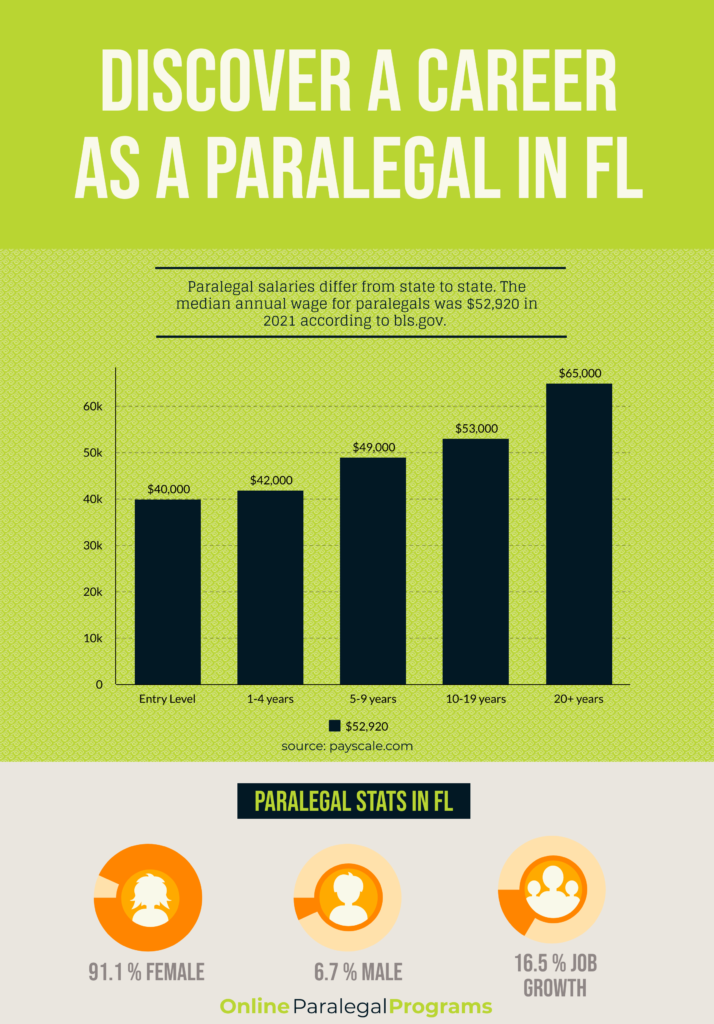
Paralegal salaries in Florida can vary significantly based on factors such as education, experience, specialization, location, and the type of employer. Entry-level positions may offer salaries in the mid-$30,000s, while experienced paralegals with specialized skills and national certifications in major metropolitan areas can command salaries upwards of $60,000 to $80,000 or more annually. Beyond salary, career growth for paralegals is robust. With experience, paralegals can advance to senior paralegal roles, lead paralegal teams, or specialize in complex areas of law. Some even transition into legal management, compliance roles, or even pursue law school to become attorneys themselves. The paralegal profession in Florida offers a clear path for professional advancement and the opportunity to build a stable, rewarding career that truly allows you to live a life out of the box, contributing significantly to the legal fabric of the Sunshine State.
LifeOutOfTheBox is a participant in the Amazon Services LLC Associates Program, an affiliate advertising program designed to provide a means for sites to earn advertising fees by advertising and linking to Amazon.com. Amazon, the Amazon logo, AmazonSupply, and the AmazonSupply logo are trademarks of Amazon.com, Inc. or its affiliates. As an Amazon Associate we earn affiliate commissions from qualifying purchases.