
The majestic Niagara Falls beckons travelers from all corners of the globe, and for those embarking on a journey from the bustling metropolis of New York, the prospect of reaching this natural wonder is an exciting part of the adventure. Whether you’re seeking a scenic road trip, a swift flight, or a comfortable train ride, numerous avenues exist to transport you from the Empire State to the awe-inspiring cascades. This guide aims to provide a comprehensive overview of the most effective and enjoyable methods for making your way to one of North America’s most iconic attractions.
Planning Your Journey: Key Considerations
Before setting out, a little planning can go a long way in ensuring a smooth and memorable trip. Understanding the various transportation options, their associated costs, and travel times will allow you to select the method that best suits your budget, schedule, and travel style.
Understanding the Two Niagara Falls
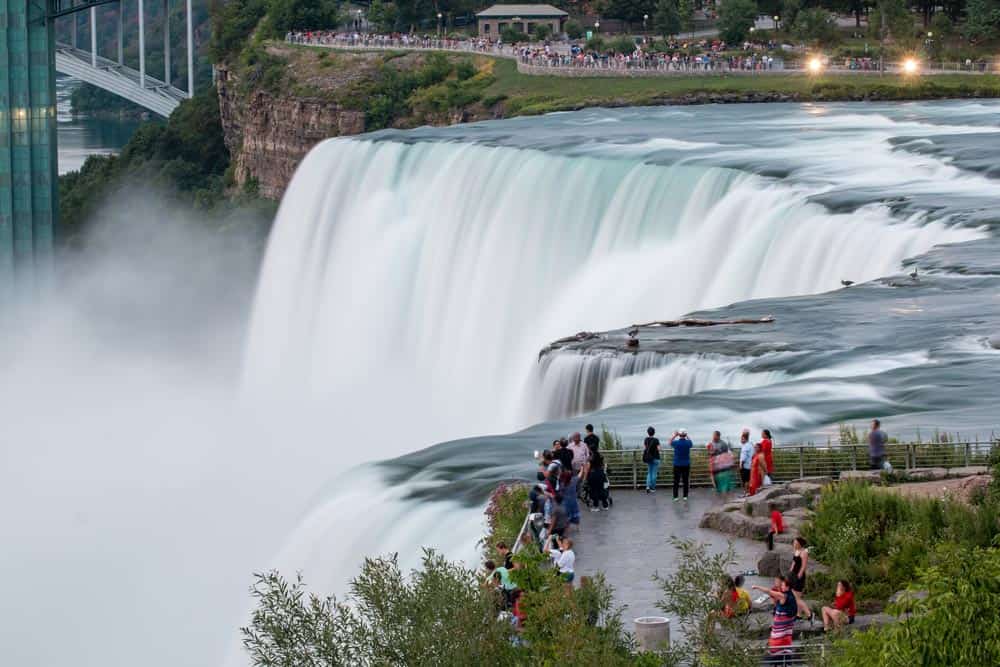
It’s crucial to distinguish between the two primary locations of Niagara Falls. The world-renowned waterfalls straddle the international border between Canada and the United States. While both sides offer breathtaking views, the Canadian side is generally considered to have more panoramic vistas and a more developed tourist infrastructure, including attractions like Clifton Hill. The U.S. side, located within Niagara Falls State Park, offers a more natural and less commercialized experience, with attractions like Cave of the Winds and Maid of the Mist. Your choice of which side to visit will influence your travel route and potential border crossing requirements.
Best Time to Visit
The best time to visit Niagara Falls from New York depends on your preferences. Spring (April-May) and Fall (September-October) offer pleasant weather and fewer crowds. Summer (June-August) is the peak season, with warm temperatures and a vibrant atmosphere, but expect larger crowds and higher prices. Winter (November-March) presents a unique spectacle with frozen cascades and icy landscapes, but many attractions may be closed, and temperatures can be extreme.
Budgeting for Your Trip
New York to Niagara Falls trips can vary significantly in cost. Consider the expense of transportation, accommodation, food, and activities. Flights will generally be the most expensive but fastest option. Driving offers flexibility but incurs costs for gas, tolls, and potential overnight stays. Train travel can be a cost-effective and relaxing alternative. Factor in the cost of admission to attractions on either the U.S. or Canadian side, as well as any international roaming charges if you plan to use your phone in Canada.
Transportation Options from New York to Niagara Falls
Navigating the distance between New York City and Niagara Falls involves a few primary modes of transport, each with its own set of advantages and considerations.
By Air: The Fastest Route
For those prioritizing speed and convenience, flying is the most efficient option. The nearest airports to Niagara Falls are Buffalo Niagara International Airport (BUF) on the U.S. side and John C. Munro Hamilton International Airport (YHM) or Toronto Pearson International Airport (YYZ) on the Canadian side.
Flights to Buffalo Niagara International Airport (BUF)
Several major airlines operate direct and connecting flights from New York City’s airports, including JFK, LGA, and EWR, to BUF. The flight duration is typically around 1.5 hours. Upon arrival at BUF, you have several options to reach Niagara Falls:
- Rental Car: This offers the most flexibility for exploring the region. Rental agencies are readily available at the airport. The drive from BUF to Niagara Falls, New York, is approximately 30-40 minutes.
- Shuttle Services: Various shuttle companies operate between BUF and Niagara Falls. Booking in advance is recommended.
- Ride-Sharing Services: Apps like Uber and Lyft are available for transport from the airport.
- Taxis: Traditional taxi services are also an option.
Flights to Canadian Airports (YHM or YYZ)
If your primary interest is the Canadian side of the falls, flying into Hamilton (YHM) or Toronto (YYZ) is an alternative. Flight times and costs may vary. From YYZ, you can rent a car (approx. 1.5-2 hour drive to Niagara Falls, Ontario), take a bus, or arrange for private transport. From YHM, the drive is slightly shorter. Remember to factor in potential border crossing times if arriving by air in Canada and then driving to the falls.
By Car: The Scenic and Flexible Choice
Driving from New York to Niagara Falls offers unparalleled flexibility, allowing you to set your own pace and make stops along the way. The most direct route is approximately 400 miles, typically taking 6-7 hours of driving time without significant stops, depending on traffic conditions.
The Route and Tolls
The primary route involves taking I-80 West out of the New York metropolitan area, then connecting to routes that will lead you towards Western New York. A common path includes I-80 W to I-380 N to I-81 N, then switching to I-90 West (New York State Thruway). The New York State Thruway is a toll road, so be prepared for toll plazas. You can pay with cash or an E-ZPass.
Stopping Points and Attractions
The drive offers opportunities to break up the journey and explore other points of interest. Consider stopping in charming towns like the Finger Lakes region for wine tasting, or Syracuse for a break. The journey itself can be part of the experience, offering glimpses of New York‘s diverse landscapes.
Border Crossing Considerations (if heading to Canada)
If your destination is Niagara Falls, Ontario, you will need to cross the border. Ensure you have the necessary documentation: a valid passport (for U.S. citizens) or U.S. Permanent Resident Card, and potentially a Canada eTA for citizens of certain countries. Be aware of Canada Border Services Agency regulations regarding what you can bring across the border. Traffic at the border crossings can sometimes cause delays, especially during peak travel times.
By Train: A Relaxing Alternative
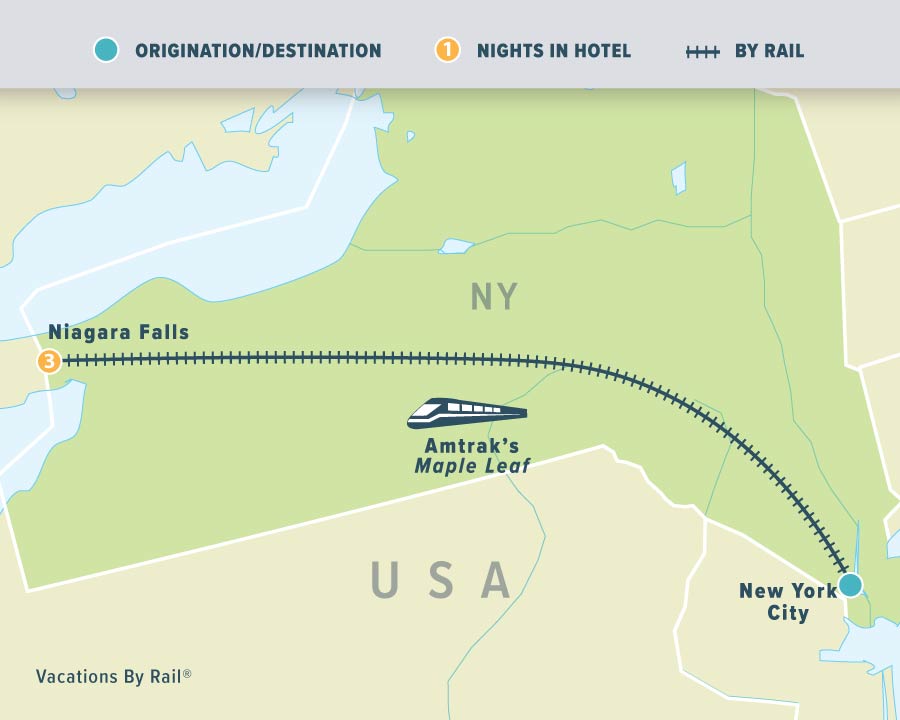
For a more leisurely and eco-friendly travel experience, the train is an excellent option. Amtrak offers service from New York Penn Station to Niagara Falls, NY.
Amtrak Service to Niagara Falls, NY
The Maple Leaf train route is the primary Amtrak service connecting New York City to Niagara Falls. This route travels north through the Hudson Valley and the scenic Mohawk Valley before heading west. The journey typically takes around 8-9 hours. While longer than flying, it offers a comfortable and relaxing way to travel, with the opportunity to enjoy the changing scenery.
From Niagara Falls Station to Your Destination
The Niagara Falls Amtrak station is conveniently located in Niagara Falls, New York, offering easy access to local transportation options. From the station, you can take a taxi, ride-sharing service, or local bus to reach your accommodation or the Niagara Falls State Park. If you plan to visit the Canadian side, you will need to arrange transport across the border from the station.
Exploring Niagara Falls: Getting Around Once You Arrive
Upon reaching the Niagara Falls region, whether on the U.S. or Canadian side, you’ll find various ways to navigate and experience the attractions.
U.S. Side: Niagara Falls State Park and Beyond
Niagara Falls State Park, the oldest state park in the United States, is the focal point of the U.S. side.
- On Foot: Many of the primary attractions within the park, such as Prospect Point, Terrapin Point, and Luna Island, are easily accessible on foot. Comfortable walking shoes are essential.
- Niagara Scenic Trolley: This hop-on, hop-off trolley service is an excellent way to get around the park and to nearby points of interest. It provides narrated tours and convenient stops at key locations.
- Go Niagara Parks Shuttle: This seasonal shuttle connects various attractions on the U.S. side, including the Niagara Falls State Park, Cave of the Winds, and Maid of the Mist.
- Taxis and Ride-Sharing: For excursions beyond the immediate park area or for reaching your accommodation, taxis and ride-sharing services are available.
Canadian Side: A Hub of Activity
The Canadian side offers a more expansive vista of the falls and a wider array of attractions.
- WEGO Bus System: This integrated bus system is the most convenient way to travel between major hotels, attractions, and tourist areas on the Canadian side. It connects key points like Clifton Hill, Skylon Tower, and the Fallsview Tourist Area.
- Walking: Many attractions along the Niagara Parkway are walkable, offering stunning views as you stroll.
- Taxis and Ride-Sharing: Readily available for transportation throughout Niagara Falls, Ontario, and to other nearby destinations.
- Car Rental: If you’ve driven to Canada or rented a car from a Canadian airport, you can use your vehicle to explore, but be mindful of parking availability and costs in popular areas.
Crossing the Border Between the U.S. and Canadian Sides
If you plan to experience both sides of the falls, you’ll need to cross the border.
- Rainbow Bridge: This is the most popular pedestrian and vehicle crossing. You can walk across, offering spectacular views of the falls. If driving, be prepared for potential wait times.
- Whirlpool Bridge: Primarily for commercial vehicles and NEXUS pass holders.
- Lewiston-Queenston Bridge: Another option for vehicle traffic, further north.
Remember to have your passport or other required identification readily accessible. The Niagara Falls Incline Railway can also transport pedestrians between the upper and lower levels of the gorge on the Canadian side, offering a unique perspective.
Preparing for Your Niagara Falls Adventure
With your travel arrangements solidified, a few final preparations will enhance your experience at Niagara Falls.
Packing Essentials
- Comfortable Footwear: You’ll be doing a lot of walking, so prioritize comfortable shoes.
- Water-Resistant Gear: Many attractions, like the Maid of the Mist and Cave of the Winds, involve getting wet. Pack a poncho or wear quick-drying clothing. A waterproof bag for your electronics is also a wise precaution.
- Layers of Clothing: The weather around the falls can change quickly. Dressing in layers will allow you to adapt to varying temperatures.
- Camera and Extra Batteries/Memory Cards: You’ll want to capture the magnificent scenery.
- Sunscreen and Hat: Even on cloudy days, the mist can reflect sunlight.
- Insect Repellent: Especially during warmer months, insects can be present.
- Identification: Passports are essential for crossing the border.
- Chargers and Adapters: If traveling to Canada, you may need a plug adapter.
Booking Accommodations
Whether you choose the U.S. or Canadian side, there are numerous accommodation options to suit every budget and preference. From luxurious hotels with falls views, like the Marriott Fallsview Hotel & Spa or the Sheraton Fallsview Hotel, to more budget-friendly motels and vacation rentals, booking in advance, especially during peak season, is highly recommended. Consider proximity to attractions and transportation links when making your choice.
Essential Attractions to Consider
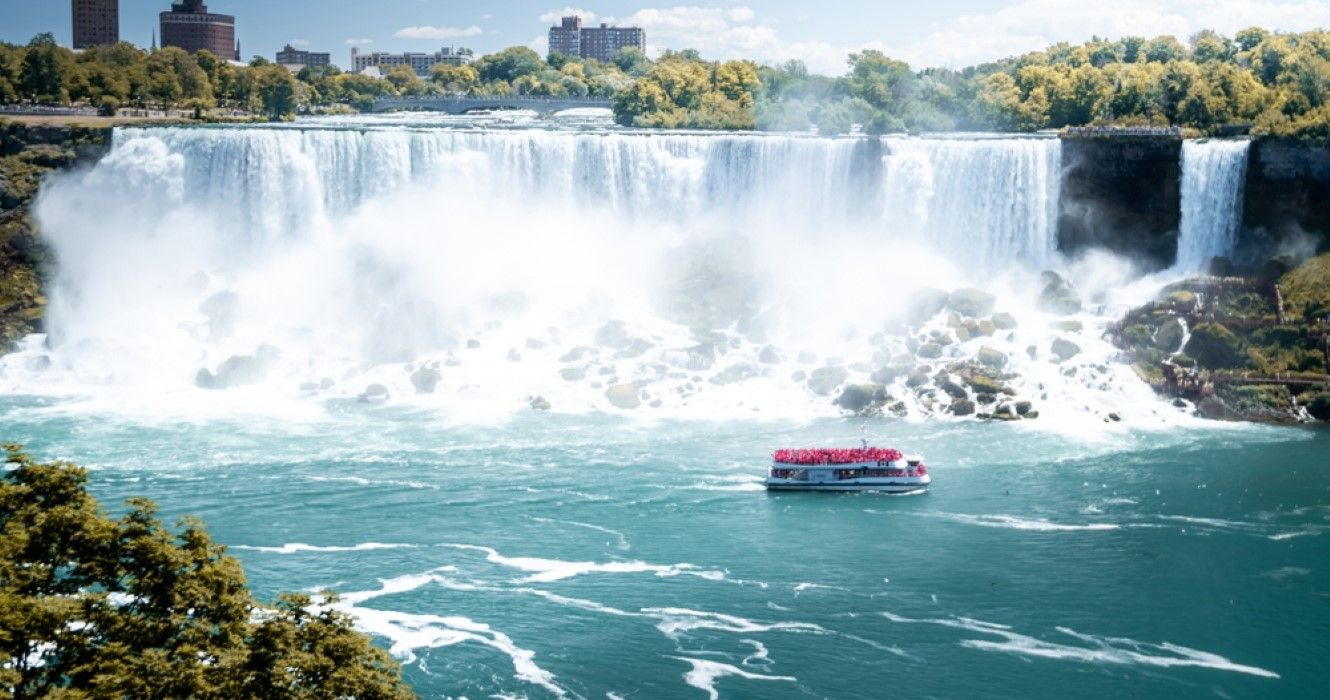
- U.S. Side: Maid of the Mist boat tour, Cave of the Winds (walk along the Niagara Gorge to the Bridal Veil Falls), Niagara Falls State Park observation tower, Aquarium of Niagara.
- Canadian Side: Journey Behind the Falls, Skylon Tower for panoramic views, Clifton Hill for entertainment, Niagara City Cruises (formerly Hornblower Niagara Cruises) boat tour, Niagara Parks Botanical Gardens.
By carefully considering your transportation options, planning your local movements, and making a few key preparations, your journey from New York to the breathtaking Niagara Falls will be an unforgettable experience.
LifeOutOfTheBox is a participant in the Amazon Services LLC Associates Program, an affiliate advertising program designed to provide a means for sites to earn advertising fees by advertising and linking to Amazon.com. Amazon, the Amazon logo, AmazonSupply, and the AmazonSupply logo are trademarks of Amazon.com, Inc. or its affiliates. As an Amazon Associate we earn affiliate commissions from qualifying purchases.