
Embarking on a new career path is often a pivotal lifestyle decision, signaling a desire for change, growth, and new opportunities. For many, the allure of a dynamic profession in a thriving market like Florida makes obtaining a real estate license an exceptionally attractive venture. Florida, known for its pristine beaches, vibrant culture, and robust economy, offers a unique landscape for real estate professionals. Whether you dream of helping families find their perfect home in Miami, facilitating commercial deals in Orlando, or assisting retirees in securing their slice of paradise in Naples, a real estate license is your gateway. This comprehensive guide will walk you through the journey of becoming a licensed real estate agent in the Sunshine State, framing it as an impactful lifestyle choice that offers flexibility, significant income potential, and the chance to truly make a mark.

Embarking on a New Florida Lifestyle: Why Real Estate?
Choosing a career in real estate in Florida is more than just getting a job; it’s adopting a lifestyle characterized by autonomy, continuous learning, and direct interaction with the market’s pulse. The state’s diverse population, constant influx of new residents, and status as a top tourist destination contribute to a perpetually active real estate market. This dynamism translates into consistent demand for skilled professionals who can navigate property sales, rentals, and investments.
For those seeking flexibility, real estate offers a unique advantage. While success often demands significant dedication, you largely control your schedule, allowing for a better work-life balance that aligns with personal priorities. This self-driven nature appeals to entrepreneurs, parents, and individuals who thrive in environments where their efforts directly correlate with their rewards. Furthermore, the role of a real estate agent is inherently social, requiring excellent communication and negotiation skills, fostering a lifestyle rich in human connection and community involvement. It’s a career where every day presents new challenges and opportunities, ensuring that monotony is rarely an issue.
The Foundational Steps: Eligibility and Pre-Licensing Education
Before you can even dream of showing properties or closing deals, there are fundamental requirements and educational milestones you must achieve. These steps are designed to ensure that all licensed professionals possess the necessary foundational knowledge and ethical understanding to serve the public effectively.
Eligibility Requirements: Are You Ready?
The journey begins with meeting the basic eligibility criteria set forth by the Florida Department of Business and Professional Regulation (DBPR), the governing body for real estate licensing in the state. To be eligible, you must:
- Be at least 18 years of age. This is a standard requirement for most professional licenses, ensuring legal maturity.
- Hold a high school diploma or its equivalent (GED). This confirms a foundational level of education.
- Possess a Social Security number. This is crucial for identification and background checks.
- Be honest, truthful, trustworthy, and of good character. This is a critical ethical standard. The DBPR will conduct a background check, which includes fingerprinting, to ascertain any criminal history. Certain offenses might disqualify an applicant, though each case is reviewed individually. Full disclosure of any past criminal history, even if records have been sealed or expunged, is mandatory to avoid application denial.
Understanding these initial hurdles is crucial. They are not mere formalities but safeguards to uphold the integrity of the real estate profession in Florida.
Choosing Your Pre-Licensing Education Provider
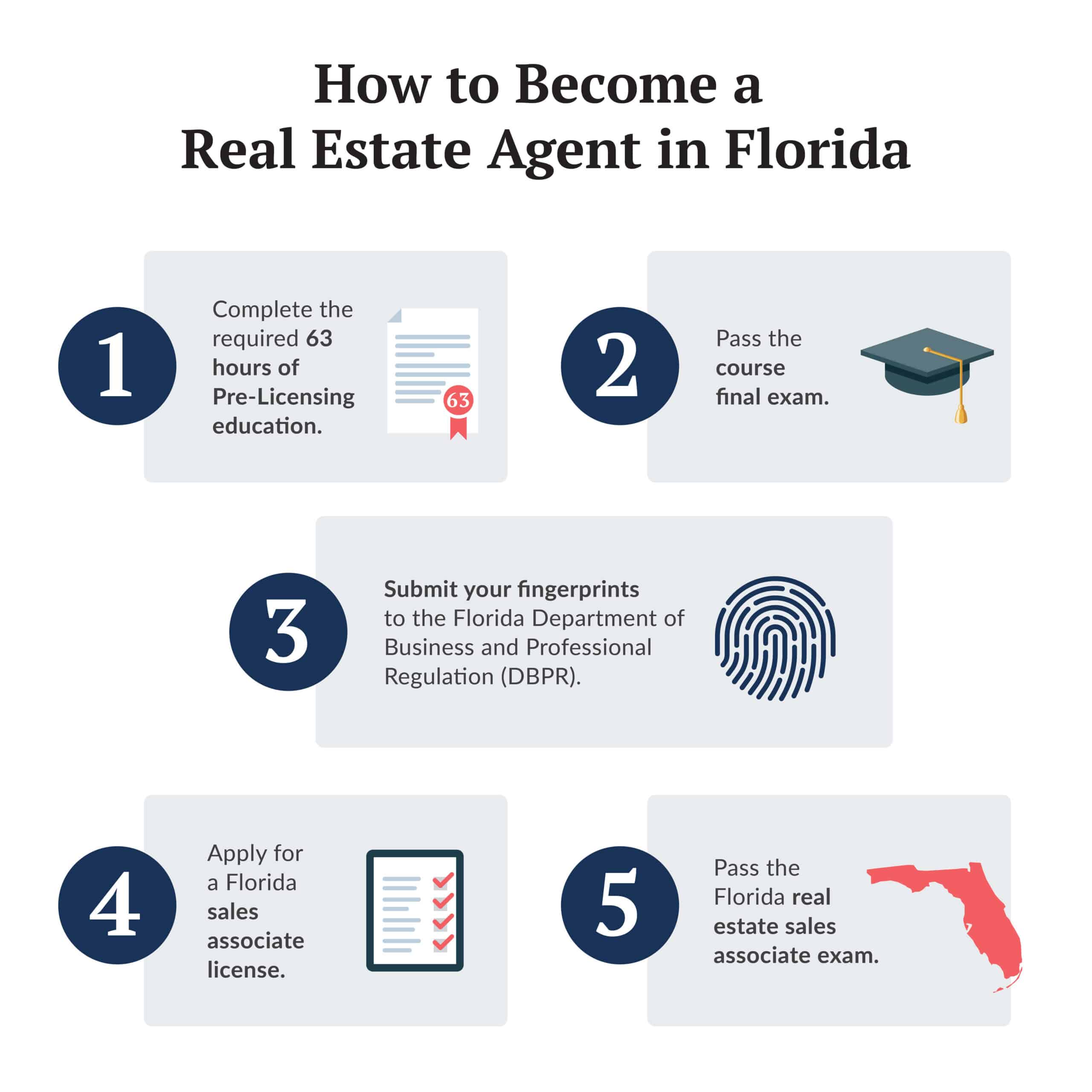
Once you’ve confirmed your eligibility, the next significant step is completing the mandatory pre-licensing education. Florida requires all prospective sales associates to complete a 63-hour pre-licensing course. This course is comprehensive, covering essential topics such as Florida real estate law, property rights, contracts, agency relationships, and finance.
Selecting the right education provider is paramount to your success. You have several options:
- Online Schools: Offer flexibility for those with busy schedules or who prefer to learn at their own pace. They typically provide interactive modules, practice exams, and sometimes even live online instructor support. This option is ideal for integrating your studies into an existing lifestyle.
- Classroom-Based Schools: Provide a traditional learning environment with direct instructor interaction and opportunities for networking with fellow students. This can be beneficial for those who thrive in a structured setting and appreciate immediate answers to questions.
- Hybrid Programs: Combine elements of both online and in-person learning, offering a balanced approach.
When choosing a provider, consider factors such as accreditation, instructor quality, pass rates for the state exam, and the availability of study resources. A good pre-licensing course won’t just teach you the material; it will prepare you for the rigor of the state exam and lay a strong foundation for your future career. Upon successful completion of the course and passing its end-of-course exam, you’ll receive a certificate of completion, which is essential for your license application.
Navigating the Application and Examination Process
With your pre-licensing education complete, the path narrows to the official application and the ultimate challenge: the state licensing exam. This phase requires meticulous attention to detail and dedicated preparation.
Applying to the DBPR
After obtaining your pre-licensing course completion certificate, your next step is to submit your application to the DBPR. The application process involves several critical components:
- Online Application: The most efficient way to apply is through the DBPR’s online portal.
- Fees: There are application and licensing fees that must be paid at the time of submission.
- Fingerprinting and Background Check: As mentioned, a criminal background check is mandatory. You will need to get your fingerprints electronically scanned by a DBPR-approved vendor. The results are electronically submitted directly to the Florida Department of Law Enforcement (FDLE) and the Federal Bureau of Investigation (FBI) for review. It is crucial to initiate this process early, as background checks can take several weeks to process.
- Affirmation of Application: You must attest to the truthfulness and accuracy of all information provided in your application. Any misrepresentation can lead to severe penalties, including denial of your license.
The DBPR will review your application and background check results. If everything is in order, they will approve your application and provide you with an authorization to take the state exam. This approval typically lasts for two years, giving you ample time to schedule and pass the exam.
Conquering the State Exam
This is arguably the most nerve-wracking part of the process, but with adequate preparation, it is entirely conquerable. The Florida real estate sales associate exam is administered by a third-party testing service (currently Pearson Vue).
- Exam Format: The exam consists of 100 multiple-choice questions, covering a broad range of topics from your pre-licensing course, including real estate principles, practices, law, and computations. You are given 3.5 hours to complete the exam.
- Passing Score: A minimum score of 75 out of 100 is required to pass.
- Preparation: Your pre-licensing course is your primary study guide. However, many candidates benefit from additional resources such as practice exams, study groups, and review courses offered by various real estate schools. Focus on understanding concepts rather than rote memorization, especially for calculations and legal principles. Familiarize yourself with the exam structure and time management strategies.
Upon passing the state exam, you’ve cleared the final hurdle to becoming a licensed real estate sales associate in Florida. You will receive notification of your pass immediately after completing the computer-based test.
Post-License Essentials: What Comes Next?
Passing the exam is a monumental achievement, but it’s just the beginning of your professional lifestyle in real estate. There are a few more steps to take before you can legally practice and important considerations for maintaining your license and building a successful career.
Activating Your License and Brokerage Affiliation
Your license is considered “inactive” until it is registered with a licensed real estate broker. In Florida, all sales associates must operate under the supervision of a broker. This affiliation is crucial for several reasons:
- Legal Requirement: It’s illegal to perform real estate activities for compensation without being registered under a broker.
- Mentorship and Support: A good brokerage provides training, resources, and mentorship, which are invaluable for new agents.
- Access to Resources: Brokerages typically offer access to the Multiple Listing Service (MLS), marketing tools, office space, and administrative support.
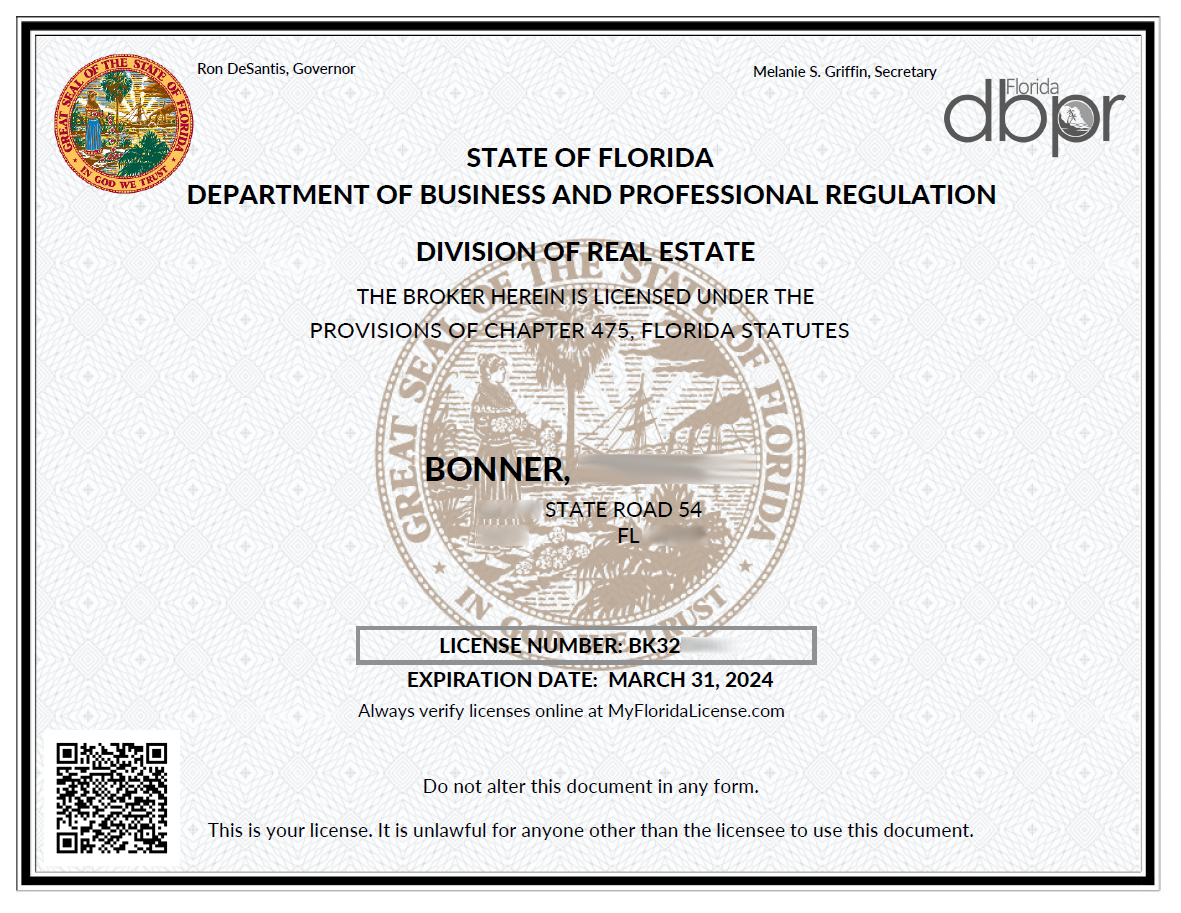
Choosing the right broker is a significant decision that will shape your early career and professional lifestyle. Research different brokerages, consider their commission splits, training programs, company culture, and the support they offer. Interview several brokers to find one that aligns with your goals and working style. Once you’ve chosen a broker, they will submit the necessary paperwork to the DBPR to activate your license.
Continuing Education: Upholding Your Professional Lifestyle
The learning doesn’t stop once you’ve obtained your license. Florida mandates continuing education to ensure that real estate professionals stay current with changes in laws, market trends, and ethical practices. This commitment to ongoing learning is a defining characteristic of a successful professional lifestyle.
- First Renewal Period: For your first license renewal, you are required to complete a 45-hour post-licensing course. This course is more in-depth than the pre-licensing education and is specifically designed to transition new agents from theoretical knowledge to practical application. Failure to complete this course before your first license expiration will render your license null and void, requiring you to start the entire licensing process over again.
- Subsequent Renewals: After your first renewal, you must complete 14 hours of continuing education every two years to maintain your active license. This includes core law updates and elective hours on various real estate topics.
Embracing continuing education as a vital part of your lifestyle ensures you remain competent, compliant, and competitive in Florida’s dynamic real estate market.
Maximizing Your Real Estate Career in the Sunshine State
Securing your Florida real estate license is a fantastic first step towards a fulfilling and prosperous professional lifestyle. To truly thrive, however, you must commit to continuous development, strategic networking, and ethical practice.
- Build Your Sphere of Influence: Your network is your net worth in real estate. Start by informing friends, family, and acquaintances about your new career. Attend local community events, join professional organizations, and leverage social media to expand your reach.
- Specialize (Optional but Recommended): While you’ll start as a general sales associate, considering a niche can set you apart. This could be residential properties, commercial real estate, luxury homes, distressed properties, or even a specific neighborhood or city like Sarasota or St. Petersburg. Specialization allows you to become an expert in a particular segment, attracting targeted clients.
- Master Marketing and Technology: In today’s digital age, strong online presence is non-negotiable. Learn how to use professional photography, virtual tours, social media marketing, and customer relationship management (CRM) tools. Many brokerages offer training in these areas, or you can pursue independent courses.
- Cultivate Resilience and Persistence: The real estate market can have its ups and downs. Deals can fall through, and competition can be fierce. A resilient mindset, coupled with unwavering persistence, is vital for long-term success. Every challenge is an opportunity to learn and grow.
- Uphold Ethics and Professionalism: Your reputation is your most valuable asset. Always act with integrity, transparency, and a commitment to your clients’ best interests. Adhering to the Florida real estate laws and professional code of ethics will not only ensure compliance but also build trust and foster lasting relationships, defining a respected professional lifestyle.
Obtaining a Florida real estate license is a journey that demands dedication, education, and strategic execution. It’s an investment in yourself and a gateway to a dynamic professional lifestyle where your hard work directly shapes your success and impact. With the right approach and a commitment to excellence, you can build a thriving career in one of the most exciting real estate markets in the world, living a life “out of the box” defined by growth, opportunity, and personal fulfillment.
LifeOutOfTheBox is a participant in the Amazon Services LLC Associates Program, an affiliate advertising program designed to provide a means for sites to earn advertising fees by advertising and linking to Amazon.com. Amazon, the Amazon logo, AmazonSupply, and the AmazonSupply logo are trademarks of Amazon.com, Inc. or its affiliates. As an Amazon Associate we earn affiliate commissions from qualifying purchases.