
Navigating the administrative landscape of vehicle ownership can sometimes feel like a complex journey, especially when specific details are required for various transactions or compliance. For anyone owning or operating a vehicle in Florida, understanding where to locate your vehicle registration number is an essential piece of knowledge. Whether you are a long-time resident, a recent transplant, or planning an extended stay that necessitates dealing with local vehicle regulations, this guide offers a comprehensive roadmap to finding this crucial identifier, ensuring smooth sailing on Florida’s roads and in its administrative offices. This information is vital for maintaining legal compliance, facilitating vehicle-related services, and ultimately, ensuring your peace of mind while traveling or residing in the Sunshine State.

Understanding Your Florida Vehicle Registration Number and Its Significance
Before diving into the “where,” it’s crucial to grasp the “what” and “why” behind your Florida vehicle registration number. This unique identifier plays a pivotal role in vehicle administration and ownership.
What is a Florida Vehicle Registration Number?
A Florida vehicle registration number is a specific identifier found on your vehicle’s registration certificate. While often confused with your Vehicle Identification Number (VIN) or license plate number, it serves a distinct purpose. The license plate number identifies your vehicle visually on the road, and the VIN is a universal serial number unique to your specific vehicle chassis, permanently stamped on the vehicle. The registration number, however, is an administrative control number assigned by the Florida Department of Highway Safety and Motor Vehicles (FLHSMV) to your registration record. It’s typically referred to as the “control number” on the registration document itself and is crucial for linking your vehicle to your ownership record within the state’s system.
Why is it Important to Know Your Registration Number?
Knowing your registration number is fundamental for numerous vehicle-related activities and legal compliance in Florida:
- Registration Renewal: This number is almost always required when renewing your vehicle registration, whether online, by mail, or in person. It acts as a primary key to pull up your specific vehicle record.
- Vehicle Transfer and Sale: When buying or selling a vehicle, the registration details, including this number, are essential for proper transfer of ownership and ensuring all legalities are met.
- Insurance Claims: Your insurance provider might request this number when processing claims, as it helps them verify the vehicle’s official registration status.
- Law Enforcement Inquiries: In the event of a traffic stop or an accident, law enforcement officers may use this number to quickly access your vehicle’s official record.
- Administrative Updates: Any changes to your vehicle record, such as updating your address or requesting a duplicate certificate, will often require this number.
- Smooth Travel: For residents and frequent travelers alike, having immediate access to this number facilitates any necessary interactions with state agencies, preventing delays or complications that could disrupt travel plans within Florida or to other states.
Primary Sources for Locating Your Registration Number
The most common and straightforward places to find your Florida vehicle registration number are directly on your official documents.
Your Vehicle Registration Certificate (Paper Copy)
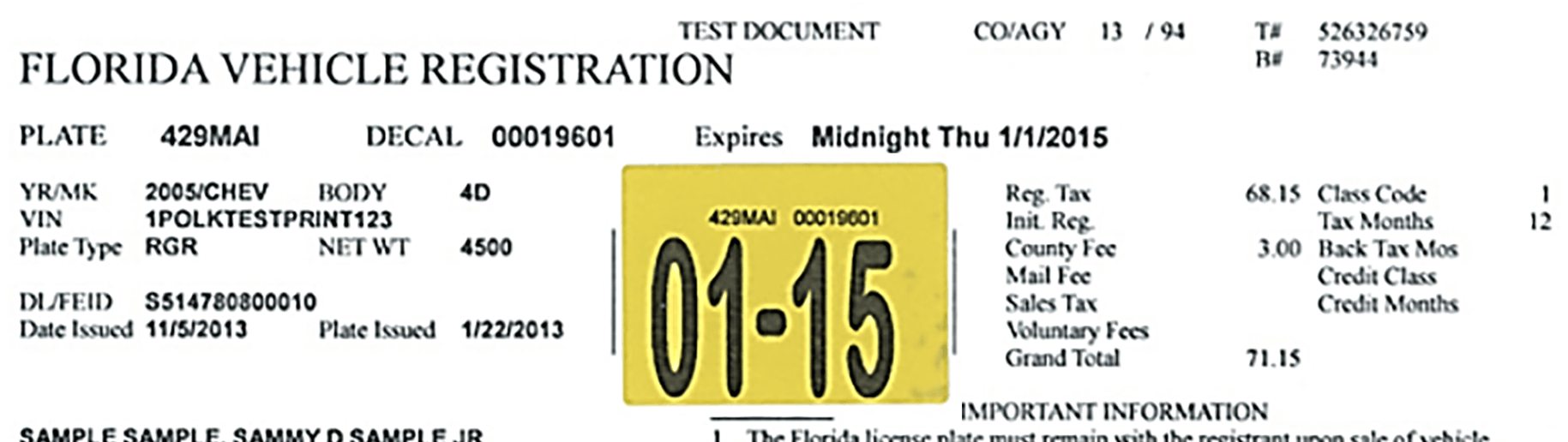
This is the definitive source for your registration number. Every vehicle registered in Florida receives a registration certificate, which is typically a paper document that you are legally required to carry in your vehicle.
- Where to Find It: The most common place people keep this certificate is in their glove compartment. Some may also keep it in a wallet or purse if they frequently need to access it outside the vehicle.
- What Information It Contains: The certificate will clearly display your license plate number, the vehicle identification number (VIN), the expiration date of the registration, and prominently, the “control number” or “registration number.” This number is usually a series of digits and letters, acting as the unique identifier for that specific registration period.
- Importance of Accessibility: It’s not only crucial to know where it is but also to ensure it’s updated annually. An expired registration or one with incorrect information can lead to fines and legal complications, especially during travel.
Understanding the Role of Your License Plate
While your license plate itself carries a number, this is distinct from your vehicle’s registration number or control number. The license plate number is what visually identifies your vehicle to the public and to law enforcement. It serves as a pointer to your vehicle’s record in the FLHSMV database. If you have your license plate number, it can be used, often in conjunction with your VIN or driver’s license number, to look up your registration details, including the control number, through official channels. However, the registration number itself is not printed on the physical license plate.
Vehicle Title Document
Your vehicle title document is another critical piece of ownership paperwork. It proves who legally owns the vehicle. While it contains the VIN and other vital vehicle details, it typically does not contain the current registration number (control number). The registration number is specific to the current registration period, whereas the title is a static document of ownership. While essential for establishing proof of ownership, don’t rely on it to find your current registration number.
Digital and Online Avenues for Retrieval
In today’s digital age, the FLHSMV and various county tax collector offices offer robust online platforms to manage vehicle registrations, providing convenient ways to retrieve your registration number.
The Florida Department of Highway Safety and Motor Vehicles (FLHSMV) Online Portal
The official website of the Florida Department of Highway Safety and Motor Vehicles (GoRenew.com or MyDMVPortal.flhsmv.gov) is an invaluable resource.
- How to Access It: You can visit the FLHSMV website directly. Look for sections related to “Vehicle Registrations” or “Online Services.”
- Available Services: Through the portal, you can often view your current registration status, renew your registration, and in some cases, print a duplicate registration certificate. When you access your vehicle’s record, your registration or control number will be displayed.
- Information Needed for Access: To securely access your information, you will typically need to provide a combination of identifiers such as your license plate number, Vehicle Identification Number (VIN), and/or your Florida driver’s license number. This security measure ensures that only authorized individuals can access sensitive vehicle information.
- Utility for Travelers and Residents: This online portal is particularly useful for those managing their affairs remotely, perhaps while away from their vehicle or needing to verify details quickly before a trip or administrative process.
County Tax Collector’s Office Websites
In Florida, vehicle registration services are primarily administered by the Tax Collector’s Office in each county. Many of these county offices have their own dedicated online portals that mirror or integrate with the FLHSMV system.
- How to Find Your County Website: To find the relevant county website, simply search for “[County Name] County Tax Collector Florida.” For example, if you reside in Miami-Dade County, you would search for “Miami-Dade County Tax Collector.” Other major counties like Orange County, Pinellas County, Hillsborough County, Broward County, and Duval County all have similar online resources.
- Similar Access Requirements: Like the state portal, these county sites will require specific information (license plate, VIN, driver’s license) to retrieve your vehicle’s registration details, including the control number.
- Local Focus: These sites are excellent for highly localized services, often providing more specific instructions for residents of that particular county and offering in-person appointment scheduling.
Alternative Methods and Assistance
Should digital means prove challenging or if you require more personalized assistance, there are several alternative routes to obtaining your vehicle registration number.
Contacting Your Local County Tax Collector’s Office
For direct, human assistance, contacting your local County Tax Collector’s Office is often the most effective method.
- In-Person Visits: If you choose to visit an office in person, be prepared to bring valid identification (e.g., your Florida driver’s license), your vehicle’s VIN, and any proof of ownership you might have. Staff members can access your records and provide you with your registration number. This is particularly beneficial for those new to Florida who might be navigating the system for the first time or for complex situations involving lost or stolen documents. Offices are located in various cities, including Tallahassee, Orlando, and Miami.
- Phone Inquiries: Many county tax collector offices offer phone support. When calling, be ready to provide your identifying information (name, address, date of birth, VIN, license plate number) to verify your identity. While they might not be able to provide the full registration number over the phone due to security protocols, they can guide you on the best way to obtain it.
Insurance Documents and Dealership Records
While not primary sources for the current registration number, these documents can indirectly assist.
- Insurance Documents: Your vehicle insurance policy or insurance card will contain your VIN and license plate number. These numbers are often sufficient to look up your registration information through the official FLHSMV or county portals, where you can then find your registration number.
- Dealership Records: If you purchased your vehicle recently from a dealership in Florida, they often retain records that include the VIN and potentially the initial registration details. While they may not directly provide your current registration number, they can help you locate the VIN if you’ve lost track of it, which is a key to accessing your records.
Law Enforcement or Official Inquiries
In certain official contexts, such as an accident investigation or a vehicle inspection, law enforcement officers have direct access to state databases to retrieve your vehicle’s registration number and associated details. However, this is not a method for individuals to retrieve their own registration numbers for general purposes.
Best Practices for Vehicle Registration in Florida
Beyond simply knowing where to find your registration number, adopting best practices ensures seamless vehicle management and compliance in Florida.
Keeping Your Documents Secure and Accessible
Always keep your physical registration certificate in a secure but easily accessible location within your vehicle, such as the glove compartment. Additionally, consider having a digital copy (a photo on your phone or a PDF stored securely) as a backup, especially for reference. Regularly check the expiration date on your registration to avoid inadvertently driving with an expired tag.
Understanding Renewal Procedures
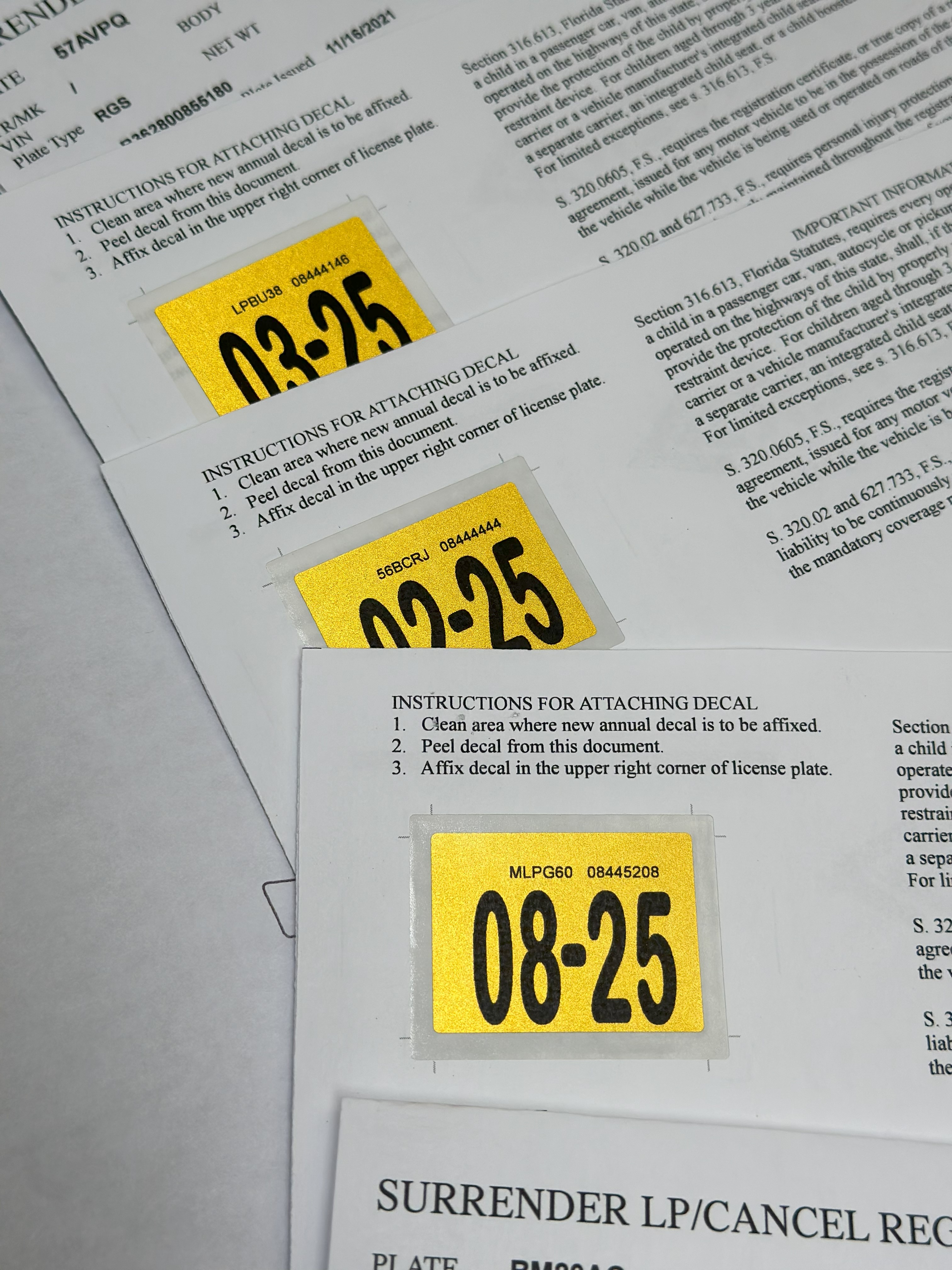
Florida vehicle registrations typically need to be renewed annually or biannually. The FLHSMV usually sends renewal notices by mail or email. Familiarize yourself with the renewal process and associated deadlines to avoid late fees or penalties. Renewing on time is crucial for uninterrupted travel and legal standing.
Resources for New Residents and Visitors
If you’re a new resident to Florida or planning an extended stay, specific guidelines apply for transferring out-of-state registrations. The FLHSMV website provides comprehensive guides for new residents, outlining the steps required to register your vehicle in Florida, which will ultimately lead to you obtaining your first Florida registration number. Understanding these requirements from the outset can prevent future complications.
In conclusion, your Florida vehicle registration number, or control number, is a fundamental piece of information for vehicle owners in the state. Whether you’re dealing with renewals, transfers, or simply verifying your details, knowing where to find this number on your registration certificate, through online portals, or via direct assistance from your local County Tax Collector’s Office is paramount. By staying informed and organized, you can ensure a hassle-free experience with vehicle administration, allowing you to fully enjoy all that Florida has to offer, both on and off its scenic roads.
LifeOutOfTheBox is a participant in the Amazon Services LLC Associates Program, an affiliate advertising program designed to provide a means for sites to earn advertising fees by advertising and linking to Amazon.com. Amazon, the Amazon logo, AmazonSupply, and the AmazonSupply logo are trademarks of Amazon.com, Inc. or its affiliates. As an Amazon Associate we earn affiliate commissions from qualifying purchases.