
For anyone planning to traverse the majestic Rocky Mountains through Colorado, the question “Is I-70 Closed?” is not merely a passing thought but a critical determinant of their journey. As the primary east-west artery slicing through the heart of the state, I-70 is more than just a highway; it’s a lifeline connecting the bustling Front Range cities like Denver to the famed ski resorts, vibrant mountain towns, and natural wonders of the Western Slope. Its status directly impacts travel plans, often dictating detours, delays, or even the outright cancellation of trips. Understanding the nuances of I-70 closures, from their causes to how to effectively navigate them, is an indispensable part of any Colorado travel guide. This comprehensive overview aims to equip travelers with the knowledge to manage disruptions and ensure a smoother, safer journey through this awe-inspiring, yet often challenging, corridor.
Understanding I-70 Closures in Colorado: A Traveler’s Essential Guide
The iconic I-70 corridor, spanning over 450 miles within Colorado, presents a unique set of challenges and triumphs for travelers. Its passage through some of the most dramatic mountain landscapes in the United States means that its operational status is subject to rapid and significant change.
The Dynamic Nature of I-70 in the Rocky Mountains
I-70 in Colorado is a marvel of engineering, featuring high mountain passes, intricate tunnels, and breathtaking canyons. From its entry point on the eastern plains to its winding ascent into the Rocky Mountains and eventual descent towards Grand Junction, the highway’s elevation changes dramatically. Sections like Vail Pass (over 10,600 feet) and the Eisenhower Tunnel (just over 11,000 feet) are particularly susceptible to extreme weather conditions. This inherent geographical variability means that conditions can shift from clear skies to blizzard whiteouts within a matter of miles and minutes, demanding constant vigilance from drivers and real-time monitoring of road conditions.
Primary Causes of I-70 Closures
I-70 closures are rarely arbitrary; they are typically a response to severe safety threats or operational necessities. The most common culprits include:
- Extreme Winter Weather: This is, by far, the most frequent reason. Heavy snowfall, freezing rain, blizzards, and black ice can render sections of the highway impassable. Snow squalls can reduce visibility to near zero, while high winds create dangerous drifts. Often, “chain laws” are implemented, requiring all vehicles, or certain categories of vehicles, to have chains or adequate snow tires. If conditions worsen beyond this, full closures become necessary to prevent accidents and allow snow removal crews to operate safely.
- Avalanches and Rockslides: The steep, unstable terrain of the Rocky Mountains makes avalanches and rockslides a consistent threat, especially during periods of heavy snow or rapid thaw. Glenwood Canyon is particularly prone to these events, which can block lanes, damage infrastructure, and pose direct danger to motorists. Colorado Department of Transportation crews often conduct preemptive avalanche mitigation work, but unexpected slides can still occur, leading to emergency closures.
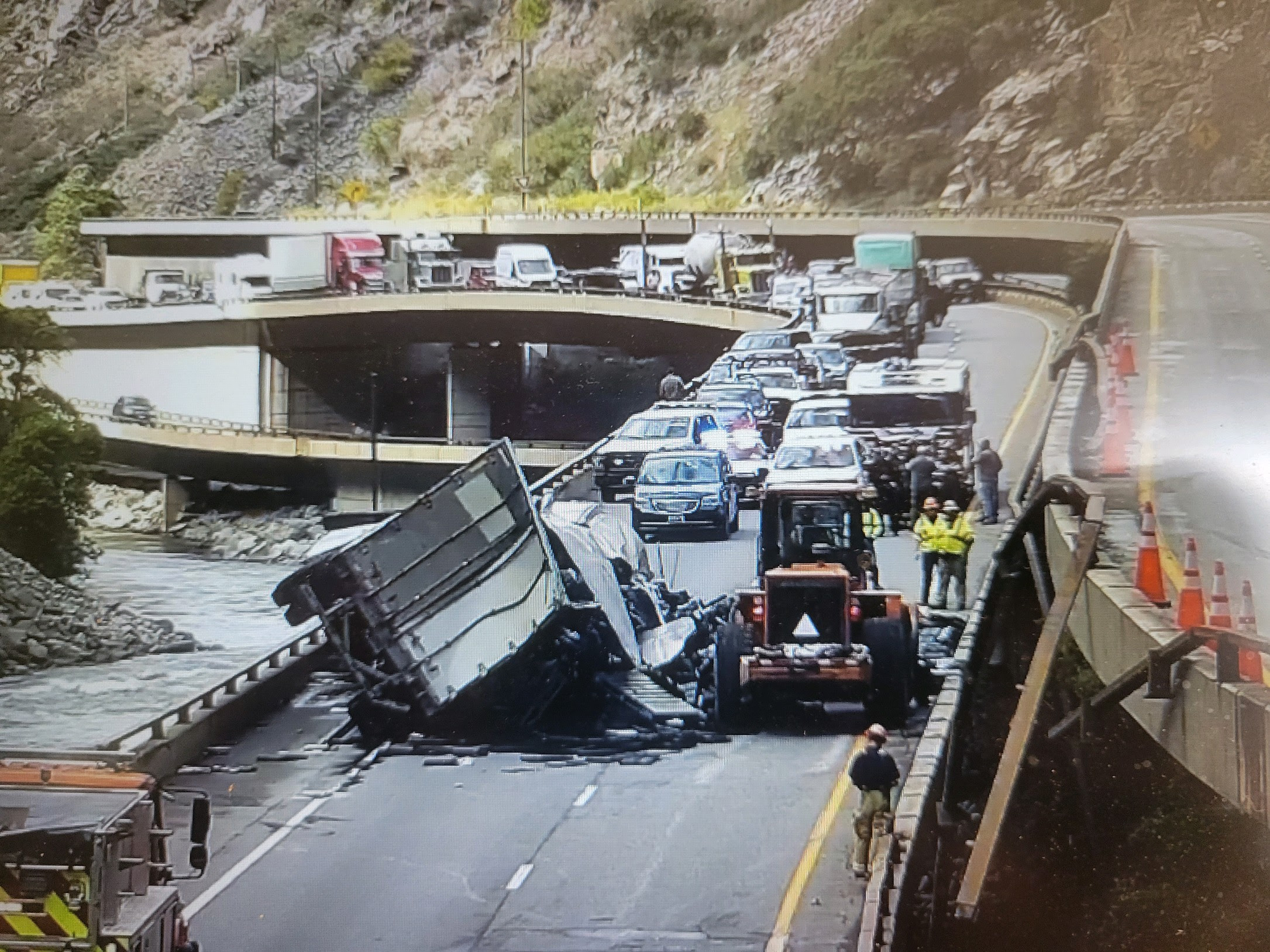
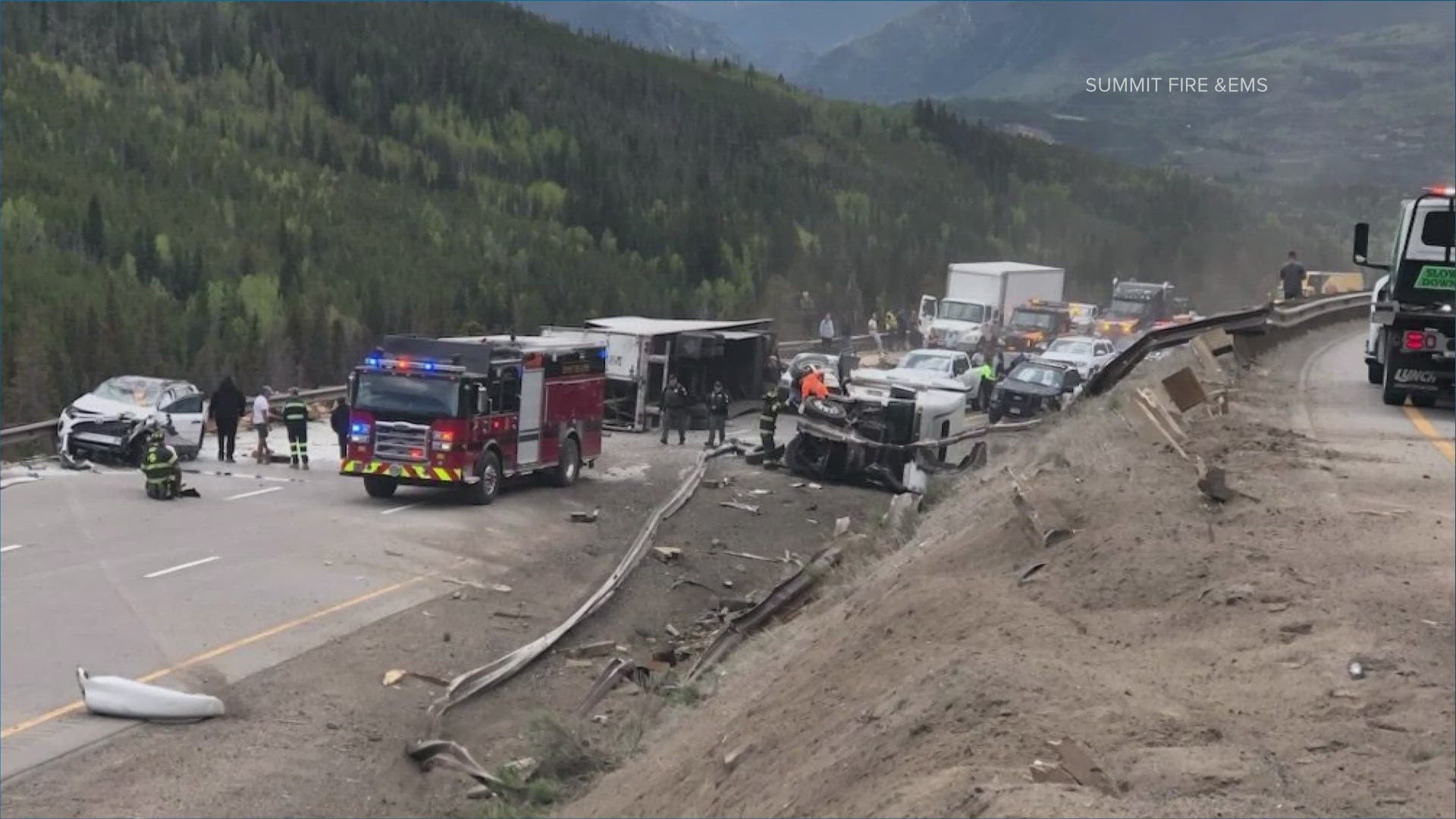
- Major Accidents: High traffic volumes, particularly on weekends and holidays, coupled with challenging driving conditions, increase the likelihood of multi-vehicle accidents. These incidents can block multiple lanes or even the entire roadway for extended periods, especially if hazmat teams or extensive clean-up is required.
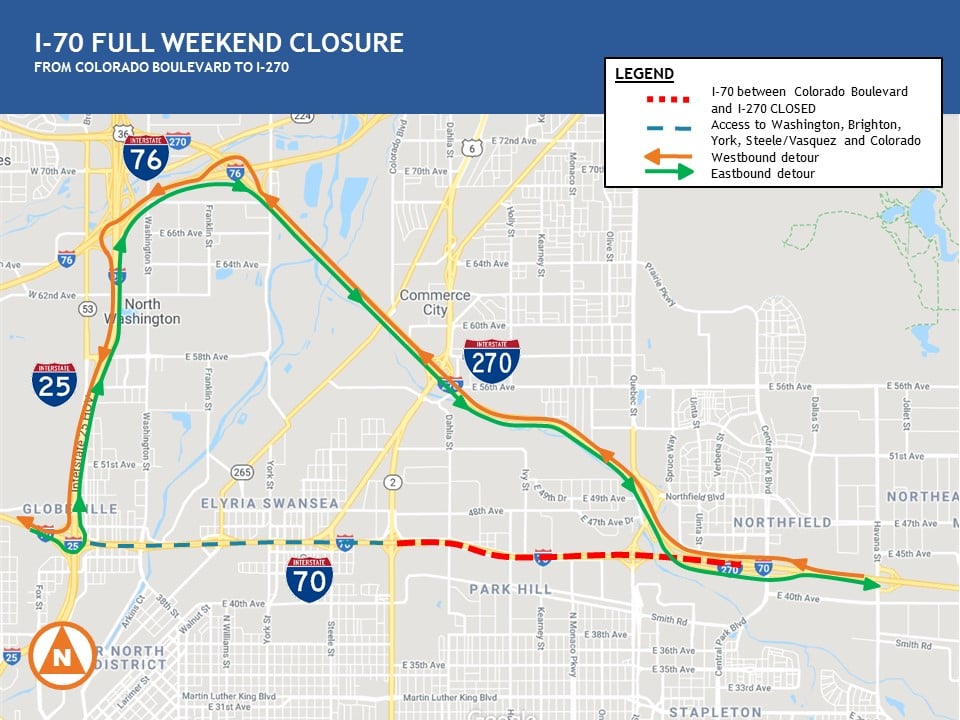
- Construction and Maintenance: While often planned and announced in advance, significant construction projects or emergency repairs to tunnels, bridges, or road surfaces can necessitate temporary closures or lane restrictions. CDOT strives to schedule these during off-peak hours, but unforeseen issues can arise.
How to Stay Informed: Real-time Updates and Resources
The key to navigating I-70 lies in proactive information gathering. Reliable, real-time updates are critical:
- COtrip.org: This official website of CDOT is the single most important resource. It provides live traffic cameras, road closure alerts, chain law requirements, estimated travel times, and incident reports. Users can view maps, sign up for email or text alerts, and even customize their preferred routes.
- Mobile Apps: Various navigation apps (e.g., Google Maps, Waze) incorporate live traffic data and CDOT feeds, offering real-time re-routing suggestions. However, it’s wise to cross-reference with COtrip.org for official status.
- Radio and Social Media: Local radio stations often provide traffic updates. CDOT’s official social media channels (e.g., Twitter) are also excellent sources for immediate alerts and announcements.
- Variable Message Signs: Electronic signs along the highway provide crucial real-time information about closures, delays, and alternative routes. Pay close attention to these as you approach mountain sections.
Navigating Detours and Alternative Routes When I-70 is Impassable
When I-70 closes, panic can set in for unprepared travelers. However, with prior knowledge and a flexible mindset, detours can be managed, albeit often with significant added travel time.
Strategic Planning for Peak Travel Times
I-70 experiences predictable congestion during weekends, holidays, and major events, especially heading west on Friday afternoons/evenings and east on Sunday afternoons/evenings. During these times, even minor incidents can cause multi-hour delays.
- Travel Off-Peak: If possible, plan your travel for mid-week or early mornings/late evenings to avoid the heaviest traffic.
- Check Forecasts: Always review weather forecasts for the entire route, not just your origin and destination, a few days before and immediately prior to departure.
- Build in Buffer Time: Account for potential delays in your itinerary, especially when connecting to flights or appointments.
Key Alternative Routes and Their Considerations
It’s important to note that when I-70 closes, particularly its mountain segments, alternative routes often involve significant detours, slower speeds, and may also be subject to their own closures or challenging conditions. Many of these routes are not suitable for all vehicles, especially in winter.
- Northern Detour (via US-40): This route takes travelers north from Denver or Silverthorne through Berthoud Pass (11,307 feet) to Winter Park and then on to Steamboat Springs before reconnecting with I-70 further west. It’s a scenic drive but adds considerable time, involves high mountain passes, and can be equally susceptible to winter weather. It’s often used when closures occur around the Eisenhower Tunnel or Vail Pass.
- Southern Detour (via US-285 & US-50 or CO-9): For those traveling further south or dealing with extensive I-70 closures, US-285 from Denver can lead to Fairplay and then connect with US-50 to head west towards Grand Junction. Alternatively, from Fairplay, CO-9 can take you north to Breckenridge or Frisco. These routes are significantly longer, pass over high mountain terrain, and may have their own weather-related issues. They are typically employed for major closures affecting the entire central I-70 corridor.
- US-6 through Loveland Pass: This is a direct, albeit challenging, alternative to the Eisenhower Tunnel. Loveland Pass is a high-elevation, winding mountain pass that often has stricter chain laws than I-70 and is not recommended for large vehicles or inexperienced mountain drivers, especially in winter.
Preparing for Unexpected Delays
Beyond knowing alternative routes, mental and physical preparation is key.
- Full Tank of Gas: Always start a mountain journey with a full tank. Gas stations can be sparse on detours, and sitting in traffic burns fuel.
- Emergency Kit: Pack blankets, extra food and water, a flashlight, a portable phone charger, and a first-aid kit.
- Roadside Assistance: Ensure your vehicle’s roadside assistance membership is current.
- Patience: Expect delays. Getting frustrated only adds stress. Use the time to enjoy the scenery (if safe) or listen to a podcast.
Impact on Colorado’s Premier Travel Destinations
I-70 is the primary gateway to many of Colorado’s most beloved destinations. Its closure can significantly disrupt access and enjoyment.
Winter Sports and Ski Resorts Access
Colorado is world-renowned for its ski resorts. Vail, Breckenridge, Copper Mountain, Keystone, and Winter Park are directly accessible via I-70 or short spurs off it. A closure, especially on a powder day, can mean thousands of skiers and snowboarders are stranded or forced to abandon their plans.
- Lodging Implications: Closures can trap visitors in mountain towns, sometimes leading to extended hotel stays or difficult-to-find last-minute accommodations.
- Economic Impact: Resorts and associated businesses can suffer significant revenue losses during extended closures.
Summer Adventure and Scenic Byways
In summer, I-70 provides access to national parks, hiking trails, rafting excursions, and scenic drives.
- Glenwood Canyon: A spectacular stretch of I-70, Glenwood Canyon itself is a destination for cycling and hot springs. Closures here, often due to rockslides or mudslides after wildfires, can severely impact travel to Glenwood Springs, Aspen (via CO-82), and points west.
- National Parks and Forests: Access to areas like Rocky Mountain National Park (though not directly on I-70, its feeder routes are impacted) and various National Forests can be complicated by I-70 issues.
Urban Centers and Mountain Town Connectivity
The highway isn’t just for recreation; it’s a vital commercial and commuter route.
- Supply Chains: Closures affect the movement of goods, impacting everything from grocery stores to construction sites in mountain communities.
- Commuting: Many residents in communities like Frisco, Silverthorne, and Breckenridge commute along I-70, making closures a significant personal and professional disruption.
Essential Tips for a Smooth Colorado Road Trip
Successfully navigating I-70 requires more than just knowing about closures; it demands a holistic approach to travel preparation.
Vehicle Preparation and Safety Checks
Before embarking on any journey along I-70, especially in colder months, ensure your vehicle is ready:
- Tires: Check tire pressure and tread depth. Ensure you have proper all-season or winter tires (3PMSF rated are best for snow). If traveling in winter, know how to install chains if required.
- Fluids: Top off windshield wiper fluid (consider winter-grade fluid), check oil, coolant, and brake fluid.
- Battery: Test your battery, as cold weather can severely impact its performance.
- Brakes: Ensure brakes are in excellent working order, especially for descents from high passes.
- Lights: Check all headlights, taillights, and turn signals.
Packing Smart for Mountain Weather
The weather in the Rocky Mountains is notoriously unpredictable.
- Layers: Dress in layers, even in summer, as temperatures can drop significantly at higher elevations or after sunset.
- Waterproof Gear: Pack waterproof outer layers, regardless of the season, to protect against sudden rain or snow.
- Emergency Kit (Reiterated): A well-stocked emergency kit is non-negotiable. Include non-perishable snacks, water, blankets, first-aid, a flashlight, and phone chargers.
Embracing Flexibility and the Journey
The most important tool a traveler can possess on I-70 is flexibility.
- Accept Delays: Understand that delays are a possibility, and sometimes an inevitable part of mountain travel.
- Have Backup Plans: Identify alternative activities or lodging options along your route in case of a significant delay or diversion.
- Enjoy the Scenic Route: If forced onto a detour, view it as an opportunity to discover new parts of Colorado you might not have otherwise seen.
Planning Your Next Colorado Adventure
While the prospect of I-70 closures might seem daunting, it should not deter you from experiencing the unparalleled beauty and adventure that Colorado has to offer. With careful preparation and a proactive approach, these potential hurdles can be minimized.
Best Practices for Pre-Trip Research
Thorough research is your first line of defense. Consult COtrip.org frequently leading up to your trip, paying close attention to forecasts and any planned construction. Consider subscribing to email or text alerts specific to the I-70 corridor.
Leveraging Technology for Stress-Free Travel
Modern technology provides invaluable tools for real-time decision-making. Utilize navigation apps with live traffic updates, but always cross-reference with official CDOT sources. Don’t rely solely on GPS in remote areas, as cell service can be spotty; consider downloading offline maps.
In conclusion, while the question “Is I-70 Closed In Colorado?” is a legitimate concern for any traveler, it is a challenge that can be effectively managed with foresight and the right resources. By understanding the causes of closures, knowing how to find real-time information, preparing for detours, and equipping your vehicle and yourself for the journey, you can transform potential headaches into a well-managed adventure through one of America’s most spectacular landscapes. Safe travels through the heart of the Rocky Mountains!
LifeOutOfTheBox is a participant in the Amazon Services LLC Associates Program, an affiliate advertising program designed to provide a means for sites to earn advertising fees by advertising and linking to Amazon.com. Amazon, the Amazon logo, AmazonSupply, and the AmazonSupply logo are trademarks of Amazon.com, Inc. or its affiliates. As an Amazon Associate we earn affiliate commissions from qualifying purchases.