
Embarking on a career in real estate in Florida offers a dynamic path to professional growth and personal fulfillment, particularly within the state’s ever-thriving accommodation market. With its sun-drenched beaches, vibrant cities, and diverse communities, Florida continues to attract residents, vacationers, and investors from across the globe, all seeking their perfect slice of paradise – whether it’s a permanent home, a seasonal retreat, or a lucrative investment property. This constant demand for housing and various forms of long-term stay accommodation makes becoming a licensed realtor in Florida an especially appealing venture.

This guide provides a comprehensive overview of the steps required to obtain your realtor license in the Sunshine State, preparing you to enter a profession that directly facilitates people’s accommodation needs. From understanding the initial requirements to navigating the licensing exam and setting up your first brokerage affiliation, we’ll walk you through each crucial stage. By becoming a licensed real estate professional, you position yourself at the heart of Florida’s property ecosystem, helping individuals and families secure their dream accommodations and build their lives within its beautiful landscapes.
Why Become a Realtor in Florida’s Thriving Accommodation Market?
Florida’s real estate sector is a beacon of opportunity, driven by a confluence of factors that fuel a constant demand for accommodation across its diverse regions. For aspiring real estate professionals, understanding these drivers is key to appreciating the potential impact and rewards of a career here.
Booming Property Demand & Population Growth
One of the most compelling reasons to pursue a real estate career in Florida is the state’s robust and sustained population growth. People are flocking to Florida for its favorable climate, tax benefits, and quality of life, leading to an insatiable appetite for residential accommodation. This demographic shift translates into a consistent need for single-family homes, condominiums, townhouses, and rental properties. As a realtor, you become an essential navigator for newcomers and existing residents alike, helping them find their ideal long-term stay or permanent residence, thereby directly serving the core need for accommodation. Beyond primary residences, the state’s allure as a vacation destination also fuels a significant market for secondary homes and investment properties, many of which are utilized for seasonal or long-term rental accommodation.
Diverse Real Estate Opportunities in Accommodation
Florida’s geographical diversity offers a wide spectrum of real estate opportunities. From the bustling urban high-rises of Miami and the historic charm of St. Augustine to the family-friendly communities of Orlando and the serene waterfront properties of the Florida Keys, the types of accommodation available are vast. This diversity allows realtors to specialize in niches that genuinely interest them. You could focus on luxury waterfront estates, helping affluent clients find exclusive long-term stays; delve into the vacation rental market, assisting investors in acquiring properties for short-term and seasonal accommodation; or specialize in commercial properties that provide spaces for businesses, thus indirectly supporting the accommodation needs of their employees. This broad scope means a real estate career in Florida can be tailored to your passions and expertise within the broader accommodation industry.
Financial Independence and Flexibility
A career in real estate often comes with the promise of financial independence and a flexible work schedule, offering a lifestyle that many professionals aspire to. While the initial stages require significant dedication, the potential for uncapped earnings, directly tied to your efforts and success in facilitating accommodation transactions, is a powerful motivator. You have the autonomy to manage your own time, set your own goals, and build a business that reflects your personal brand. This flexibility is particularly appealing for those who want to integrate their professional life with their personal commitments, allowing for a better work-life balance while still making a significant impact on people’s lives by helping them secure essential accommodation.
The Prerequisites for a Florida Realtor License
Before you can embark on your journey to assist clients with their accommodation needs in Florida, there are several foundational requirements that must be met. These steps ensure that all licensed professionals uphold a standard of competence and ethics within the real estate industry.
Eligibility Criteria
To be eligible for a real estate sales associate license in Florida, you must satisfy a few basic conditions. First, you must be at least 18 years of age. Second, you need to possess a high school diploma or its equivalent. Third, you must have a Social Security number. These criteria are straightforward, designed to establish a baseline for professional engagement. Additionally, applicants must be of good moral character. The application process includes a background check, which involves submitting your fingerprints for a criminal history review by the Florida Department of Law Enforcement (FDLE) and the Federal Bureau of Investigation (FBI). Disclosures of prior criminal history are essential, and while a criminal record doesn’t automatically disqualify an applicant, certain offenses or patterns of behavior can impede licensure. The Florida Real Estate Commission (FREC) reviews each case individually, considering factors like the nature of the crime and rehabilitation efforts.
Pre-License Education Requirement
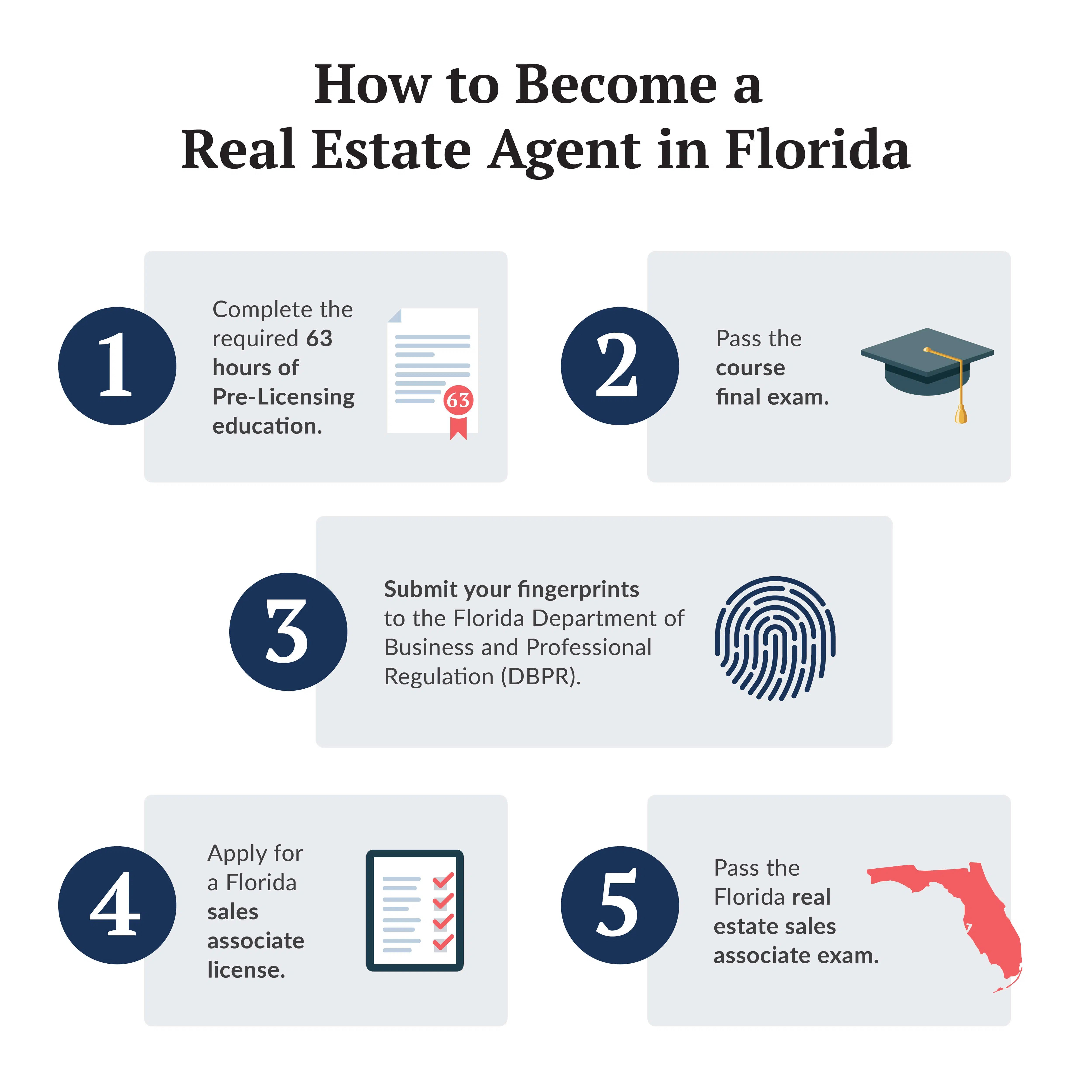
A critical step in becoming a Florida realtor is completing the state-mandated pre-license education. This involves successfully finishing a 63-hour Sales Associate pre-licensing course from an FREC-approved real estate school. The curriculum is comprehensive, covering fundamental real estate principles, practices, and law specific to Florida. Topics include property rights, real estate contracts, agency law, fair housing regulations, and ethical considerations—all crucial for navigating the complexities of buying, selling, and leasing accommodation. This course is designed not only to prepare you for the state exam but also to equip you with the foundational knowledge necessary to competently advise clients on various accommodation transactions, ensuring you understand the legal and practical aspects of helping people secure their homes or investment properties. The course typically concludes with a comprehensive end-of-course examination, which you must pass with a score of 70% or higher.
Navigating the Application and Examination Process
Once you’ve met the initial prerequisites and completed your pre-license education, the next phase involves submitting your application to the state and conquering the licensing examination. This stage requires meticulous attention to detail and dedicated preparation.
Applying to the DBPR
After passing your pre-license course exam, the next step is to formally apply for your real estate sales associate license with the Florida Department of Business and Professional Regulation (DBPR). This application typically needs to be submitted online through the DBPR’s portal. As part of this application, you will need to provide detailed personal information, answer questions regarding your background, and authorize the required fingerprinting for your background check. The fingerprinting process can be completed at various approved service providers throughout Florida. It’s crucial to ensure all information provided is accurate and complete, as any discrepancies or omissions can delay your application. The DBPR reviews applications thoroughly, a process that can take several weeks or longer, depending on the volume of applications and the complexity of any background disclosures.
Scheduling and Passing the State Exam
Once your application is approved by the DBPR, you will receive an authorization to schedule your state licensing exam. This exam is administered by a third-party testing service at various locations across Florida. The state exam is a rigorous assessment designed to test your knowledge of Florida real estate law, principles, and practices—all of which are vital for ethically and effectively facilitating accommodation transactions. It typically consists of multiple-choice questions and covers material from your 63-hour pre-license course. To pass, you must achieve a score of 75% or higher.
Preparation is paramount for success. Many candidates utilize review courses, practice exams, and study guides in addition to their initial pre-license course materials. Understanding the nuances of Florida-specific real estate laws, particularly those pertaining to contracts, property disclosure, and agency relationships, will be critical. A strong grasp of these areas ensures that, as a future realtor, you can confidently guide clients through the intricate process of buying, selling, or leasing accommodation, protecting their interests and ensuring smooth transactions. If you do not pass on your first attempt, you are allowed to retake the exam, but sufficient preparation for subsequent attempts is strongly recommended.
Post-Licensing and Career Development in Florida Accommodation
Obtaining your license is a significant achievement, but it marks the beginning, not the end, of your professional journey in Florida’s real estate and accommodation sector. Continued education, strategic brokerage selection, and ongoing specialization are vital for long-term success.
Post-Licensing Education Requirement
Within the first two years of receiving your initial sales associate license, Florida law mandates that you complete a 45-hour post-licensing course. This requirement is crucial; failure to complete it within the specified timeframe will result in your license becoming null and void. The post-licensing education differs from the pre-licensing course by focusing more on the practical application of real estate principles in real-world scenarios. It delves deeper into topics such as investment analysis, property management, advanced contract law, and marketing strategies—all directly applicable to effectively managing and transacting various forms of accommodation. This continuing education is designed to bridge the gap between theoretical knowledge and the practical skills needed to thrive in the competitive Florida accommodation market, ensuring you are well-equipped to handle complex client needs, from first-time home buyers to seasoned property investors seeking the best long-term stay solutions.
Choosing a Brokerage Affiliation
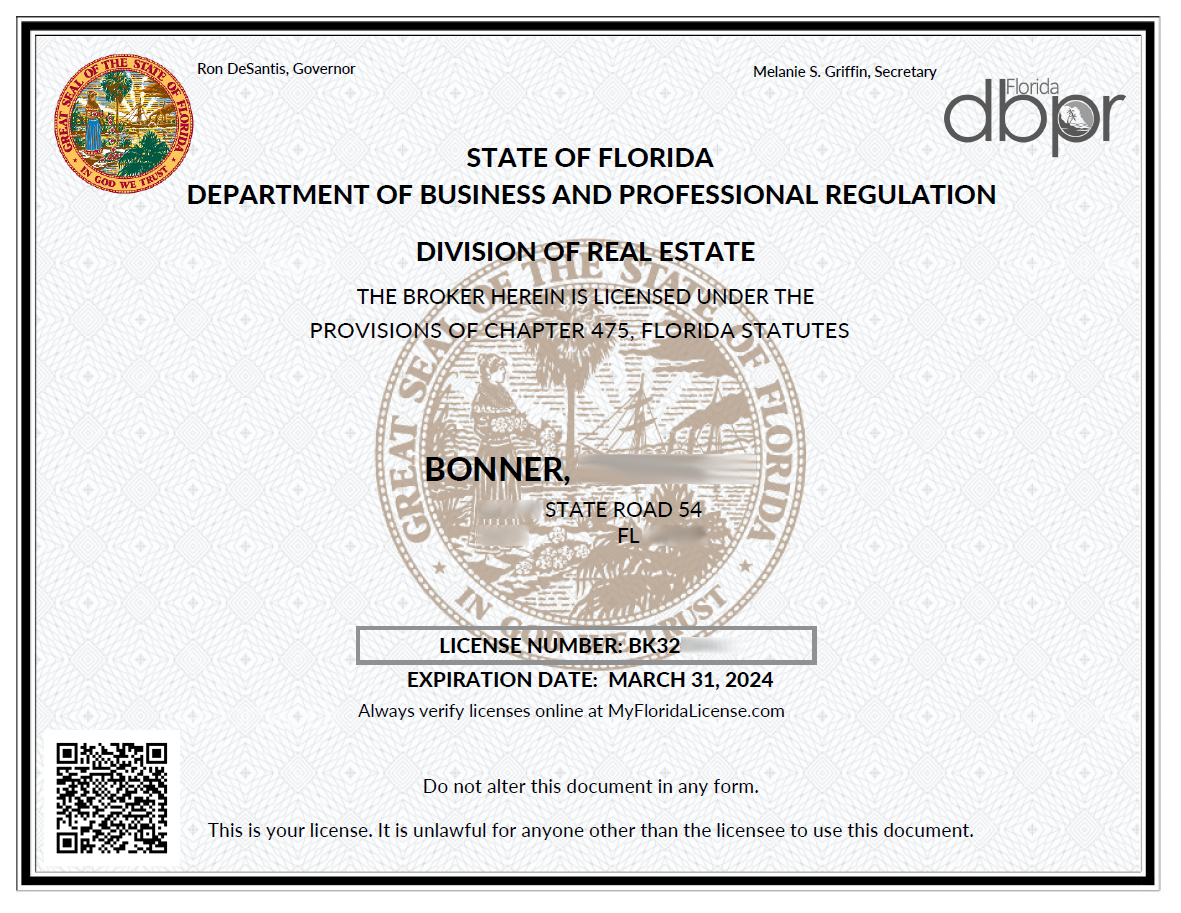
Once licensed, you cannot legally operate independently as a real estate sales associate in Florida. You must actively affiliate with a licensed real estate broker. This decision is one of the most important steps in launching your career. A brokerage provides the necessary infrastructure, mentorship, and support system to help you succeed. When selecting a brokerage, consider factors such as the company culture, the training programs offered, the commission splits, the technology and marketing resources available, and the brokerage’s specialization. Some brokerages excel in residential sales, others in commercial properties, and some in specific segments like luxury homes or vacation rentals—all falling under the umbrella of accommodation. Choosing a brokerage that aligns with your professional goals and preferred niche within the accommodation market (e.g., helping families find permanent homes, assisting with investment properties for long-term rentals, or specializing in luxury long-term stays) will significantly impact your growth and success.
Continuous Learning & Specialization
The real estate market in Florida is dynamic, constantly evolving with economic shifts, demographic trends, and legislative changes. To remain competitive and truly excel in facilitating accommodation transactions, continuous learning is essential. Beyond the mandatory post-licensing and continuing education requirements (14 hours every two years after the initial 45-hour course), successful realtors actively seek opportunities for further education and specialization. This might include obtaining designations and certifications in areas like luxury home marketing, resort and second-home properties, or property management—all directly enhancing your ability to serve clients seeking various forms of accommodation. Staying updated on local market trends, property values, and new developments is also critical. By committing to lifelong learning and honing a specialty, you can establish yourself as an expert, build a robust client base, and achieve lasting success in Florida’s vibrant and diverse accommodation market.
Becoming a licensed realtor in Florida opens doors to a rewarding career where you play a pivotal role in one of life’s most fundamental needs: accommodation. The journey requires dedication, education, and continuous effort, but the opportunity to help individuals and families find their perfect home or investment property in the Sunshine State makes it an immensely fulfilling profession.
LifeOutOfTheBox is a participant in the Amazon Services LLC Associates Program, an affiliate advertising program designed to provide a means for sites to earn advertising fees by advertising and linking to Amazon.com. Amazon, the Amazon logo, AmazonSupply, and the AmazonSupply logo are trademarks of Amazon.com, Inc. or its affiliates. As an Amazon Associate we earn affiliate commissions from qualifying purchases.