
Few experiences capture the quintessential spirit of Southern California quite like a sunset in Los Angeles. As the sun dips below the horizon of the Pacific Ocean, the sky transforms into a canvas of burnt orange, deep violet, and cotton-candy pink. For the discerning traveler, knowing the exact timing of this daily spectacle is more than just a matter of curiosity; it is a critical component of trip planning. Whether you are aiming for the perfect photograph of the Hollywood Sign or planning a romantic dinner in Santa Monica, understanding the rhythm of the sun in the United States second-largest city is essential.

Understanding the Seasonal Cycles of the Sun in Los Angeles
In California, the timing of the sunset is dictated by the tilt of the Earth’s axis and the city’s specific latitude. Unlike tropical destinations where sunset times vary only slightly, Los Angeles experiences a significant shift in daylight hours between the summer and winter months.
The Long Days of the Summer Solstice
During the height of summer, specifically around the summer solstice in late June, Los Angeles enjoys its longest days. At this time, the sun typically sets around 8:08 PM. This extended daylight provides travelers with ample opportunity to explore the Santa Monica Mountains or enjoy a late afternoon surf at Malibu. The “Golden Hour”—that period of soft, warm light just before sunset—begins roughly an hour prior, making 7:00 PM to 8:00 PM the prime window for photographers.
Winter Evenings and the Early Dusk
Conversely, during the winter months, the days shorten considerably. Around the winter solstice in late December, the sunset can occur as early as 4:45 PM. While the days are shorter, winter sunsets in Southern California are often cited as the most spectacular. The clearer air and the presence of high-altitude clouds following a winter rainstorm often result in more dramatic colors than the hazy horizons of August.
The Impact of Daylight Saving Time
It is important for visitors to note the shift caused by Daylight Saving Time. When the clocks “spring forward” in March, the sunset time jumps from approximately 6:00 PM to 7:00 PM overnight. Similarly, when they “fall back” in November, the sudden shift to an earlier sunset can catch travelers off guard. If you are visiting Los Angeles during these transition periods, double-checking the local time is vital for coordinating evening activities.
Premier Vantage Points for the Perfect Sunset
Finding the right location to watch the sunset is just as important as knowing the time. Because of its diverse topography, Los Angeles offers everything from rugged cliffside views to urban skyline perspectives.
Coastal Icons: Santa Monica and Venice
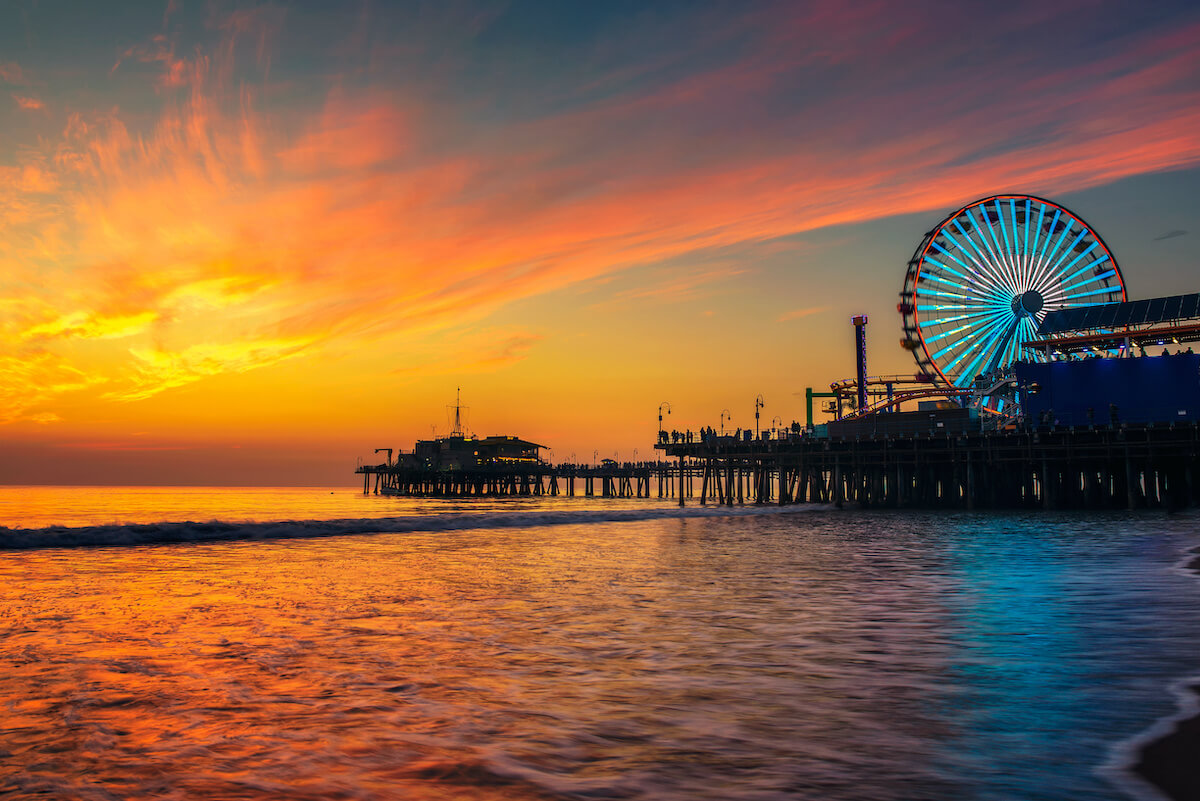
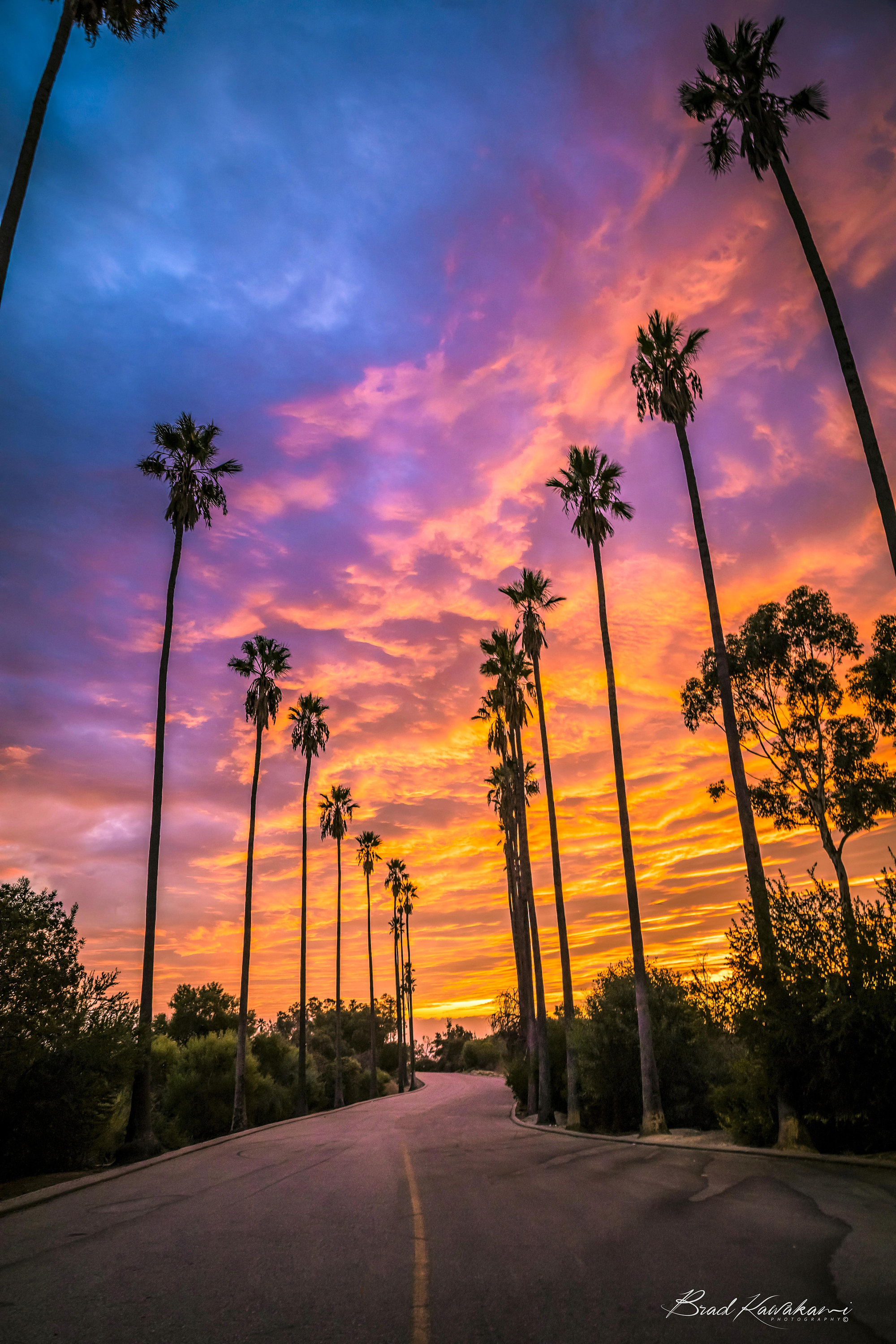
For the classic “California Dream” experience, the coast is the place to be. The Santa Monica Pier offers a nostalgic backdrop, where the silhouette of the Ferris wheel against the glowing sky creates an iconic image. Walking just a few miles south brings you to Venice Beach, where the sunset takes on a more bohemian vibe. Here, the palm trees lining the Venice Boardwalk provide the perfect framing for the setting sun.
Elevated Vistas: Griffith Observatory and Beyond
If you prefer a view that encompasses both the city and the sea, head to Griffith Park. The terrace of the Griffith Observatory is perhaps the most famous sunset spot in the city. From this vantage point, you can watch the sun sink behind Mount Hollywood while the lights of Downtown Los Angeles begin to flicker to life below. For those who want a more active experience, a hike up Runyon Canyon offers 360-degree views of the Hollywood Hills and the sprawling basin.
Artistic and Urban Perspectives
For a more curated experience, the Getty Center in Brentwood offers a sophisticated environment to witness the dusk. The museum’s architecture, designed by Richard Meier, reflects the changing light beautifully, and the gardens provide a tranquil spot to look out over the city toward the Pacific Ocean. Alternatively, Echo Park Lake offers a unique urban sunset, where the lotus beds and the Downtown Los Angeles skyline reflect in the calm water.
Practical Travel Logistics for Evening Sightseeing
Planning your sunset excursion requires more than just a calendar. In a city as large and busy as Los Angeles, logistics can make or break your experience.
Navigating the Infamous Traffic
Travelers must account for the heavy afternoon traffic, commonly referred to as “rush hour,” which often coincides with the sunset window. If you are staying in Beverly Hills and plan to see the sunset at El Matador State Beach, you should allow at least 90 minutes for the drive. The Pacific Coast Highway can become particularly congested on Friday afternoons and weekend evenings.
Atmospheric Conditions: “June Gloom” and Haze
The weather in Los Angeles is generally pleasant, but atmospheric phenomena can affect sunset visibility. During May and June, a weather pattern known as “June Gloom” often brings a thick marine layer of clouds to the coast. In these instances, the sun may disappear into a grey mist rather than a fiery horizon. For the best chance of a clear sunset during these months, travelers might consider heading inland to Ascot Hills Park or the San Gabriel Mountains, which often sit above the fog line.
Essential Gear for the Evening
While Los Angeles is known for its warmth, temperatures can drop rapidly once the sun goes down, especially near the water or at higher elevations like Mount Wilson. Bringing a light jacket or a windbreaker is highly recommended. If you are planning a sunset hike, a headlamp or a fully charged phone is essential for the walk back down, as many trails are not illuminated.
Crafting Your Sunset Itinerary
To maximize your time in the city, consider integrating the sunset into a broader travel itinerary.
The Coastal Drive Experience
A popular route for many visitors is to spend the morning in Culver City or West Hollywood, then begin a slow drive westward along Sunset Boulevard. This historic road winds through the Hollywood Hills and Beverly Hills before meeting the sea at Will Rogers State Beach. Arriving at the coast just as the sun begins its descent provides a breathtaking conclusion to a day of sightseeing.
South Bay Serenity
For those looking to escape the more crowded tourist hubs, the South Bay offers a more relaxed atmosphere. Manhattan Beach and Hermosa Beach feature stunning piers that extend far into the water, providing an unobstructed view of the horizon. Further south, the Palos Verdes Peninsula offers dramatic cliffs and hidden coves, such as Point Dume nearby, which are perfect for a quiet, reflective sunset experience.
Dinner with a View
Many of the city’s finest dining establishments are positioned to take advantage of the sunset. Booking a table at a rooftop bar in Downtown Los Angeles or a seaside restaurant in Malibu allows you to enjoy world-class cuisine while the sky puts on a show. Just be sure to check the sunset time for your specific date and book your reservation for approximately 30 to 45 minutes prior to ensure you are seated for the peak colors.
The sunset in Los Angeles is a daily ritual that brings the city to a collective pause. By understanding the timing, selecting the right location, and planning for the logistical realities of the United States West Coast, you can turn a simple sunset into a highlight of your travel experience. From the neon lights of Disneyland in nearby Anaheim to the rugged beauty of Zuma Beach, the golden hour serves as a reminder of why California remains one of the world’s most beloved travel destinations. Regardless of the time of year you visit, the sunset remains the city’s most reliable and beautiful attraction.
LifeOutOfTheBox is a participant in the Amazon Services LLC Associates Program, an affiliate advertising program designed to provide a means for sites to earn advertising fees by advertising and linking to Amazon.com. Amazon, the Amazon logo, AmazonSupply, and the AmazonSupply logo are trademarks of Amazon.com, Inc. or its affiliates. As an Amazon Associate we earn affiliate commissions from qualifying purchases.