
Florida, the Sunshine State, is a paradise for anglers. With its extensive coastline bordering both the Atlantic Ocean and the Gulf of Mexico, along with countless freshwater lakes, rivers, and canals, it offers unparalleled fishing opportunities for every enthusiast. From the vibrant coral reefs of the Florida Keys to the tranquil backcountry of the Everglades National Park, and the bustling urban waterways of Miami, Orlando, and Tampa, fishing is not just a pastime; it’s a way of life, a crucial part of the local culture and economy.
However, before you cast your line into the abundant waters, understanding the legal requirements for fishing in Florida is paramount. This comprehensive guide will walk you through everything you need to know about obtaining a fishing license, ensuring your angling adventure is both enjoyable and compliant with state regulations. Whether you’re a seasoned pro planning an extended trip or a first-timer looking to try your hand at sport fishing, acquiring the correct license is your first and most important step.
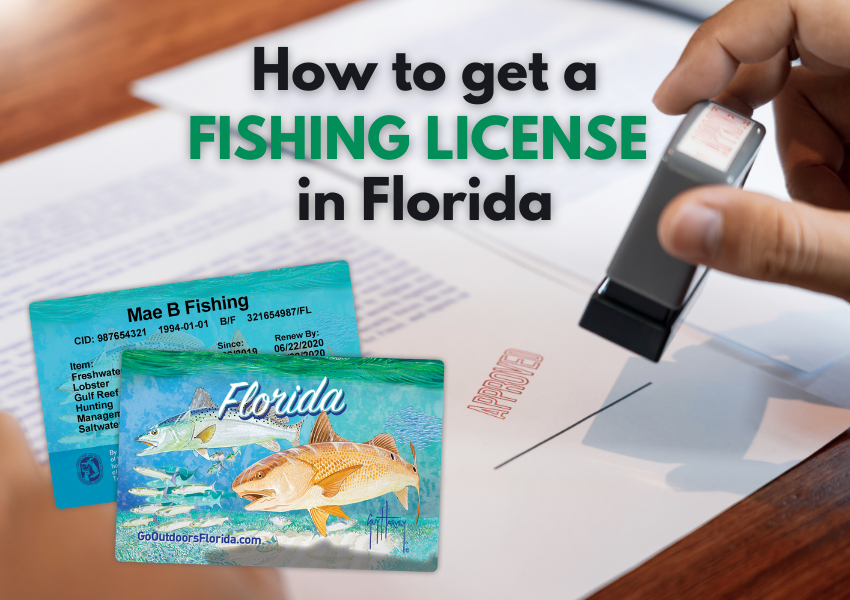
Why a Fishing License is Essential for Your Florida Adventure
Engaging in outdoor activities in Florida, especially those involving its natural resources, comes with responsibilities. A fishing license is more than just a piece of paper; it’s a direct contribution to the conservation and management of the state’s incredible aquatic ecosystems.
Understanding Florida’s Conservation Efforts
The revenue generated from fishing license sales directly funds critical conservation initiatives managed by the Florida Fish and Wildlife Conservation Commission (FWC). These funds are vital for sustaining fish populations, managing aquatic habitats, conducting scientific research, enforcing regulations, and providing educational programs. This ensures that future generations of anglers can also enjoy the rich fishing heritage that Florida proudly offers. By purchasing a license, you are playing an active role in protecting the very environment you’re enjoying, contributing to the long-term health and sustainability of Florida’s fisheries. This commitment to conservation helps maintain healthy ecosystems, which in turn supports a thriving tourism sector centered around outdoor activities.
The Legal Ramifications of Fishing Without a License
Fishing without a valid license in Florida, when one is required, can lead to significant penalties. FWC officers regularly patrol fishing spots, both onshore and offshore, to ensure compliance. Violations can result in hefty fines, confiscation of fishing gear, and even court appearances. These consequences can quickly turn a relaxing day of fishing into a stressful and expensive ordeal. Furthermore, repeated offenses can lead to more severe penalties, including loss of fishing privileges. Understanding and adhering to these regulations is not only a legal obligation but also a show of respect for the state’s natural resources and the efforts made to preserve them for everyone.
Who Needs a Florida Fishing License? Exemptions and Requirements
While the general rule is that most individuals fishing in Florida need a license, there are specific exemptions and distinctions based on residency, age, and activity. It’s crucial to understand these nuances before heading out.
Residents vs. Non-Residents: What You Need to Know
The cost and duration options for fishing licenses differ for Florida residents versus non-residents. A “resident” is generally defined as any person who has resided in Florida for six continuous months prior to the application for a license and who has established a domicile in Florida. Non-residents typically pay a higher fee for licenses, but they often have more short-term options available, which are ideal for tourists planning a vacation. It’s important to verify your residency status accurately to ensure you purchase the correct license type.
Age Requirements and Other Exemptions
Certain age groups are exempt from needing a license. Children under 16 years of age do not need a license to fish in Florida. Additionally, Florida residents 65 years of age or older (who can prove residency and age with a Florida driver’s license, ID card, or by presenting other acceptable forms of identification) are also exempt. It’s always best to carry proof of age and residency if you fall into an exempt category. There are also specific exemptions for disabled residents, those fishing from their home county for certain species, and members of the U.S. Armed Forces on leave.
Special Cases: Pier Fishing, For-Hire Charters, and Disabled Veterans
Several specific scenarios have unique licensing rules:
- Public Piers: If you are fishing from a pier that has been issued a valid pier fishing license by the FWC, you might not need an individual license. However, always check with the pier management first, as not all piers fall under this exemption.
- For-Hire Fishing Charters: When fishing on a licensed for-hire charter boat (e.g., a “head boat” or “guide boat”), the vessel itself holds a license that covers all passengers. This means you typically do not need an individual recreational fishing license for the duration of that trip. However, if you plan to fish before or after the charter, or on your own, an individual license is still required.
- Disabled Veterans: Florida residents who are disabled veterans can obtain a special military disabled veteran’s license at no cost. This is a small token of appreciation for their service.
Step-by-Step Guide to Acquiring Your Florida Fishing License
Getting your Florida fishing license is a straightforward process, with multiple convenient options available.
Online Application: The Easiest Route
The quickest and most convenient way to purchase a Florida fishing license is online through the official FWC website. Simply visit GoOutdoorsFlorida.com, create an account or log in, select the appropriate license, and complete the purchase. Your license can then be printed at home or displayed electronically on your smartphone. This method is available 24/7, making it ideal for last-minute plans or for those who prefer digital convenience.
In-Person Purchase: Local Retailers and Tax Collector Offices
If you prefer an in-person transaction or need assistance, licenses can be purchased at various locations across the state. Sporting goods stores (like Bass Pro Shops or West Marine), bait and tackle shops, and local Wal-Mart stores often sell Florida fishing licenses. Additionally, most Florida County Tax Collector’s Offices are authorized to issue licenses. This option allows you to speak with someone directly and ask any questions you might have about the different license types or regulations.
By Phone: A Convenient Alternative
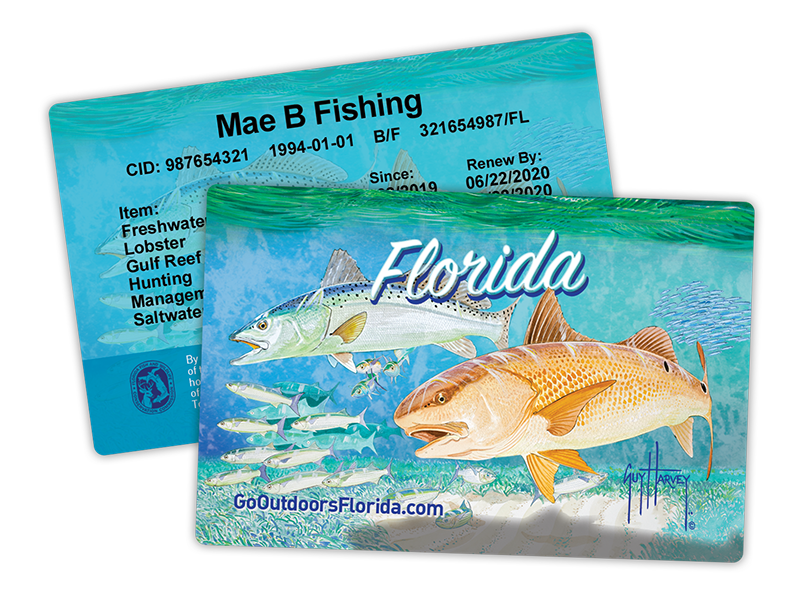
For those without internet access or who prefer speaking to a representative, licenses can be purchased over the phone. Simply call the FWC customer service line, and a representative will guide you through the process. Have your personal information and payment details ready to expedite the call.
Required Information and Payment Methods
Regardless of the method you choose, you will need to provide certain information:
- Full legal name
- Date of birth
- Physical address
- Social Security Number (for U.S. citizens and permanent resident aliens, due to federal requirements tied to the issuing of certain licenses)
- Proof of residency (e.g., Florida driver’s license or state ID) if claiming resident rates.
Payment can typically be made using major credit cards (Visa, MasterCard, American Express, Discover) for online and phone purchases, while in-person locations may also accept cash or debit cards.
Types of Florida Fishing Licenses: Choosing the Right One
Florida’s diverse aquatic environments necessitate different types of fishing licenses. Selecting the correct one is crucial for legal compliance.
Freshwater vs. Saltwater Licenses: A Crucial Distinction
Florida operates with distinct freshwater and saltwater fishing licenses.
- Freshwater Fishing License: Required for taking freshwater fish, such as bass, panfish, and catfish, in inland lakes, rivers, and ponds. This applies whether you’re fishing from a boat, shoreline, or dock.
- Saltwater Fishing License: Required for taking saltwater fish, like snook, redfish, and snapper, from the state’s marine waters, including the Atlantic Ocean, Gulf of Mexico, bays, and estuaries. This includes fishing from shore, a private boat, or a public pier (unless the pier holds a specific license).
Combination Licenses: The Best of Both Worlds
If you plan to enjoy both freshwater and saltwater angling during your stay, a “Combination Freshwater and Saltwater Fishing License” is often the most economical and convenient option. These licenses provide coverage for both environments, simplifying your compliance. They are especially popular among visitors exploring various regions of Florida, from the vast inland lakes near Jacksonville to the coastal mangroves of the Panhandle.
Short-Term vs. Annual Licenses: Planning Your Stay
Florida offers licenses with varying durations to suit different needs:
- Short-Term Licenses: Non-residents often have options for 3-day or 7-day licenses, which are perfect for a short vacation or a specific fishing trip. Residents may also have short-term options for specific purposes.
- Annual Licenses: Valid for 12 months from the date of purchase, these are ideal for residents and non-residents who plan to fish regularly throughout the year. Annual licenses usually offer the best value for frequent anglers.
- Five-Year Licenses: For residents who are committed anglers, a five-year license provides long-term convenience and can offer cost savings over multiple annual purchases.
Specialty Permits and Endorsements
Beyond the basic freshwater and saltwater licenses, some species or methods of fishing require additional permits or endorsements. For instance, if you plan to target Snook or want to participate in certain special seasons (like recreational lobster harvest), you might need an additional endorsement on your license. Always check the current FWC regulations for specific species you intend to pursue, as these can change seasonally.
Beyond the License: Responsible Fishing in Florida
Obtaining your license is just the first step. To ensure a truly rewarding and sustainable fishing experience in Florida, it’s vital to practice responsible angling. This not only protects the environment but also enhances your chances of future success.
Adhering to Size and Bag Limits
Each species of fish in Florida waters has specific size and bag limits designed to ensure sustainable populations. These limits vary by species, location, and even time of year. For example, a snook caught in the Gulf of Mexico might have different regulations than one caught in the Atlantic Ocean. Always consult the latest FWC fishing regulations before your trip. Violating these limits can lead to severe fines and penalties, similar to fishing without a license.
Understanding Seasons and Restricted Areas
Many popular fish species have open and closed seasons to protect them during critical spawning periods. Certain areas, such as marine protected areas, artificial reefs, or areas around critical habitats, may also have specific fishing restrictions or be entirely off-limits. Being aware of these seasonal closures and restricted zones is crucial for ethical and legal fishing. The FWC website and local bait shops are excellent resources for up-to-date information.
Practicing Catch and Release and Ethical Angling
For many species, especially those with strict limits or in certain conservation areas, practicing catch and release is highly encouraged. Learn proper catch and release techniques to minimize harm to the fish, ensuring their survival. This includes using appropriate tackle, handling fish with wet hands, supporting their body weight, and quickly returning them to the water. Ethical angling also involves responsible waste disposal, avoiding littering, and respecting private property and other anglers.
Essential Gear for Your Florida Fishing Trip
While your license is the most important legal requirement, having the right gear will significantly enhance your experience. Depending on whether you’re targeting freshwater bass or offshore saltwater species, your tackle will vary. Basic essentials often include a rod and reel suitable for your target species, appropriate lures or bait, a net or gaff, pliers, a cooler for keeping legal catches, and sun protection (hat, sunscreen, polarized sunglasses). Local bait and tackle shops can provide invaluable advice on what works best for the specific waters you plan to fish in Florida.
By following these guidelines and preparing properly, your Florida fishing adventure is sure to be memorable, legal, and contribute to the lasting health of this incredible natural resource. Happy fishing!
LifeOutOfTheBox is a participant in the Amazon Services LLC Associates Program, an affiliate advertising program designed to provide a means for sites to earn advertising fees by advertising and linking to Amazon.com. Amazon, the Amazon logo, AmazonSupply, and the AmazonSupply logo are trademarks of Amazon.com, Inc. or its affiliates. As an Amazon Associate we earn affiliate commissions from qualifying purchases.